Playing 501 darts in teams (doubles) adds a layer of strategy and camaraderie to the classic game, requiring coordination and communication to reach zero. This article will cover everything you need to know to excel at team 501 darts, from understanding the rules and scoring to developing winning strategies and practicing effectively.
⚠️ Still Using Pen & Paper (or a Chalkboard)?! ⚠️
Step into the future! The Dart Counter App handles all the scoring, suggests checkouts, and tracks your stats automatically. It's easier than you think!
Try the Smart Dart Counter App FREE!Ready for an upgrade? Click above!
Understanding the Basics of Playing 501 Darts in Teams (Doubles)
Playing 501 darts in teams (doubles) is a popular format for both casual and competitive dart players. It combines the thrill of the individual game with the added dynamic of teamwork. The fundamental goal remains the same: be the first team to reduce your starting score of 501 to exactly zero by scoring darts, but the cooperative element changes the way you approach the game.
Here’s a breakdown of the essential rules:
- Starting Score: Each team begins with 501 points.
- Objective: Reduce the score to exactly zero.
- Checkout: The final dart thrown to reach zero must be a double. This means hitting a double number (e.g., double 20 to score 40) or the bullseye (which counts as double 25).
- Turns: Each player throws three darts per turn. A team’s turn consists of both players throwing their three darts in sequence.
- Busting: If a team scores more points than required to reach zero, or reduces their score to one, it’s a “bust.” The team’s score reverts to what it was at the start of that turn.
- Winning: The first team to legally reach zero wins the leg. A match often consists of multiple legs.
Strategic Gameplay in Team 501 Darts

Team strategy is crucial for success. Here are some key considerations:
Communication and Coordination
Clear communication between teammates is paramount. Before each turn, discuss the intended targets and potential scenarios. For example, if one player sets up a specific double, the other player should be aware of it and prepared to take it out. Effective communication can dramatically improve your team’s scoring consistency and efficiency.
Target Selection and Setup
Choosing the right targets is vital. While aiming for the treble 20 (T20) is common, it’s not always the optimal choice. Consider the following:
- Leaving a Finish: Aim to leave a manageable double for your teammate. For instance, if you’re on 101, you might aim for T17 (scoring 51), leaving 50 (Double 25).
- Playing the Board: Assess where your teammate throws well. If they consistently hit the 19s, tailor your targets to leave them a shot at a 19 double.
- Risk vs. Reward: Evaluate the risk associated with certain targets. A less risky target, even if it scores fewer points, might be preferable if it sets up a more favorable position for the next turn.
Utilizing Your Strengths
Every player has their strengths and weaknesses. Capitalize on these by assigning roles based on individual skills. For example, if one player is a more consistent scorer, they might focus on maximizing the score early in the leg, while the other player focuses on setting up and hitting doubles.
Understanding the Opponent
Pay attention to your opponents’ tendencies. Are they aggressive scorers, or are they more conservative players? Do they have a preferred double? Adapting your strategy based on your opponent’s style can give you a significant edge. Consider adapting darts rules for small spaces if that applies to the environment.
Effective Practice Drills for Doubles Darts
Consistent practice is essential for improving your performance. Here are some drills specifically designed for team play:

- Team Checkout Practice: Simulate game scenarios by setting up specific scores (e.g., 40, 60, 80) and practice taking them out with your teammate. Focus on communication and coordination.
- Setup and Finish Drill: One player aims to set up a specific double, while the other attempts to take it out. Rotate roles to practice both skills.
- High Score Challenge: Compete against other teams to see who can score the highest total points in a set number of rounds. This promotes aggressive scoring and teamwork.
- Round the Clock Doubles: Starting with double 1, each player must hit each double in sequence around the board. This improves accuracy and consistency on doubles. Make sure you understand Basic Darts Fundamentals for Beginners first!
Remember to track your progress and identify areas for improvement. Regular practice, combined with strategic thinking, will significantly enhance your team’s performance.
Mastering the Mental Game in Team 501 Darts
The mental aspect of darts is just as important as the physical skills. Playing 501 darts in teams (doubles) requires focus, composure, and a positive attitude. Here are some tips for mastering the mental game:
Staying Calm Under Pressure
High-pressure situations, such as needing a crucial double to win the leg, can be nerve-wracking. Practice relaxation techniques, such as deep breathing, to stay calm and focused. Remind yourself of your training and trust your abilities.
Maintaining a Positive Attitude
Darts is a game of ups and downs. Don’t get discouraged by missed throws or setbacks. Maintain a positive attitude and support your teammate. Encouragement and constructive feedback can make a big difference in team morale and performance. Consider modifying rules for mixed-level dart players to keep spirits high.
Visualizing Success
Before each throw, visualize the dart hitting the target. This mental rehearsal can improve your focus and confidence. Imagine the successful outcome and trust your muscle memory.
Learning from Mistakes
Everyone makes mistakes. Instead of dwelling on errors, analyze what went wrong and learn from them. Identify areas for improvement and adjust your strategy accordingly. Use simplified 501 game rules for novice players to get started.
Advanced Strategies for Team 501 Darts

Once you have a solid understanding of the basics, you can start implementing more advanced strategies:
Calculating Outs Accurately
Being able to quickly and accurately calculate your outs is crucial for efficient gameplay. Practice mental arithmetic and learn common checkout combinations. Knowing your outs allows you to make informed decisions about target selection and setup.
Strategic Blocking
Sometimes, the best move is not to score points, but to prevent your opponents from scoring. “Blocking” involves aiming for a target that will leave your opponents with an awkward or difficult score. This can disrupt their rhythm and give your team an advantage.
Varying Your Approach
Don’t become predictable. Vary your target selection and strategy to keep your opponents guessing. This makes it harder for them to anticipate your moves and plan their own strategy.
Analyzing Your Opponents’ Game
Pay close attention to your opponents’ throwing style, preferred targets, and checkout patterns. Use this information to anticipate their moves and exploit their weaknesses. Adapt your strategy accordingly. Remember the fun dart game variations with modified rules!
Choosing the Right Equipment for Team Darts
While skill and strategy are paramount, having the right equipment can also contribute to your team’s success. Here are some factors to consider when choosing darts, dartboards, and accessories:
Darts
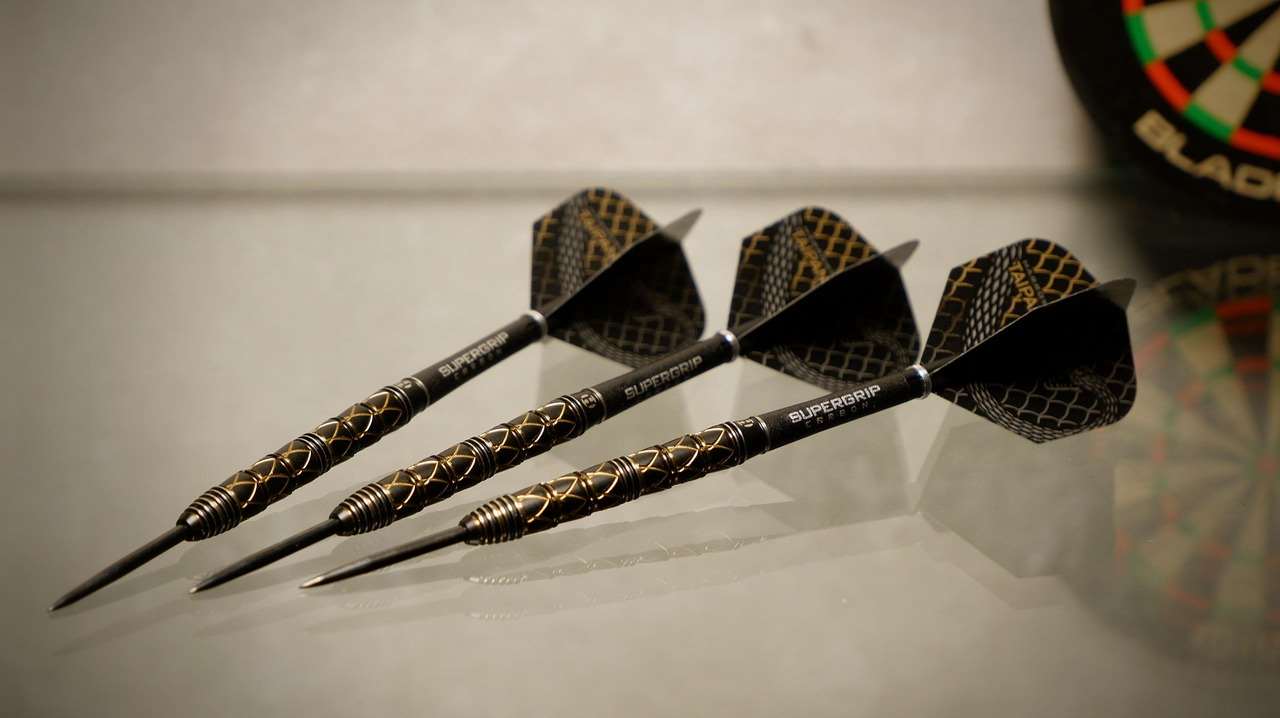
Experiment with different dart weights, shapes, and materials to find what feels most comfortable and consistent in your hand. Consider factors such as grip, balance, and flight characteristics. Each team member should use darts that suit their individual style.
Dartboard
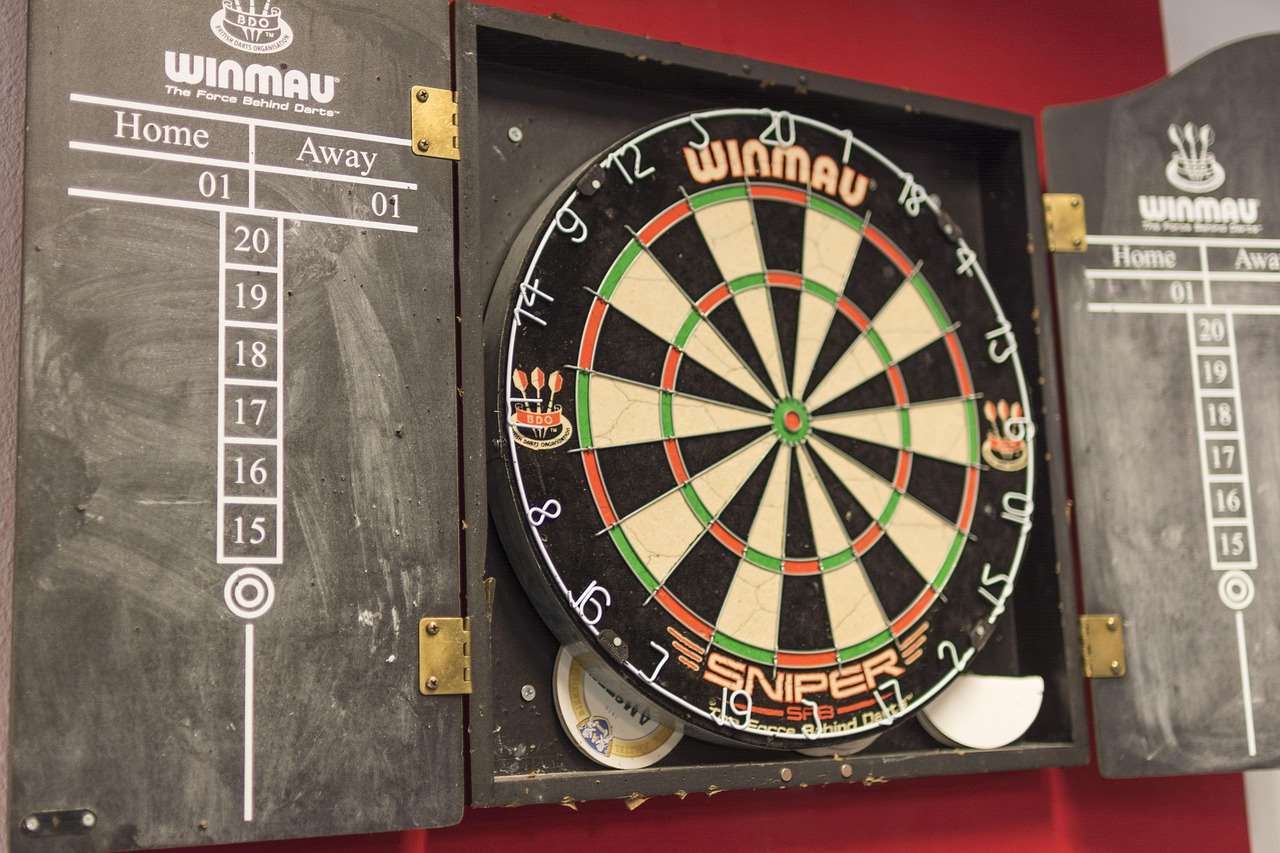
Invest in a high-quality dartboard made of sisal fibers. A good dartboard will have consistent density and minimal bounce-outs. Regularly rotate the dartboard to distribute wear evenly.
Flights and Shafts
Flights and shafts affect the aerodynamics of your darts. Experiment with different shapes, sizes, and materials to find what provides the best stability and accuracy. Replace worn or damaged flights and shafts regularly.
Lighting
Proper lighting is essential for clear visibility of the dartboard. Use a well-lit dartboard surround or a dedicated dartboard lighting system to eliminate shadows and ensure accurate aiming.
Team Dynamics and Communication in Doubles Darts
Beyond individual skill, the chemistry and communication within a team are vital for consistent success. Here’s how to foster a strong team dynamic:
Establish Clear Roles
Determine who will be the primary scorer, the setup player, and the doubles specialist. Understanding roles helps players focus on their strengths and contribute effectively to the team’s overall strategy. Playing alternative darts rules for home play is good for practice.
Practice Active Listening
Pay attention to your teammate’s suggestions and feedback. Active listening fosters trust and collaboration. Discuss strategies and target selection before each turn.
Offer Constructive Criticism
Provide feedback in a positive and supportive manner. Focus on specific areas for improvement and offer suggestions for how to overcome challenges.
Celebrate Successes
Acknowledge and celebrate both individual and team accomplishments. Positive reinforcement boosts morale and encourages continued effort. Recognize and appreciate each other’s contributions.
Conclusion
Playing 501 darts in teams (doubles) is a rewarding experience that combines individual skill with the strategic element of teamwork. By understanding the rules, developing effective strategies, practicing consistently, and fostering a strong team dynamic, you can significantly improve your performance and enjoy the game to its fullest. Remember the importance of communication, coordination, and a positive attitude. So, grab a partner, step up to the oche, and start practicing these tips to elevate your team’s game. Now, go out there and dominate the dartboard!

Hi, I’m Dieter, and I created Dartcounter (Dartcounterapp.com). My motivation wasn’t being a darts expert – quite the opposite! When I first started playing, I loved the game but found keeping accurate scores and tracking stats difficult and distracting.
I figured I couldn’t be the only one struggling with this. So, I decided to build a solution: an easy-to-use application that everyone, no matter their experience level, could use to manage scoring effortlessly.
My goal for Dartcounter was simple: let the app handle the numbers – the scoring, the averages, the stats, even checkout suggestions – so players could focus purely on their throw and enjoying the game. It began as a way to solve my own beginner’s problem, and I’m thrilled it has grown into a helpful tool for the wider darts community.