To master out doubles darts rules, you must finish a leg of darts by hitting a double. This article breaks down the rules, strategies, and tips to consistently finish on a double, plus explores common mistakes and how to avoid them.
⚠️ Still Using Pen & Paper (or a Chalkboard)?! ⚠️
Step into the future! The Dart Counter App handles all the scoring, suggests checkouts, and tracks your stats automatically. It's easier than you think!
Try the Smart Dart Counter App FREE!Ready for an upgrade? Click above!
Understanding the Basics of Master Out Doubles Darts Rules
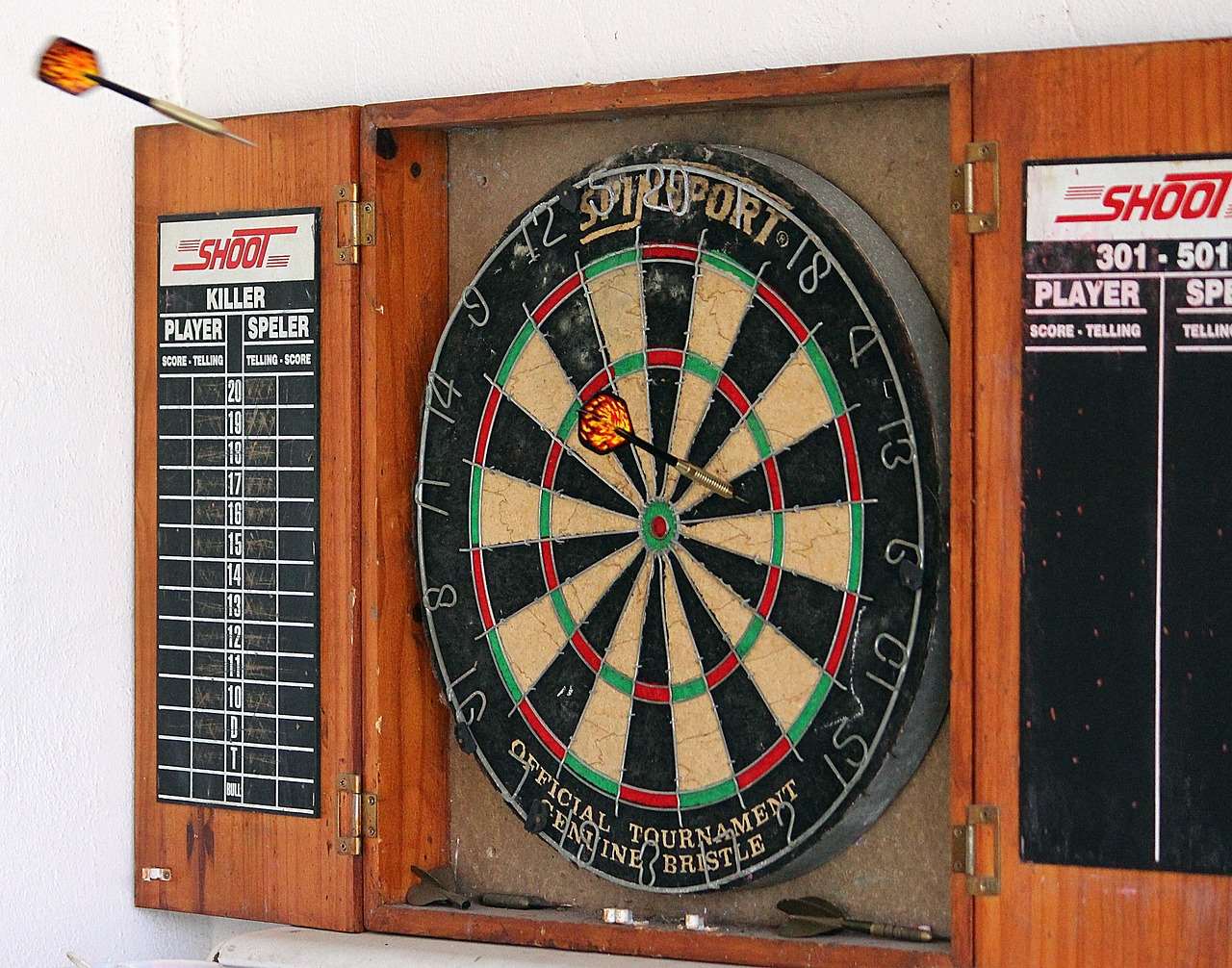
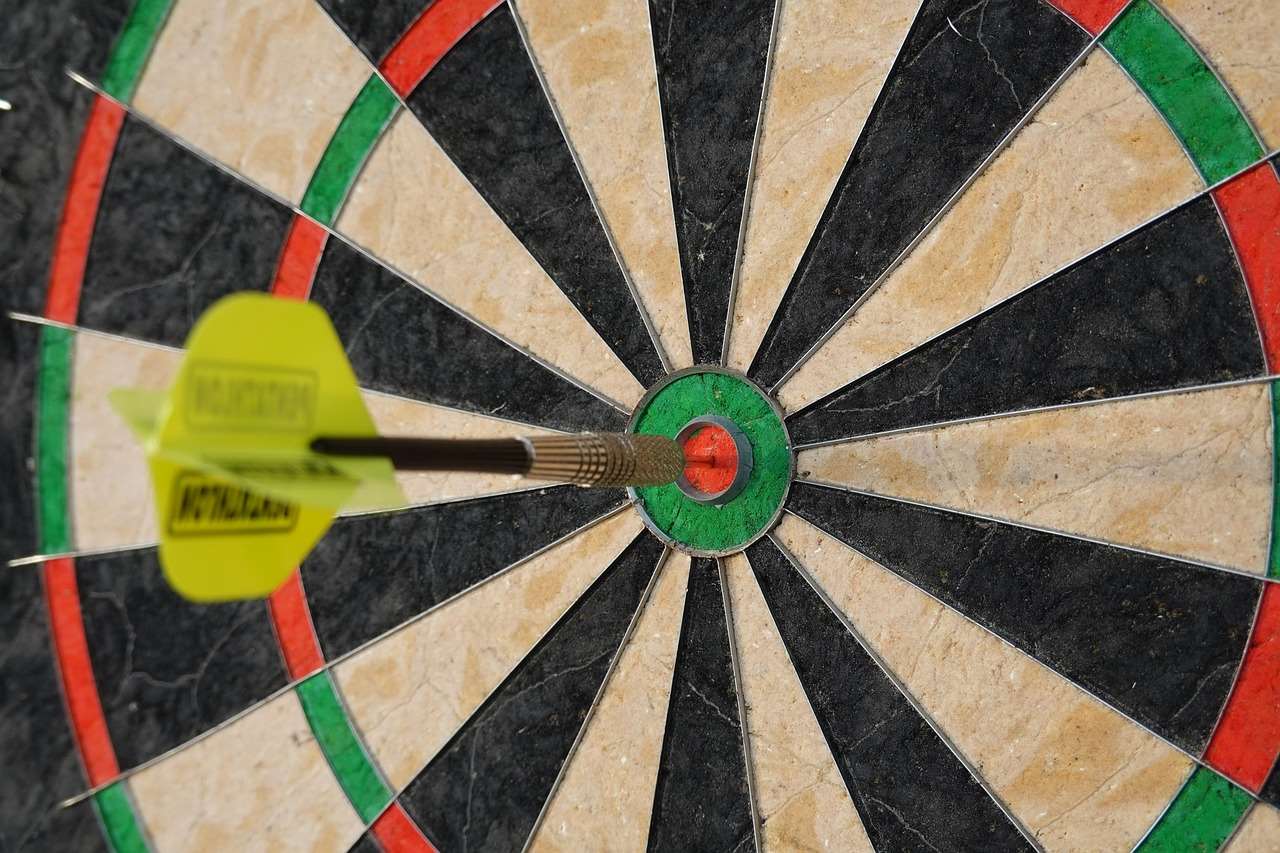
The master out doubles darts rules are fundamental to playing many variations of darts. Knowing these rules inside and out will dramatically improve your game. Essentially, to win a leg in a standard game like 301 or 501, your final dart must land in a double segment of the dartboard. This means the score of that dart gets doubled, and that doubled score must reduce your remaining total to exactly zero.
For example, if you have a remaining score of 40, you need to hit double 20 (D20). If you hit a single 20, bringing your score down to 20, you cannot simply hit a single 20 to win the game. You must still hit a double. Similarly, you can’t “bust” your score. If you have a remaining score of 10 and you hit a double 6, bringing your score to -2, your turn is over and your score reverts to 10 at the start of your next turn.
Why Mastering Doubles is Crucial
Consistent performance on doubles is what separates recreational players from serious competitors. Anyone can occasionally hit a high score, but the ability to reliably close out legs on a double is key to winning matches. Without a solid doubles game, you’ll consistently leave yourself with awkward scores and miss opportunities to capitalize on your opponent’s mistakes. To explore different kinds of darts experiences, delve into Darts Variants Fun Games.
Essential Strategies for Improving Your Doubles Game
Simply understanding the master out doubles darts rules isn’t enough; you need a strategic approach to practice and execution. Here are some proven strategies to elevate your doubles game.
- Focus on Accuracy: The most obvious but crucial tip is to consistently practice hitting the doubles you are most likely to need. Focus on precision.
- Develop a Routine: Establish a pre-throw routine that helps you stay focused and consistent. This could involve how you stand, hold the dart, and aim.
- Visualize the Shot: Before you throw, take a moment to visualize the dart hitting the double. Mental rehearsal can improve your confidence and accuracy.
- Practice Under Pressure: Simulate match conditions by setting up scenarios where you need to hit a specific double to win. This will help you handle pressure in real games.
The Most Common Doubles to Master
While it’s beneficial to practice all doubles, some are far more common than others when trying to apply master out doubles darts rules. Prioritizing these will give you the most significant return on your practice time.
- Double 20 (D20): The most frequently needed double.
- Double 16 (D16): Often used as an alternative to D20, especially when your opponent is on a similar score.
- Double 18 (D18): A good choice if you’re aiming for a larger target.
- Double 4 (D4): A relatively common finish when leaving yourself with a low score.
- Double 12 (D12): Can be a convenient choice from certain scores.
Calculating Your Outs: A Key Element of Master Out Doubles Darts Rules
A critical part of mastering doubles is being able to quickly and accurately calculate your outs. This involves planning your throws to leave yourself on a favorable double.
The 170 Checkout: This is the highest possible checkout and is achieved by hitting T20, T20, and D25 (Bullseye). While exciting, it’s rare.
Common Outs: Learn the standard routes to checkout from scores like 160, 150, 140, and so on. Knowing these sequences by heart will save you valuable time and mental energy during a match.
When to Take a Risk: Sometimes, especially when behind, you may need to take a risk to set up a better out. For example, if you have 81, you might aim for T17 instead of a safer single 17 to leave yourself on D16.
When dealing with more old dart games rules, the double out rule is less frequently used. Focus and precision remain important in those games as well.
Practicing Doubles Effectively
Consistent practice is essential to improving your doubles game and truly understanding master out doubles darts rules. However, not all practice is created equal. Here are some tips for making your practice sessions more effective:
- Targeted Practice: Instead of just throwing randomly, focus on specific doubles. Spend time throwing at D20, D16, and other common doubles.
- The “Round the Clock” Drill: Go around the board hitting each double in sequence. This helps you become familiar with all the doubles and identify your weaknesses.
- Simulated Games: Play practice games against yourself or a friend, focusing on checkout opportunities.
- Record Your Progress: Track your scores and doubles percentages to see how you’re improving over time. This can also help you identify areas where you need to focus your practice.
Common Mistakes to Avoid When Aiming for Doubles
Even with the best strategies and practice, it’s easy to fall into common traps when aiming for doubles. Recognizing and avoiding these mistakes can significantly improve your accuracy and success rate with master out doubles darts rules.
- Rushing Your Throw: Taking your time and focusing on your routine is crucial. Avoid rushing your throw, especially under pressure.
- Not Aiming Properly: Make sure you are properly aligned with the target. Many players aim too high or too low.
- Changing Your Throw: Stick to the throwing motion that works for you. Avoid making adjustments mid-throw.
- Ignoring Board Condition: Be aware of the condition of the dartboard. Worn or damaged segments can affect your dart’s trajectory.
The Mental Game of Doubles
While technique and practice are crucial, the mental aspect of doubles is often overlooked. Maintaining a positive attitude and staying focused under pressure can make a big difference when it comes to master out doubles darts rules.
- Stay Positive: Don’t get discouraged by missed doubles. Everyone misses, even the pros. Focus on the next throw.
- Visualize Success: Imagine yourself hitting the double before you throw. This can boost your confidence and improve your accuracy.
- Control Your Emotions: Avoid letting frustration or anger affect your game. Stay calm and focused, even when things aren’t going your way.
- Learn from Your Mistakes: Analyze your missed doubles and learn from them. Identify what went wrong and adjust your approach accordingly.
Equipment Considerations: Darts and Dartboards
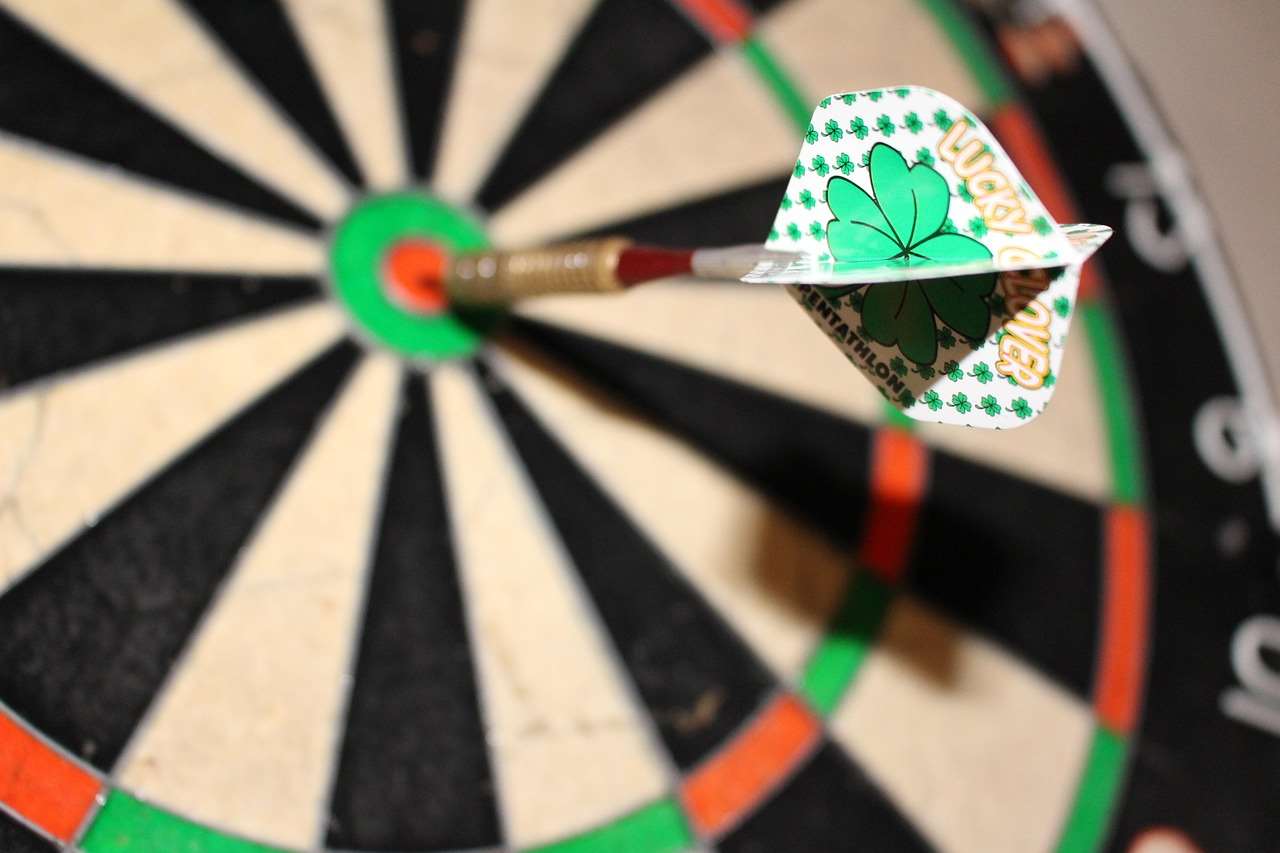
Having the right equipment can also contribute to your success in mastering master out doubles darts rules. While skill is the primary factor, using quality darts and a well-maintained dartboard can make a difference.
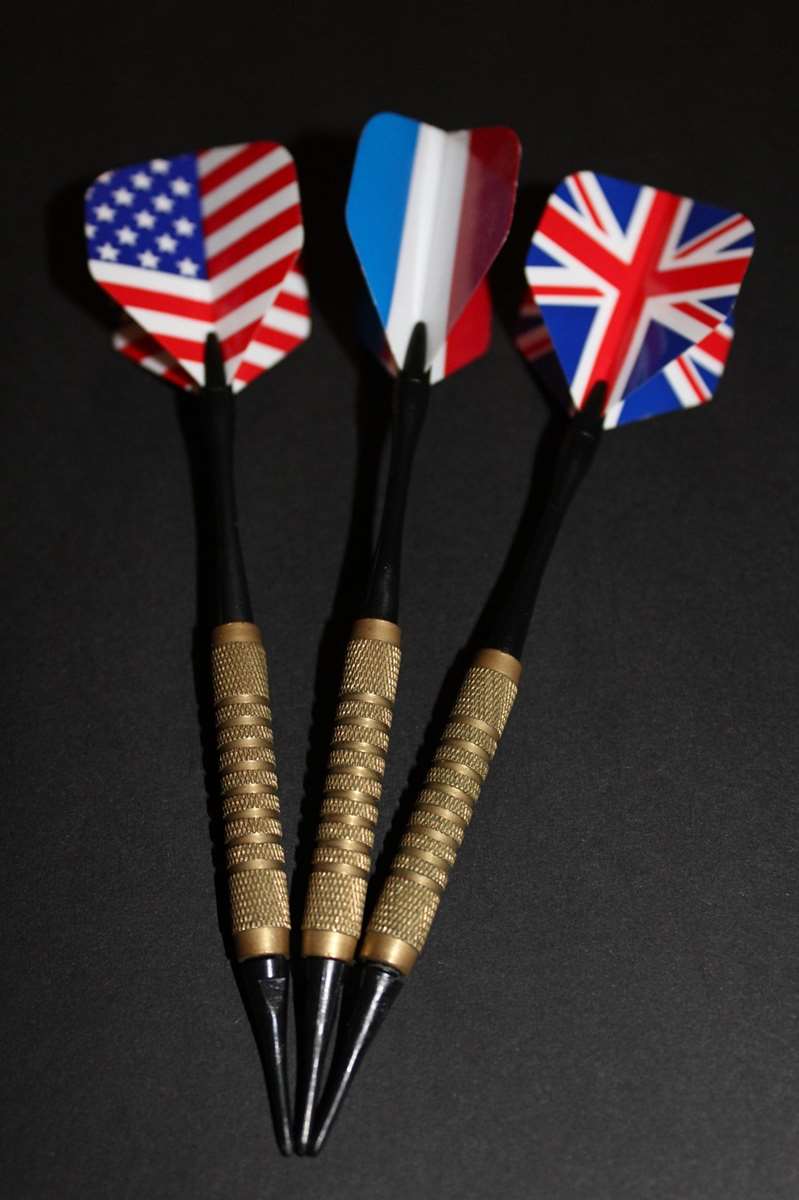
- Dart Weight and Grip: Experiment with different dart weights and grips to find what works best for you. Consider factors like dart length, barrel shape, and grip texture.
- Dartboard Quality: Invest in a high-quality dartboard made from sisal fibers. These boards are more durable and offer better dart retention.
- Dartboard Maintenance: Rotate your dartboard regularly to evenly distribute wear. Clean the board occasionally to remove dust and debris.
- Lighting: Ensure adequate lighting around your dartboard to improve visibility and reduce eye strain.
Advanced Doubles Strategies and Techniques
Once you’ve mastered the basics, you can explore more advanced strategies and techniques to further refine your doubles game and confidently apply master out doubles darts rules.
- Double Setup Play: Intentionally leaving yourself on a specific double that you are comfortable with, even if it means passing up a slightly higher score.
- Blocking: Intentionally aiming for a score that will prevent your opponent from having an easy out on their next turn.
- Reading Your Opponent: Paying attention to your opponent’s doubles preferences and tendencies can give you an edge.
Delving into historical dart game variations can sometimes provide interesting insights into forgotten strategies that could be adapted to modern play, but remember that the standard rules of doubles remain central.

Troubleshooting Common Doubles Problems
Even experienced players encounter periods where their doubles game falters. Knowing how to troubleshoot common problems can help you get back on track.
- Inconsistent Release: If you’re struggling with consistency, focus on your release point. Ensure you are releasing the dart at the same point every time.
- Drifting Darts: If your darts are consistently drifting to one side, you may need to adjust your stance or grip.
- Mental Blocks: If you’re experiencing mental blocks, try taking a break from darts and focusing on relaxation techniques.
Conclusion
Mastering out doubles darts rules is essential for competitive darts. By understanding the rules, implementing effective practice strategies, avoiding common mistakes, and honing your mental game, you can significantly improve your doubles performance. Remember to focus on accuracy, develop a routine, and stay positive. Put these tips into practice, and you’ll be hitting those crucial doubles with confidence. Now, grab your darts and start practicing! Consider exploring forgotten pub dart games for a change of pace and some fun variations to your practice routine.

Hi, I’m Dieter, and I created Dartcounter (Dartcounterapp.com). My motivation wasn’t being a darts expert – quite the opposite! When I first started playing, I loved the game but found keeping accurate scores and tracking stats difficult and distracting.
I figured I couldn’t be the only one struggling with this. So, I decided to build a solution: an easy-to-use application that everyone, no matter their experience level, could use to manage scoring effortlessly.
My goal for Dartcounter was simple: let the app handle the numbers – the scoring, the averages, the stats, even checkout suggestions – so players could focus purely on their throw and enjoying the game. It began as a way to solve my own beginner’s problem, and I’m thrilled it has grown into a helpful tool for the wider darts community.