Understanding the **impact of darts on 180s** boils down to precision, consistency, and the right equipment. This article explores the crucial factors influencing your ability to throw a perfect score, from dart selection and grip to stance and practice techniques, helping you maximize your 180 potential.
⚠️ Still Using Pen & Paper (or a Chalkboard)?! ⚠️
Step into the future! The Dart Counter App handles all the scoring, suggests checkouts, and tracks your stats automatically. It's easier than you think!
Try the Smart Dart Counter App FREE!Ready for an upgrade? Click above!
Understanding The Impact Of Darts On 180s
The elusive 180, the pinnacle of a single visit to the oche, is what every darts player strives for. Achieving this feat consistently isn’t just about luck; it’s a result of mastering various techniques and understanding how different aspects of your darts setup and throwing style influence your accuracy. The **impact of darts on 180s** is multifaceted, encompassing everything from the weight and shape of your darts to the subtle nuances of your grip and release.
Several key elements directly contribute to your chances of hitting a 180. These include:
- Dart Weight and Balance: Finding the optimal weight and balance for your throwing style.
- Dart Grip: Developing a consistent and comfortable grip.
- Stance and Alignment: Maintaining a stable and aligned stance at the oche.
- Throwing Technique: Perfecting a smooth and repeatable throwing motion.
- Mental Approach: Cultivating focus and managing pressure.
By addressing each of these areas, you can significantly improve your consistency and increase your likelihood of achieving that coveted 180.
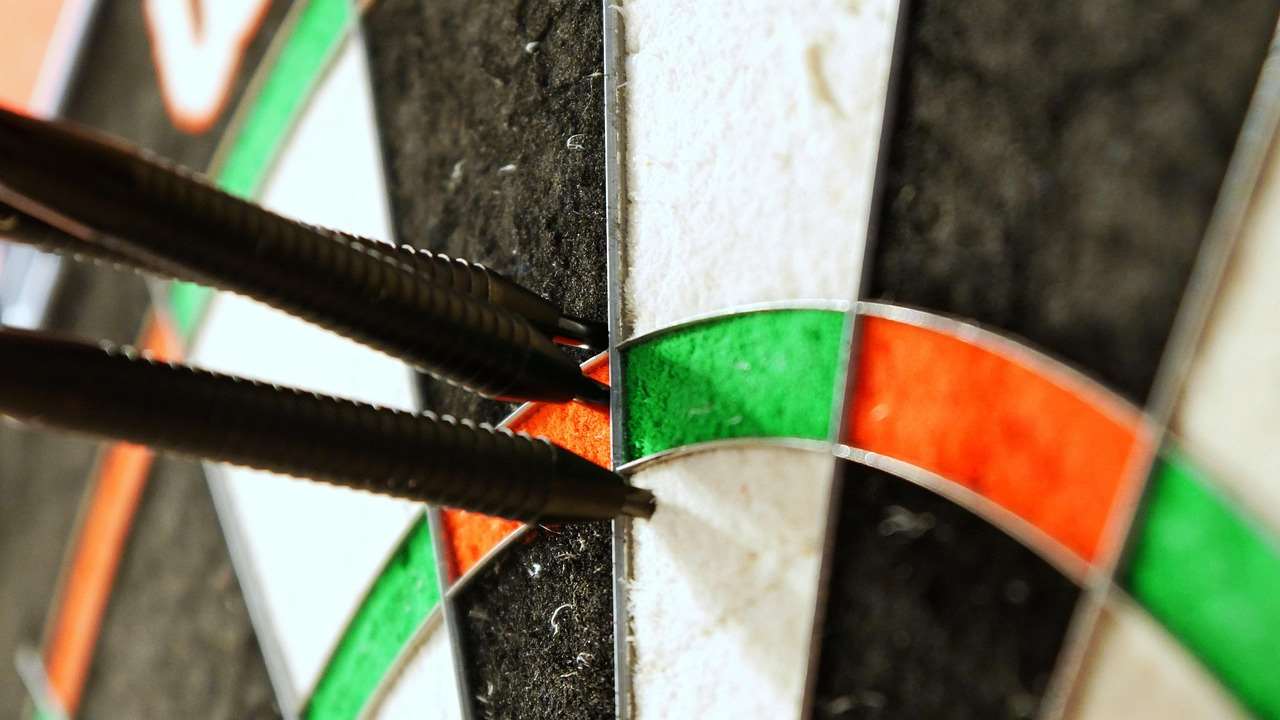
Choosing The Right Darts For Maximum 180s
The **impact of darts on 180s** starts with the darts themselves. Selecting the right darts is a personal process, but understanding the available options is crucial. Three main characteristics to consider are weight, material, and shape.
Dart Weight
Dart weights typically range from 18 to 30 grams. The ideal weight depends on your throwing style and personal preference. Lighter darts generally require a smoother, more controlled throw, while heavier darts can be beneficial for players who prefer a more forceful delivery. Experimenting with different weights is the best way to find what feels most comfortable and accurate for you.
Dart Material
Most professional-level darts are made from tungsten, a dense metal that allows for a slimmer barrel. This is advantageous because it allows for tighter groupings on the dartboard. Cheaper darts are often made from brass, which is less dense, resulting in thicker barrels that can obstruct your aim. Tungsten darts are generally more expensive but offer a significant performance advantage.
Dart Shape
Dart shapes vary considerably, from straight barrels to torpedo shapes and everything in between. The shape influences the dart’s balance and how it feels in your hand. A straight barrel provides a consistent grip point, while a torpedo shape shifts the weight towards the front, which some players find helps with accuracy. Ultimately, the best shape is the one that feels most natural and comfortable to you. Remember to consider how Darts Betting And Fantasy Leagues Guide could even influence your darts decisions.
Perfecting Your Grip For Consistent 180s
Your grip is the foundation of your throw. A consistent grip ensures that the dart leaves your hand the same way every time, minimizing variations and maximizing accuracy. The **impact of darts on 180s** is heavily influenced by how consistently you hold the dart.
Finding Your Natural Grip
There’s no single “right” grip; it’s about finding what feels most natural and comfortable for you. Some players prefer a firm grip, while others prefer a more relaxed hold. Experiment with different finger placements and pressure to find what gives you the most control and consistency. A good starting point is to hold the dart with three fingers – thumb, index finger, and middle finger – but variations are common and perfectly acceptable.
Grip Pressure and Consistency
Maintaining consistent grip pressure is crucial. Too much pressure can cause tension and affect your release, while too little pressure can lead to a loss of control. Strive for a balance that allows you to hold the dart securely without squeezing it too tightly. Practice your grip regularly to develop muscle memory and ensure that you’re holding the dart the same way every time.
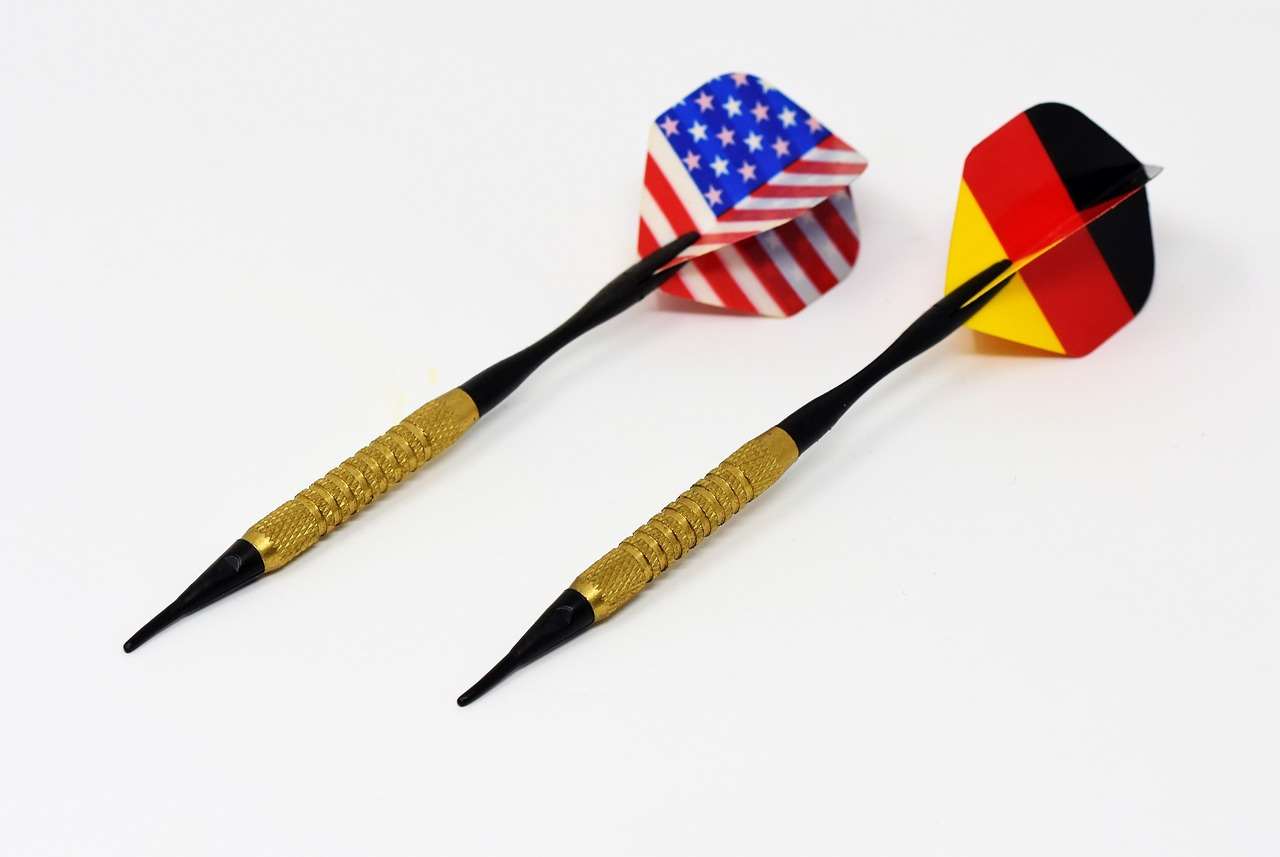
Using Dart Grips
Specialized dart grips, such as textured barrels or grip wax, can enhance your hold and prevent slippage. These can be particularly helpful for players who struggle with sweaty hands or inconsistent grip pressure. Experiment with different grip options to see if they improve your consistency. Remember that even small changes in your grip can significantly affect the **impact of darts on 180s**.
Stance And Alignment: The Foundation For 180s
Your stance and alignment at the oche play a vital role in your accuracy. A stable and aligned stance provides a solid foundation for your throw, minimizing movement and promoting consistency. The **impact of darts on 180s** can be significantly improved by focusing on these fundamental aspects of your setup.
Finding Your Optimal Stance
Most players adopt either a parallel stance, where both feet are aligned with the oche, or an angled stance, where one foot is slightly forward. The best stance for you depends on your body type and throwing style. Experiment with different stances to see which one feels most stable and allows you to align your body comfortably with the target.
Maintaining Proper Alignment
Ensure that your throwing shoulder is aligned with the bullseye. This helps to ensure that your throwing motion is directed straight towards the target. Avoid twisting or leaning excessively, as this can disrupt your balance and affect your accuracy. Regular practice in front of a mirror can help you identify and correct any alignment issues.
Weight Distribution
Distribute your weight evenly between both feet. This provides a stable base and prevents you from swaying or losing balance during your throw. Avoid shifting your weight from one foot to the other, as this can throw off your aim. Maintaining a consistent weight distribution will have a positive **impact of darts on 180s** over time.
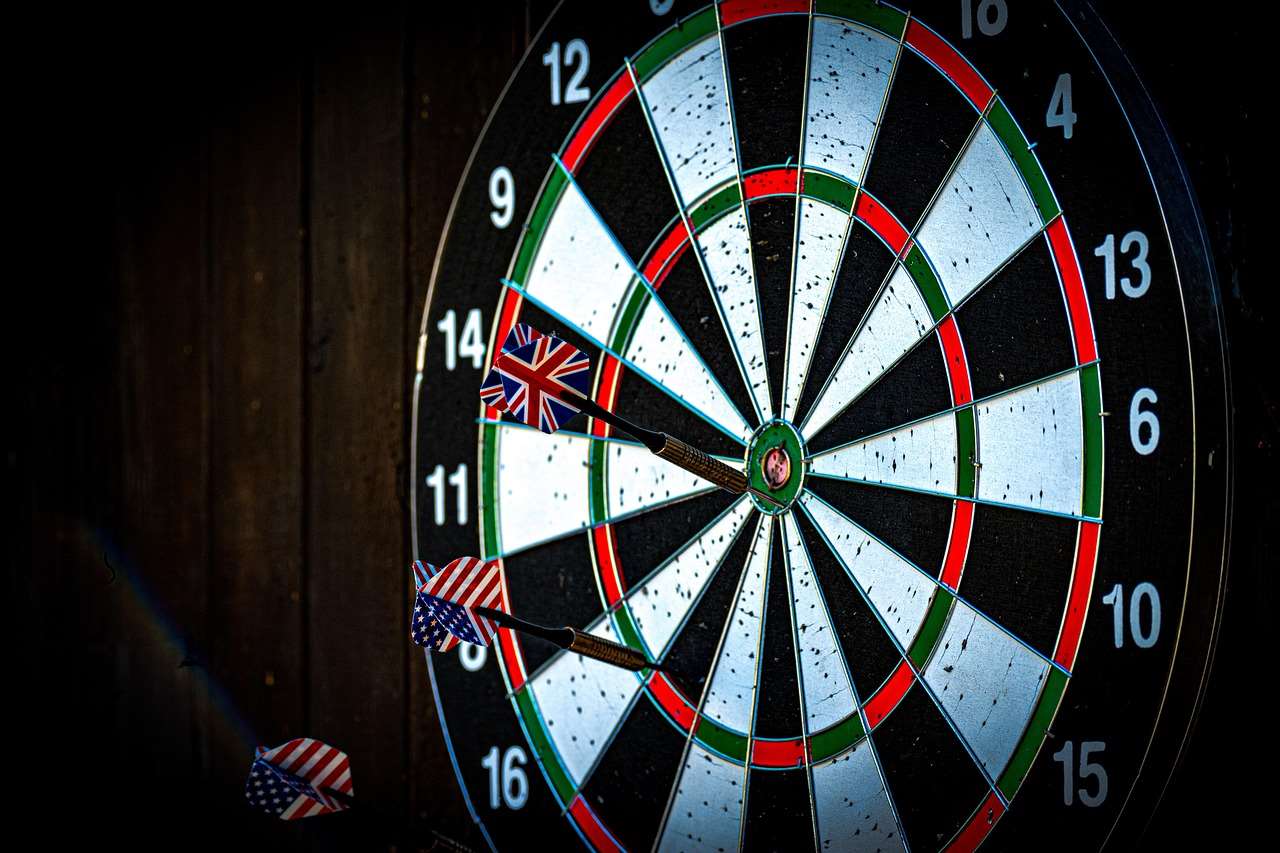
Mastering Your Throwing Technique For 180s
A smooth, repeatable throwing motion is essential for consistent accuracy. Avoid jerky or rushed movements, and focus on maintaining a fluid and controlled release. The **impact of darts on 180s** depends on mastering this technique.
The Importance of a Smooth Draw
Start with a smooth and controlled draw, bringing the dart back in a straight line towards your eye. Avoid dipping or wavering the dart during the draw, as this can disrupt your aim. Focus on keeping your elbow high and your wrist stable.
The Release Point
The release point is critical. Aim to release the dart at the same point in your throwing motion every time. This requires practice and concentration. Some players find it helpful to visualize the target and focus on a specific point in their peripheral vision during the release.
Follow Through
A proper follow-through is just as important as the draw and release. Extend your arm fully towards the target, and maintain your follow-through until the dart hits the board. This helps to ensure that you’re throwing the dart with consistent power and direction.
Mental Fortitude: Staying Focused And Managing Pressure
Darts is as much a mental game as it is a physical one. Staying focused and managing pressure are crucial for achieving consistent 180s, especially in competitive situations. Consider the **impact of darts on 180s** from a psychological point of view.
Developing a Pre-Throw Routine
A pre-throw routine can help you to focus and prepare for each throw. This might involve taking a deep breath, visualizing the target, or performing a specific hand movement. The routine helps to calm your nerves and ensure that you’re approaching each throw with a clear and focused mind. Think about the psychology behind Betting Sponsorship Impact On Darts and how similar pressure might be experienced.
Staying Positive
Avoid getting discouraged by missed throws. Everyone misses occasionally, even the top professionals. Focus on learning from your mistakes and maintaining a positive attitude. Negative thoughts and self-doubt can sabotage your performance. Remember that even the smallest adjustment can have a big **impact of darts on 180s**.
Practicing Under Pressure
Simulate competitive conditions during your practice sessions. This might involve playing against a friend or family member, or setting up challenges for yourself. Practicing under pressure helps you to develop the mental toughness you need to perform well in real-world competitions. Also, think about how How Betting Companies Sponsor Darts and the pressure it puts on players.
Practicing Effectively To Increase 180s
Consistent practice is essential for improving your darts game and increasing your chances of hitting 180s. However, it’s not just about putting in the hours; it’s about practicing effectively.
Targeted Practice Drills
Focus your practice on specific areas of your game that need improvement. For example, if you struggle with your accuracy on the treble 20, dedicate a portion of your practice to targeting that segment. Use specific drills and exercises to hone your skills and address your weaknesses.
Regular Practice Schedule
Establish a regular practice schedule and stick to it as much as possible. Even short, consistent practice sessions are more effective than sporadic, lengthy ones. Aim to practice at least a few times per week, even if it’s just for 30 minutes at a time. Consistent effort will always show improvement to the **impact of darts on 180s**.
Track Your Progress
Keep track of your scores and performance over time. This allows you to monitor your progress and identify areas where you’re improving or struggling. Use a notebook or app to record your scores, and analyze your data to identify trends and patterns. Consider how Bookmaker Sponsorship Professional Darts uses data to influence events.
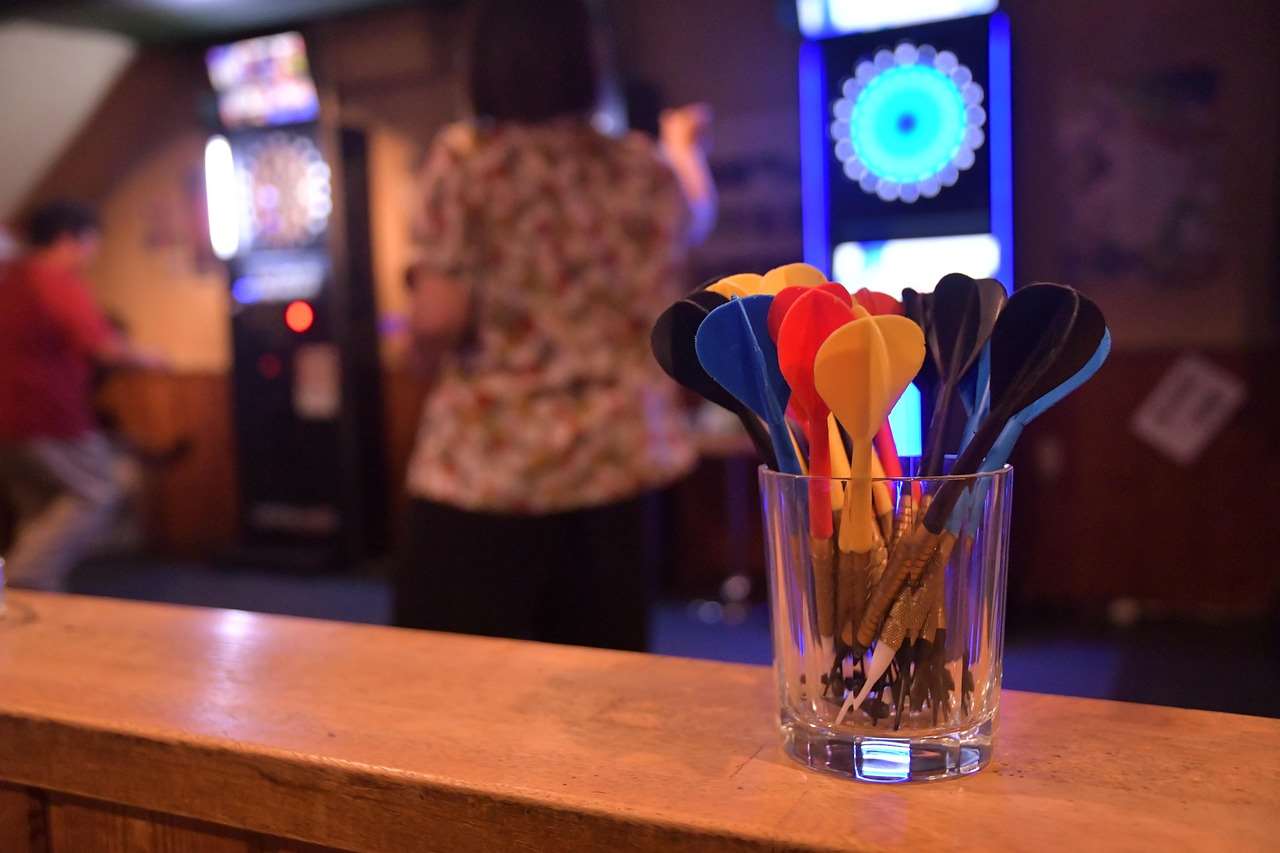
Equipment Maintenance: Flights, Shafts, and Points
Maintaining your darts equipment is crucial for optimal performance. Worn or damaged flights, shafts, or points can negatively affect your accuracy and consistency. Ignoring these factors can lessen the **impact of darts on 180s**.
Flights
Flights are the wings of your darts and play a crucial role in their stability and trajectory. Replace your flights regularly, especially if they become torn, bent, or damaged. Experiment with different flight shapes and sizes to find what works best for your throwing style.
Shafts
Shafts connect the flights to the barrel and influence the dart’s balance and length. Replace your shafts if they become bent, broken, or loose. Experiment with different shaft lengths and materials to find what provides the best feel and performance.
Points
The points are the tips of your darts and are essential for sticking into the dartboard. Sharpen your points regularly to ensure that they grip the board properly and reduce bounce-outs. Replace your points if they become dull or damaged.
Conclusion: Mastering the Art of the 180
Achieving consistent 180s in darts requires a combination of the right equipment, proper technique, mental fortitude, and dedicated practice. By understanding the **impact of darts on 180s** and focusing on the key areas discussed in this article – dart selection, grip, stance, throwing motion, mental approach, practice habits, and equipment maintenance – you can significantly improve your consistency and increase your chances of hitting that perfect score. Remember, consistent effort and a dedication to refining your game are the keys to unlocking your full potential. Now, get back to the oche and start practicing!

Hi, I’m Dieter, and I created Dartcounter (Dartcounterapp.com). My motivation wasn’t being a darts expert – quite the opposite! When I first started playing, I loved the game but found keeping accurate scores and tracking stats difficult and distracting.
I figured I couldn’t be the only one struggling with this. So, I decided to build a solution: an easy-to-use application that everyone, no matter their experience level, could use to manage scoring effortlessly.
My goal for Dartcounter was simple: let the app handle the numbers – the scoring, the averages, the stats, even checkout suggestions – so players could focus purely on their throw and enjoying the game. It began as a way to solve my own beginner’s problem, and I’m thrilled it has grown into a helpful tool for the wider darts community.