The core of 501 darts remains consistent—reducing your score to zero from 501—but its surrounding rules and match formats have evolved over time, impacting the game’s pace, strategy, and overall excitement. This article explores the fascinating history 501 darts variations, examining how subtle rule changes and tournament structures have shaped the game we know today, and uncovering some lesser-known adaptations that offer a fresh twist on this classic pub sport.
⚠️ Still Using Pen & Paper (or a Chalkboard)?! ⚠️
Step into the future! The Dart Counter App handles all the scoring, suggests checkouts, and tracks your stats automatically. It's easier than you think!
Try the Smart Dart Counter App FREE!Ready for an upgrade? Click above!
The Standard 501 Darts Game: A Foundation
Before diving into the history 501 darts variations, it’s crucial to understand the standard game. In 501, each player (or team) starts with a score of 501. The goal is to be the first to reduce that score to exactly zero, with the final dart thrown needing to land in a double or the bullseye (often considered a double 25). Busting – going below zero, or reaching one with an odd number (except for single one) – nullifies the score for that round, and the player must start their next turn from the score they had prior to the busted throw.
This basic framework is the bedrock upon which all 501 variations are built. Understanding the core rules is essential for appreciating how even small tweaks can dramatically alter the gameplay and strategy involved. Mastering the outshot combinations is a key part of any 501 darts player’s skill set.
Early Variations in Checkout Rules
One of the earliest areas where 501 variations appeared was in the “checkout” or finishing rules. While the standard game requires a double to finish, some variations either loosen or tighten this requirement.
- Straight Out: This variation allows a player to finish on any number, including singles, without requiring a double. While it speeds up the game, it removes a layer of strategic complexity.
- Double In/Double Out: This more challenging version requires a player to hit a double *before* they can start scoring. They also need to finish on a double. This significantly increases the difficulty and places a greater emphasis on accuracy and precision, especially with the opening throws.
The “Double In/Double Out” format is often used in professional tournaments to test the players’ all-round darting ability. It’s a real test of skill and nerve. 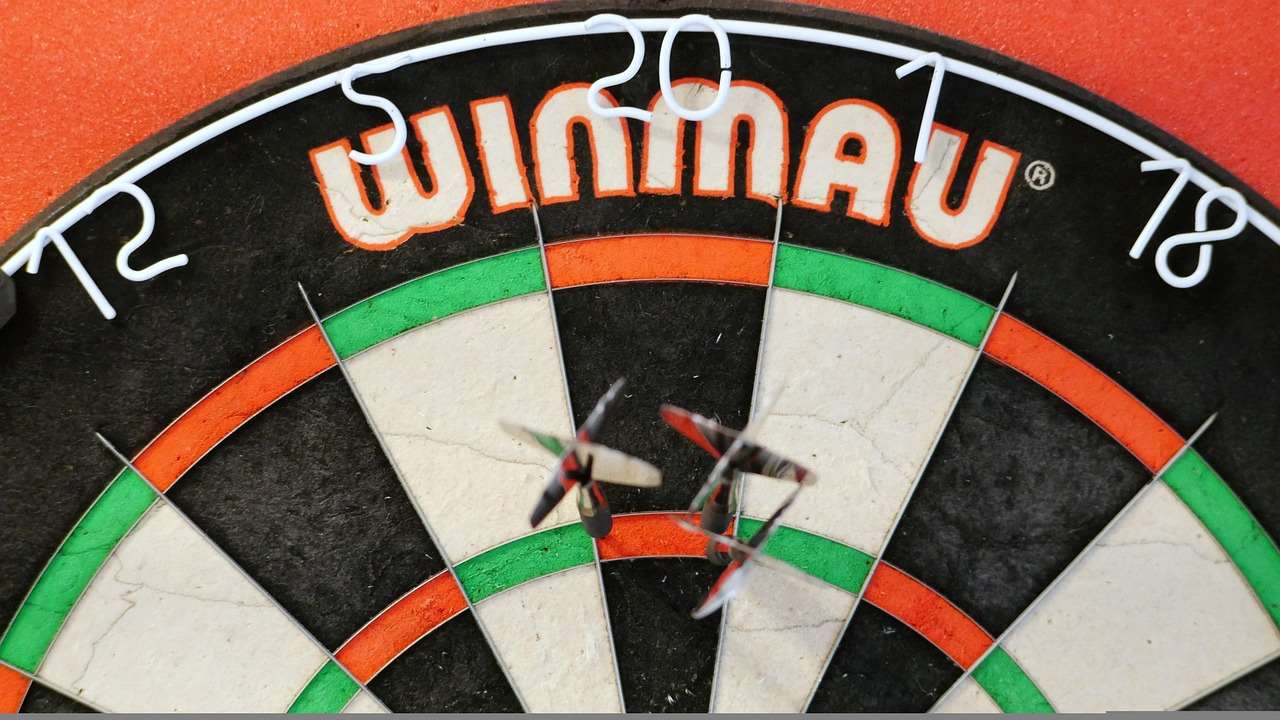
Format Variations: Legs, Sets, and Matches
Beyond the core rules, the format of 501 darts matches can vary greatly. These variations influence the length of a match and the overall strategy employed.
Best of Legs:
A simple format where the first player to win a predetermined number of legs (individual games of 501) wins the match. For example, a “best of 3 legs” match requires a player to win two legs to secure the victory.
Sets and Legs:
A more complex format, commonly used in professional tournaments. Players compete to win sets, and each set consists of a number of legs. For example, a player might need to win three legs to win a set, and then win a certain number of sets to win the match. This adds a layer of strategic depth, as players must manage their performance over a longer period of time. The history of darts games uk has seen many tournaments adopt the sets and legs format.
Match Play:
In match play formats, two players or teams compete head-to-head, earning points (or sometimes just wins) for each leg or set won. This format is common in leagues and team competitions. Darts Variants Fun Games often incorporate different match play formats to keep things interesting.

Team Variations of 501 Darts
501 isn’t solely an individual pursuit; numerous team-based variations exist, adding a social and collaborative dimension to the game. These versions often introduce unique rules or scoring adjustments to accommodate multiple players.
- Pairs 501: Two players team up, taking alternate turns to reduce the score. This requires good communication and coordination.
- Team 501: Larger teams compete, with players either taking turns in sequence or playing individual legs, with the overall result determining the team winner.
- Killer: Although often played with individual scores on the board, ‘Killer’ can easily be adapted to team play. One team selects a number to ‘defend’ and the other tries to knock them off the board by hitting that number twice. The first team to be knocked off loses. It can be fun but a game to enjoy instead of taking super seriously.
Handicap Systems: Leveling the Playing Field
To make 501 darts variations accessible to players of different skill levels, handicap systems are often implemented. These systems aim to level the playing field, giving less experienced players a better chance of competing against more skilled opponents.
Score Adjustments:
One common approach is to adjust the starting score based on skill level. A less experienced player might start with a lower score (e.g., 401 or 301), while a more skilled player starts with the standard 501. 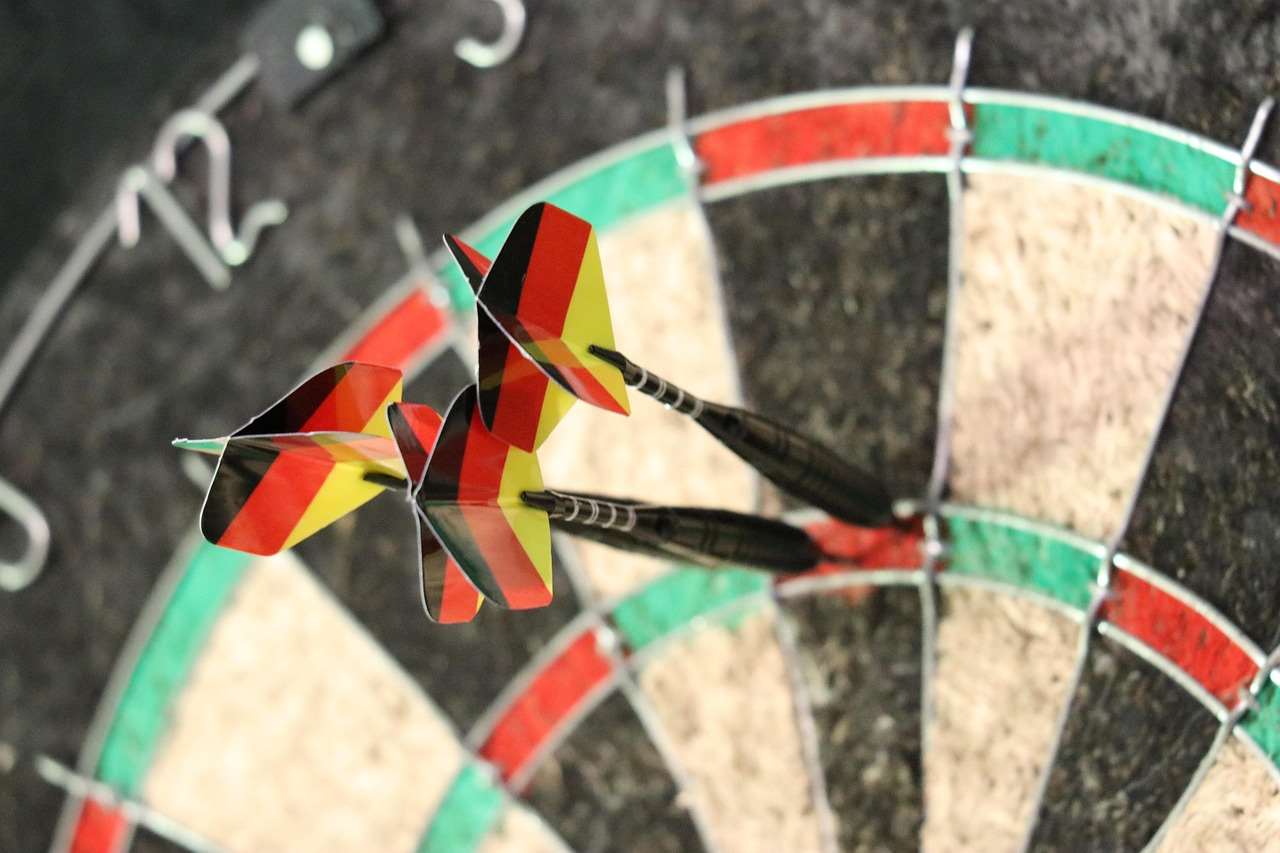
Extra Darts:
Another option is to give less experienced players extra darts per turn. This allows them more opportunities to score and reduce their score towards zero. This kind of system could have been seen within dart games before 501 invented. It’s a more balanced and fairer way to play.
Regional and Pub-Specific Variations
The beauty of 501 darts lies in its adaptability. Over time, regional variations and pub-specific rules have emerged, adding a unique local flavor to the game. These variations are often undocumented and passed down through generations of players.
Some examples include:
- Local Checkout Rules: Certain pubs might have their own unique checkout rules, such as requiring a specific double to finish or allowing a finish on the bullseye even if it results in a score of zero (typically the bullseye counts as double 25 for outshot purposes).
- Modified Scoring: In some regions, the scoring system might be slightly altered, with certain numbers or combinations worth more or fewer points. Forgotten pub dart games often feature obscure scoring rules like this.
These local variations contribute to the rich tapestry of darts history, reflecting the social and cultural context in which the game is played. 
Advanced Strategy Considerations in Different Variations
The optimal strategy for 501 darts can vary significantly depending on the specific rules and format in play. For example, in a “double in/double out” game, players need to prioritize hitting doubles early on, even if it means sacrificing potential high scores on the larger single segments.
In team variations, communication and coordination are key. Players need to discuss their strategy beforehand and adjust their throws based on their teammates’ performance. Darts Variants Fun Games are best when you are well coordinated.
Even seemingly small changes, such as the number of legs or sets in a match, can influence strategy. In a longer match, players might be more conservative early on, conserving their energy and focusing on consistency. In a shorter match, they might be more aggressive, taking risks to gain an early advantage. Obscure dartboard games list can sometimes be seen as strategic due to the need to try something different.
The Future of 501 Darts Variations
The history 501 darts variations is a testament to the game’s enduring appeal and adaptability. As darts continues to evolve, we can expect to see even more variations emerge, driven by innovation and the desire to create new and exciting challenges for players of all skill levels.
With the rise of online darts platforms, the possibilities for creating and experimenting with new variations are virtually limitless. Players can now compete against opponents from around the world, testing their skills in a wide range of different formats and rule sets. This online environment fosters innovation and allows for rapid experimentation, leading to the discovery of new and engaging ways to play 501 darts. Looking back at the historical dart game variations, we see that people have always enjoyed innovating the rules.
Conclusion
From early checkout rule tweaks to regional adaptations and the advent of online play, the history 501 darts variations showcases a game constantly reinventing itself. Whether you prefer the classic double-out finish or enjoy experimenting with handicap systems, exploring these variations offers a deeper appreciation for the strategic depth and enduring appeal of 501 darts. So grab your darts, gather your friends, and discover a new twist on this timeless pub sport! Why not explore ancient dart throwing games for further insight to the variations.

Hi, I’m Dieter, and I created Dartcounter (Dartcounterapp.com). My motivation wasn’t being a darts expert – quite the opposite! When I first started playing, I loved the game but found keeping accurate scores and tracking stats difficult and distracting.
I figured I couldn’t be the only one struggling with this. So, I decided to build a solution: an easy-to-use application that everyone, no matter their experience level, could use to manage scoring effortlessly.
My goal for Dartcounter was simple: let the app handle the numbers – the scoring, the averages, the stats, even checkout suggestions – so players could focus purely on their throw and enjoying the game. It began as a way to solve my own beginner’s problem, and I’m thrilled it has grown into a helpful tool for the wider darts community.