Setting up a darts stage correctly is crucial for a fair and enjoyable game. A proper darts stage set up ensures the right distance, lighting, and overall ambiance. This article will guide you through the process, covering everything from the ideal oche placement to lighting considerations and spectator arrangements.
⚠️ Still Using Pen & Paper (or a Chalkboard)?! ⚠️
Step into the future! The Dart Counter App handles all the scoring, suggests checkouts, and tracks your stats automatically. It's easier than you think!
Try the Smart Dart Counter App FREE!Ready for an upgrade? Click above!
Before diving into the specifics of darts stage setup, let’s address the fundamental aspects. The most crucial element is the placement of the oche, which is the throwing line. The standard distance from the oche to the dartboard is 7 feet 9 1/4 inches (2.37 meters), a measurement that needs to be precise for consistent gameplay. This distance ensures fair play and allows for the right level of skill to be applied to the game. Another important aspect to consider is the dartboard’s height; it needs to be positioned perfectly at 5 feet 8 inches (1.73 meters) from the floor. Achieving the right setup is vital for a professional or even just a friendly game.
Additionally, the lighting plays a crucial role. You’ll want even and sufficient lighting directed at the dartboard, reducing glare and ensuring excellent visibility for both players and spectators. Too much light could create reflections on the board and make it challenging for players to hit the target. Considering these elements of a successful darts stage set up will ensure the game is run smoothly.
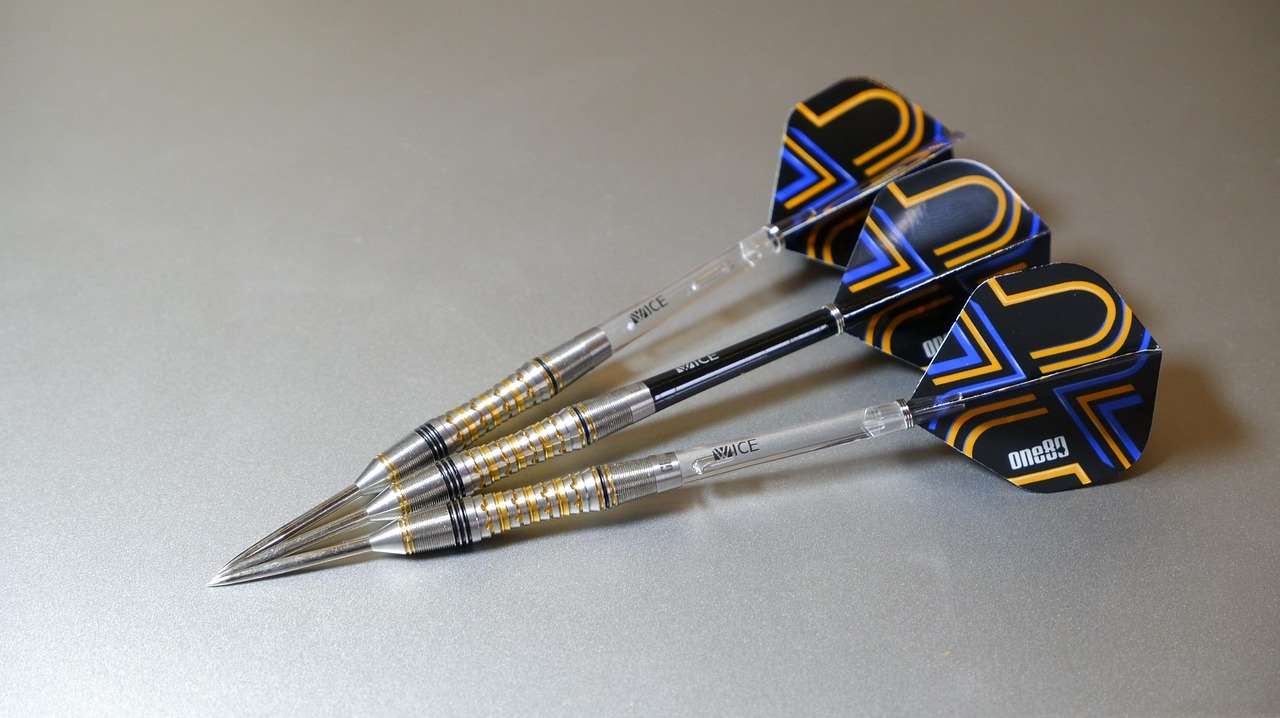
Understanding the Key Elements of Darts Stage Setup
Setting up a darts stage involves more than just placing a dartboard on a wall. It’s about creating an environment that enhances the gameplay experience for both players and spectators. A professional-level darts stage setup considers many aspects, from the physical arrangement to the ambiance of the space. Let’s examine some key elements.
Oche Placement and Measurement
The oche is the most important aspect of a darts stage set up. Precise measurement is essential. Using a measuring tape, accurately mark the oche line 7 feet 9 1/4 inches (2.37 meters) from the center of the dartboard. This distance is standardized for professional and amateur games alike. Inconsistent distances can significantly impact the game’s fairness, favoring players of certain heights or skill levels. Consider using a leveling tool to ensure the oche is perfectly level to the ground.
Dartboard Height and Positioning
The dartboard’s height is equally critical for a proper darts stage set up. It needs to be precisely 5 feet 8 inches (1.73 meters) from the floor to the bullseye. This standardized height ensures fair play and is non-negotiable. Any deviation from this height can make the game inconsistent and unfair. This height may require an adjustment for both the standard height of the board as well as a possible adjustment to the floor height if an uneven floor or platform exists.
Lighting Considerations for Optimal Visibility
Good lighting is paramount for any darts stage setup. You need to prevent glare and shadows on the dartboard that might interfere with a player’s accuracy. A combination of general ambient lighting and focused lighting on the dartboard is generally ideal. Avoid placing lights directly behind the dartboard to prevent the creation of distracting shadows. Consider using LED lights for their energy efficiency and even light distribution. Lighting is a key element of the overall darts stage setup. How darts became popular is partially due to improving the game.
Surrounding Environment and Spectator Area
The surrounding environment greatly influences the game’s atmosphere. Ensure adequate space for players and spectators, with enough room for movement around the stage without disrupting the game. Minimize distractions in the immediate vicinity of the darts stage set up. A comfortable and well-organized spectator area encourages a positive viewing experience. You can add seating or standing room depending on expected attendance. Consider soundproofing if noise from outside the venue could disrupt the players.
Stage Materials and Construction
Consider the materials used for the stage area, such as flooring and wall coverings. Flooring should be stable and non-slippery, ensuring players’ safety. The wall behind the dartboard should be sturdy and able to withstand repeated dart impacts. A professional darts stage set up often incorporates soundproofing materials to minimize external noise. This is especially important during televised matches or tournaments. The aesthetic of the darts stage setup should be carefully considered.
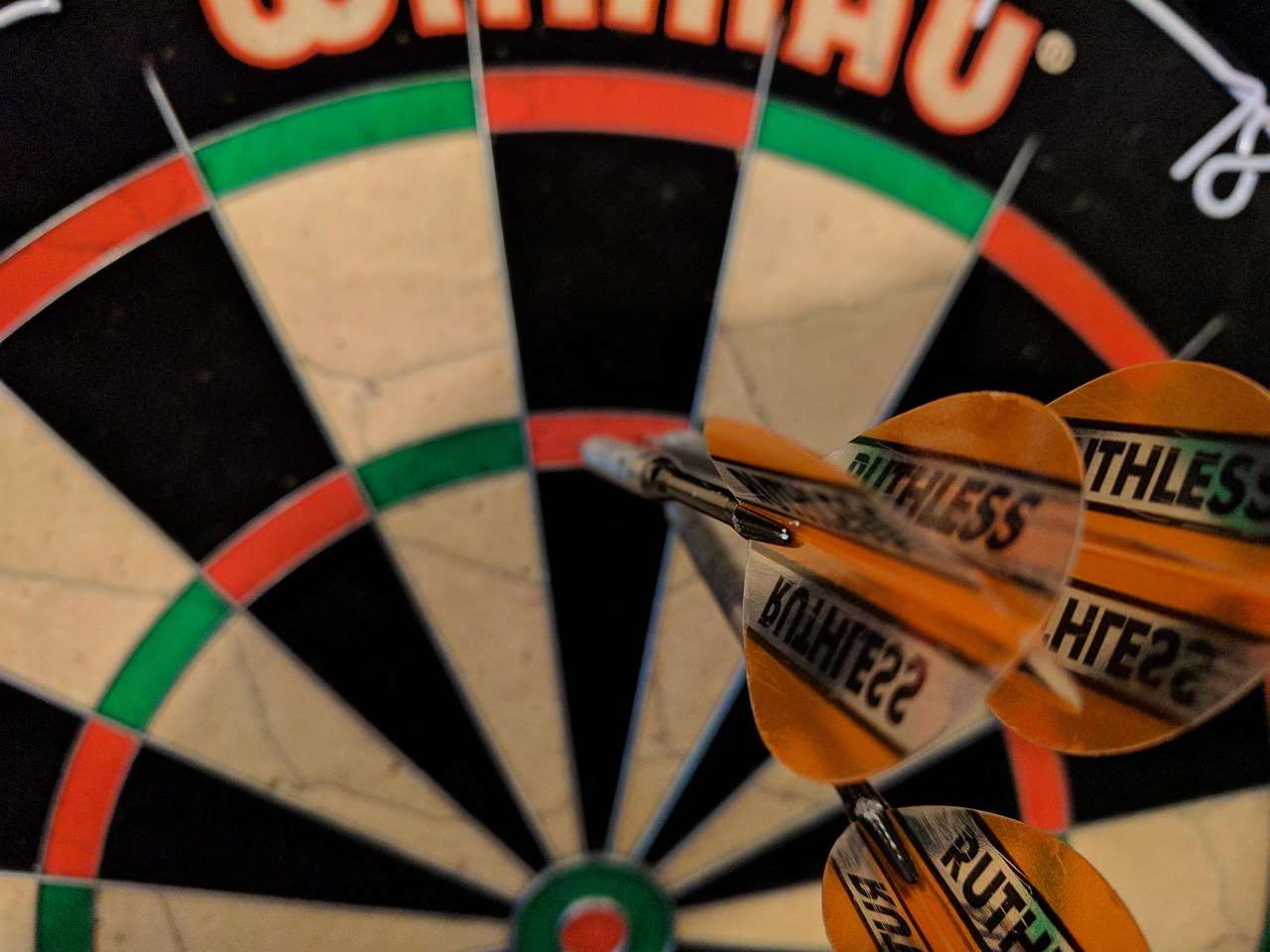
Setting up a Darts Stage for Different Events
The darts stage set up will vary depending on the type of event. A small, casual gathering requires a much simpler setup than a large professional tournament. Here’s a breakdown for different scenarios:
Home Setup: Casual Games
For home games, a basic darts stage setup is sufficient. Ensure the dartboard is hung correctly and the oche is accurately measured. Adequate lighting and a clear space around the dartboard are essential. You might simply need an appropriately sized wall in your game room. Even a simple setup can yield many hours of casual play.
Pub or Bar Setup: Regular Play
Pubs and bars hosting regular dart games should have a dedicated space with professional-grade darts stage setup, including proper lighting, flooring, and a clear spectator area. This might involve securing a section of the premises exclusively for darts, and perhaps adding sound dampening materials to control noise levels, especially during busy periods. This professional darts stage setup will make a big difference to the pub’s atmosphere.
Professional Tournament Setup: Large-Scale Events
Professional tournaments require a much more elaborate darts stage setup. This includes a raised stage, professional-quality lighting and sound systems, large screens for live viewing, and seating for many spectators. The design and materials need to reflect the professional level of the event, enhancing the players’ experience and creating a lively and engaging atmosphere for the spectators. The darts stage set up should also incorporate dedicated areas for commentators and broadcasting equipment.
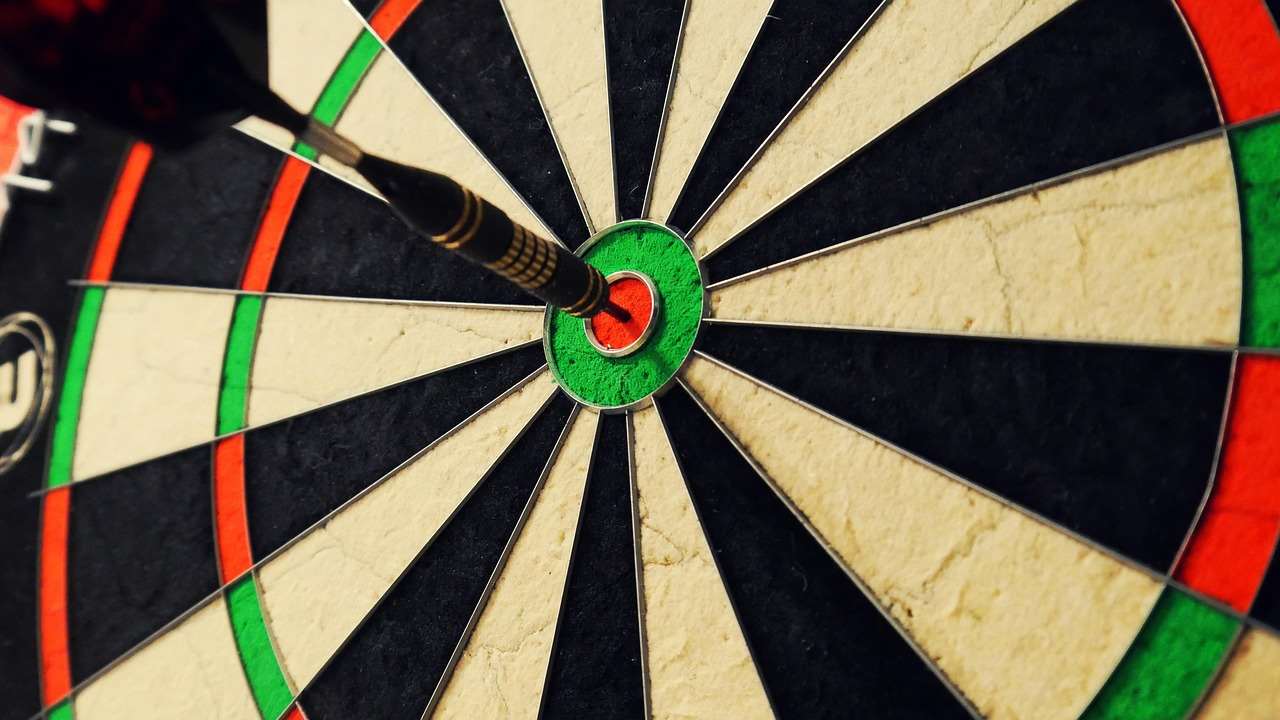
Essential Equipment for a Successful Darts Stage Setup
Beyond the dartboard and oche, you’ll need additional equipment to make your darts stage setup more convenient and functional. Consider investing in the following:
- Measuring Tape: For precise oche placement and dartboard height verification.
- Level: To ensure the dartboard and oche are perfectly level.
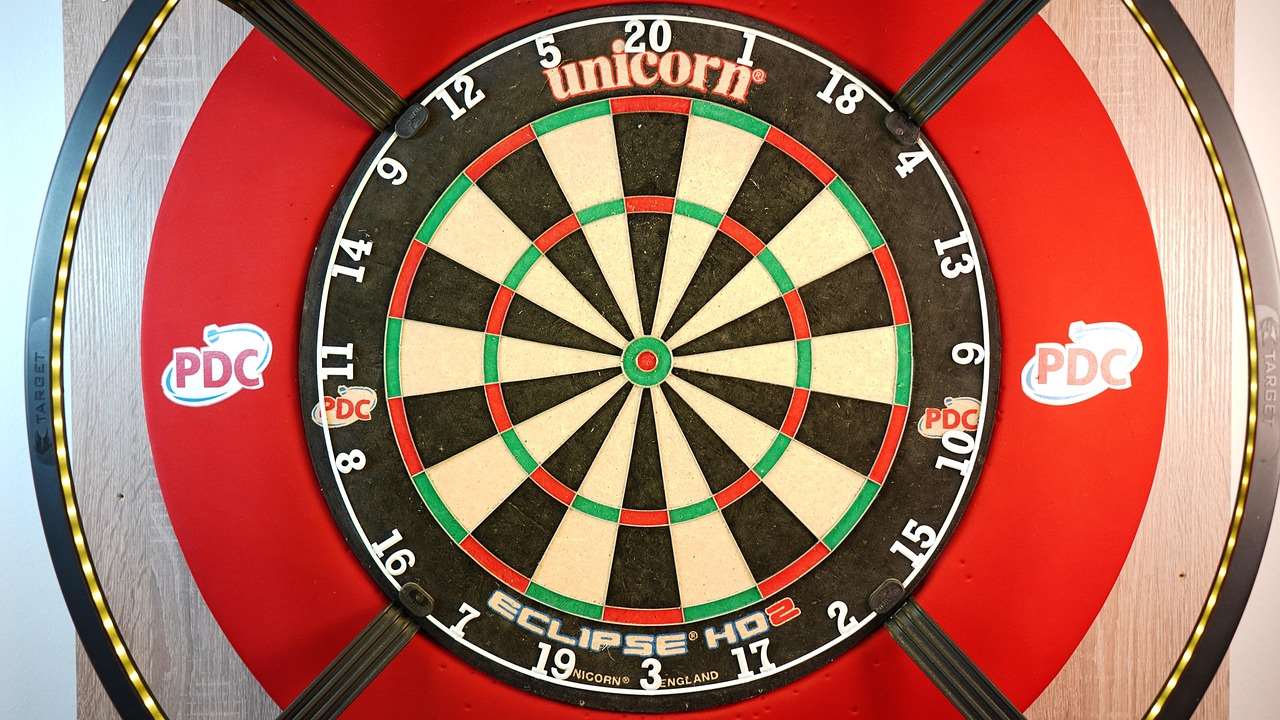
- Dartboard Surround: Protects your walls from dart impacts.
- Good Quality Lighting: Ensures clear visibility for both players and spectators.
- Scoreboard: Makes keeping score significantly easier.
- Electronic Scoreboard: A more efficient alternative to manual scorekeeping. For a more advanced game, consider using a Darts Scoreboard App.
Choosing quality equipment ensures the longevity of your darts stage setup and enhances the overall game experience. A well-equipped setup is essential for a fair and enjoyable game. Consider carefully choosing your equipment to build a quality setup that allows players to concentrate on their game. This professional darts stage setup will improve game play significantly.
Troubleshooting Common Darts Stage Setup Issues
Even with careful planning, you might encounter some problems during your darts stage set up. Here are some common issues and how to solve them:
- Uneven Floor: Use a level to identify unevenness and adjust the dartboard and oche accordingly.
- Poor Lighting: Experiment with different lighting positions and intensities to optimize visibility.
- Inaccurate Measurements: Double-check your measurements to ensure accuracy.
- Insufficient Space: Rearrange the setup to create more room for players and spectators.
- Distractions: Minimize distractions in the area surrounding the darts stage setup.
Addressing these issues proactively ensures a smooth and enjoyable game. Addressing these issues promptly is key to keeping the darts stage setup effective. Darts throws can be improved by ensuring a proper setup.
Conclusion
Setting up a darts stage correctly involves more than just hanging a dartboard. A well-executed darts stage set up, considering oche placement, dartboard height, lighting, and the overall environment, significantly impacts the game’s fairness and enjoyment. Whether setting up for a casual home game or a professional tournament, attention to detail ensures a positive experience for all involved. By following the guidelines in this guide, you can create a fantastic setting for your darts game, improving both the experience and the quality of play. Remember to always prioritize accuracy in your measurements and optimize lighting for optimal visibility. Darts biggest tournaments often showcase a perfect darts stage setup to get inspiration from. So, grab your tools and build the perfect stage for your darts games!

Hi, I’m Dieter, and I created Dartcounter (Dartcounterapp.com). My motivation wasn’t being a darts expert – quite the opposite! When I first started playing, I loved the game but found keeping accurate scores and tracking stats difficult and distracting.
I figured I couldn’t be the only one struggling with this. So, I decided to build a solution: an easy-to-use application that everyone, no matter their experience level, could use to manage scoring effortlessly.
My goal for Dartcounter was simple: let the app handle the numbers – the scoring, the averages, the stats, even checkout suggestions – so players could focus purely on their throw and enjoying the game. It began as a way to solve my own beginner’s problem, and I’m thrilled it has grown into a helpful tool for the wider darts community.