Mastering the perfect dart throw hinges on consistent technique and dedicated practice; this guide provides actionable strategies to refine your darts throws, leading to improved accuracy and higher scores. You’ll learn about stance, grip, arm action, follow-through, and crucial practice drills to elevate your game.
⚠️ Still Using Pen & Paper (or a Chalkboard)?! ⚠️
Step into the future! The Dart Counter App handles all the scoring, suggests checkouts, and tracks your stats automatically. It's easier than you think!
Try the Smart Dart Counter App FREE!Ready for an upgrade? Click above!
The Foundation of Consistent Darts Throws: Stance and Balance
Your stance is the bedrock of consistent darts throws. A stable and balanced posture allows for repeatable motions, which are vital for accuracy. There are generally three types of stances: the front-on stance, the side-on stance, and the angled stance. Experiment to find what feels most natural and comfortable for you.
- Front-on Stance: You face the dartboard directly. This stance can sometimes limit your range of motion but offers a direct line of sight.
- Side-on Stance: You stand perpendicular to the dartboard. This stance allows for a wider range of motion and a smooth swing.
- Angled Stance: A compromise between the two, offering a balance of both sight and motion.
Regardless of your chosen stance, ensure your weight is evenly distributed between both feet. Avoid leaning too far forward or backward, as this can throw off your balance and impact your throwing accuracy. Think of your body as a tripod – stable and grounded.
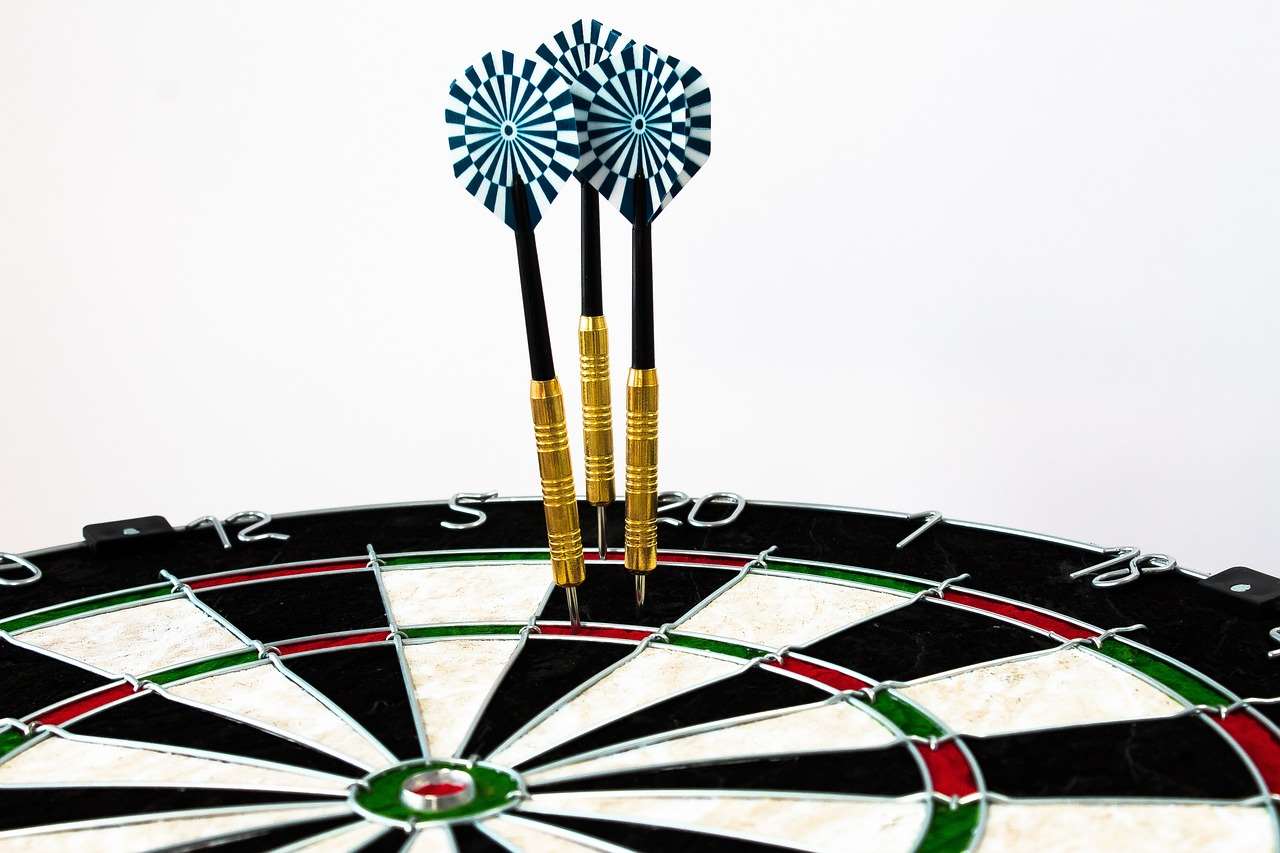
Finding Your Center of Gravity
Understanding your center of gravity is crucial for maintaining balance throughout your darts throws. A simple exercise is to stand in your preferred stance and gently sway forward, backward, and side to side. Pay attention to how your weight shifts and adjust your posture until you feel the most stable. This “sweet spot” is where your center of gravity should be during your throw.
Consider wearing comfortable shoes with good support to further enhance your stability. Avoid shoes with thick soles or high heels, as they can make it harder to maintain balance.
The Grip: Optimizing Control for Accurate Darts Throws
The grip is your direct connection to the dart and significantly impacts the trajectory of your darts throws. There is no single “correct” grip; it’s about finding what feels most comfortable and provides the best control for *you*. Experiment with different grips to discover what works best. Some common grips include:
- The Two-Finger Grip: This involves holding the dart primarily between your thumb and forefinger.
- The Three-Finger Grip: Adding a middle finger for extra stability.
- The Four-Finger Grip: Utilizing all four fingers for maximum control.
Regardless of the number of fingers you use, the key is to avoid gripping the dart too tightly. A death grip will tense your muscles and hinder your ability to throw smoothly. Instead, aim for a relaxed grip that allows the dart to release naturally. It can be helpful to check out darts without board for some practice drills.
Pressure Points and Release
The pressure points in your grip are where you exert the most force on the dart. Identifying and controlling these points is crucial for consistent darts throws. Typically, the pressure is concentrated between your thumb and forefinger, with the other fingers providing support. Experiment with adjusting the pressure to see how it affects the dart’s flight.
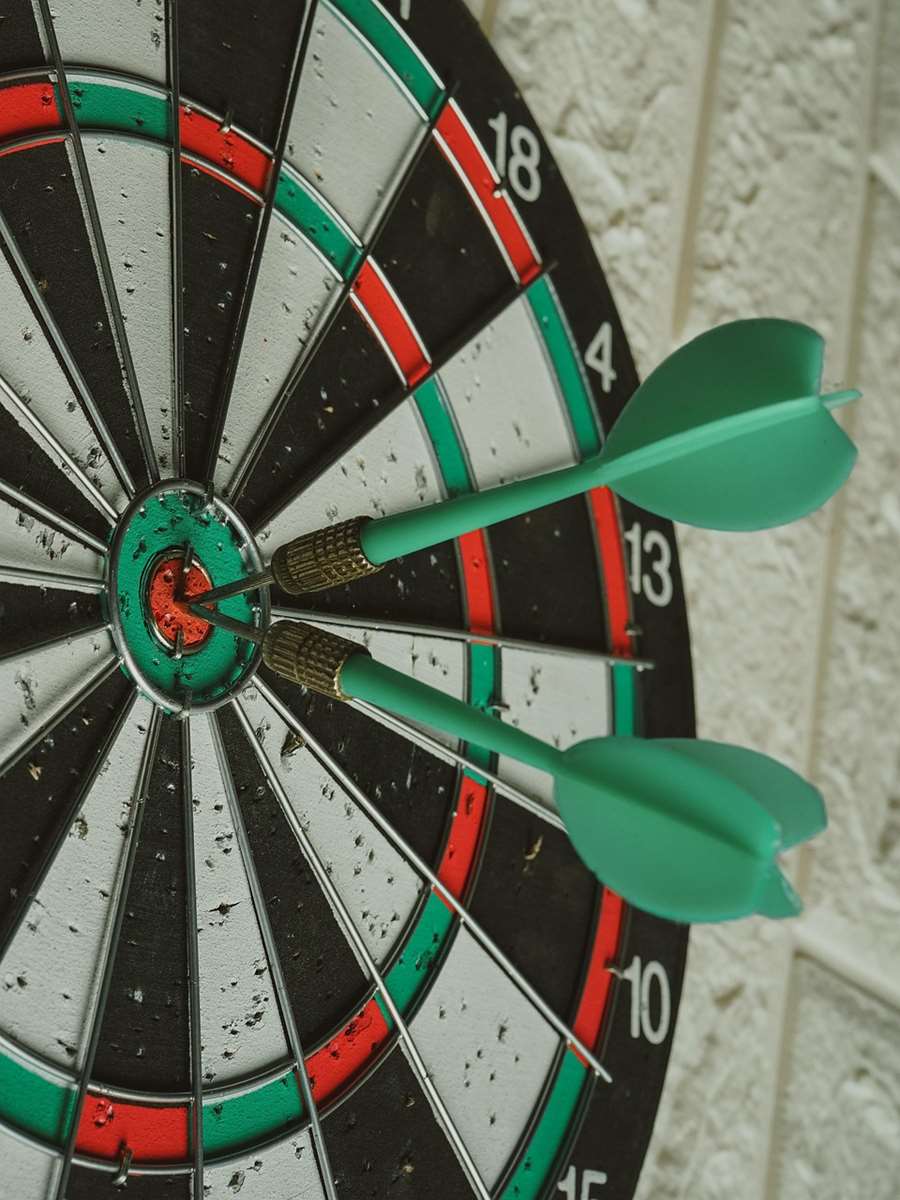
A clean release is just as important as the grip itself. Avoid snatching or jerking the dart as you release it. Instead, aim for a smooth, fluid motion that allows the dart to leave your hand naturally. Practice releasing the dart at different speeds and angles to find the optimal release point for your darts throws.
The Arm Action: The Engine of Your Darts Throws
The arm action is the engine that powers your darts throws. It’s essential to develop a smooth and repeatable motion that generates consistent power and accuracy. The arm action can be broken down into several phases:
- The Setup: Bringing the dart back into your aiming position.
- The Draw: Pulling the dart back towards your face.
- The Forward Swing: Accelerating the dart towards the target.
- The Release: Releasing the dart at the optimal point.
The key to a good arm action is to keep your elbow as still as possible throughout the throw. Your upper arm should remain relatively stationary, with the majority of the motion coming from your forearm. This helps to minimize extraneous movements and promotes consistency in your darts throws. It might be interesting to compare this to the information found regarding darts scorer voice apps; consistency is key in both throwing and scorekeeping.
Developing a Smooth and Repeatable Motion
Developing a smooth and repeatable arm action takes time and practice. Start by focusing on the basic mechanics, ensuring your elbow remains stable and your forearm is doing the work. As you become more comfortable, you can gradually increase the speed and power of your throw. Use a Dart Counter App to keep track of your progress and analyze your throws. Focus on repeating the same motion every time to improve consistency and accuracy.
Consider recording yourself throwing darts to identify any flaws in your arm action. This can help you pinpoint areas for improvement and make adjustments to your technique. Look for any unnecessary movements or inconsistencies in your throw.
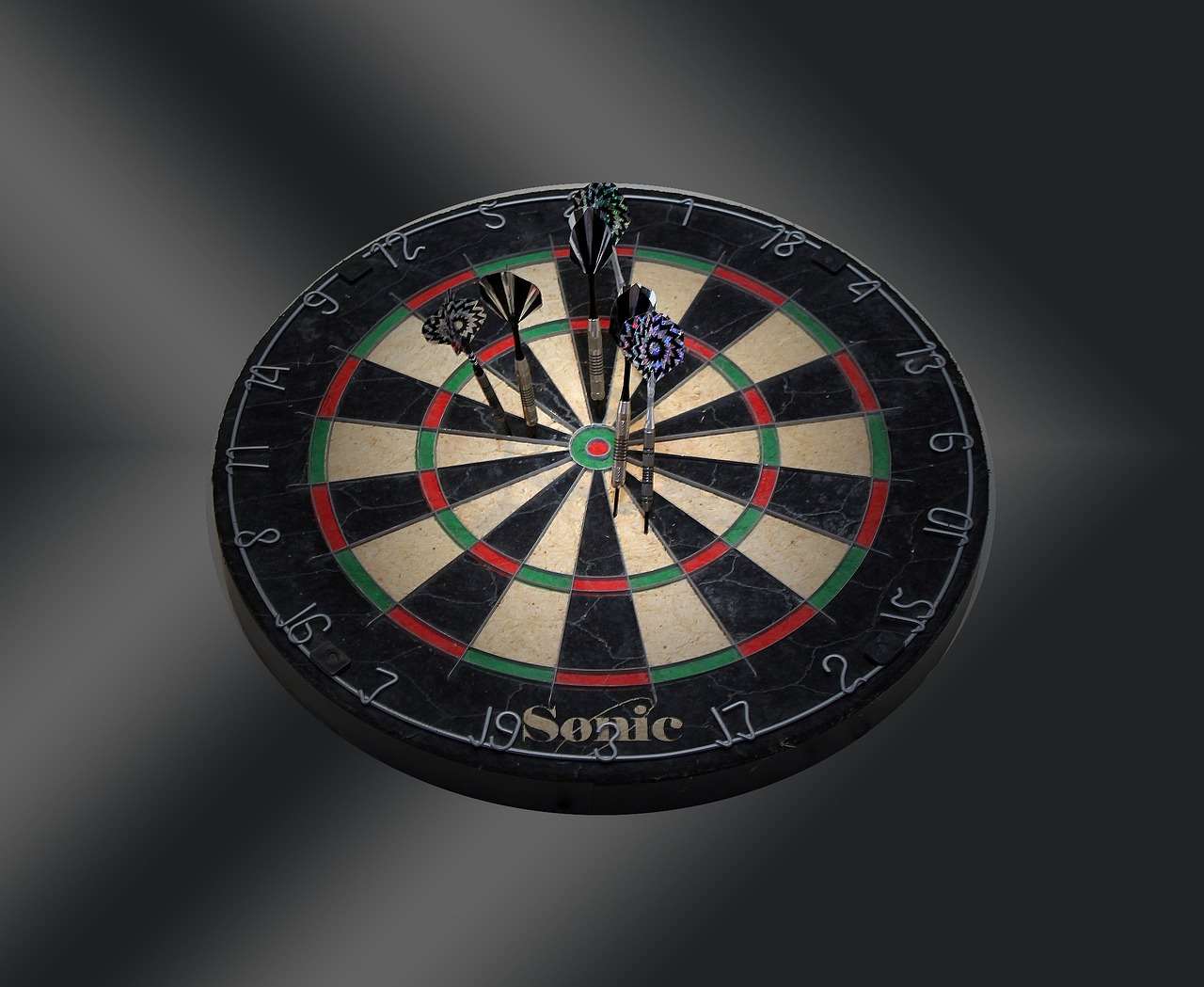
The Follow-Through: Completing the Motion for Improved Darts Throws
The follow-through is often overlooked, but it’s a crucial component of consistent darts throws. A proper follow-through ensures that you complete the throwing motion and maintain your alignment with the target. A good follow-through also indicates that you have committed fully to your shot and aren’t holding back.
Your follow-through should involve extending your arm fully towards the target after releasing the dart. Keep your eyes focused on the board throughout the follow-through, and avoid dropping your arm prematurely. Imagine that you are pointing at the target after the dart has left your hand.
The Importance of Visualizing the Target
Visualizing the target is an important aspect of the follow-through. Before each throw, take a moment to focus on the specific area of the board you are aiming for. Visualize the dart hitting the target and maintain that image in your mind throughout the throw and follow-through. This mental imagery can help to improve your accuracy and focus. You might even find a deal for bullseye darts australia discount code.
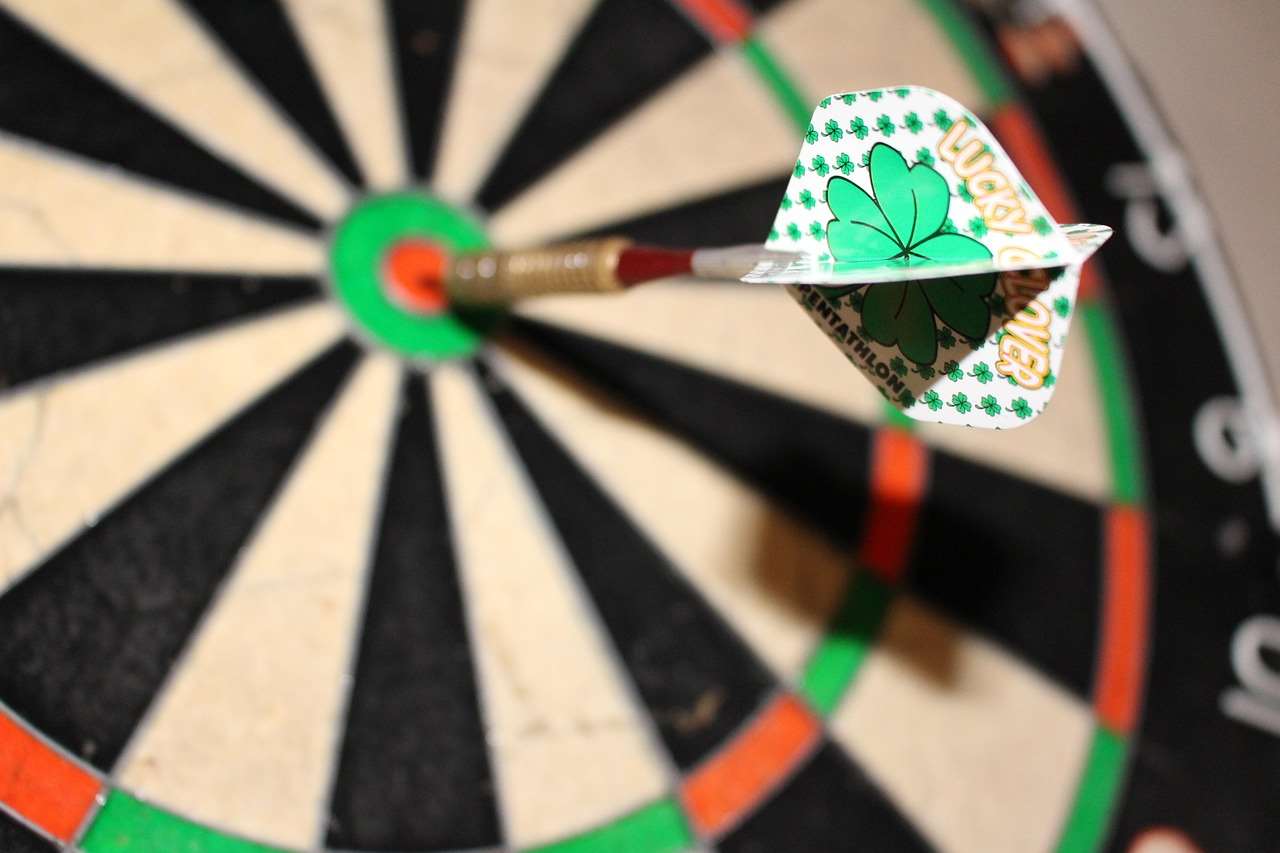
A consistent follow-through helps to reinforce the correct muscle memory and promotes a smooth, fluid throwing motion. Practice your follow-through even when you’re not throwing darts. Simply stand in your stance and mimic the throwing motion, focusing on extending your arm fully towards the target.
Practice Drills to Hone Your Darts Throws
Consistent practice is essential for improving your darts throws. Dedicate time to practice regularly, even if it’s just for a few minutes each day. Here are some effective practice drills to help you hone your skills:
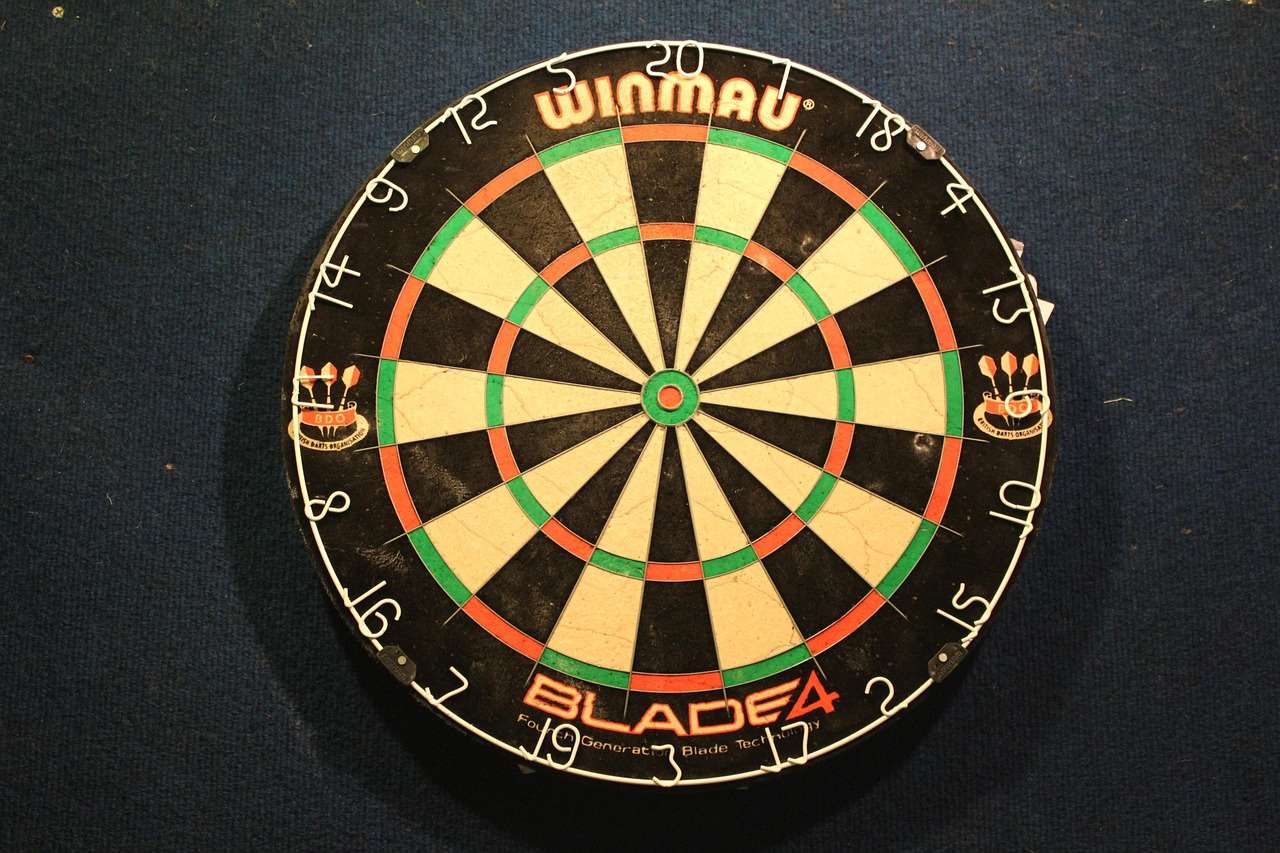
- The Around the Clock Drill: Start by aiming for the 20 segment. Then, move sequentially around the board, aiming for each number in order (1, 18, 4, 13, etc.). This drill helps to improve your accuracy and consistency across the entire board.
- The Doubles Drill: Focus on hitting doubles. Choose a specific double and throw multiple darts at it until you hit it consistently. This drill is particularly useful for improving your finishing skills.
- The Trebles Drill: Similar to the doubles drill, but focusing on hitting trebles. This drill helps to improve your scoring power.
Remember to focus on quality over quantity during your practice sessions. It’s better to throw a few darts with focused concentration than to throw many darts haphazardly. Pay attention to your technique and make adjustments as needed.
Tracking Your Progress and Setting Goals
Tracking your progress is a great way to stay motivated and identify areas for improvement. Keep a record of your scores and analyze your performance over time. Set realistic goals for yourself and celebrate your achievements along the way. Check out darts upcoming matches for inspiration.
Don’t be afraid to experiment with different techniques and strategies to find what works best for you. Darts is a personal game, and what works for one person may not work for another. The key is to stay patient, persistent, and enjoy the process of learning and improving your darts throws.
Common Mistakes to Avoid in Your Darts Throws
Even with dedicated practice, common mistakes can hinder your progress. Recognizing and correcting these errors is crucial for maximizing your potential. Here are some common pitfalls to avoid:
- Gripping the Dart Too Tightly: A tense grip restricts your motion and reduces accuracy.
- Inconsistent Stance: A wavering stance throws off your balance and makes it difficult to repeat your throw.
- Jerky Arm Action: A jerky or uneven arm action introduces inconsistencies into your throw.
- Ignoring the Follow-Through: Cutting your follow-through short reduces accuracy and prevents you from fully committing to the throw.
Be mindful of these common mistakes and actively work to correct them. Ask a friend to observe your throws and provide feedback, or record yourself throwing darts to identify any flaws in your technique. Stay focused on maintaining proper form and avoid falling back into bad habits.
Conclusion: Mastering Your Darts Throws
Improving your darts throws is a journey that requires patience, dedication, and a willingness to learn. By focusing on your stance, grip, arm action, and follow-through, and consistently practicing with effective drills, you can significantly enhance your accuracy and elevate your game. Remember to avoid common mistakes and stay focused on maintaining proper form.
So, pick up your darts, implement these techniques, and start practicing! With consistent effort, you’ll be hitting those bullseyes in no time. Want to track your progress and find tips? Download our Dart Counter App today!

Hi, I’m Dieter, and I created Dartcounter (Dartcounterapp.com). My motivation wasn’t being a darts expert – quite the opposite! When I first started playing, I loved the game but found keeping accurate scores and tracking stats difficult and distracting.
I figured I couldn’t be the only one struggling with this. So, I decided to build a solution: an easy-to-use application that everyone, no matter their experience level, could use to manage scoring effortlessly.
My goal for Dartcounter was simple: let the app handle the numbers – the scoring, the averages, the stats, even checkout suggestions – so players could focus purely on their throw and enjoying the game. It began as a way to solve my own beginner’s problem, and I’m thrilled it has grown into a helpful tool for the wider darts community.