Ever wondered what players and commentators mean when they rattle off seemingly random words during a darts match? These are the colorful **darts score names**, nicknames given to specific scores or combinations on the board. This article will decode these names, exploring their origins, variations, and the stories behind them, helping you become a more informed and engaged darts fan.
⚠️ Still Using Pen & Paper (or a Chalkboard)?! ⚠️
Step into the future! The Dart Counter App handles all the scoring, suggests checkouts, and tracks your stats automatically. It's easier than you think!
Try the Smart Dart Counter App FREE!Ready for an upgrade? Click above!
Decoding Darts Score Names: A Comprehensive Guide
The world of darts is steeped in tradition and colorful lingo, and perhaps nowhere is this more evident than in the quirky and often humorous **darts score names** that players and fans alike use to describe different scores on the board. These names, ranging from the straightforward to the downright bizarre, add a layer of personality and fun to the game. Knowing them isn’t just about sounding knowledgeable; it enhances your appreciation for the rich history and culture of darts.
From the iconic “ton” (100) to the more obscure “bed and breakfast” (26), understanding these terms can significantly improve your enjoyment of the sport. Whether you’re a seasoned player or just starting to follow the professional circuit, this guide will provide you with a comprehensive overview of the most common and intriguing **darts score names** used today.
Popular and Essential Darts Score Names
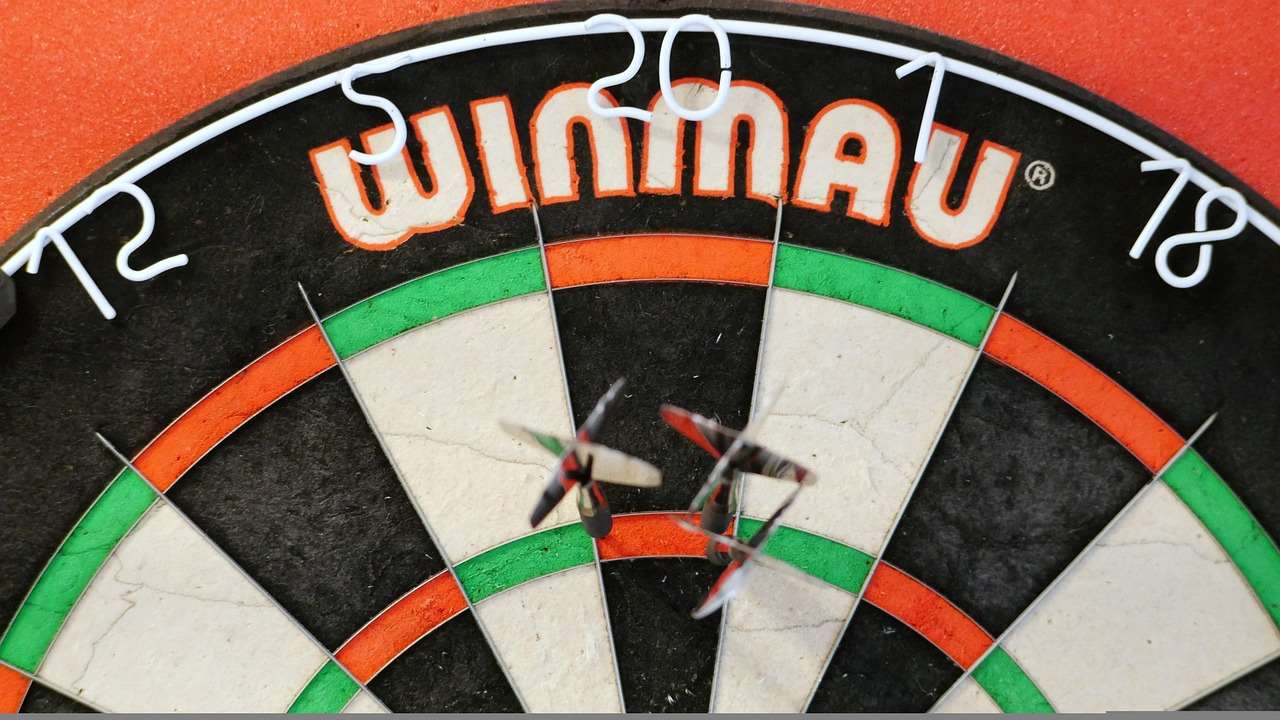
Let’s dive into some of the most frequently heard **darts score names**. These are the terms you’re most likely to encounter while watching matches or playing with friends.
- Ton (100): Perhaps the most recognizable of all **darts score names**, a “ton” simply means a score of 100. It’s a milestone score, often greeted with applause and cheers.
- Ton 40 (140): Scoring 140 with three darts is often called a “one-forty”. This is typically achieved by hitting two treble 20s and a single 20.
- Ton 80 (180): The ultimate score in darts, 180 is achieved by hitting three treble 20s. It’s the maximum possible score with three darts and is usually met with enthusiastic roars from the crowd. You can find useful information about the best techniques and training to achieve this by searching for darts bullseye training.
- Double Top (40): This refers to hitting the double 20, which scores 40. It’s a crucial shot, particularly when finishing a leg.
Beyond these common scores, there are many other **darts score names** that are less frequently used but still add to the game’s rich tapestry.
More Obscure and Humorous Darts Score Names
Here’s where the real fun begins! Many **darts score names** have quirky origins and add a touch of humor to the game.
- Bed and Breakfast (26): This refers to a score of 26, achieved by hitting a single 20, a single 5, and a single 1. It’s called “bed and breakfast” because 26 used to be a common price for a night’s lodging with breakfast.
- Dolly Parton (51): A score of 51 (or the number itself) is known as “Dolly Parton,” a play on words as it is “51” and “two big ones.”
- Bullseye (50): Scoring a bullseye is a score of 50 points.
- Mad House (1): A player needing double one to win the match is said to be in the “mad house”, as often, the pressure will cause them to miss.
- One Dart Out (2): When a player needs to finish on double one, they have “one dart out”.
These are just a few examples of the many creative **darts score names** that exist. The specific names used can vary depending on the region and the players involved. It’s just like using a darts scorer for mac, it all depends on what’s most convenient and enjoyable.
The Origins of Darts Score Names
The origins of many **darts score names** are shrouded in mystery, but some have clear explanations. Some arose from simple rhymes, while others came from historical events or even inside jokes among players.
For example, the term “ton” for 100 is believed to have originated from the Old English word “tun,” which referred to a large barrel of beer. Scoring 100 was considered a significant achievement, worthy of celebration, much like finishing a “tun” of beer.
Other **darts score names** like “bed and breakfast” draw upon cultural references. Understanding these origins can add another layer of appreciation to the game and its traditions.
Using Darts Score Names in Conversation
Incorporating **darts score names** into your own commentary or conversations about darts can make you sound more knowledgeable and engaged. Here are a few tips:
- Start with the basics: Master the most common names like “ton,” “ton 40,” and “ton 80” before moving on to more obscure terms.
- Listen to the pros: Pay attention to how professional commentators use these names during matches. This is a great way to learn the proper context and pronunciation.
- Don’t force it: Use the names naturally and appropriately. Overusing them can sound forced or pretentious.
Remember, the goal is to enhance your enjoyment of the game and connect with other darts enthusiasts. Speaking of connecting, why not check out Practice darts app with scoring today?
The Evolution of Darts Terminology
Like any language, the terminology of darts is constantly evolving. New **darts score names** may emerge over time, while others may fall out of favor. The rise of online darts and social media has also played a role in spreading and popularizing certain terms.
Staying up-to-date with the latest trends in darts terminology can help you remain a knowledgeable and engaged fan. Consider following darts news websites, online forums, and social media accounts dedicated to the sport.
Advanced Darts Strategies and Score Management
Beyond knowing **darts score names**, understanding advanced strategies and score management is crucial for improving your game. This includes knowing which numbers to target in order to set up optimal finishes and avoid leaving yourself in difficult positions.
For example, aiming for treble 19 instead of treble 20 can be a strategic move in certain situations, as it leaves you with more options for finishing if you miss the treble. Mastering these subtle nuances of the game can significantly improve your chances of success. Just as important is having a darts scoreboard sale to keep track of those tricky scores.
Darts Score Names in Different Regions
It’s important to note that some **darts score names** can vary depending on the region or country where the game is played. For example, a term that’s commonly used in the UK may not be as familiar to players in the United States or Australia. This regional variation adds another layer of complexity and interest to the game.
When traveling or interacting with players from different regions, be prepared to encounter unfamiliar terminology. Don’t be afraid to ask for clarification if you’re unsure of the meaning of a particular name.
Learning the Lingo: A Fun Challenge
Learning the various **darts score names** can be a fun and rewarding challenge. It’s a great way to deepen your appreciation for the game and connect with other darts enthusiasts. Consider creating a flashcard deck or using online resources to help you memorize the different terms.
You can also challenge your friends and family to trivia games to test their knowledge of **darts score names**. This can be a fun and engaging way to learn together and improve your overall understanding of the sport.
Beyond the Numbers: The Community of Darts
While knowing **darts score names** and strategies is important, it’s also crucial to remember that darts is a social game. The camaraderie and sense of community among players are just as important as the scores themselves. Whether you’re playing in a local pub league or competing in a professional tournament, the connections you make with other players can be incredibly rewarding.
So, embrace the social aspects of the game, learn the lingo, and enjoy the journey. Darts is more than just a game; it’s a community.
Resources for Learning More About Darts
There are numerous resources available for those looking to learn more about darts, including books, websites, and online forums. Here are a few recommendations:
- Professional Darts Corporation (PDC) website: The official website of the PDC offers news, scores, and information about upcoming events.
- Online darts forums: Online forums are a great place to connect with other darts enthusiasts, ask questions, and share your experiences.
- Darts tutorial videos: YouTube and other video platforms offer a wealth of instructional videos covering various aspects of the game, from basic techniques to advanced strategies.
Exploring these resources can help you deepen your knowledge of the sport and improve your game. You might even find the darts guy who can give you some personalized advice.
The Future of Darts and its Terminology
As darts continues to grow in popularity, it’s likely that the terminology of the game will continue to evolve. New **darts score names** may emerge, and existing terms may take on new meanings. The influence of social media and online gaming will likely play a significant role in shaping the future of darts terminology.
Staying abreast of these changes will help you remain a knowledgeable and engaged fan of the sport. Embrace the evolution of the game and continue to learn and grow alongside it.
Conclusion
Understanding **darts score names** is a fantastic way to deepen your appreciation for the game and its vibrant culture. From the simple “ton” to the more humorous “bed and breakfast,” these terms add a layer of fun and personality to the sport. By mastering these names and understanding their origins, you can become a more knowledgeable and engaged darts fan. So, next time you’re watching a match, listen closely for these colorful terms and impress your friends with your newfound knowledge. Now, go out there, practice your aim, learn more about the pl darts points system, and embrace the wonderful world of darts!

Hi, I’m Dieter, and I created Dartcounter (Dartcounterapp.com). My motivation wasn’t being a darts expert – quite the opposite! When I first started playing, I loved the game but found keeping accurate scores and tracking stats difficult and distracting.
I figured I couldn’t be the only one struggling with this. So, I decided to build a solution: an easy-to-use application that everyone, no matter their experience level, could use to manage scoring effortlessly.
My goal for Dartcounter was simple: let the app handle the numbers – the scoring, the averages, the stats, even checkout suggestions – so players could focus purely on their throw and enjoying the game. It began as a way to solve my own beginner’s problem, and I’m thrilled it has grown into a helpful tool for the wider darts community.