Achieving a darts 180, the highest possible score in a single visit to the oche, is the ultimate goal for many darts players. This article provides a comprehensive guide to understanding what a darts 180 entails, the techniques to improve your scoring, and the mental game necessary to consistently hit those treble 20s. We’ll cover everything from stance and grip to practice routines and equipment choices to help you on your journey to scoring maximums.
⚠️ Still Using Pen & Paper (or a Chalkboard)?! ⚠️
Step into the future! The Dart Counter App handles all the scoring, suggests checkouts, and tracks your stats automatically. It's easier than you think!
Try the Smart Dart Counter App FREE!Ready for an upgrade? Click above!
Understanding the Allure of Darts 180
The darts 180 is more than just a score; it’s a statement. It signifies precision, control, and mental fortitude under pressure. For professional players, hitting a darts 180 can shift the momentum of a match and ignite the crowd. For amateur players, it’s a moment of pure elation, a testament to hours of practice and dedication. Understanding the significance of a darts 180 fuels the drive to improve. Many players wonder what’s the starting point in darts to begin their journey.
Beyond the bragging rights, consistently hitting high scores like a darts 180 drastically improves your chances of winning. It reduces the number of darts required to finish a leg, putting pressure on your opponent and minimizing the opportunity for errors. The ability to reliably score big is the cornerstone of successful darts play.
Essential Techniques for Maximizing Your Score
Several key techniques contribute to improving your chances of achieving a darts 180. These aren’t overnight fixes, but consistent practice incorporating these principles will yield significant results.
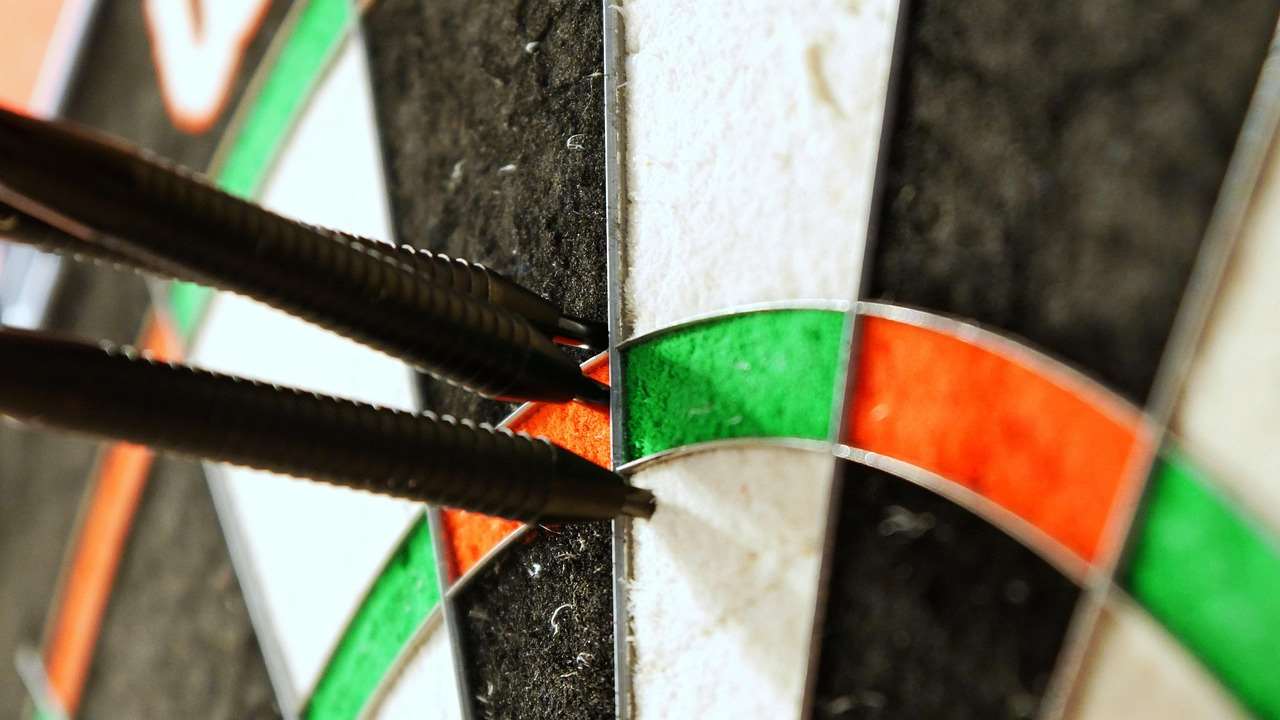
Stance and Posture: Building a Solid Foundation
Your stance is the bedrock of your throw. A stable and balanced stance allows for consistent arm movement and minimizes unwanted body sway. There are three primary stance options:
- Straight Stance: Facing the board directly, offering maximum stability.
- Open Stance: Angled slightly towards your throwing arm side, improving vision.
- Closed Stance: Angled away from your throwing arm side, used by some for specific release styles.
Experiment to find the stance that feels most natural and comfortable, allowing you to maintain balance throughout your throw. Maintain good posture: stand tall with your shoulders relaxed and your weight evenly distributed. This promotes a smooth and controlled release.
Grip: Finding Your Perfect Hold
The grip is your point of contact with the dart, directly influencing its trajectory. There’s no single “correct” grip; it’s a matter of personal preference and comfort. Common grip styles include:
- Two-Finger Grip: Using your thumb and one finger for control.
- Three-Finger Grip: Adding a middle finger for extra stability.
- Four-Finger Grip: Utilizing all four fingers for maximum contact.
Experiment with different grip pressures and finger placements. A grip that’s too tight can cause tension and inaccuracy, while a grip that’s too loose may result in inconsistent releases. Aim for a comfortable and consistent grip that allows you to feel connected to the dart without squeezing it excessively. Remember, the perfect grip is the one that feels right for *you*. This also translates to the right equipment and a good dart board set with mat for safety.
Throwing Motion: Smoothness and Consistency
A smooth and consistent throwing motion is crucial for accuracy. Avoid jerky movements or unnecessary tension in your arm and shoulder. Visualize a pendulum swing, with your elbow acting as the pivot point. Keep your upper arm relatively still, focusing the movement on your forearm and wrist. Develop a consistent backswing and follow-through, releasing the dart at the same point each time. Practice your throwing motion slowly and deliberately at first, gradually increasing speed as your control improves. Focus on replicating the same motion repeatedly to build muscle memory.
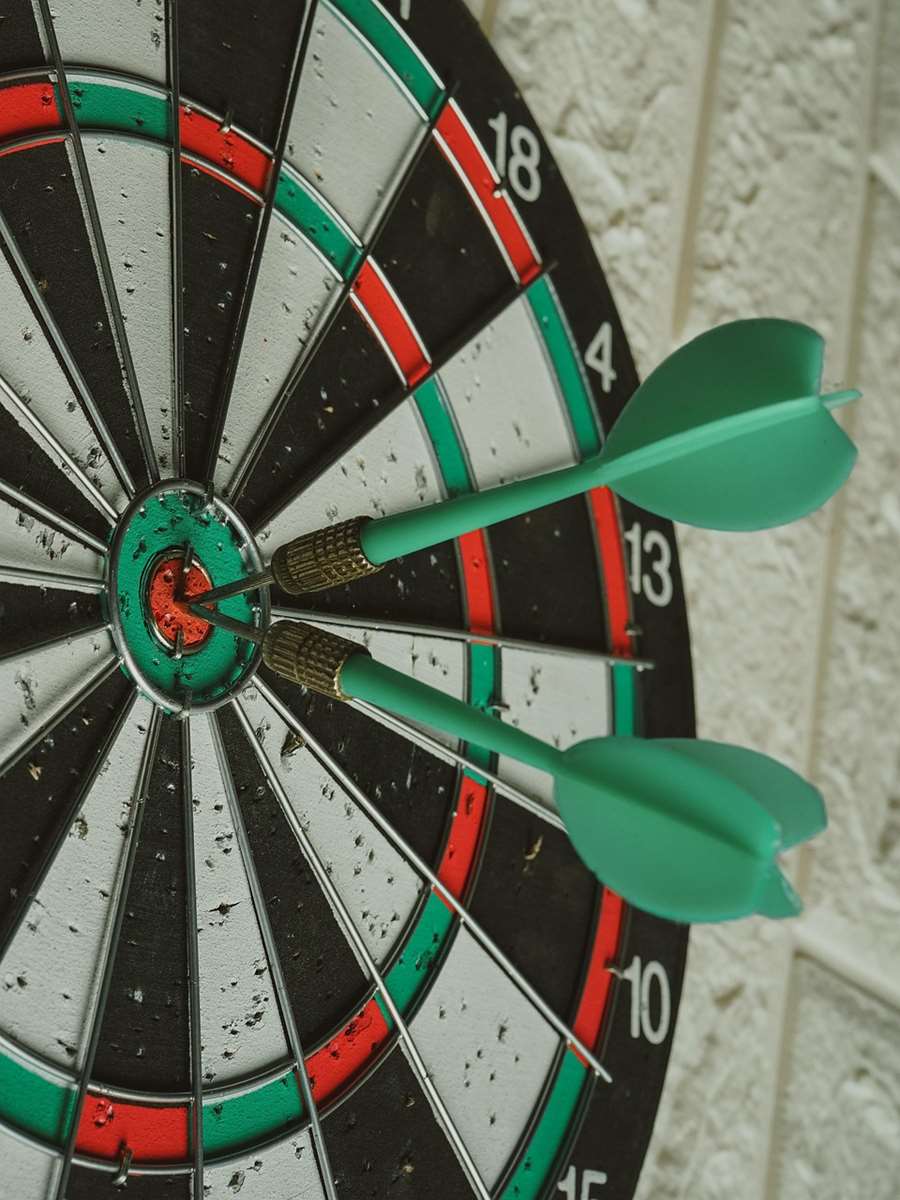
Aiming: Targeting the Treble 20
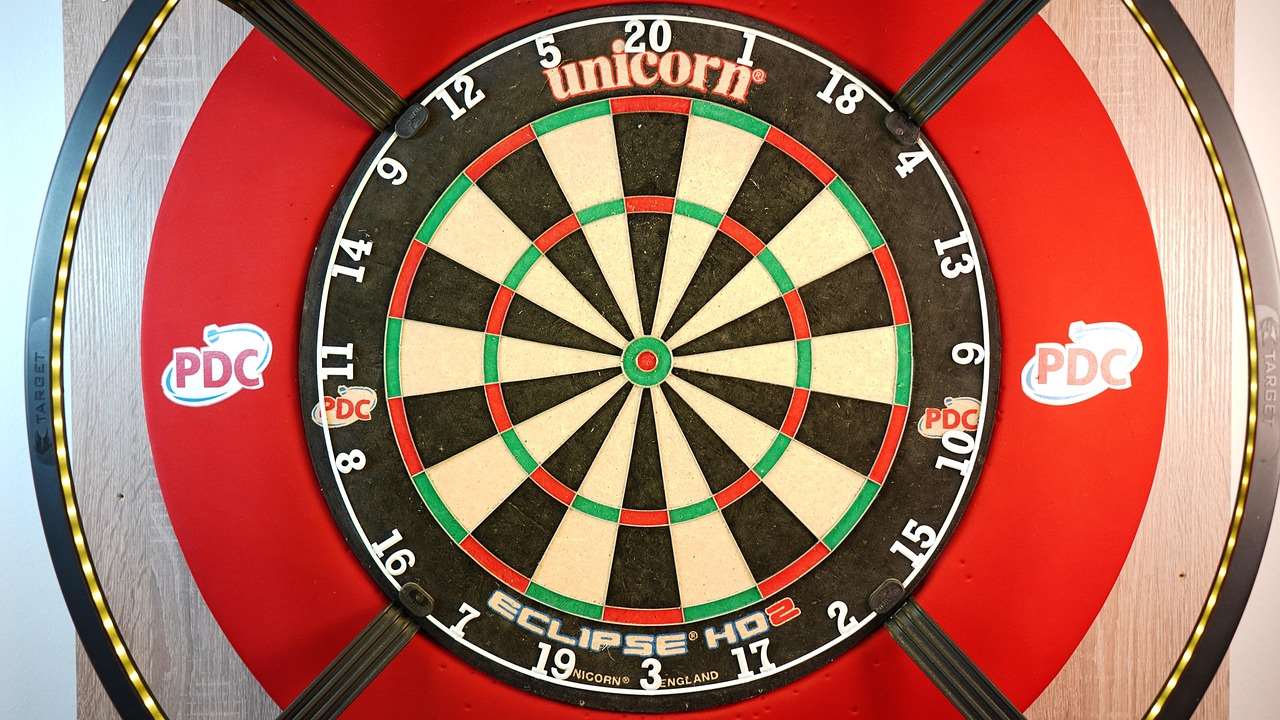
For a darts 180, the target is always the treble 20. Train your eye to focus intensely on the target. Many players find it helpful to visualize a line from their eye to the treble 20, ensuring they are aiming correctly. Avoid shifting your focus during your throw. Lock your eyes on the target and maintain that focus throughout your entire motion. Minor adjustments to your stance or grip can help fine-tune your aim.
Practice Makes Perfect: Drills to Boost Your Scoring
Simply throwing darts aimlessly won’t significantly improve your scoring. Structured practice with specific drills is essential for developing consistency and accuracy.
Treble 20 Focus Drill
Dedicate a practice session solely to targeting the treble 20. Throw a set number of darts (e.g., 50 or 100) and track your accuracy. Focus on your technique and make small adjustments as needed. This drill helps you develop muscle memory and fine-tune your aim for the most crucial segment on the dartboard.
Around the Clock (20s Only)
Start at the 20 segment and work your way around the board, hitting each number in sequence. This drill improves your overall accuracy and control, forcing you to adapt to different angles and distances. Focus specifically on the 20s segment, aiming for the treble each time. This will help to reinforce your muscle memory for the treble 20 and improve your overall consistency.
Checkout Practice
While not directly related to hitting a darts 180, practicing your checkouts is crucial for winning games. Set up common checkout scores (e.g., 40, 81, 100) and practice finishing them in as few darts as possible. This skill reduces the pressure to constantly score big and allows you to capitalize on opportunities to win legs.
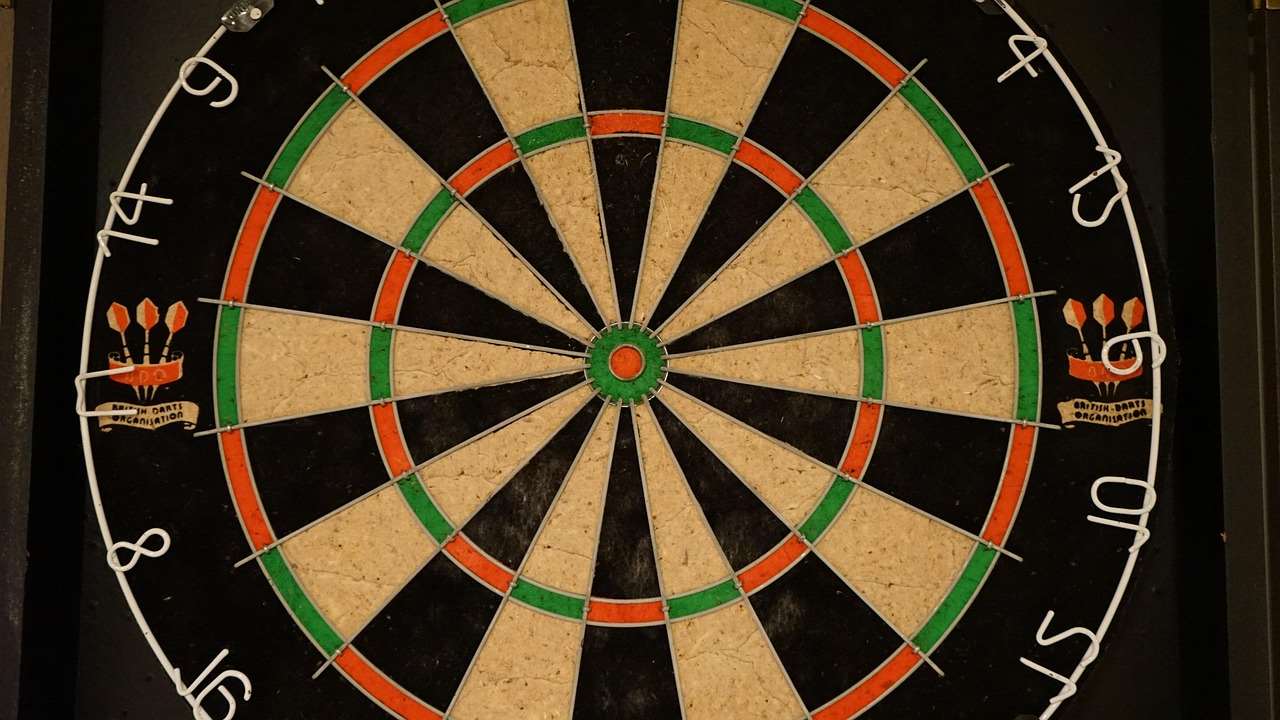
Doubles Practice
Mastering the doubles is also crucial for winning legs. Practice hitting all the doubles around the board, focusing on consistency and accuracy. A steady hand on the doubles dramatically improves your overall game and creates more opportunities to win legs after a high scoring start.
The Mental Game: Staying Calm Under Pressure
Darts is as much a mental game as it is a physical one. The ability to stay calm and focused under pressure is crucial for consistent scoring and achieving a darts 180.
Visualization
Before each throw, take a moment to visualize the dart hitting the treble 20. This helps to build confidence and focus your mind on the task at hand. Imagine the feeling of a perfect release and the satisfying sound of the dart landing in the target.
Positive Self-Talk
Replace negative thoughts with positive affirmations. Believe in your ability to hit the target and focus on your strengths. Avoid dwelling on past mistakes and concentrate on the present moment.
Dealing with Distractions
Learn to block out distractions and maintain your focus on the game. This could involve ignoring heckling from the crowd, managing nerves during a crucial match, or simply staying focused when you’re feeling tired or stressed.
Accepting Imperfection
Even the best players miss the target sometimes. Don’t let a missed throw derail your entire game. Acknowledge the mistake, learn from it, and move on. Focus on the next throw and maintaining your composure.
Choosing the Right Equipment: Darts, Flights, and Shafts
The right equipment can significantly impact your performance. Experiment with different dart weights, flight shapes, and shaft lengths to find what works best for your throwing style.
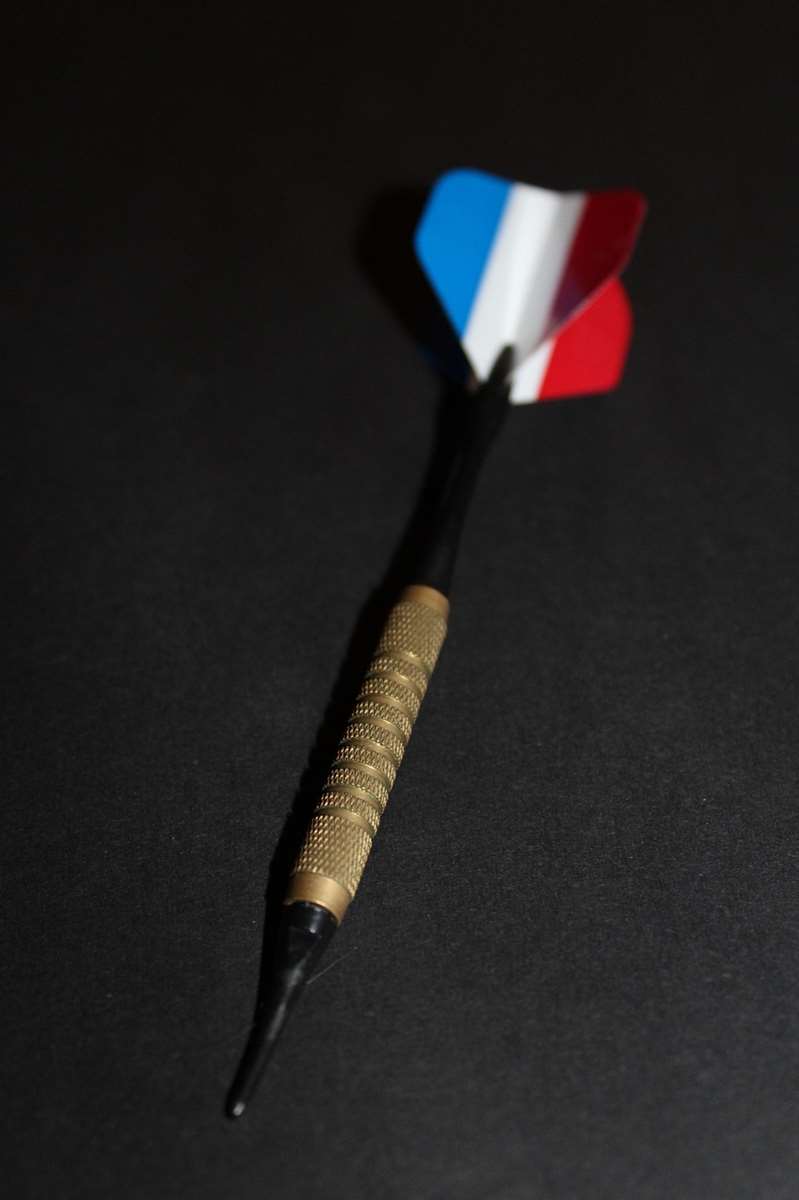
Dart Weight
Darts are available in a range of weights, typically from 20 to 26 grams. Lighter darts tend to fly straighter, while heavier darts offer more stability. Experiment with different weights to find what feels most comfortable and provides the best control. Consider the single dart meaning and your own throwing style.
Flights
Flights affect the dart’s stability and trajectory. Larger flights provide more stability but can also slow the dart down. Smaller flights are more aerodynamic but may be less forgiving of errors. Common flight shapes include standard, kite, slim, and pear. Experiment to find the flight shape that provides the best balance and accuracy for your throwing style.
Shafts
Shaft length affects the dart’s balance and center of gravity. Longer shafts tend to make the dart fly more upright, while shorter shafts can make it fly flatter. Experiment with different shaft lengths to find what feels most comfortable and provides the best control. Nylon shafts are a popular and affordable choice, while aluminum shafts offer greater durability.
Analyzing Your Performance: Tracking Your Progress
Keeping track of your performance is crucial for identifying areas for improvement and monitoring your progress. Use a scoring app or a notebook to record your scores, track your averages, and analyze your strengths and weaknesses. There are options available such as the Cricket darts scorer app.
Averages
Calculate your three-dart average (the average score you achieve with three darts) to track your overall scoring ability. A higher average indicates consistent scoring and improved accuracy. Monitoring this is crucial in any competitive game such as darts world championship final results.
Checkout Percentage
Calculate your checkout percentage (the percentage of times you successfully finish a leg) to assess your finishing ability. A higher checkout percentage indicates improved accuracy on the doubles and a greater ability to capitalize on scoring opportunities.
Areas for Improvement
Analyze your performance data to identify areas where you can improve. Are you struggling with a particular segment on the board? Are your checkout percentages lower than you’d like? Focus your practice on addressing these specific weaknesses.
Conclusion: The Journey to Darts 180 and Beyond
Achieving a darts 180 requires a combination of technique, practice, mental fortitude, and the right equipment. By focusing on these key areas, you can significantly improve your scoring and increase your chances of hitting that elusive maximum. Remember to be patient, persistent, and enjoy the process of improvement. Don’t be discouraged by setbacks, and celebrate your successes along the way. The journey to a darts 180 is a continuous one, and the rewards are well worth the effort. Start practicing these techniques today, and you’ll be well on your way to scoring maximums and dominating the oche! Now go out there and practice, and maybe you’ll even be able to get your perfect darts oche distance pdc.

Hi, I’m Dieter, and I created Dartcounter (Dartcounterapp.com). My motivation wasn’t being a darts expert – quite the opposite! When I first started playing, I loved the game but found keeping accurate scores and tracking stats difficult and distracting.
I figured I couldn’t be the only one struggling with this. So, I decided to build a solution: an easy-to-use application that everyone, no matter their experience level, could use to manage scoring effortlessly.
My goal for Dartcounter was simple: let the app handle the numbers – the scoring, the averages, the stats, even checkout suggestions – so players could focus purely on their throw and enjoying the game. It began as a way to solve my own beginner’s problem, and I’m thrilled it has grown into a helpful tool for the wider darts community.