The optimal dartboard throwing distance is generally considered to be 7 feet 9 1/4 inches (2.37 meters) from the oche to the center of the dartboard. This standard distance ensures fair play and consistent scoring. This article will delve deeper into this crucial aspect of darts, exploring factors that influence optimal throwing distance and providing tips for improving your game.
⚠️ Still Using Pen & Paper (or a Chalkboard)?! ⚠️
Step into the future! The Dart Counter App handles all the scoring, suggests checkouts, and tracks your stats automatically. It's easier than you think!
Try the Smart Dart Counter App FREE!Ready for an upgrade? Click above!
Many casual dart players may not realize the importance of maintaining the correct dartboard throwing distance. However, even slight variations can significantly affect accuracy and consistency. Understanding the nuances of this distance, along with proper throwing technique, is key to improving your score and having a more enjoyable game.
This is especially true for those aiming for a professional or highly competitive level of play. Maintaining the standardized dartboard throwing distance allows players to practice and compete on a level playing field.
Understanding the Significance of Dartboard Throwing Distance
The standardized dartboard throwing distance of 7 feet 9 1/4 inches isn’t arbitrary; it’s the result of years of refining the game to create an engaging and fair competition. This distance allows for a balance between challenge and achievability. Too close, and the game becomes too easy; too far, and accuracy suffers greatly. Maintaining this distance provides a consistent challenge across different playing environments and skill levels.
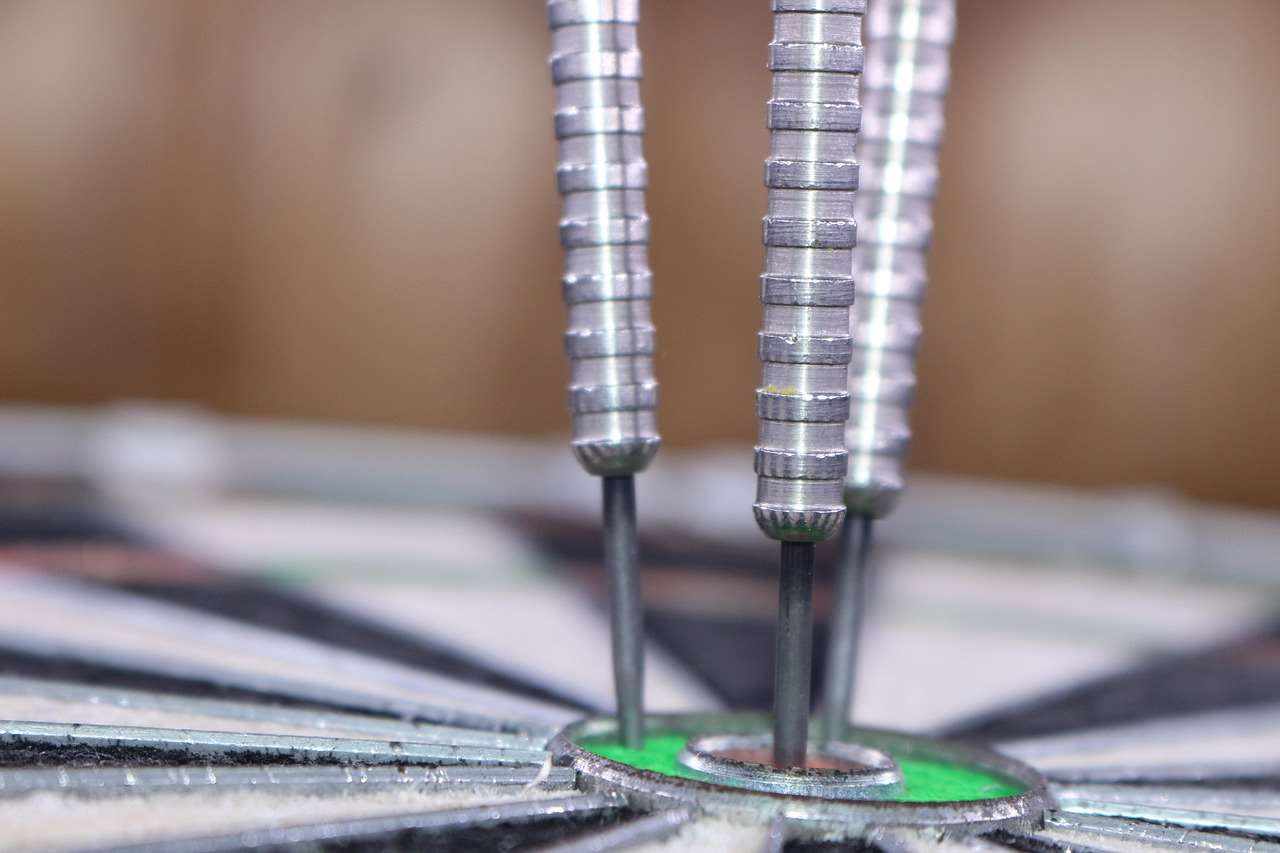
Many professional dart tournaments rigorously enforce this standard dartboard throwing distance, guaranteeing a fair contest for all participants. Consistency in the distance ensures a comparable level of difficulty across different venues.
Factors Affecting Optimal Dartboard Throwing Distance
Individual Player Differences
While the standard dartboard throwing distance is universally accepted, individual player differences can influence the optimal distance for a specific player. Factors such as arm length, throwing style, and overall height can all play a role. Some players might find slight adjustments to the standard distance improves their accuracy. It’s important to find what works best for your individual needs. Experimenting within a reasonable range around the standard distance can help you determine your personal preference.
Playing Environment
The playing environment also plays a crucial role in the effective dartboard throwing distance. Factors such as floor level variations, the height of the dartboard, and even ambient lighting can affect a player’s throw. Always check to make sure everything is level, and that there are no obstacles between you and your target, preventing accurate throws.

Dartboard Type and Surroundings
The type of dartboard itself might subtly influence the perceived optimal dartboard throwing distance. Some dartboards may have a slightly different surface texture or depth, which could affect how the darts stick. Similarly, the presence of obstacles or distractions near the throwing line can impact a player’s concentration and, indirectly, their accuracy at the standard dartboard throwing distance.
Tips for Maintaining the Correct Dartboard Throwing Distance
Maintaining the correct dartboard throwing distance is crucial for consistent performance. Here are some practical tips:
- Use a measuring tape: Before each game, measure the distance from the oche to the center of the dartboard using a reliable measuring tape. This ensures consistent accuracy and eliminates guesswork. This is especially vital for official competitions, where deviations from the standard dartboard throwing distance can lead to penalties.
- Mark the oche clearly: Use tape or other markings to clearly indicate the oche line, preventing any accidental shifting of your position during the game. This simple step ensures that you maintain a consistent dartboard throwing distance.
- Practice consistently: Regular practice from the correct distance is essential for developing muscle memory and improving your throwing technique. Consistent practice from the standardized distance will help your muscle memory learn the optimal form needed for hitting the target.
- Consider your individual needs: While the standard dartboard throwing distance is a great starting point, you might need to make minor adjustments based on your body type and throwing style. Experiment to find what works best for you but do not deviate too far from the optimal throwing distance.
Remember, the accuracy and consistency you achieve at the standard dartboard throwing distance is significantly impacted by your posture, grip, and throwing technique. These factors should be improved upon concurrently for maximum efficiency.
Common Mistakes to Avoid When Throwing Darts

Many players make common mistakes that negatively impact their accuracy. Let’s tackle the most prevalent ones:
- Inconsistent stance: A wavering stance is detrimental to accurate throws. Maintain a consistent and balanced stance throughout your game for improved consistency. A firm, stable foundation is a crucial element of consistent dart throwing.
- Poor grip: Holding the dart too tightly or loosely can significantly affect your throw. Experiment to find the optimal grip that feels comfortable and allows for a smooth release. Having the right grip is crucial for optimizing your throwing technique.
- Incorrect throwing motion: A jerky or uncontrolled throwing motion leads to inaccurate darts. Practicing a smooth, consistent throwing motion is critical for achieving accuracy. This involves a balanced movement, releasing the dart smoothly, and following through with a consistent motion.
- Ignoring follow-through: Neglecting the follow-through of your throw is another common mistake. Following through correctly helps maintain stability and accuracy. A proper follow-through aids in precision and smoothness.
For more detailed advice, check out our guide on darts aiming techniques.
Improving Your Dart Game: Beyond Distance
While maintaining the correct dartboard throwing distance is essential, it’s only one piece of the puzzle. To truly elevate your dart game, you need to focus on other aspects as well, including:
- Proper posture and balance: A stable stance is as crucial as the dartboard throwing distance for accurate and consistent throws. Proper stance improves throwing mechanics significantly.
- Consistent throwing technique: Practice makes perfect. Refine your technique until you develop a smooth, repeatable throwing action. Smooth, consistent throws are key to improving scores.
- Mental game: Maintaining focus and managing pressure are also vital components of a successful dart player. Mental fortitude and concentration are as crucial as physical skills.
- Choosing the right darts: Selecting darts that fit your hand and throwing style is important for optimizing your performance. Finding the right darts greatly aids in throwing precision.
Learning the score system in darts is also critical for strategic gameplay.
Advanced Techniques and Strategies
Once you’ve mastered the basics, you can explore more advanced techniques. These could include:
- Different grip styles: Experimenting with different grips can help find the one that suits your hand and throwing style best. This will improve control and consistency over time.
- Targeting techniques: Learning advanced targeting strategies can significantly improve your accuracy. Understanding where to aim for specific scores can vastly improve game results.
- Analyzing your throws: Recording and analyzing your throws can help you identify areas for improvement. Recording your performance allows for analyzing your strengths and weaknesses.
- Using a dart counter app: For those looking to efficiently manage game scores, utilize the Best darts scoring app to accurately track scores and maintain focus on your game. A good dart counter app streamlines scoring and game management.
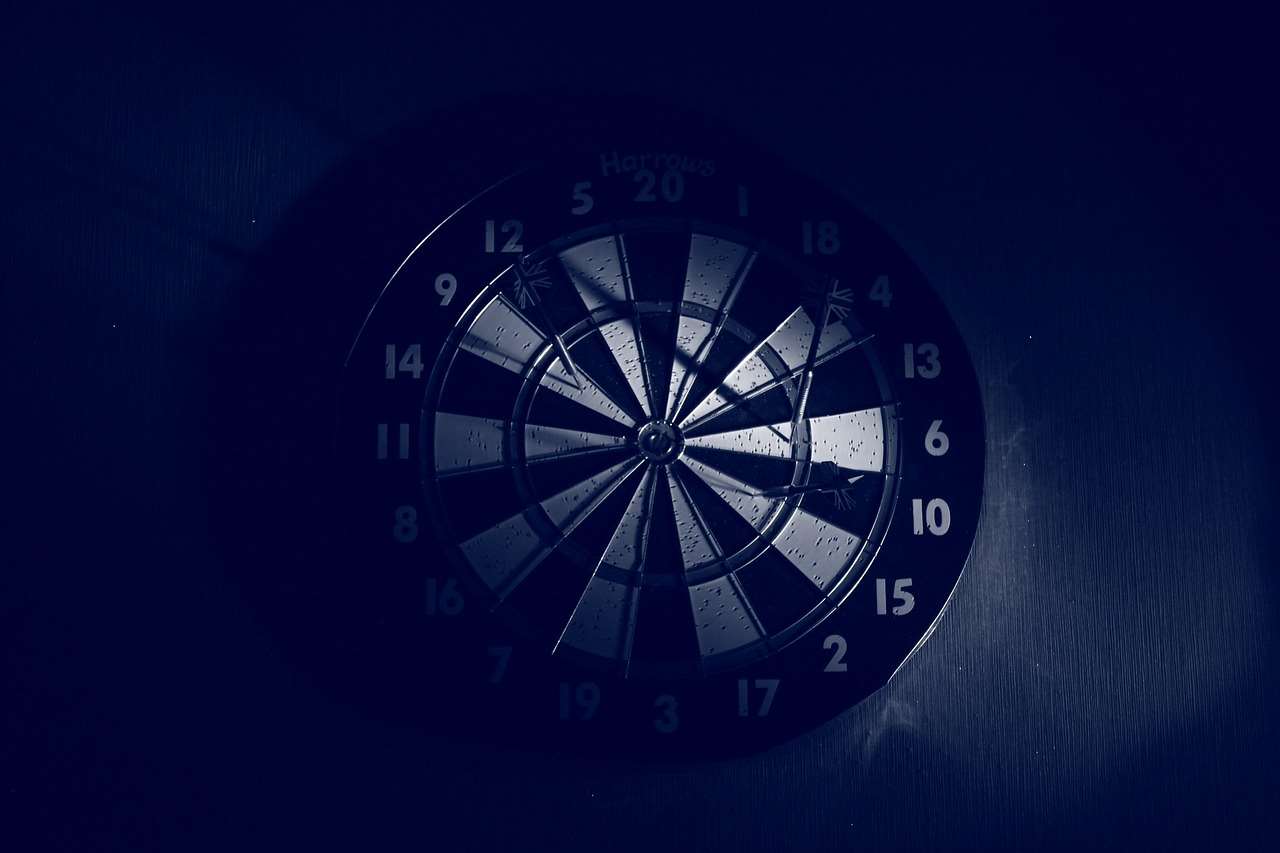
For a more in-depth look at scoring, you might find our article on how are darts scored helpful. Understanding the scoring system is crucial for strategic play.
The Role of Practice and Consistency
Regardless of your skill level, consistent practice is key to improving your game. Regular practice from the correct dartboard throwing distance will reinforce proper technique and muscle memory. Remember to focus on consistency and refinement of your technique over time. Practice is crucial to improving both your accuracy and your overall score.
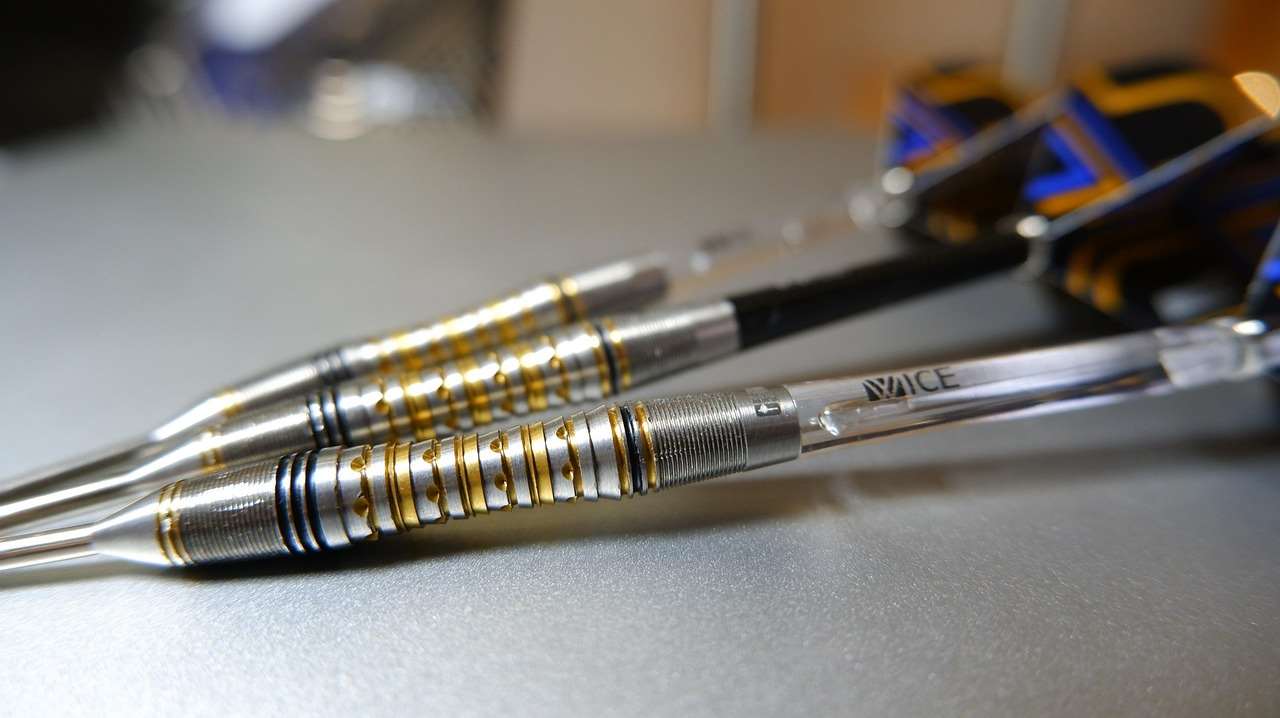
Consistent practice, alongside the implementation of the discussed tips and techniques, will significantly improve your performance over time. Regular practice helps build muscle memory and refines your throwing style for optimal results. By practicing regularly, you can achieve greater accuracy and consistency in your throws.
Remember, it’s important to have fun while playing darts. Focusing on consistent improvement, understanding the standard dartboard throwing distance, and enjoying the competition are all key ingredients to a successful and enjoyable dart experience. To further enhance your dart setup, explore how to properly darts set up with light.
Conclusion
Maintaining the correct dartboard throwing distance of 7 feet 9 1/4 inches is crucial for consistent performance in darts. However, remember that individual player differences and environmental factors can influence the optimal distance for a specific player. By following the tips provided in this article and focusing on consistent practice and technique refinement, you can significantly improve your accuracy and overall enjoyment of the game. So grab your darts, measure your distance, and start practicing! Remember to consult our guide on dart score zähler online for an efficient way to track your progress.

Hi, I’m Dieter, and I created Dartcounter (Dartcounterapp.com). My motivation wasn’t being a darts expert – quite the opposite! When I first started playing, I loved the game but found keeping accurate scores and tracking stats difficult and distracting.
I figured I couldn’t be the only one struggling with this. So, I decided to build a solution: an easy-to-use application that everyone, no matter their experience level, could use to manage scoring effortlessly.
My goal for Dartcounter was simple: let the app handle the numbers – the scoring, the averages, the stats, even checkout suggestions – so players could focus purely on their throw and enjoying the game. It began as a way to solve my own beginner’s problem, and I’m thrilled it has grown into a helpful tool for the wider darts community.