Proper dartboard cabinet installation is crucial for protecting your walls, showcasing your board, and enhancing your overall darts experience. This article provides a comprehensive guide to help you install your dartboard cabinet correctly, ensuring a secure and aesthetically pleasing setup. We’ll cover everything from choosing the right location and gathering necessary tools to the step-by-step installation process and essential maintenance tips.
⚠️ Still Using Pen & Paper (or a Chalkboard)?! ⚠️
Step into the future! The Dart Counter App handles all the scoring, suggests checkouts, and tracks your stats automatically. It's easier than you think!
Try the Smart Dart Counter App FREE!Ready for an upgrade? Click above!
Choosing the Right Location for Your Dartboard Cabinet Installation
Before you even think about picking up a drill, carefully consider the location for your dartboard cabinet. This is a critical step that can significantly impact your enjoyment and safety.
- Clearance: Ensure you have ample space, roughly 5 feet to either side of the dartboard’s center, and at least 8 feet of clear space in front of it for throwing. Nothing should obstruct a player’s throw.
- Wall Type: Identify the type of wall you’ll be mounting to (drywall, plaster, concrete, etc.). This will determine the type of anchors and mounting hardware you’ll need.
- Lighting: Good lighting is essential. Ideally, you want light coming from above and slightly in front of the dartboard to avoid shadows. Consider adding a dedicated dartboard light.
- Traffic Flow: Choose a location that minimizes foot traffic to prevent accidents and interruptions during play. A dedicated games room or a quiet corner of a larger room are ideal.
- Wall Protection: Even with a cabinet, errant darts can still damage the surrounding wall. Consider adding a surround to your dartboard setup for extra protection.
Tools and Materials Needed for Dartboard Cabinet Installation
Having the right tools and materials on hand will make the dartboard cabinet installation process much smoother and more efficient. Here’s a comprehensive list:
- Dartboard Cabinet: Choose a cabinet that complements your dartboard and your room’s décor.
- Dartboard: Obviously! Make sure it’s a regulation-size dartboard.
- Measuring Tape: Essential for accurate measurements.
- Pencil: For marking the wall.
- Level: To ensure your dartboard is perfectly straight.
- Drill: With various drill bits appropriate for your wall type.
- Screwdriver: Both Phillips head and flathead.
- Wall Anchors: Select anchors appropriate for your wall type (drywall anchors, concrete anchors, etc.).
- Screws: To attach the cabinet to the wall. Ensure they are the correct length and strength.
- Stud Finder (Optional): If you plan to mount the cabinet directly to a wall stud.
- Safety Glasses: Always protect your eyes.
- Ladder or Step Stool: If needed to reach the desired height.
Step-by-Step Guide to Dartboard Cabinet Installation
Now that you have your location chosen and your tools gathered, let’s dive into the actual dartboard cabinet installation process. Follow these steps carefully for a secure and professional-looking installation.
- Prepare the Wall: Use a stud finder to locate wall studs, if desired. Mark the location for your cabinet.
- Measure and Mark: The center of the bullseye should be 5 feet 8 inches (1.73 meters) from the floor. Use a measuring tape and pencil to mark this spot on the wall. Many cabinets have pre-drilled holes or a template for marking screw locations. Use these to accurately mark the screw positions on the wall, ensuring the bullseye mark aligns with the center of the cabinet. Consider using noise dampening materials to help with sound.
- Drill Pilot Holes: Using the appropriate drill bit for your wall type and anchors, drill pilot holes at the marked locations. If hitting a stud, you may not need anchors.
- Install Anchors (If Needed): If you’re not drilling into a stud, install the wall anchors into the pilot holes according to the manufacturer’s instructions.
- Mount the Cabinet: Align the cabinet with the pilot holes or anchors. Use the appropriate screws to attach the cabinet securely to the wall. Ensure the cabinet is level.
- Install the Dartboard: Most dartboards come with mounting hardware. Attach the dartboard to the cabinet according to the manufacturer’s instructions.
- Test the Installation: Give the cabinet a gentle shake to ensure it’s securely mounted. Throw a few darts to test the setup.
Ensuring Proper Dartboard Height and Distance
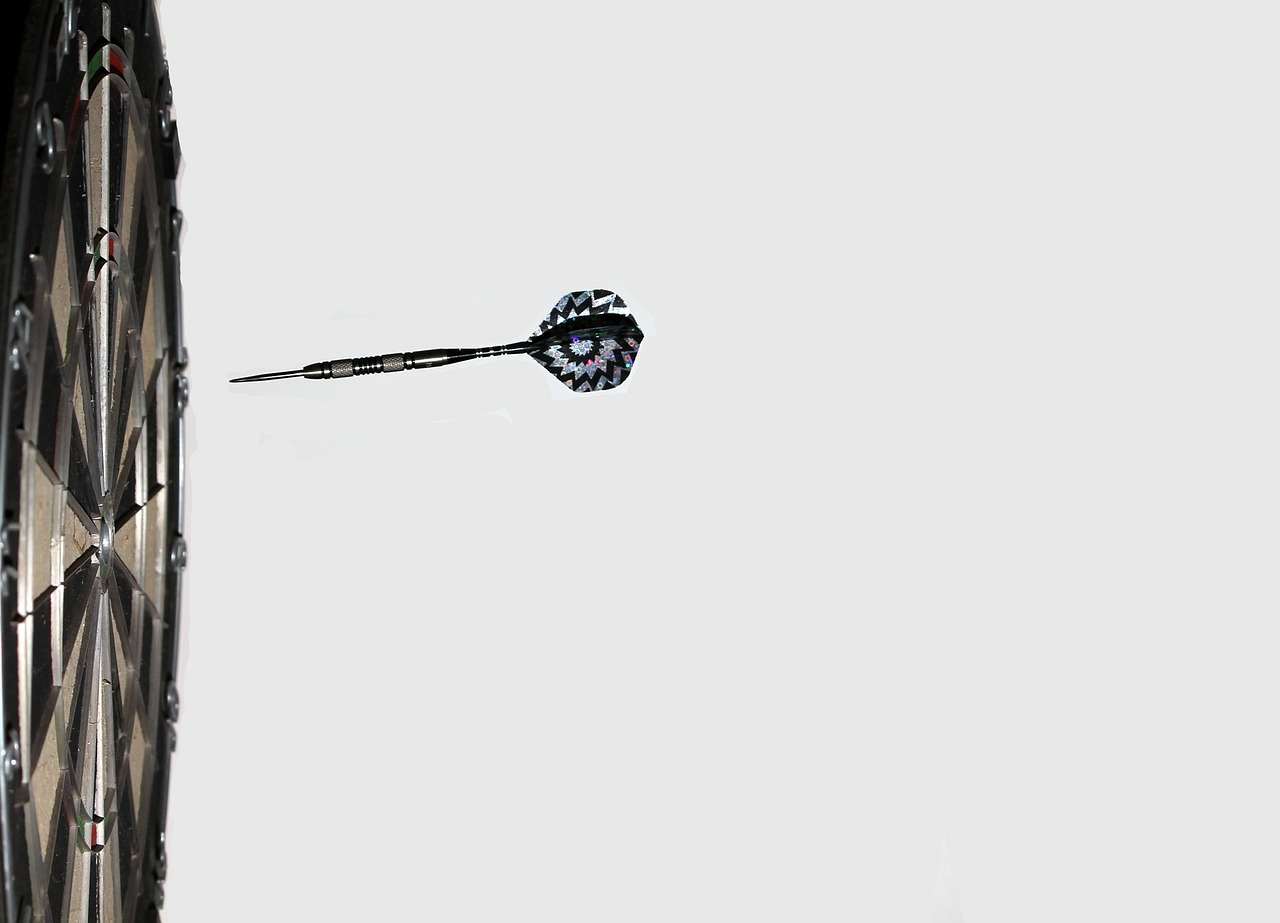
The official height and distance regulations are critical for fair play and consistent practice. Incorrect measurements can significantly impact your game. Make sure you consult dart board rules and points.
- Height: As mentioned earlier, the center of the bullseye must be 5 feet 8 inches (1.73 meters) from the floor.
- Throwing Distance: The official throwing distance, measured from the face of the dartboard to the oche (the throwing line), is 7 feet 9 1/4 inches (2.37 meters). This is the measurement for steel-tip darts. For soft-tip darts, the distance may vary slightly depending on the league or tournament rules.
- Double-Check: Always double-check your measurements to ensure they are accurate.
Dartboard Cabinet Maintenance and Care
To keep your dartboard cabinet in top condition and extend its lifespan, regular maintenance is essential.
- Cleaning: Wipe down the cabinet regularly with a damp cloth to remove dust and fingerprints. Avoid using harsh chemicals or abrasive cleaners.
- Dartboard Rotation: Rotate your dartboard regularly to distribute wear evenly and prevent excessive wear in certain areas.
- Tighten Screws: Periodically check the screws holding the cabinet to the wall and the dartboard to the cabinet. Tighten them as needed to prevent loosening.
- Repair Damage: If the cabinet sustains any damage, such as scratches or dents, repair it promptly to prevent further deterioration.
- Consider adding a surround: A dartboard surround will protect your wall from stray darts and extend the life of the cabinet itself. You can purchase a dedicated surround or even create your own DIY version.
Troubleshooting Common Dartboard Cabinet Installation Issues
Even with careful planning, you might encounter some challenges during the dartboard cabinet installation process. Here are some common issues and their solutions:
- Cabinet Not Level: If the cabinet is not level, loosen the screws slightly and use shims behind the cabinet to adjust its position. Retighten the screws once the cabinet is level.
- Loose Mounting: If the cabinet feels loose or wobbly, double-check the wall anchors and screws. You may need to use larger or stronger anchors or screws. Make sure you use the correct tools.
- Dartboard Not Secure: If the dartboard is not securely attached to the cabinet, ensure you are using the correct mounting hardware and that the screws are tightened properly.
- Stripped Screw Holes: If you strip a screw hole in the wall, try using a toothpick or wooden skewer dipped in wood glue to fill the hole. Let it dry completely before re-drilling the pilot hole and installing the screw.
Adding Extra Features and Accessories
Once your dartboard cabinet installation is complete, consider adding some extra features and accessories to enhance your playing experience.
- Dartboard Lighting: As mentioned earlier, good lighting is essential. Consider adding a dedicated dartboard light that mounts above or around the dartboard.
- Dartboard Surround: A surround protects your wall from stray darts and provides a professional-looking finish.
- Scoreboard: A scoreboard is essential for keeping track of your scores. You can use a traditional chalkboard scoreboard or a more modern electronic scoreboard. Consider using a Mobile dart scorer.
- Dart Holder: A dart holder keeps your darts organized and readily accessible.
- Throw Line (Oche): A clearly marked throw line is essential for consistent play. You can purchase a pre-made throw line or create your own using tape or paint.
Choosing the Right Dartboard Cabinet Style
Dartboard cabinets come in a variety of styles and materials to suit different tastes and budgets. Consider the following factors when choosing a cabinet:
- Material: Cabinets are typically made of wood, wood composite, or plastic. Wood cabinets offer a classic and elegant look, while composite and plastic cabinets are more durable and weather-resistant.
- Style: Choose a cabinet style that complements your room’s décor. Options range from traditional to modern to rustic.
- Features: Some cabinets come with built-in scoreboards, dart holders, and lighting. Consider which features are most important to you.
- Budget: Dartboard cabinets range in price from around $50 to several hundred dollars. Set a budget before you start shopping. You might also look for a dart countersink set.
The Importance of a Secure Dartboard Cabinet Installation
A secure dartboard cabinet installation is paramount for several reasons:
- Safety: A properly mounted cabinet prevents the dartboard from falling and causing injury.
- Wall Protection: A cabinet protects your wall from damage caused by stray darts.
- Aesthetics: A well-installed cabinet enhances the look of your game room or entertainment area.
- Longevity: A secure installation ensures the cabinet and dartboard will last longer.
Alternative Dartboard Mounting Options (Without a Cabinet)
While a dartboard cabinet offers several advantages, there are alternative mounting options if you prefer a more minimalist look or have limited space.
- Direct Wall Mounting: You can mount the dartboard directly to the wall using the included mounting hardware. Be sure to use appropriate wall anchors.
- Dartboard Surround: Even without a cabinet, a dartboard surround is essential for protecting your wall.
- Portable Dartboard Stand: A portable dartboard stand allows you to move your dartboard around as needed.
Conclusion
Dartboard cabinet installation is a straightforward process that can significantly enhance your darts experience. By following the steps outlined in this guide, you can ensure a secure, professional-looking, and enjoyable setup. Remember to choose the right location, gather the necessary tools, follow the proper installation procedures, and maintain your cabinet regularly. A properly installed dartboard cabinet not only protects your walls but also provides a dedicated space for honing your dart-throwing skills and enjoying countless hours of fun. Now that you’re armed with the knowledge, it’s time to get that cabinet installed and start throwing some darts! Visit our website for more tips, tricks, and product recommendations to elevate your dart game.

Hi, I’m Dieter, and I created Dartcounter (Dartcounterapp.com). My motivation wasn’t being a darts expert – quite the opposite! When I first started playing, I loved the game but found keeping accurate scores and tracking stats difficult and distracting.
I figured I couldn’t be the only one struggling with this. So, I decided to build a solution: an easy-to-use application that everyone, no matter their experience level, could use to manage scoring effortlessly.
My goal for Dartcounter was simple: let the app handle the numbers – the scoring, the averages, the stats, even checkout suggestions – so players could focus purely on their throw and enjoying the game. It began as a way to solve my own beginner’s problem, and I’m thrilled it has grown into a helpful tool for the wider darts community.