Understanding the nuances of 501 variants league rules common is crucial for both competitive and casual dart players; they dictate gameplay, scoring, and fairness. This article explores these common rules, covering modifications, handicapping, and dispute resolution.
⚠️ Still Using Pen & Paper (or a Chalkboard)?! ⚠️
Step into the future! The Dart Counter App handles all the scoring, suggests checkouts, and tracks your stats automatically. It's easier than you think!
Try the Smart Dart Counter App FREE!Ready for an upgrade? Click above!
Understanding the Basics of 501 and Common League Rules
At its core, 501 is a simple game: each player or team starts with 501 points and attempts to be the first to reduce their score to zero. However, the league rules surrounding this game can vary significantly, especially when considering 501 variants league rules common in different regions and organizations.
The most fundamental rule, and perhaps the only truly universal one, is that the game *must* be won by hitting either a double or the bullseye (which counts as a double 25). This ensures a degree of skill and precision is required for victory. Failing to hit a double or the bullseye when a player needs to do so to win results in a “bust,” where the player’s score returns to what it was at the start of that turn.
Beyond this, everything from the number of legs or sets played, to specific rules about scoring errors, can differ. For example, some leagues might require a ‘straight start’ (meaning a player can start scoring immediately), while others might mandate a ‘double start’ (where the player must first hit a double before they can begin reducing their score). Let’s delve into these variations further.
Common 501 Variant: Double In, Double Out
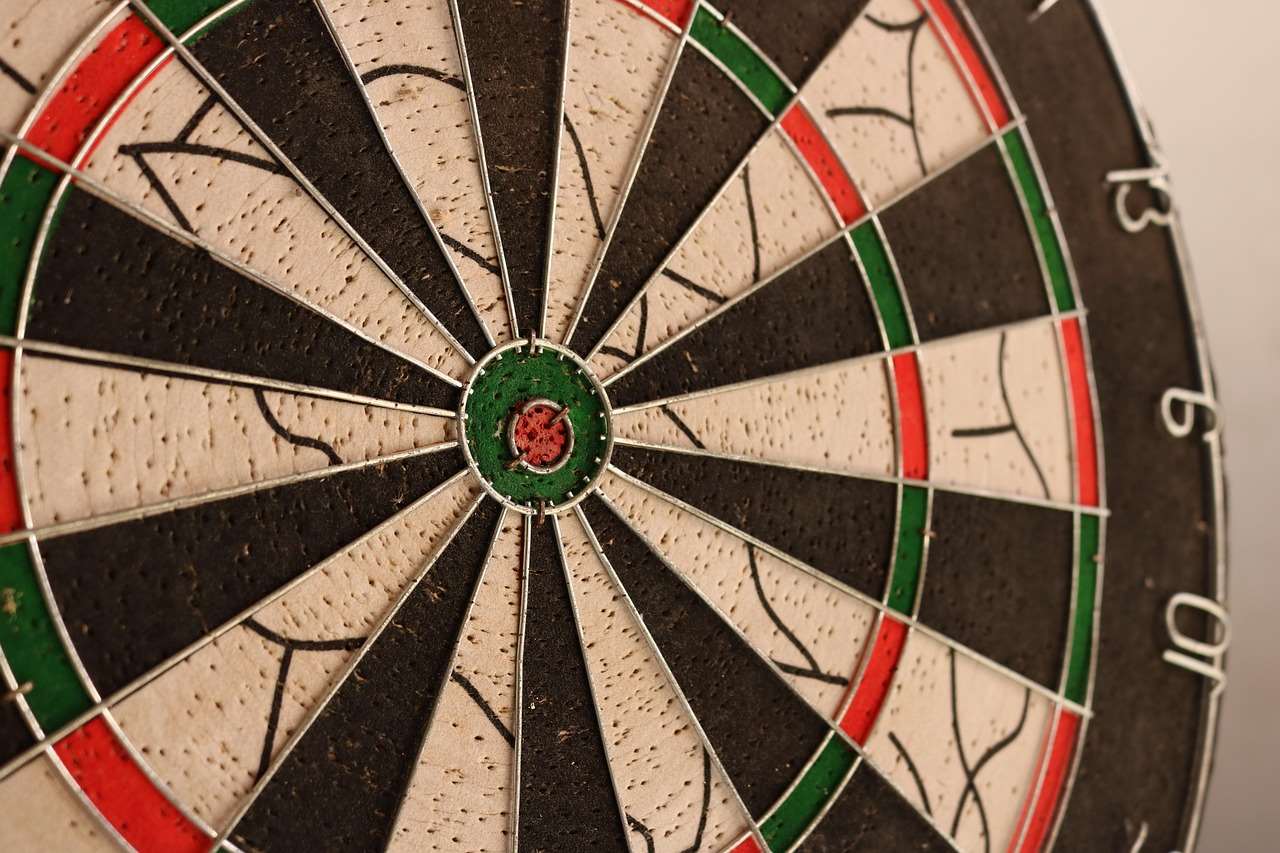
The “Double In, Double Out” variant is particularly popular in more competitive leagues and tournaments. This adds an extra layer of difficulty, as players must first hit a double to begin scoring (Double In) *and* finish on a double or bullseye (Double Out). This variant tests a player’s ability to hit doubles consistently, a skill often separating good players from great ones.
League rules around this variant usually specify how many darts a player has to achieve a double-in. Some rules will automatically forfeit the leg if the player doesn’t double in within a certain number of throws. Others will just continue the leg, but with the player at a significant scoring disadvantage.
Strategic Implications of Double In, Double Out
- Targeting Doubles: Players must become proficient at hitting various doubles around the board.
- Mental Fortitude: The pressure of needing a double both at the start and end of a leg can be mentally taxing.
- Score Management: Knowing which numbers to leave yourself on to have the best chance of hitting a double is crucial.
The double in, double out variant can sometimes feel intimidating for newer players. This is where the spirit of league rules often shines, as many leagues will incorporate handicapping systems to level the playing field.
Handicapping Systems in 501 Leagues
To ensure fair competition, especially in leagues with players of varying skill levels, many leagues employ handicapping systems. These systems aim to give less experienced players a better chance of winning against more skilled opponents. These handicaps are carefully decided, and league rules commonly detail exactly how they are calculated and applied.
There are several common methods used for handicapping:
- Points Start: Less skilled players might start with a lower score than 501, giving them a head start. This is a common feature of 501 variants league rules common for more casual settings.
- Points Per Dart (PPD): Handicaps are assigned based on a player’s average score per dart. This average is then used to adjust their score throughout the game.
- Target Numbers: Instead of starting with 501, some leagues have less skilled players aiming for a lower target score.
The chosen method often depends on the specific league and the range of player abilities. Regular recalculation of handicaps is also vital, ensuring they accurately reflect a player’s current performance. A player whose skills have improved might find their handicap reduced, keeping the competition engaging and fair.

Team Play and 501 Variants
501 is often played in teams, which adds another layer of complexity to the rules. Team formats can range from single legs where each player throws a set number of darts, to longer matches consisting of multiple legs or sets.
One common team variant is “pairs 501,” where two players team up against another pair. The partners alternate throws, with each player throwing a predetermined number of darts per leg (usually three). This requires strong communication and teamwork.
Another variant is a “round robin” format, where each team plays every other team in the league. Points are awarded for wins, and the team with the most points at the end of the season wins the league. Rules here must be very precise as to how ties are broken, and what happens if a team has to forfeit a match. The league rules on team participation and player eligibility also come into play here. You might be interested to discover more about Darts Variants Fun Games.
In team play, rules surrounding substitutions and player availability are also important. Most leagues have guidelines regarding how many players a team must have present to avoid forfeiting a match, and how late a player can arrive before they are considered absent.
Dealing with Disputes and Rule Interpretations
Inevitably, disagreements can arise, even in the most well-organized leagues. Clear league rules regarding dispute resolution are essential. These rules typically outline the process for raising a complaint, the role of the league officials in adjudicating disputes, and the potential penalties for violating the rules.
Common sources of disputes include:
- Scoring Errors: Disagreements about the score that was actually hit.
- Foot Faults: Stepping over the oche (the throwing line).
- Dart Damage: Whether a dart qualifies as “in” if it’s partially dislodged from the board.
Most leagues will have a designated official or committee responsible for resolving disputes. Their decisions are usually final, though some leagues may have an appeals process. Having a clear, written set of rules and procedures is vital to ensuring fairness and preventing disputes from escalating. It can also be helpful to have a video recording system in place to review questionable throws.
Specific Scoring Rules and Exceptions
While the basic premise of 501 is straightforward, there are often specific scoring rules and exceptions that need to be considered, many of which appear within 501 variants league rules common across different regions.
For example, some leagues may have rules regarding “bounce outs,” where a dart bounces off the board without registering a score. The rules dictate whether that throw is re-thrown, counted as a zero, or handled in some other way.
Another common issue is “wires,” where a dart lands on the wire dividing two scoring sections. Most rules state that if the dart is touching both sections, the higher score is awarded. However, the exact interpretation can sometimes be debated, hence the need for clarity in the official league rules.
“Calling” the Finish
Many leagues have a rule that players must “call” their intended finish before throwing their darts. This means stating which numbers they are aiming for to complete the leg. This is particularly common in amateur leagues and helps to reinforce good score calculation.
Some leagues may also have specific rules regarding “bullseye finishes,” where the game is won by hitting the bullseye. These rules might specify that the bullseye must be called, or that it can only be used as a final shot if the player has an odd number remaining.

Variations on the “Out” Shot Requirement
While the standard “double out” rule is the most common, some leagues may use variations on this. These variations add a different dimension to the game and require players to adapt their strategy.
- Master Out: This variant requires players to finish on either a double or a treble.
- Any Out: This allows players to finish on any number, including a single. This makes the game significantly easier and is often used in beginner leagues.
These variants alter the strategic element of the game significantly. For example, in “Master Out,” players must be equally proficient at hitting both doubles and trebles. In “Any Out,” score management becomes less critical, and players can focus more on maximizing their overall score.
Technology and Rule Enforcement in Modern Darts Leagues
The advent of technology has also influenced league rules and enforcement. Electronic dartboards, for example, automatically calculate scores and eliminate scoring disputes. Online dart leagues also rely on technology for fair play, often incorporating video monitoring and anti-cheating software.
Many leagues now use apps and websites to track scores, standings, and player statistics. These platforms can also be used to communicate rule changes and announcements to league members. Technology can also streamline the process of scheduling matches and managing league finances. The rise of online darts also means there are new rules and regulations for online gameplay and fair practice.
However, technology also raises new challenges. For example, leagues need to ensure that all players have access to the necessary technology and are comfortable using it. Data privacy and security are also important considerations. These details also get documented within official league rules.
Adapting to Local 501 Variants League Rules Common
Ultimately, the best way to understand and abide by 501 variants league rules common is to familiarize yourself with the specific rules of the league you are participating in. These rules should be clearly documented and readily available to all players. Don’t be afraid to ask questions if anything is unclear or ambiguous.
Remember that league rules are designed to ensure fair play and create a positive experience for everyone involved. By understanding and respecting these rules, you can contribute to a more enjoyable and competitive environment. Before entering a new league, it is advisable to review the rules and regulations of that specific league, as variations are common. You can also learn about Darts Variants Fun Games.
Also, always be aware of any rule changes or updates. Leagues often modify their rules from season to season to address issues or improve the overall experience. Staying informed will help you avoid misunderstandings and ensure that you are playing by the correct rules.
Conclusion: Mastering 501 Variants and League Play
Navigating the world of 501 variants league rules common requires understanding the basic principles of the game, the common modifications, handicapping systems, and dispute resolution procedures. By familiarizing yourself with these aspects, you can improve your game, contribute to a positive league environment, and avoid potential conflicts. Remember to always consult the specific rules of the league you are participating in and don’t hesitate to ask questions. Ready to test your knowledge? Sign up for our upcoming dart tournament and show off your skills!

Hi, I’m Dieter, and I created Dartcounter (Dartcounterapp.com). My motivation wasn’t being a darts expert – quite the opposite! When I first started playing, I loved the game but found keeping accurate scores and tracking stats difficult and distracting.
I figured I couldn’t be the only one struggling with this. So, I decided to build a solution: an easy-to-use application that everyone, no matter their experience level, could use to manage scoring effortlessly.
My goal for Dartcounter was simple: let the app handle the numbers – the scoring, the averages, the stats, even checkout suggestions – so players could focus purely on their throw and enjoying the game. It began as a way to solve my own beginner’s problem, and I’m thrilled it has grown into a helpful tool for the wider darts community.