Understanding the **youth darts rules history** reveals how the game has been adapted to make it accessible and enjoyable for younger players. This article delves into the evolution of **youth darts rules**, exploring the modifications and considerations that ensure fair play and skill development. We’ll cover everything from standardized regulations to common adaptations made for children, exploring how **darts for kids** has been shaped over time.
⚠️ Still Using Pen & Paper (or a Chalkboard)?! ⚠️
Step into the future! The Dart Counter App handles all the scoring, suggests checkouts, and tracks your stats automatically. It's easier than you think!
Try the Smart Dart Counter App FREE!Ready for an upgrade? Click above!
The Genesis of Youth Darts Rules History
The formalization of **youth darts rules** is a relatively recent development compared to the long **history of darts** itself. For many years, children simply played using the same **standard darts rules** as adults, often with varying degrees of success and, frankly, safety. However, as the sport gained popularity and recognition, so too did the need for a structured approach to **youth darts**. This involved adapting the existing rules to suit the physical capabilities and developmental needs of young players.
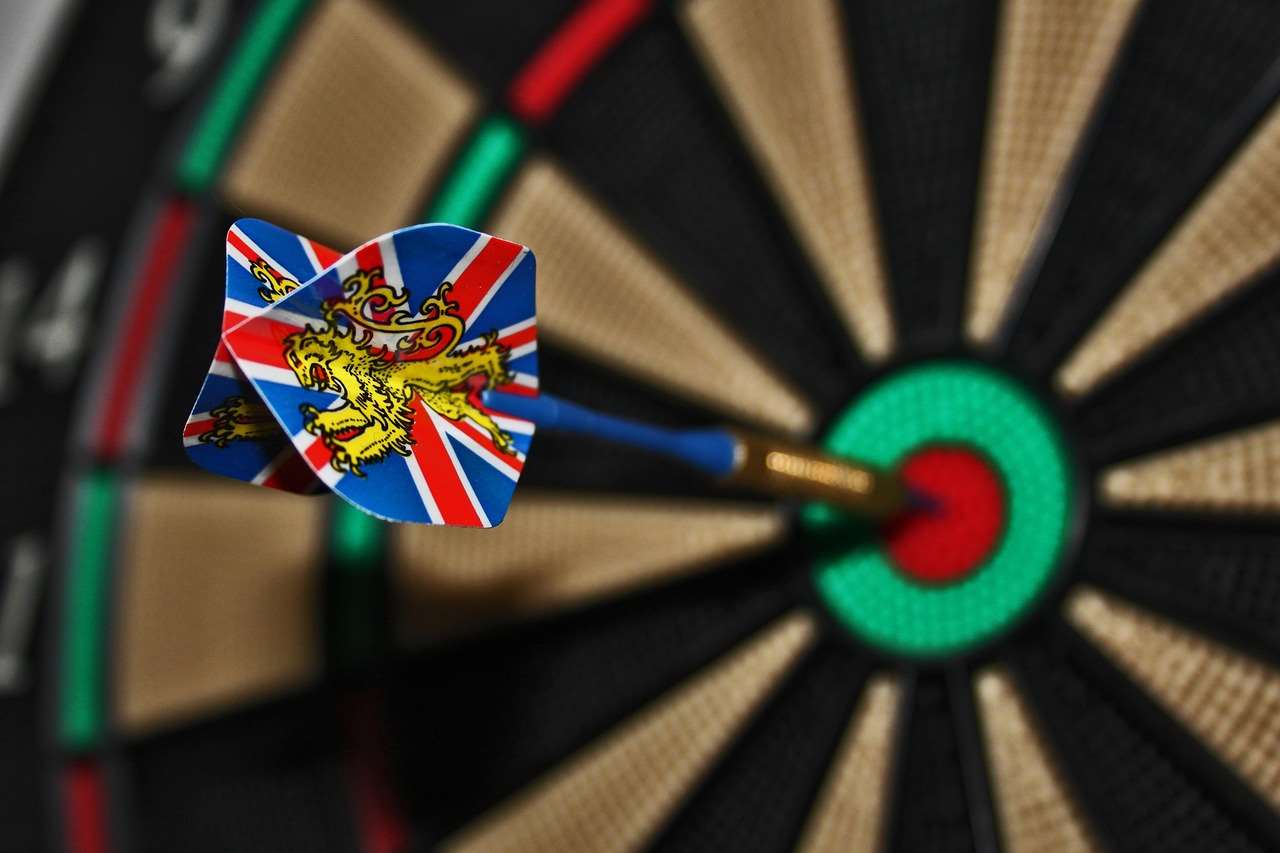
One of the earliest considerations was safety. Traditional steel-tipped darts presented a significant risk of injury, leading to the exploration of alternative options. This included the introduction of soft-tipped darts and the use of **electronic dartboards**, which offered a safer and more accessible entry point for younger players. The development of **modified darts rules** helped make the sport more accessible.
Key Adaptations in Youth Darts Rules
Several key adaptations have been made to **youth darts rules** to ensure fairness, safety, and enjoyment. These modifications often address aspects such as throwing distance, dart weight, and game format.
Shorter Throwing Distances
Perhaps the most common adaptation is a shorter throwing distance. The standard 7 feet 9 1/4 inches (2.37 meters) distance can be challenging for younger players, particularly those with shorter arms. Reducing this distance allows children to generate sufficient throwing power and accuracy, making the game more engaging and less frustrating. It is common for the **oche** (throwing line) to be moved forward depending on the age and size of the players. This makes **darts for kids** more fun.
Lighter Darts
The weight of the dart is another crucial factor. Standard darts can be quite heavy, making them difficult for young players to control. Using lighter darts allows for better grip, improved throwing technique, and reduced strain on the arm. Lighter darts also reduce the impact force, further minimizing the risk of injury. Often, youth darts leagues and organizations will stipulate a maximum dart weight to ensure a level playing field. You can find more about the basics in Basic Darts Fundamentals for Beginners.

Simplified Game Formats
Traditional darts games like 501 can be complex and time-consuming, which may not hold the attention of younger players. Simplified game formats, such as shorter versions of 301 or variations that focus on hitting specific targets, are often used in **youth darts competitions**. These formats provide quicker results, maintain interest, and allow for more opportunities to practice different skills.
Emphasis on Sportsmanship
Beyond the technical aspects, **youth darts rules** often place a strong emphasis on sportsmanship and fair play. Encouraging respect for opponents, adherence to the rules, and positive attitudes are essential components of youth darts programs. This helps to foster a positive and supportive environment where young players can develop their skills and enjoy the game. Considering Adapting darts rules for beginners, emphasizing sportsmanship is essential.
Governing Bodies and Youth Darts Programs
Several organizations and governing bodies play a role in shaping **youth darts rules** and promoting the sport among young people. These organizations often establish standardized regulations, organize competitions, and provide resources for coaches and players.
World Darts Federation (WDF)
The WDF is the international governing body for darts, and while they primarily focus on adult competitions, they also recognize and support youth darts programs in many countries. The WDF provides guidelines and resources for organizing youth events and promoting the sport among young people. Consider how Adapting dart game rules for children requires specific considerations.
National Darts Organizations
Many countries have their own national darts organizations that oversee the sport at a local level. These organizations often have specific rules and regulations for **youth darts**, including age categories, throwing distances, and game formats. They also organize tournaments and leagues for young players, providing opportunities to compete and develop their skills. The specific age groups within youth darts competitions can vary, but typically include categories for juniors (under 18), youths (under 16), and sometimes even younger age groups.
School and Community Programs
In addition to formal organizations, many schools and community centers offer **youth darts programs**. These programs provide a fun and accessible introduction to the sport, often using adapted rules and equipment to make it safe and enjoyable for young children. These programs play a crucial role in introducing the game to new players and fostering a lifelong love of darts. Some programs even offer scholarships or financial assistance to help young players participate in competitions and training.
Safety Considerations in Youth Darts
Safety is paramount in **youth darts**. The primary concern is the risk of injury from errant darts. Here are some key safety considerations:

- Dartboard Placement: Ensure the dartboard is securely mounted on a stable surface and that the surrounding area is clear of obstructions. A backboard can also help to protect the wall and prevent darts from bouncing back.
- Supervision: Young players should always be supervised by an adult, particularly when using steel-tipped darts.
- Dart Design: Soft-tipped darts are a safer alternative to steel-tipped darts, especially for younger children.
- Eye Protection: While not always required, eye protection can provide an extra layer of safety, particularly for players who are prone to throwing wild darts.
- Proper Instruction: Teaching young players the correct throwing technique and safety procedures is essential for minimizing the risk of injury.
The Future of Youth Darts Rules and Development
The future of **youth darts** looks bright, with growing interest in the sport among young people and ongoing efforts to make it more accessible and enjoyable. Innovations in dartboard technology, such as interactive dartboards with built-in scoring systems, are also helping to attract new players and enhance the overall experience. As the sport continues to evolve, it’s likely that we’ll see further refinements to **youth darts rules** to ensure they remain fair, safe, and aligned with the developmental needs of young players.
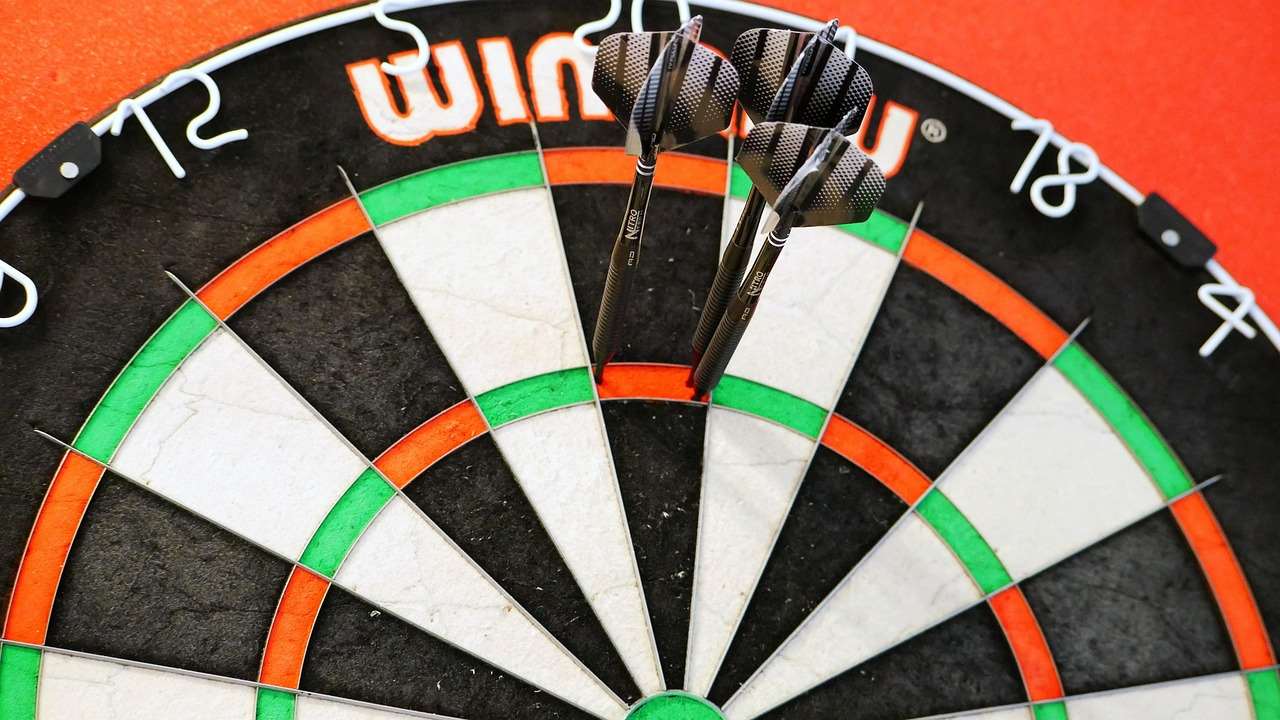
Consider Fun dart game variations with modified rules to keep it fun.
Focus on Inclusivity
There’s an increasing focus on making darts inclusive for all children, regardless of their physical abilities or backgrounds. This may involve adapting rules and equipment to accommodate players with disabilities, as well as creating more opportunities for young people from underrepresented communities to participate in the sport. By promoting inclusivity, **youth darts** can become a truly welcoming and rewarding activity for all.
Tips for Coaching Youth Darts
Coaching **youth darts** requires a different approach than coaching adults. Here are some tips for working with young players:
- Keep it Fun: The most important thing is to make darts enjoyable for young players. Use games and activities to keep them engaged and motivated.
- Focus on Fundamentals: Emphasize the importance of good technique and consistent practice.
- Provide Positive Reinforcement: Encourage young players and celebrate their successes, no matter how small.
- Be Patient: Learning to play darts takes time and practice. Be patient with young players and provide them with the support they need to improve.
- Teach Sportsmanship: Emphasize the importance of fair play, respect for opponents, and positive attitudes.
Conclusion
The **youth darts rules history** illustrates a deliberate effort to adapt a classic game for younger participants, prioritizing safety, accessibility, and fun. From shorter throwing distances and lighter darts to simplified game formats and an emphasis on sportsmanship, these modifications have helped to create a thriving youth darts community. As the sport continues to evolve, it’s essential to continue refining **youth darts rules** to ensure they remain relevant and engaging for future generations. Consider what you’ve learned and explore ways to get involved in your local youth darts scene! Learn more about getting started with Basic Darts Fundamentals for Beginners and help a young player discover the joy of darts.

Hi, I’m Dieter, and I created Dartcounter (Dartcounterapp.com). My motivation wasn’t being a darts expert – quite the opposite! When I first started playing, I loved the game but found keeping accurate scores and tracking stats difficult and distracting.
I figured I couldn’t be the only one struggling with this. So, I decided to build a solution: an easy-to-use application that everyone, no matter their experience level, could use to manage scoring effortlessly.
My goal for Dartcounter was simple: let the app handle the numbers – the scoring, the averages, the stats, even checkout suggestions – so players could focus purely on their throw and enjoying the game. It began as a way to solve my own beginner’s problem, and I’m thrilled it has grown into a helpful tool for the wider darts community.