The ideal tungsten percentage for your darts depends largely on your skill level, playing style, and budget, but **90% tungsten darts** strike a great balance between thinness, density, and durability for most players. This article will delve into the factors influencing **which tungsten percentage should choose** for your darts, including the benefits of various tungsten alloys and how they affect performance.
⚠️ Still Using Pen & Paper (or a Chalkboard)?! ⚠️
Step into the future! The Dart Counter App handles all the scoring, suggests checkouts, and tracks your stats automatically. It's easier than you think!
Try the Smart Dart Counter App FREE!Ready for an upgrade? Click above!
Understanding Tungsten Density and Its Impact
Tungsten is a very dense metal, making it ideal for dart barrels. The higher the tungsten percentage, the denser the dart. This allows manufacturers to create thinner barrels, which can lead to tighter groupings and improved scoring. The density also affects the dart’s balance and how it feels in your hand. Exploring the advantages and disadvantages can help you Choose Best Dart Equipment.
Why is Density Important in Darts?
- Tighter Groupings: Denser darts allow for thinner barrels. This is crucial when trying to pack multiple darts into the same scoring area.
- Balance and Feel: A higher tungsten content can allow for a more balanced dart, even with intricate designs.
- Durability: Although tungsten itself is brittle, when alloyed with other metals like nickel, it creates a durable dart barrel.
Think about how often darts collide with each other. Denser materials will hold up better over time. Understanding the material properties is a key element in selecting appropriate equipment.
Exploring Different Tungsten Percentages
Different tungsten percentages offer varying benefits and drawbacks. Here’s a breakdown of common tungsten alloys used in dart barrels:
80% Tungsten Darts
80% tungsten darts are generally considered entry-level. They are more affordable but tend to be thicker than higher tungsten options. This can make tight groupings more challenging. Beginners may find these darts to be a good starting point before investing in higher-end models.
85% Tungsten Darts
85% tungsten darts offer a slight improvement in density and thinness compared to 80% darts. They represent a good middle ground for players looking for a balance between price and performance. The improvement in density is enough to be noticeable for many players who have experience with 80% barrels.
90% Tungsten Darts
As mentioned earlier, **90% tungsten darts** are often considered the sweet spot for many dart players. They offer a significant improvement in density, allowing for slimmer barrels and tighter groupings. They’re also durable enough to withstand regular use. For players serious about improving their game, 90% tungsten is a common and highly recommended choice.
95% Tungsten Darts
95% tungsten darts offer the highest density available commercially. These darts are incredibly thin and allow for extremely tight groupings. They are often favored by professional players. However, they can be more expensive and may require some getting used to due to their unique feel. It is important to understand the difference between Brass vs Tungsten Darts Comparison when choosing your material.
Beyond 95% Tungsten: Are They Worth It?
While some darts claim to have even higher tungsten percentages, these are rare and often come at a premium price. The difference in performance between 95% and anything higher is often negligible for most players, making it unlikely to be worth the additional investment. The slight gain in density may not justify the substantial increase in cost.
Factors to Consider When Choosing a Tungsten Percentage
Deciding **which tungsten percentage should choose** involves more than just looking at the numbers. Several factors come into play:
Skill Level
Beginners might find 80% or 85% tungsten darts to be sufficient while learning the basics. More experienced players will likely benefit from the improved performance of 90% or 95% tungsten darts. The feel of the dart in your hand will ultimately dictate the best choice, but understanding the potential benefits based on skill is a good start.
Playing Style
If you consistently aim for tight groupings and often find your darts colliding, a higher tungsten percentage could be beneficial. If you have a more relaxed throwing style, a lower percentage might be perfectly adequate.
Grip and Throw
Consider how you grip the dart and the way you throw. Darts with higher tungsten percentages might feel different in your hand and require some adjustment to your throwing technique. Some players prefer a thicker barrel, regardless of the material composition.
Budget
Tungsten percentage directly correlates with price. Higher percentages mean higher costs. Set a budget before you start shopping and stick to it. You don’t need to break the bank to find a dart that suits your needs.
Tungsten Alloys and Their Properties
Tungsten alone is brittle and difficult to work with. Therefore, it’s always alloyed with other metals, usually nickel, iron, or copper. The specific alloy composition can also influence the dart’s performance and durability. Let’s consider this concept to help you decide Choose Right Dart Material Guide.
Nickel-Tungsten Alloys
Nickel is a common alloying element in tungsten darts. It increases the dart’s ductility and makes it easier to machine. Nickel-tungsten alloys also tend to be more corrosion-resistant. Check out more information about Nickel Silver Darts Full Info for details.
Iron-Tungsten Alloys
Iron can also be added to tungsten alloys. It’s generally less expensive than nickel, but it can also make the dart more susceptible to corrosion. Iron-tungsten alloys may be found in lower-priced darts.
Copper-Tungsten Alloys
Copper can improve the machinability and electrical conductivity of the tungsten alloy. However, it can also affect the dart’s weight distribution and overall feel.
Maintaining Your Tungsten Darts
Proper maintenance can extend the life of your tungsten darts, regardless of the percentage.
- Regular Cleaning: Wipe down your darts regularly with a soft cloth to remove dirt and oils.
- Storage: Store your darts in a case or holder to protect them from damage.
- Point Maintenance: Keep your dart points sharp and free of burrs.
Experimentation is Key
Ultimately, the best way to determine **which tungsten percentage should choose** is to experiment with different darts. Try out different weights, shapes, and materials to find what feels most comfortable and performs best for you. Visit a local dart shop or borrow darts from friends to get a feel for different options. There is no substitute for direct experience.
Consider also how the barrel shape and grip texture affect your throw. These characteristics of the barrel, combined with the perfect tungsten percentage, can take your game to the next level.
Advanced Considerations for Serious Players
For players who are deeply invested in the sport, a few more nuances can influence the decision on tungsten percentage.
Center of Gravity
While the tungsten content largely dictates density, the barrel design affects the center of gravity. Some players prefer a front-weighted dart, while others prefer a more balanced or rear-weighted feel. This influences how the dart flies and how it releases from your hand.
Knurling and Grip
The texture of the dart’s grip (knurling) plays a significant role in control. Aggressive knurling can offer a secure grip, while smoother barrels allow for easier release. This works in tandem with the dart’s density to deliver the intended results.
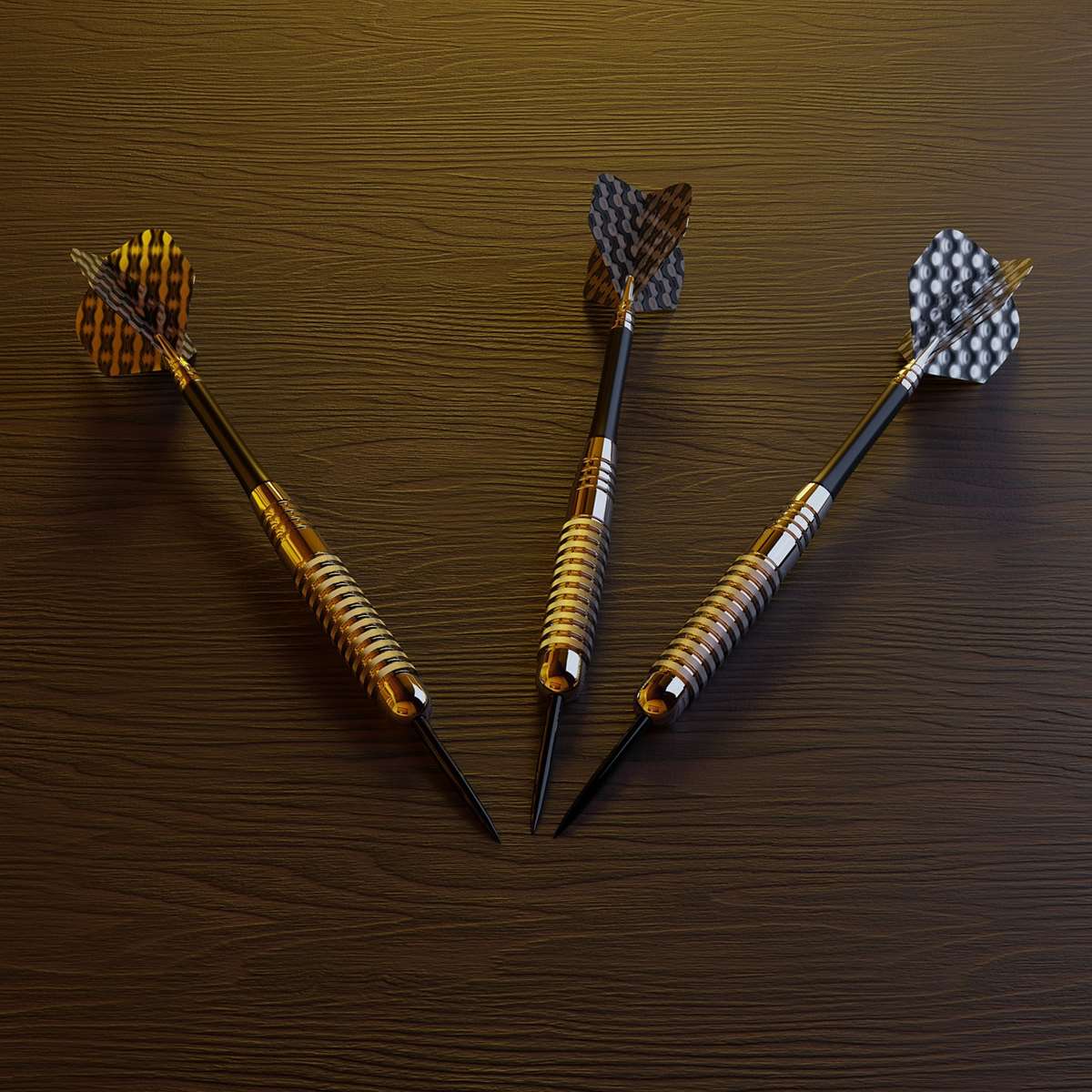
Shaft and Flight Combinations
The type of shaft and flight you use can also impact the overall performance of your darts. Experiment with different combinations to find what works best for you. Lighter shafts and flights can impact the trajectory of heavier, high-tungsten darts, and vice versa.
Conclusion
Choosing the right tungsten percentage for your darts is a personal decision based on your skill level, playing style, and budget. While **90% tungsten** is a popular and versatile choice, consider experimenting with different percentages to find what feels best for you. Understanding the properties of different tungsten alloys and maintaining your darts properly will help you get the most out of your investment. Explore the impact on your game when you Tungsten Percentage Explained Darts. Now that you have all the information, why not start testing to find the perfect percentage for you? Happy darting!

Hi, I’m Dieter, and I created Dartcounter (Dartcounterapp.com). My motivation wasn’t being a darts expert – quite the opposite! When I first started playing, I loved the game but found keeping accurate scores and tracking stats difficult and distracting.
I figured I couldn’t be the only one struggling with this. So, I decided to build a solution: an easy-to-use application that everyone, no matter their experience level, could use to manage scoring effortlessly.
My goal for Dartcounter was simple: let the app handle the numbers – the scoring, the averages, the stats, even checkout suggestions – so players could focus purely on their throw and enjoying the game. It began as a way to solve my own beginner’s problem, and I’m thrilled it has grown into a helpful tool for the wider darts community.