When deciding which tungsten percentage choose, the sweet spot often lies between 80% and 95% for most dart players, balancing density, feel, and cost. This article will explore how tungsten percentage impacts dart performance, helping you make an informed decision based on your playing style and budget.
⚠️ Still Using Pen & Paper (or a Chalkboard)?! ⚠️
Step into the future! The Dart Counter App handles all the scoring, suggests checkouts, and tracks your stats automatically. It's easier than you think!
Try the Smart Dart Counter App FREE!Ready for an upgrade? Click above!
Understanding Tungsten in Darts
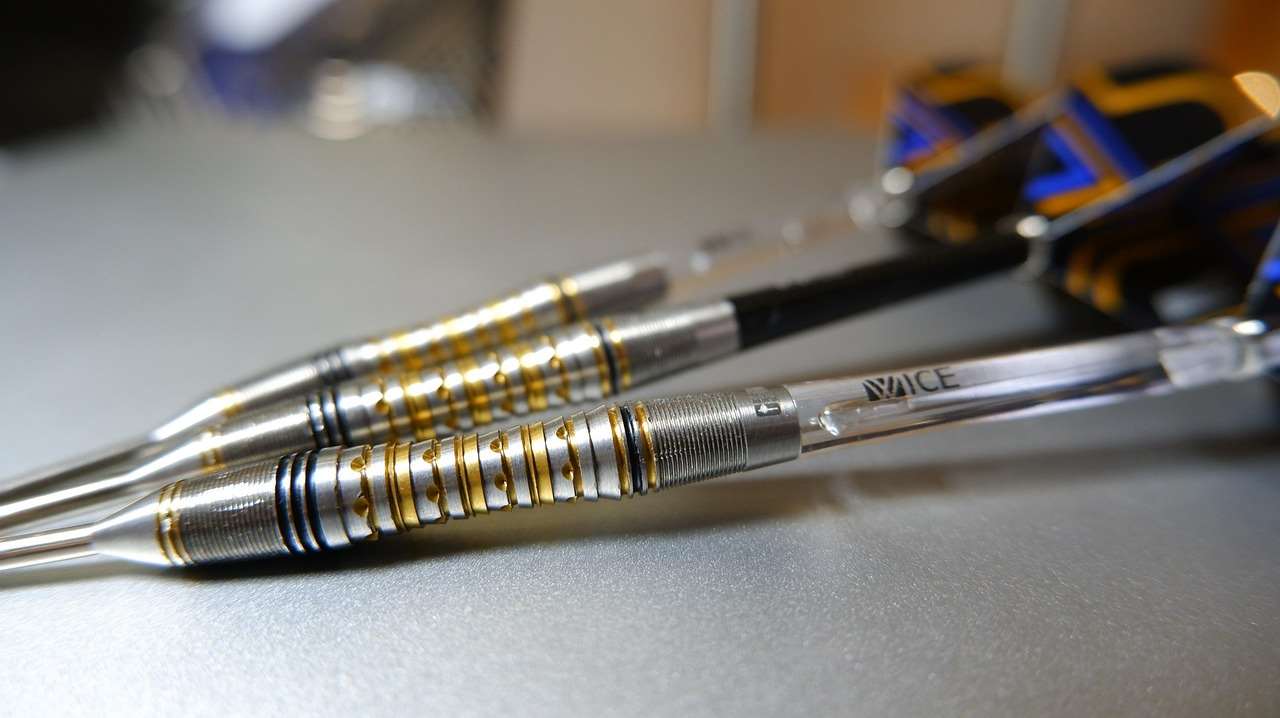
Tungsten is a dense metal, and its use in darts allows manufacturers to create slimmer barrels. This slimness is a key advantage, enabling tighter groupings on the dartboard as multiple darts can occupy a smaller area. The higher the tungsten percentage, the denser the dart and the slimmer the barrel can be.
Think of it this way: a dart made from 80% tungsten will be slimmer than a dart made from 60% brass, even if they weigh the same. This is because the higher tungsten content allows for more mass in a smaller volume. Understanding this fundamental principle is crucial when considering which tungsten percentage choose.
Factors Influencing Your Tungsten Choice
Several factors should influence your decision regarding which tungsten percentage choose. These include your skill level, playing style, budget, and personal preferences.
Skill Level
Beginners might find that a lower tungsten percentage dart (around 80%) is more forgiving. The slightly thicker barrel can be easier to grip consistently. As your skill improves, you might find the benefits of a higher tungsten percentage dart (90% or higher) more appealing. Higher skilled players often prefer the tighter groupings that can be achieved with higher tungsten content, as discussed in Choose Best Dart Equipment.
Playing Style
Your throwing style also plays a crucial role. Do you prefer a front-weighted, center-weighted, or rear-weighted dart? The weight distribution can be further optimized by selecting the appropriate tungsten percentage. For example, if you prefer a front-weighted dart, a higher tungsten percentage in the front of the barrel will enhance this characteristic. Consider Best Material For Darts to see how this relates to other materials used in dart construction.
Budget
Higher tungsten percentage darts are generally more expensive. This is because of the increased cost of the material and the more precise manufacturing processes required. Consider your budget when deciding which tungsten percentage choose. You might find that an 85% tungsten dart offers a good balance between performance and affordability.
Personal Preference
Ultimately, the best tungsten percentage for you is the one that feels most comfortable and allows you to throw consistently. Try out different darts with varying tungsten percentages to see which one suits your grip, throwing motion, and overall feel. Your individual preferences are key.
Tungsten Percentage Breakdown: What to Expect
Let’s examine the different tungsten percentages available and what each offers:
- 80% Tungsten: A good starting point. These darts offer decent performance at a more affordable price. They are often slightly thicker than higher percentage darts, making them easier to grip for some players.
- 85% Tungsten: A step up in density and slimness. This is a popular choice for intermediate players looking for improved performance without breaking the bank.
- 90% Tungsten: A significant improvement in density and slimness. These darts allow for tighter groupings and are preferred by more experienced players.
- 95% Tungsten: The highest commercially available tungsten percentage. These darts offer the slimmest barrels and the tightest groupings. They are typically more expensive and require precise throwing technique.
- 97% Tungsten: Exceptionally rare, these are usually custom-made and carry a very premium price.
The Importance of Dart Weight and Balance
While tungsten percentage is crucial, it’s also important to consider the overall weight and balance of the dart. These factors work in conjunction to determine how the dart flies and feels in your hand. The weight is typically measured in grams, and common weights range from 20 to 26 grams. The balance point can be adjusted by changing the shape of the barrel or adding weight to the front, center, or rear of the dart.
Finding the Right Weight
The ideal dart weight is subjective and depends on your throwing style and strength. Experiment with different weights to see which one feels most natural and allows you to throw consistently. A lighter dart might be easier to control, while a heavier dart might feel more stable in the air.
Achieving Optimal Balance
The balance point of the dart affects its flight characteristics. A front-weighted dart tends to fly straighter and is often preferred by players who throw with a more forceful motion. A rear-weighted dart might be more suitable for players who throw with a softer touch. Explore Tungsten Percentage Explained for more insights on how these factors interact.
Beyond Tungsten: Other Considerations
While which tungsten percentage choose is a critical decision, other factors can impact dart performance. These include the dart’s grip, shaft, and flights.
Grip Style and Dart Grip
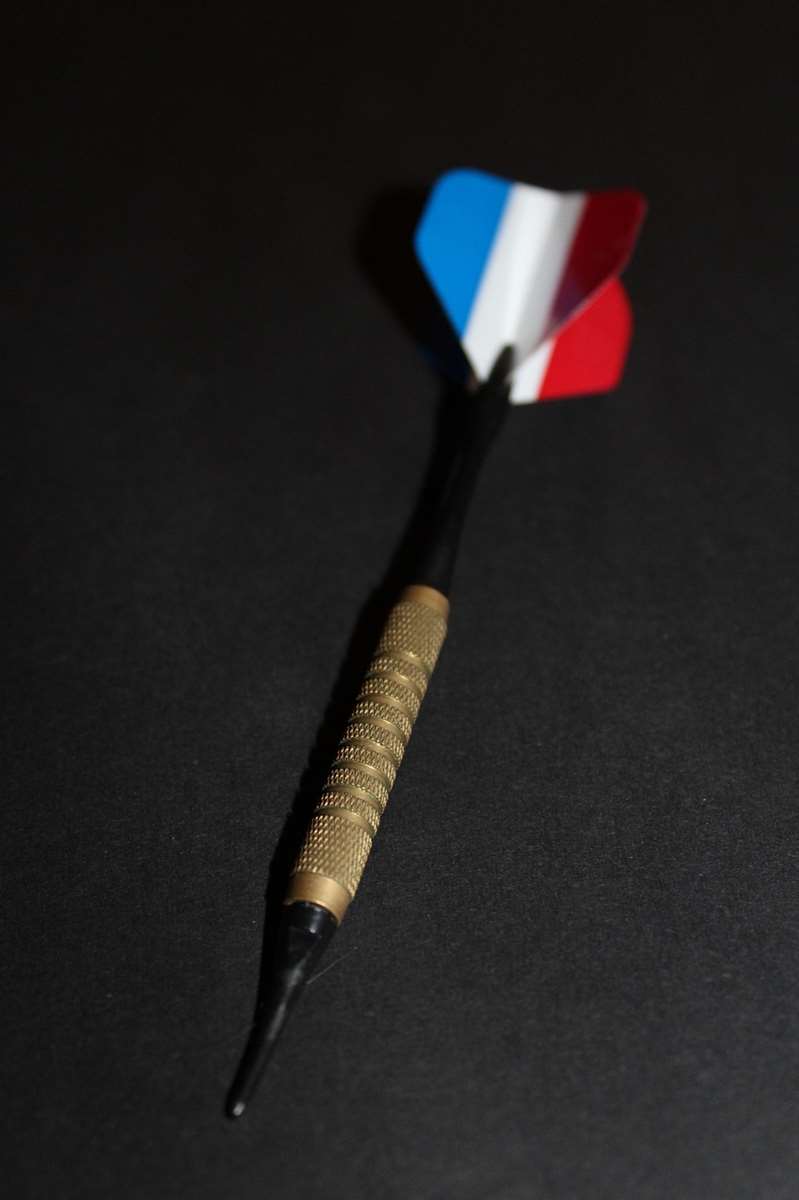
The dart’s grip refers to the texture and pattern on the barrel. Different grips offer varying levels of traction and control. Experiment with different grips to find one that feels comfortable and allows you to release the dart cleanly and consistently. Knurled grips are common, but other options include rings, scallops, and smooth barrels.
Shafts and Flights
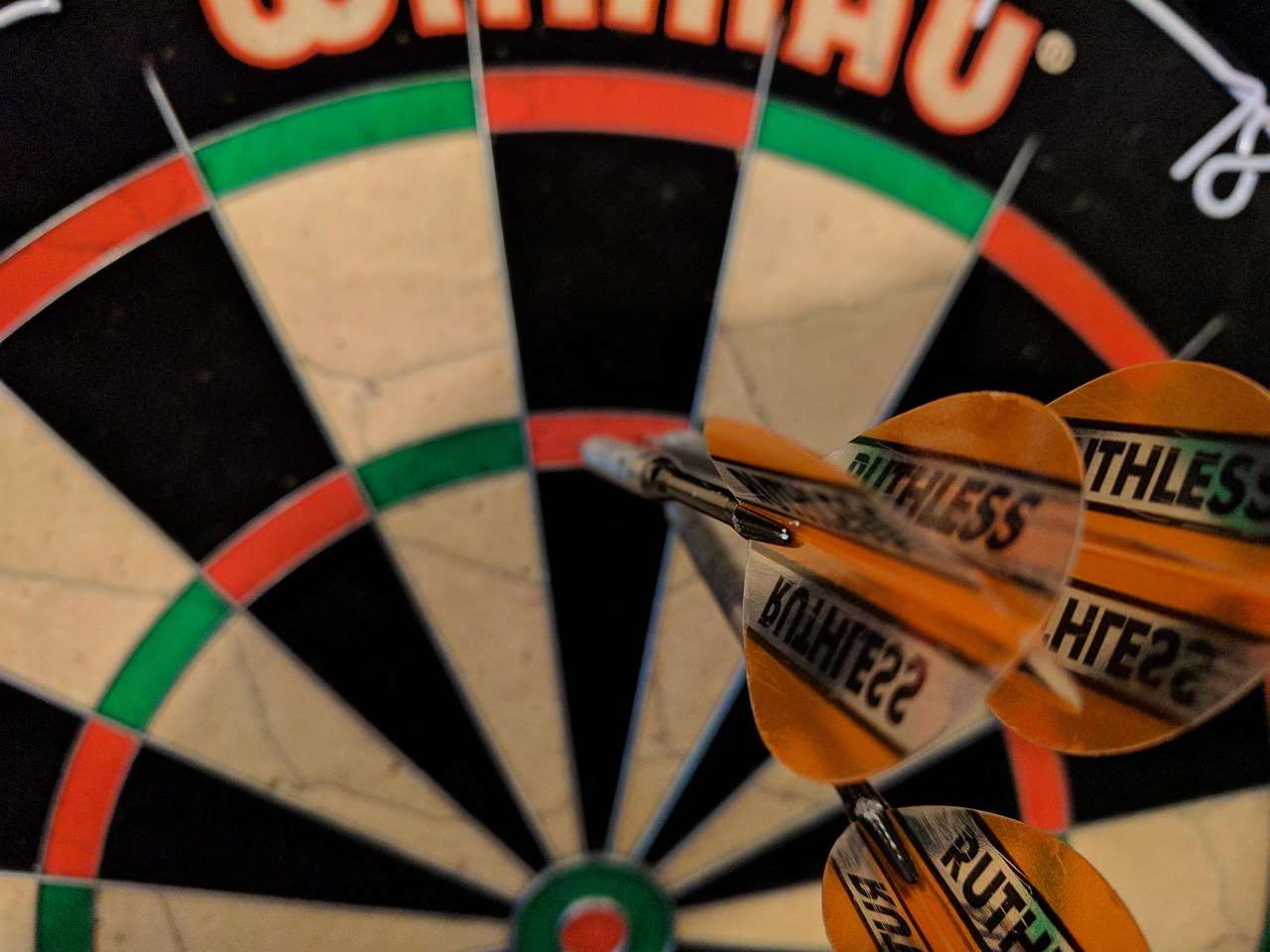
Shafts and flights affect the dart’s aerodynamics and stability in flight. Shorter shafts tend to make the dart fly straighter, while longer shafts can provide more stability. Flights come in various shapes and sizes, each with its own aerodynamic properties. Smaller flights generally result in a faster, more direct flight, while larger flights provide more stability and can correct for minor imperfections in your throwing technique.
The material of the shaft also matters, with nylon and aluminum being common choices. Aluminum shafts are more durable but can bend upon impact. Nylon shafts are more flexible and less likely to bend, but they may break more easily. Consider Choose Right Dart Material when picking these elements to complement your chosen tungsten level.
Testing and Experimentation
The best way to determine which tungsten percentage choose is to test and experiment with different darts. Visit a local dart shop or ask friends if you can try out their darts. Pay attention to how each dart feels in your hand, how it flies, and how consistently you can throw it.
Keep Records
Keep a record of your results as you experiment with different darts. Note the tungsten percentage, weight, grip, shaft, and flights of each dart, as well as your scores and overall feel. This will help you identify patterns and make informed decisions.
Don’t Be Afraid to Adjust
Don’t be afraid to adjust your setup as you improve your skills and refine your throwing technique. You might find that a dart that worked well for you initially is no longer the best fit as your game evolves. Regular adjustments can significantly improve your overall dart performance. Understanding the benefits and disadvantages of different materials and weights, as explained in Tungsten Darts Pros Cons, will help in this process.
Professional Recommendations and Reviews
Consulting with experienced dart players or reading professional reviews can provide valuable insights into which tungsten percentage choose. Many websites and magazines offer detailed reviews of different darts, highlighting their strengths and weaknesses. These reviews can help you narrow down your options and make a more informed decision.
Seek Expert Advice
Consider seeking advice from a professional dart coach or instructor. They can analyze your throwing technique and recommend a dart setup that is tailored to your individual needs and preferences. Professional guidance can be invaluable in helping you reach your full potential as a dart player.
Read Reviews Carefully
When reading reviews, pay attention to the reviewer’s experience level and playing style. A review from a beginner might not be as relevant to an experienced player, and vice versa. Look for reviews that are detailed, objective, and based on thorough testing.
Conclusion
Choosing the right tungsten percentage for your darts is a personal journey, influenced by your skill level, playing style, budget, and preferences. While a range between 80% and 95% often provides the best balance of performance and value, careful consideration of weight, balance, grip, shafts, and flights is essential. Remember to experiment and adjust your setup as you progress. Ultimately, the best dart is the one that feels most comfortable and allows you to throw consistently and accurately. Now that you have a better understanding of which tungsten percentage choose, take the next step and find the perfect darts to elevate your game!
Ready to upgrade your game? Visit your local dart shop or browse online retailers to explore different tungsten percentage darts and find the perfect set for you. Happy darting!

Hi, I’m Dieter, and I created Dartcounter (Dartcounterapp.com). My motivation wasn’t being a darts expert – quite the opposite! When I first started playing, I loved the game but found keeping accurate scores and tracking stats difficult and distracting.
I figured I couldn’t be the only one struggling with this. So, I decided to build a solution: an easy-to-use application that everyone, no matter their experience level, could use to manage scoring effortlessly.
My goal for Dartcounter was simple: let the app handle the numbers – the scoring, the averages, the stats, even checkout suggestions – so players could focus purely on their throw and enjoying the game. It began as a way to solve my own beginner’s problem, and I’m thrilled it has grown into a helpful tool for the wider darts community.