The best answer to **when to sharpen your darts** is *before* they become noticeably dull, aiming for maintenance every few games or practice sessions to ensure optimal grip and board penetration; waiting until they’re blunt leads to increased bounce-outs and frustration. This article will explore the importance of sharp darts, methods for sharpening, and how to maintain your darts for peak performance.
⚠️ Still Using Pen & Paper (or a Chalkboard)?! ⚠️
Step into the future! The Dart Counter App handles all the scoring, suggests checkouts, and tracks your stats automatically. It's easier than you think!
Try the Smart Dart Counter App FREE!Ready for an upgrade? Click above!
Why Sharp Darts Matter
The sharpness of your darts directly influences your game. Dull darts are more likely to glance off the board, leading to frustrating bounce-outs. A sharp dart, on the other hand, will pierce the board more easily, increasing your chances of scoring. Moreover, maintaining sharp darts ensures a cleaner grip, promoting consistency in your throws. Think of it like this: a dull knife requires more force and is more prone to slipping; the same principle applies to darts. Investing in regular dart maintenance, specifically **when to sharpen your darts**, pays dividends in accuracy and enjoyment of the game. This also means less wear and tear on your dartboard.
The Impact on Scoring
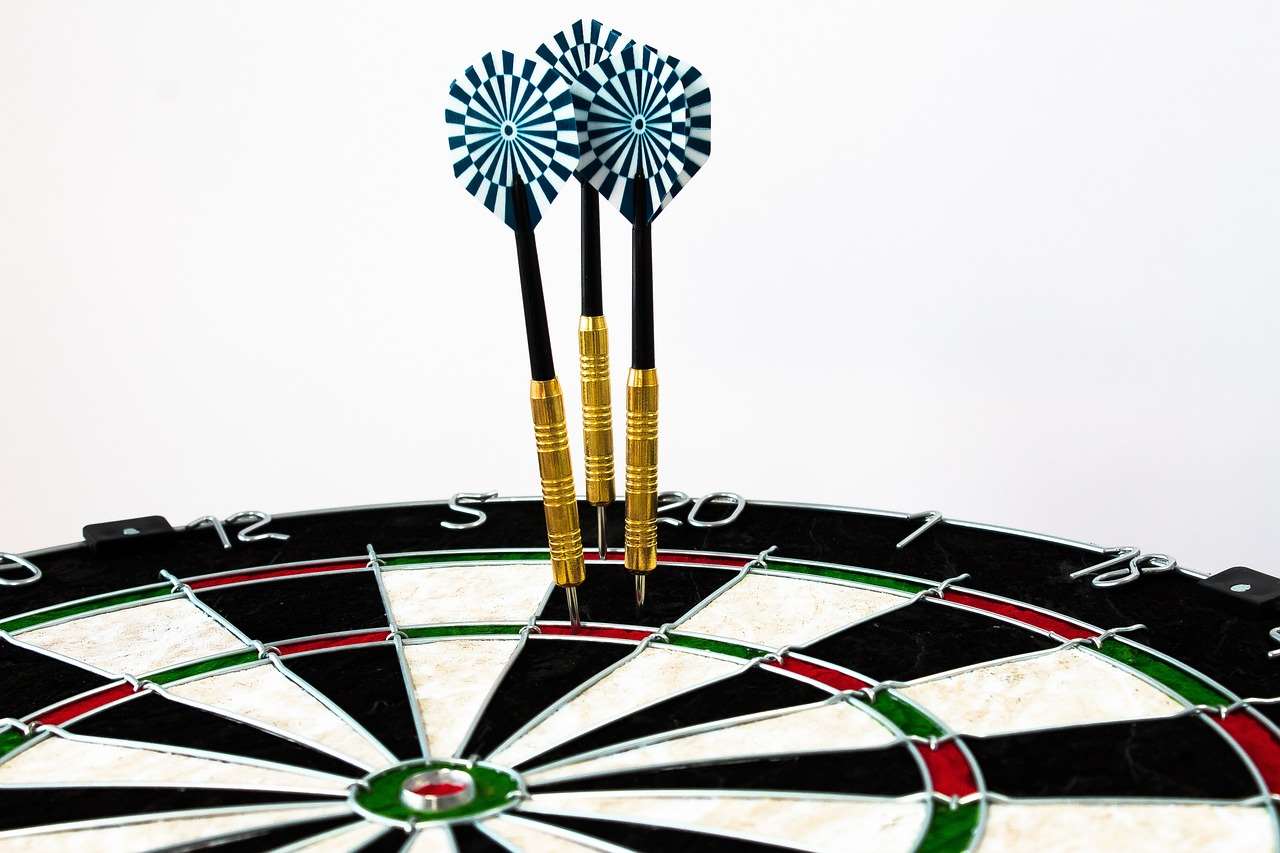
A primary reason to prioritize sharp darts is the direct impact on your score. A higher scoring average is often achieved when darts consistently stick into the board. Bounce-outs are a common occurrence with dull darts, immediately costing you points and disrupting your rhythm. By ensuring your darts are sharp, you minimize the risk of these costly errors. Furthermore, sharp darts tend to create smaller holes in your dartboard, prolonging its lifespan and maintaining its integrity.
Enhancing Your Grip
Another critical benefit of sharp darts is the improved grip they offer. A dull tip can cause your fingers to slip during release, leading to inaccurate throws. Sharp darts provide a more secure and consistent point of contact, allowing for a cleaner and more controlled release. This enhanced grip is particularly important for players who rely on a delicate touch and precise movements.
Knowing When To Sharpen Your Darts: The Signs
Determining **when to sharpen your darts** is crucial for maintaining optimal performance. Here are some key indicators that it’s time to reach for your dart sharpener:
- Visible Dullness: The most obvious sign is a visibly rounded or flattened tip. A sharp dart should have a distinct point.
- Increased Bounce-Outs: If you notice a significant increase in bounce-outs, even with well-aimed throws, your darts are likely losing their edge.
- Difficulty Sticking: If your darts require more force to penetrate the board than usual, it’s a clear indication of dullness.
- Inconsistent Flights: While many factors can affect dart flight, dull points can contribute to wobble or instability.
It’s better to err on the side of caution and sharpen your darts more frequently than not often enough. A quick touch-up can make a significant difference in your game. Experimenting with different dartboard setups, including optimal dartboard lighting solutions, can further improve your experience.
Methods for Sharpening Darts
There are several methods for sharpening your darts, each with its own set of advantages and disadvantages. The best method for you will depend on your budget, the type of darts you use, and your personal preference. Here are a few popular options:
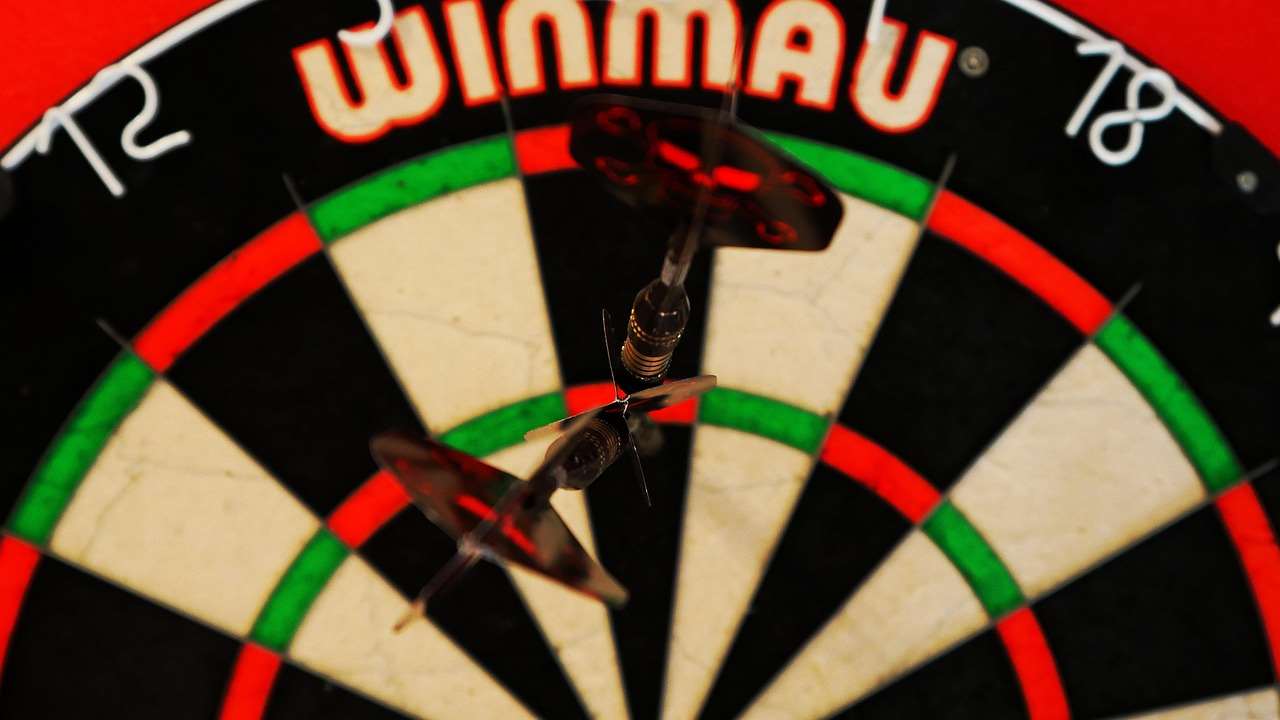
- Dart Sharpening Stones: These are perhaps the most common and affordable option. They typically consist of a small, abrasive stone with varying grits. To use a sharpening stone, hold the dart at a slight angle and gently rotate it against the stone, applying even pressure.
- Dart Sharpening Tools: These tools are specifically designed for sharpening darts and often include multiple sharpening surfaces for different levels of dullness. They are typically more precise and easier to use than sharpening stones.
- Electric Dart Sharpeners: These devices offer the fastest and most convenient way to sharpen your darts. However, they can be more expensive than other options.
Choosing the Right Sharpening Tool
When selecting a dart sharpening tool, consider the following factors:
- Grit: Choose a tool with a variety of grits to address different levels of dullness.
- Material: Look for tools made from durable materials that will withstand frequent use.
- Ease of Use: Select a tool that is comfortable to hold and easy to operate.
Remember to always follow the manufacturer’s instructions when using any dart sharpening tool. Always ensure that your dartboard lighting is adequate for clear visibility during setup and gameplay.
The Art of Dart Maintenance: Beyond Sharpening
While sharpening is essential, it’s only one aspect of proper dart maintenance. To keep your darts in top condition and extend their lifespan, consider these additional tips:
- Cleaning: Regularly clean your darts with a soft cloth to remove dirt and grime.
- Re-Pointing: Over time, dart points can become bent or damaged. Consider replacing them with new points to restore optimal performance.
- Checking Flights: Inspect your flights for tears or damage and replace them as needed.
- Tightening Shafts: Ensure your dart shafts are securely tightened to prevent wobbling.
Understanding Dart Components
A dart is more than just a point; it’s a complex assembly of components working together. The barrel’s weight and grip, the shaft’s length and material, and the flight’s shape and size all contribute to the dart’s overall performance. Understanding how these components interact can help you fine-tune your darts to suit your throwing style. This goes hand in hand with knowing **when to sharpen your darts**.
Replacing Points: A Step-by-Step Guide
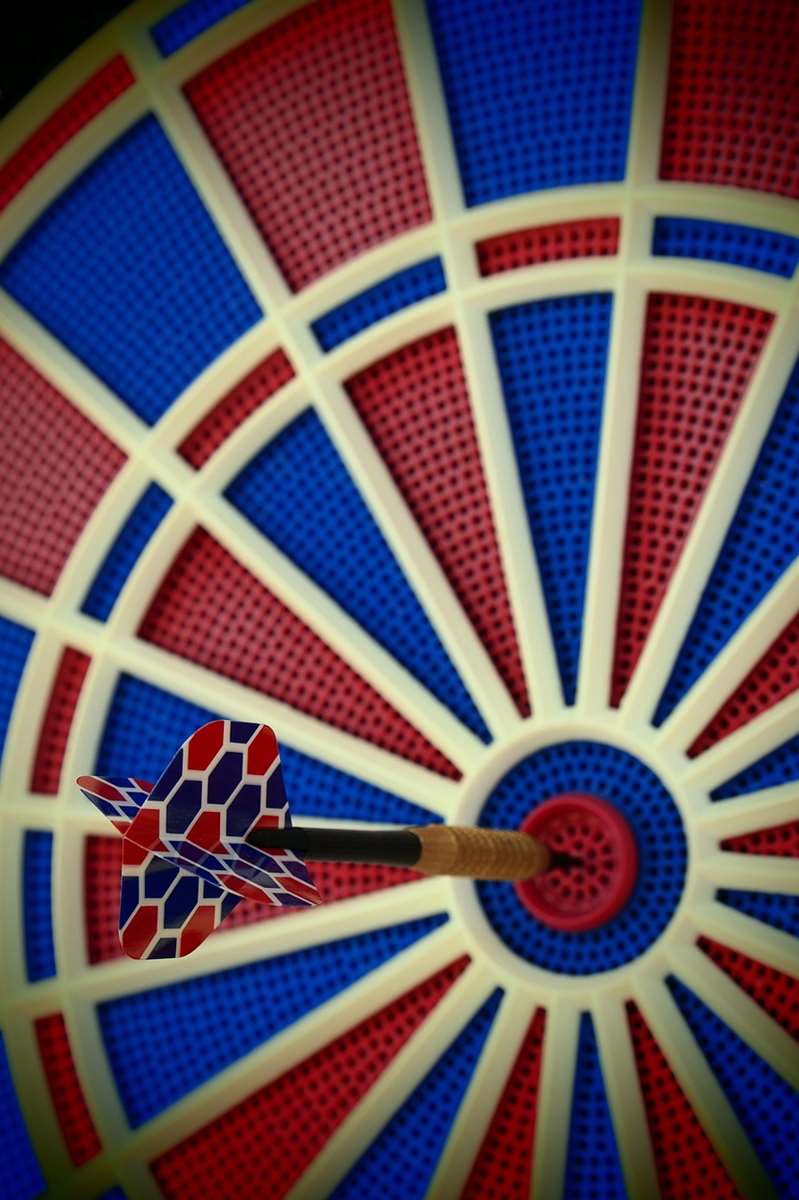
Replacing your dart points is a relatively simple process, but it requires the right tools and techniques. Here’s a basic guide:
- Remove the Old Point: Use a dart point removal tool to safely extract the old point from the barrel.
- Clean the Barrel: Clean the inside of the barrel to remove any debris or residue.
- Insert the New Point: Insert the new point into the barrel, ensuring it is securely seated.
- Secure the Point: Use a dart point press to crimp the point in place.
The Psychology of Sharp Darts
Beyond the technical benefits, sharp darts can also provide a psychological edge. Knowing that your equipment is in top condition can boost your confidence and improve your focus. This mental advantage can be particularly valuable during competitive matches, where every point counts. Think of it as a ritual – the act of sharpening and maintaining your darts prepares you mentally for the game ahead, signaling your commitment to peak performance. Never underestimate the power of a well-maintained set of darts, especially the feeling of confidence derived from knowing exactly **when to sharpen your darts**.
Building Confidence Through Preparation
Preparation is key to success in any endeavor, and darts is no exception. Taking the time to properly maintain your darts demonstrates a commitment to excellence and a desire to perform at your best. This dedication can translate into increased confidence and a more positive mindset, which can ultimately lead to better results. This proactive approach, including routine sharpening, contributes significantly to your overall performance. Don’t overlook how how to light your dartboard also influences your game.
Staying Focused Under Pressure
Competitive darts can be a high-pressure environment. Maintaining sharp darts becomes even more critical, as the assurance of reliable equipment allows you to focus solely on your technique and strategy, eliminating doubt and potential distractions. A properly sharpened dart, therefore, becomes an extension of your mental fortitude, supporting your concentration and helping you perform optimally under pressure.
Finding Your Sharpening Rhythm
Ultimately, the best approach is to develop a routine that works for you. Some players prefer to sharpen their darts before every game, while others find that weekly maintenance is sufficient. Experiment and find what schedule helps you achieve optimal sharpness and performance. Also, consider the type of dartboard you’re using, as some boards may dull your darts faster than others. Taking the time to assess your individual needs and preferences will allow you to create a maintenance schedule that fits seamlessly into your playing routine. This personalized approach is key to consistently maximizing your performance and enjoying the game. Determining **when to sharpen your darts** isn’t just about preserving your equipment; it’s about refining your entire playing experience.
Tracking Your Darts’ Performance
Keep a log of your dart performance to understand **when to sharpen your darts**. Note how frequently you play, the type of dartboard used, and when you last sharpened your darts. This data can help you identify patterns and determine the optimal sharpening frequency for your specific setup. This tracking method provides a quantitative basis for your maintenance schedule, allowing for more informed decisions and improved performance. It’s a proactive way to stay ahead of potential issues and ensure your darts are always in top condition.
Adjusting for Different Dartboard Types
The type of dartboard you use can significantly impact the lifespan of your dart points. Softer dartboards may be more forgiving, while harder boards can dull points more quickly. Consider adjusting your sharpening frequency based on the type of board you’re using. By tailoring your approach to the specific conditions you face, you can ensure your darts remain sharp and effective regardless of the board type. This adaptive strategy demonstrates a thorough understanding of your equipment and how it interacts with the playing environment.
Conclusion
Knowing **when to sharpen your darts** is more than just a maintenance task; it’s an integral part of improving your game. By paying attention to the signs of dullness, using appropriate sharpening methods, and establishing a consistent maintenance routine, you can ensure that your darts are always performing at their best. Remember that sharp darts contribute to more accurate throws, fewer bounce-outs, and a more confident playing experience. So, take the time to sharpen your darts regularly and enjoy the benefits of a well-maintained set of equipment. Now that you have this knowledge, take action and inspect your darts, sharpening them as needed to improve your game today!

Hi, I’m Dieter, and I created Dartcounter (Dartcounterapp.com). My motivation wasn’t being a darts expert – quite the opposite! When I first started playing, I loved the game but found keeping accurate scores and tracking stats difficult and distracting.
I figured I couldn’t be the only one struggling with this. So, I decided to build a solution: an easy-to-use application that everyone, no matter their experience level, could use to manage scoring effortlessly.
My goal for Dartcounter was simple: let the app handle the numbers – the scoring, the averages, the stats, even checkout suggestions – so players could focus purely on their throw and enjoying the game. It began as a way to solve my own beginner’s problem, and I’m thrilled it has grown into a helpful tool for the wider darts community.