Ensuring wheelchair darts setup safety is paramount for an inclusive and enjoyable game; the correct board height, ample maneuvering space, and secure mounting are critical. This article will guide you through establishing a safe and accessible darts setup, covering everything from board placement and lighting to protective measures and accessibility considerations for wheelchair users.
⚠️ Still Using Pen & Paper (or a Chalkboard)?! ⚠️
Step into the future! The Dart Counter App handles all the scoring, suggests checkouts, and tracks your stats automatically. It's easier than you think!
Try the Smart Dart Counter App FREE!Ready for an upgrade? Click above!
Prioritizing Wheelchair Darts Setup Safety
When setting up a dartboard for wheelchair users, safety should always be the top priority. A poorly configured setup can lead to accidents, injuries, and an overall negative experience. We’ll explore the crucial aspects of wheelchair darts setup safety, providing practical tips to create a secure and enjoyable environment.
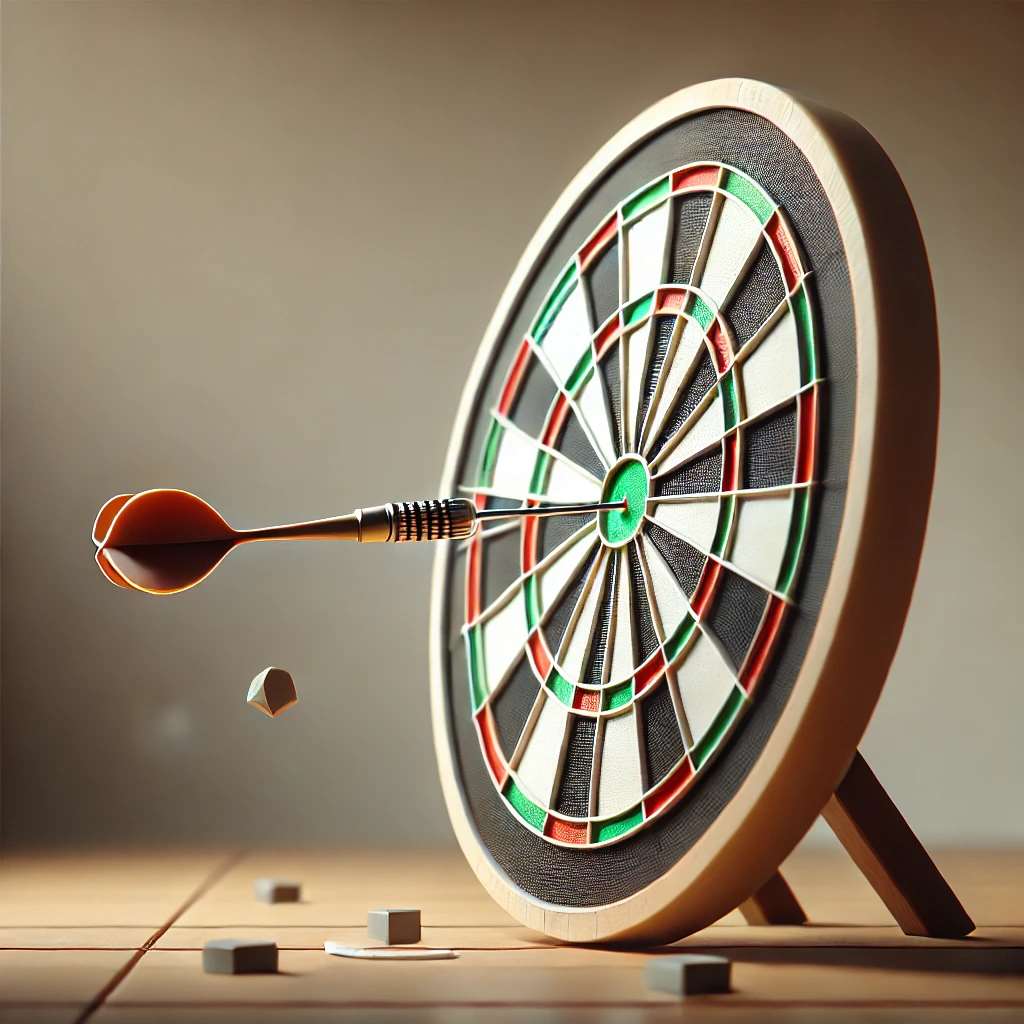
One of the first things to consider is the **stability of the dartboard**. The dartboard must be securely mounted to a wall or a stand that can withstand the impact of darts. It’s also important to ensure that the surrounding area is free of obstacles that could cause someone to trip or fall, especially given the limited mobility of wheelchair users. Furthermore, having adequate lighting is crucial for visibility and accuracy, which reduces the risk of stray darts and potential injuries.
Essential Safety Measures for Wheelchair Darts
Beyond the basic setup, implementing specific safety measures is key to preventing accidents. This includes using protective equipment and establishing clear boundaries.
- Dartboard Surround: A dartboard surround is a padded area that surrounds the dartboard, protecting the wall from stray darts. This is especially important in a wheelchair darts environment, as misthrows can happen more frequently due to variations in arm reach and stability.
- Clear Throwing Line: Clearly define the throwing line (oche) and ensure it’s easily accessible for wheelchair users. Consider using a non-slip mat at the throwing line to provide added traction. The distance to the oche should comply with regulations to promote fair play. This is an important aspect covered in Basic Darts Fundamentals for Beginners.
- Adequate Lighting: Proper lighting is crucial. Use a well-positioned light source to eliminate shadows on the dartboard. Ensure the light doesn’t shine directly into the player’s eyes, causing glare and discomfort.
- First Aid Kit: Keep a well-stocked first aid kit readily available in case of minor injuries.
Optimal Dartboard Height and Positioning for Wheelchair Users
The standard dartboard height is typically set for standing players, which is 5 feet 8 inches (1.73 meters) from the floor to the center of the bullseye. However, for wheelchair users, this height may need adjustment to ensure comfortable and accurate play. Determining the optimal **dartboard height** requires careful consideration of the individual’s arm reach and seated posture.
Consider conducting test throws at varying heights to determine the most suitable position for the player. This may involve lowering the dartboard to a point where the bullseye is easily accessible and the player can maintain a comfortable and stable throwing position. Furthermore, assess the player’s eye level in a seated position to ensure proper visibility of the dartboard. This also ties into **dart throwing techniques** that might need adjustment for wheelchair users.
Accessibility Considerations for Optimal Wheelchair Darts Setup Safety
Creating an accessible environment goes beyond just the dartboard height. It involves ensuring that the entire playing area is wheelchair-friendly.
- Sufficient Maneuvering Space: Provide ample space for wheelchair users to maneuver around the throwing area. Ensure there are no obstructions that could hinder movement.
- Ramps and Level Surfaces: If there are any changes in floor level, install ramps or ensure level surfaces to allow easy access for wheelchair users.
- Accessible Scoreboard: Position the scoreboard at a height that is easily visible and reachable for wheelchair users. Alternatively, utilize an electronic scoreboard with large, clear display.
Choosing the Right Dartboard and Equipment
Selecting the right dartboard and equipment can significantly impact the safety and enjoyment of the game. Look for features that enhance visibility, reduce bounce-outs, and promote a safe playing environment. It’s not just about **game rules**, but about ensuring those rules can be played safely and accessibly.
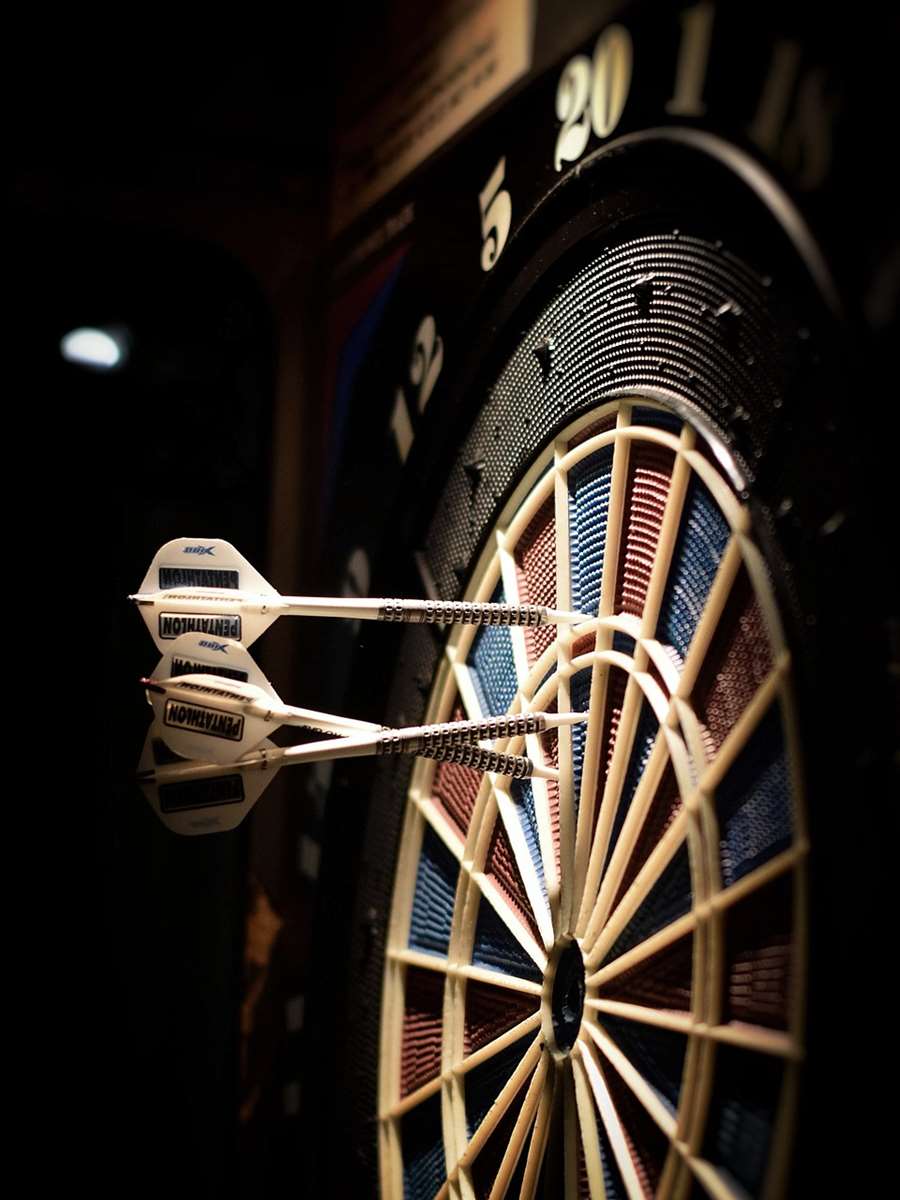
- Bristle Dartboard: Opt for a high-quality bristle dartboard made from sisal fibers. These boards are self-healing, reducing the likelihood of bounce-outs and prolonging the board’s lifespan.
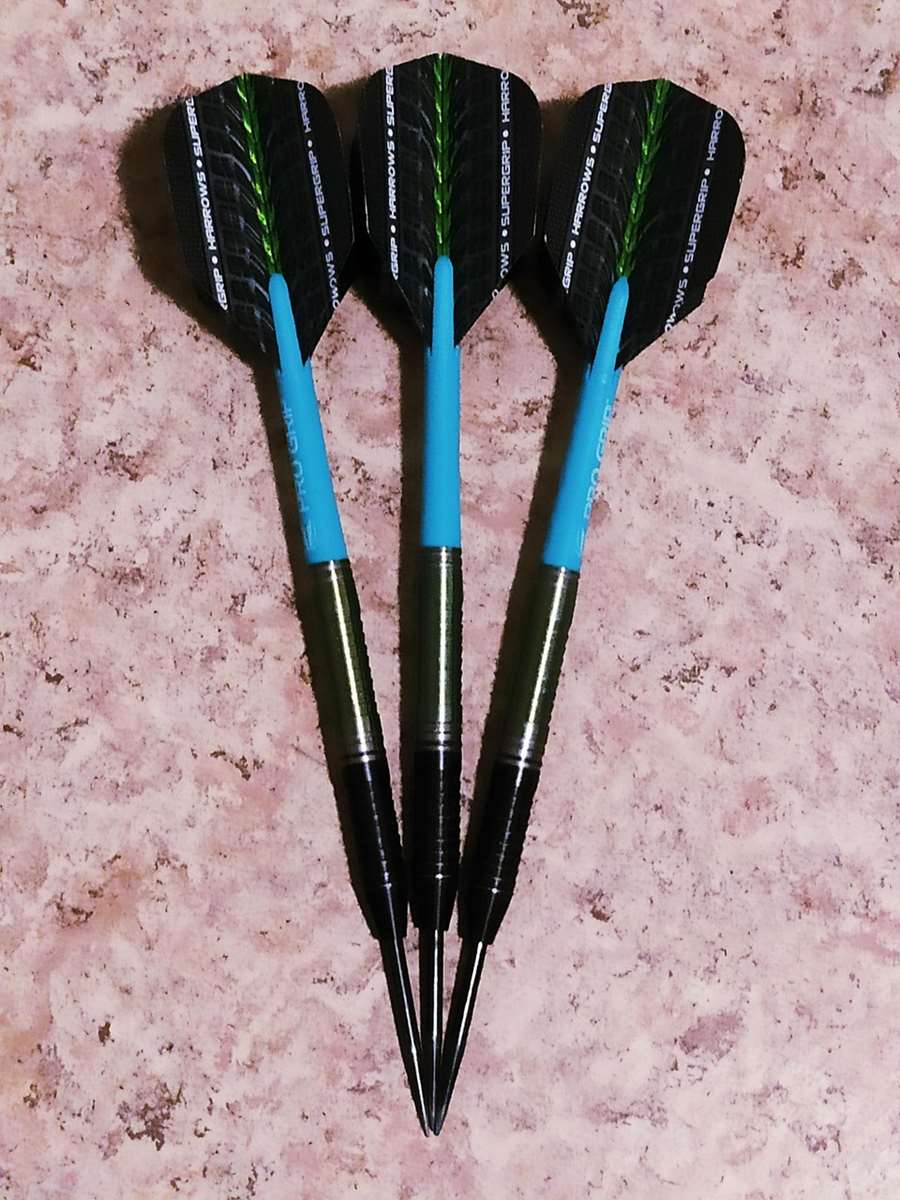
- Weight and Type of Darts: Darts come in various weights and materials. Experiment to find the most comfortable and accurate dart for each player. Lighter darts might be preferred by some wheelchair users.
- Dartboard Lighting: Invest in a good quality dartboard lighting system that provides even illumination across the board. This helps reduce shadows and improve visibility.
Safe Throwing Techniques and Practices
Even with a perfectly configured setup, unsafe throwing techniques can still lead to accidents. Promoting safe throwing practices is essential for preventing injuries.
- Proper Stance: Encourage players to maintain a stable and balanced stance. Wheelchair users should ensure their chair is securely positioned before throwing.
- Controlled Throw: Emphasize the importance of a controlled and smooth throwing motion. Avoid jerky or forceful throws that could lead to misthrows.
- Focus and Concentration: Encourage players to focus on the target and avoid distractions while throwing.
- No Horseplay: Establish a strict “no horseplay” rule to prevent accidental throws and injuries.
Protecting Spectators and the Surrounding Area
Safety considerations should extend beyond the player to include spectators and the surrounding environment. Implementing protective measures can help prevent accidental injuries and damage to property. This might require adapting some adapting darts rules for beginners.
- Designated Spectator Area: Establish a designated spectator area that is a safe distance away from the throwing line.
- Protective Barriers: Consider using protective barriers, such as screens or nets, to separate the playing area from the spectator area.
- Wall Protection: Install wall protectors to prevent damage from stray darts.
- Floor Protection: Use floor mats to protect the floor from dart impacts and to provide added cushioning.
Regular Inspection and Maintenance
Regular inspection and maintenance are crucial for ensuring the continued safety and reliability of the dartboard setup. This includes checking the stability of the dartboard mounting, the condition of the dartboard surround, and the functionality of the lighting system.
Routinely inspect the dartboard for any signs of wear and tear, such as loose wires or damaged bristle fibers. Replace worn or damaged components promptly to prevent accidents. Also, check the surrounding area for any potential hazards, such as loose cords or uneven flooring. Addressing these issues promptly can help maintain a safe and enjoyable playing environment and greatly improve **dart game performance**.
Addressing Potential Hazards and Emergency Situations
It’s important to be prepared for potential hazards and emergency situations that may arise during a dart game. This includes having a plan in place for handling injuries, dealing with equipment malfunctions, and responding to unexpected events.
- First Aid Training: Ensure that at least one person present is trained in basic first aid.
- Emergency Contact Information: Keep a list of emergency contact numbers readily available.
- Emergency Exit Plan: Develop an emergency exit plan in case of a fire or other emergency.
- Equipment Malfunction Procedures: Establish procedures for handling equipment malfunctions, such as a broken dartboard or a faulty lighting system.
Adapting Rules and Regulations for Wheelchair Darts
Standard dart rules and regulations may need to be adapted to accommodate wheelchair users. This could involve adjusting the throwing distance, modifying the scoring system, or implementing special rules to address specific accessibility challenges. You might even consider Fun dart game variations with modified rules that are more accessible.
It’s important to consult with disability organizations and experienced wheelchair darts players to develop fair and inclusive rules that promote equal participation and ensure fair competition.
Promoting Inclusivity and Accessibility
The ultimate goal is to create an inclusive and accessible environment where everyone can enjoy the game of darts, regardless of their physical abilities. By prioritizing wheelchair darts setup safety and implementing inclusive practices, we can make darts a truly universal sport.
This involves not only physical accessibility but also fostering a welcoming and supportive atmosphere. Encourage inclusivity by providing opportunities for people of all abilities to participate, learn, and compete. Celebrate diversity and promote respect for all players. By creating a welcoming and inclusive environment, we can break down barriers and ensure that everyone has the opportunity to experience the joy of playing darts. Also, ensure there’s consideration for players How to make darts fairer with handicap rules.
Conclusion
Creating a safe and accessible wheelchair darts setup requires careful planning and attention to detail. By prioritizing safety measures, considering accessibility requirements, and adapting rules as needed, you can create an inclusive and enjoyable environment for all players. Remember to regularly inspect and maintain your setup, address potential hazards promptly, and promote safe throwing practices. By following these guidelines, you can ensure that wheelchair darts is a safe, fun, and engaging activity for everyone. Start implementing these tips today to create a safer and more enjoyable darts experience for wheelchair users. Consider joining a local darts league or organization to connect with other players and share your passion for the game.

Hi, I’m Dieter, and I created Dartcounter (Dartcounterapp.com). My motivation wasn’t being a darts expert – quite the opposite! When I first started playing, I loved the game but found keeping accurate scores and tracking stats difficult and distracting.
I figured I couldn’t be the only one struggling with this. So, I decided to build a solution: an easy-to-use application that everyone, no matter their experience level, could use to manage scoring effortlessly.
My goal for Dartcounter was simple: let the app handle the numbers – the scoring, the averages, the stats, even checkout suggestions – so players could focus purely on their throw and enjoying the game. It began as a way to solve my own beginner’s problem, and I’m thrilled it has grown into a helpful tool for the wider darts community.