The darts used by professional players are highly personalized, reflecting years of experience and fine-tuning, but they generally consist of tungsten barrels weighing between 21-26 grams, custom flights and stems chosen for stability and control, and meticulously selected grip patterns. This article explores in detail **what darts do pro players use**, examining the specific components, common preferences, and the reasons behind those choices.
⚠️ Still Using Pen & Paper (or a Chalkboard)?! ⚠️
Step into the future! The Dart Counter App handles all the scoring, suggests checkouts, and tracks your stats automatically. It's easier than you think!
Try the Smart Dart Counter App FREE!Ready for an upgrade? Click above!
Understanding **What Darts Do Pro Players Use**: Key Components
When asking “**what darts do pro players use**?”, it’s crucial to break down the dart into its individual components: the barrel, the stem (or shaft), and the flight. Each element contributes to the dart’s overall performance and feel.
- Barrel: The barrel is the main body of the dart and is usually made of tungsten or a tungsten alloy. Tungsten allows for a slimmer barrel with the same weight, increasing scoring potential by allowing for tighter groupings on the dartboard.
- Stem: Stems connect the flight to the barrel. They come in various lengths and materials like nylon, aluminum, and carbon fiber. The stem length influences the dart’s trajectory.
- Flight: Flights are attached to the stem and provide stability during flight. They come in various shapes and sizes, each affecting the dart’s aerodynamics.
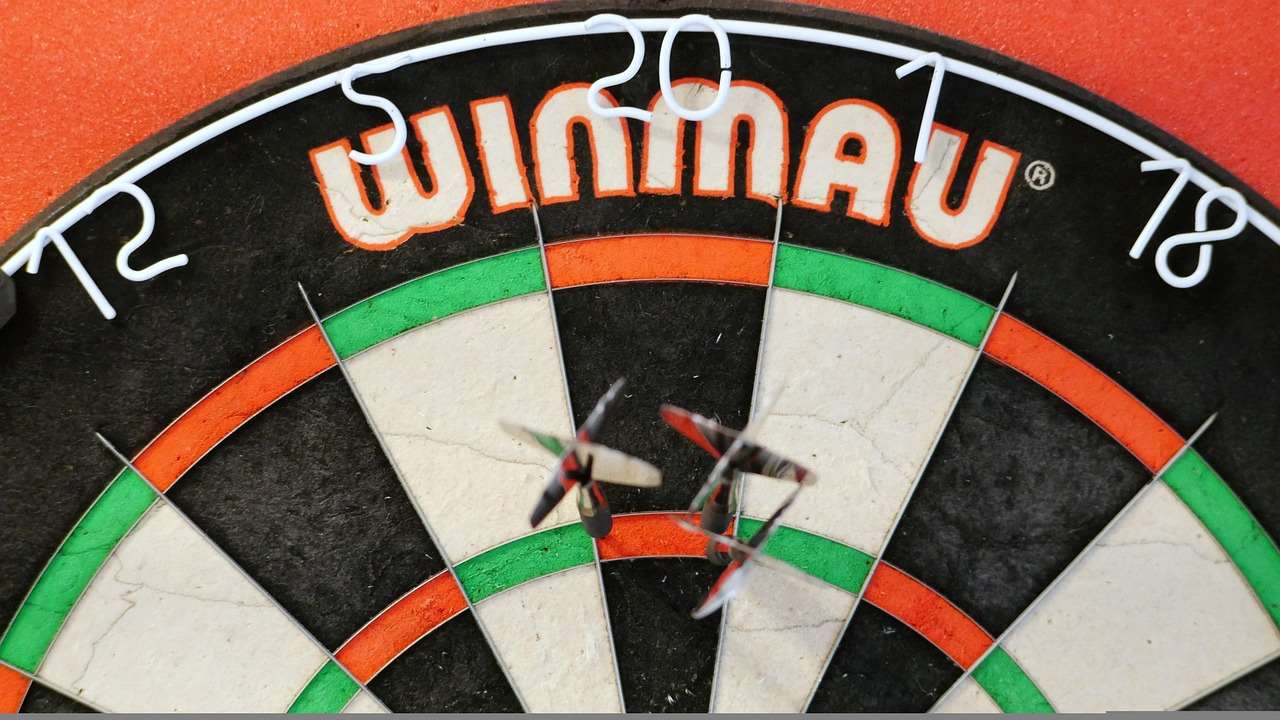
Professional dart players spend considerable time experimenting with different combinations of these components to find the perfect balance and feel for their throwing style. The weight distribution, grip, and aerodynamics all play a critical role in accuracy and consistency. Finding the perfect dart is also related to having the Choose Best Dart Equipment.
The Importance of Barrel Material and Weight
The barrel is arguably the most important part of the dart. **Tungsten barrels** are favored by professionals because of their density. A dart made of brass, for example, would need to be significantly thicker to achieve the same weight as a tungsten dart. This thickness can obstruct the board when grouping darts closely.
Dart weight is also a significant factor. Most professional players use darts weighing between 21 and 26 grams. However, the ideal weight is highly individual. Some players prefer lighter darts for a faster, more direct throw, while others prefer heavier darts for added stability and control. The right weight helps ensure consistently accurate throws, leading to better performance.
The **grip** on the barrel is another critical element. Barrels come in various grip styles, from smooth to heavily knurled. Players choose grips that provide a secure and comfortable hold without causing excessive friction during release.
Common Barrel Shapes
- Straight Barrels: These are the most common and versatile barrel shape, suitable for a wide range of throwing styles.
- Torpedo Barrels: These have a thicker front and taper towards the back, providing a forward center of gravity.
- Bomb Barrels: These are thickest in the middle, offering a more balanced feel.
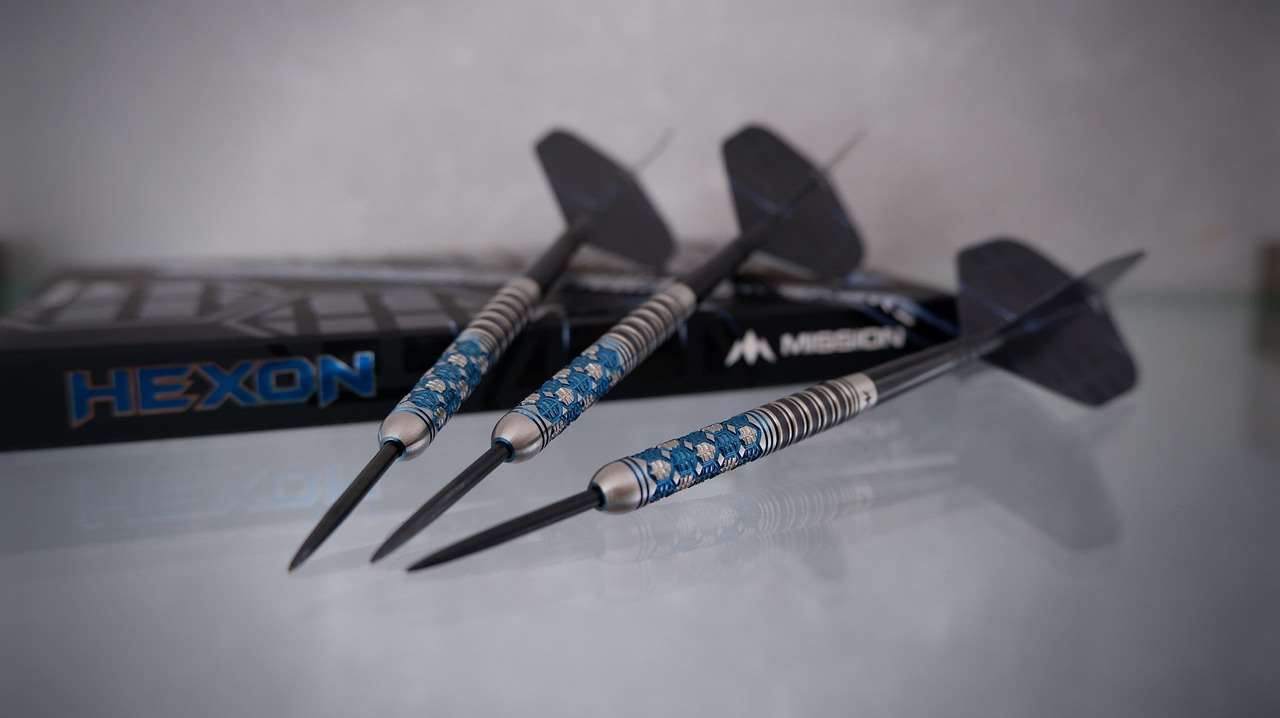
Stem Length and Material: Fine-Tuning Trajectory
The stem length significantly impacts the dart’s flight trajectory. Shorter stems generally cause the dart to fly with a more upward angle, while longer stems result in a flatter trajectory. Professionals experiment to find the stem length that complements their throwing motion and dartboard setup. If you have invested in quality equipment, maintaining it is key; consider reading about Best Dartboard Lighting Systems to protect your equipment.
Stem materials also play a role. Nylon stems are lightweight and inexpensive, making them popular for practice. Aluminum stems are more durable but can bend or break upon impact. Carbon fiber stems offer a combination of lightweight and durability but are more expensive.
Here are some considerations regarding stem selection:
- Shorter Stems: Offer a more compact dart profile, often preferred by players with a faster, wrist-driven throw.
- Medium Stems: The most common length, providing a balance between control and trajectory.
- Longer Stems: Offer greater stability and a flatter trajectory, often preferred by players with a slower, more deliberate throw.
Flight Shape and Size: Controlling Aerodynamics
The flight is the “wing” of the dart, providing stability and influencing its aerodynamic properties. The size and shape of the flight affect the dart’s speed, trajectory, and overall stability in the air. Professionals carefully select flights to complement their barrel, stem, and throwing style.
Common **flight shapes** include:
- Standard: The most common shape, offering a good balance of stability and drag.
- Slim: Reduces drag, allowing the dart to fly faster and straighter.
- Kite: Provides greater stability, especially for players with a less consistent throw.
- Pear: Offers a compromise between standard and slim, providing a balance of speed and stability.
**Flight material** also matters. Thicker flights are more durable but create more drag. Thinner flights are more aerodynamic but more prone to damage. Professionals often use thicker flights during practice and thinner flights during competitions.
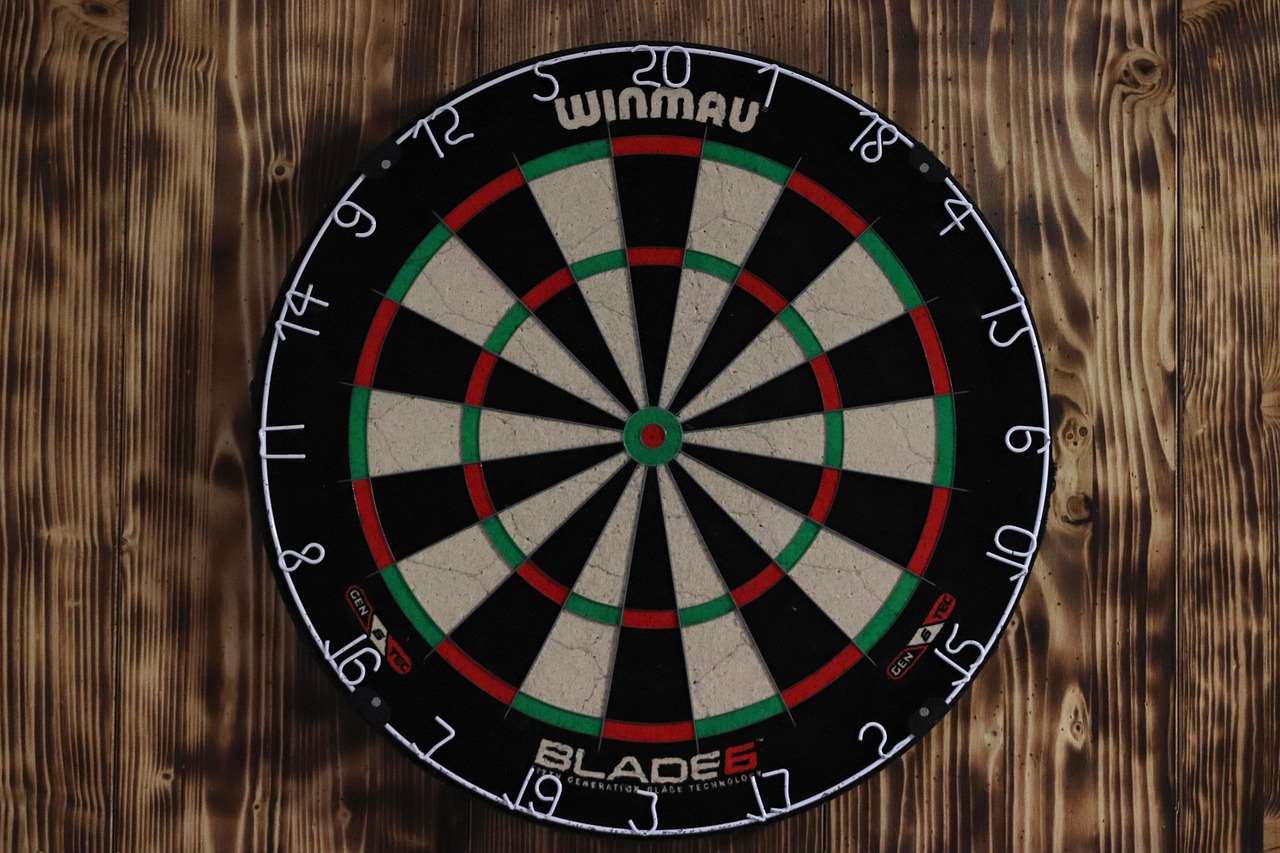
Personalization and Customization: The Key to Professional Darts
While there are general trends in **what darts do pro players use**, the most important aspect is personalization. Professionals often work closely with dart manufacturers to create custom darts tailored to their specific needs and preferences. This can involve modifying barrel shape, grip pattern, stem length, and flight shape.
Custom grips are particularly common. Players may request specific knurling patterns, scallops, or rings on the barrel to improve their grip and release. Some even use custom coatings to enhance grip or protect the barrel from wear and tear. Proper lighting is also an essential aspect of the game, so it’s recommended to read about Optimal Dartboard Lighting Solutions Guide.
Finding Your Perfect Dart Setup
While you may not be a professional, you can still apply the principles of dart customization to find the best setup for your game. Here are some tips:
- Experiment with different barrel weights and shapes. Try a variety of darts to see which feels most comfortable and provides the best results.
- Adjust stem length to fine-tune your trajectory. Observe the angle at which your darts enter the board and adjust stem length accordingly.
- Test different flight shapes to optimize stability. If your darts wobble in flight, try a different flight shape to improve stability.
- Don’t be afraid to mix and match components. The “best” dart is the one that works best for *you*, regardless of what the professionals use.
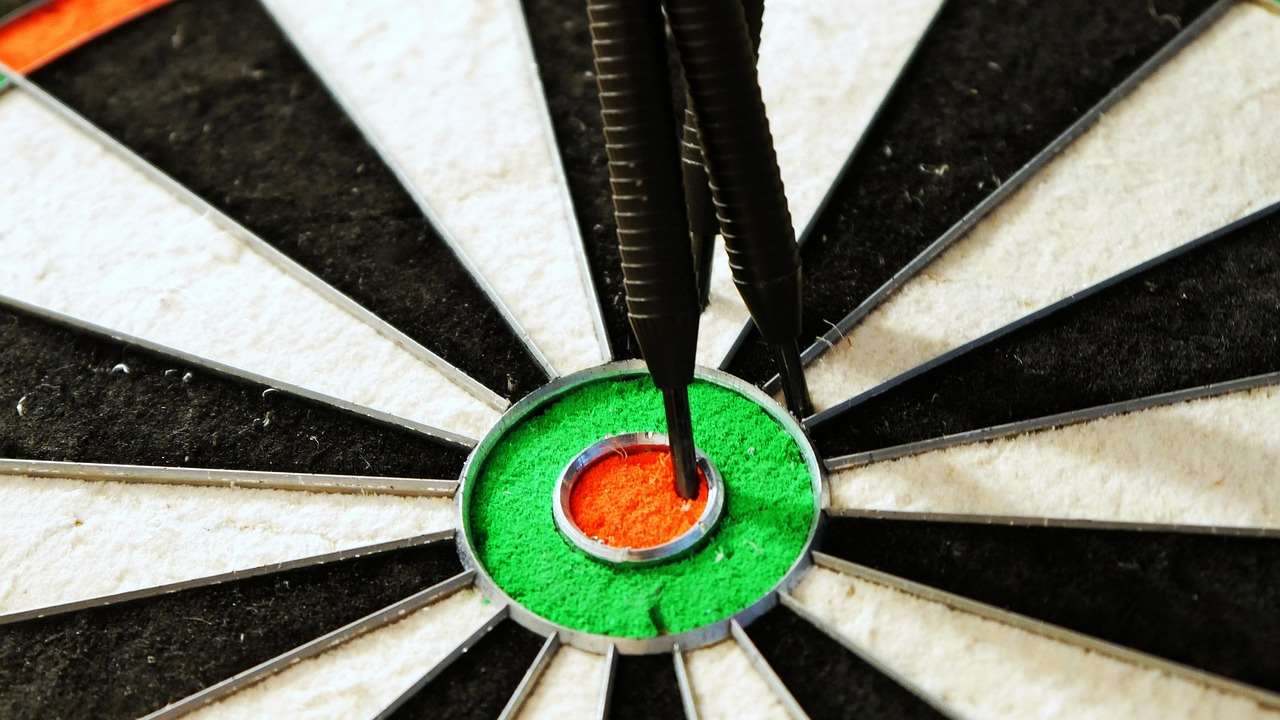
Beyond the Darts: Other Important Factors
While the darts themselves are crucial, other factors contribute to a professional player’s success. These include:
- Practice: Consistent practice is essential for developing muscle memory and refining technique.
- Mental Game: Maintaining focus and composure under pressure is critical in competitive darts.
- Physical Conditioning: Good physical fitness can improve stamina and reduce fatigue during long matches.
- Dartboard Setup: A properly mounted and well-lit dartboard is essential for accurate practice and gameplay. You will want to How To Light Your Dartboard to get the best setup.
Examples of Professional Dart Setups
While personalization is key, let’s look at a few examples of what some professional players use:
- Michael van Gerwen: Typically uses 23-gram darts with a straight barrel and a relatively aggressive grip. His stem and flight choices tend to be standard sizes, focusing on consistent performance.
- Peter Wright: Known for his flamboyant appearance, Wright also uses a variety of dart setups, often switching between different barrel shapes, weights, and flight designs. This allows him to adapt to different opponents and playing conditions.
- Gerwyn Price: Favors heavier darts, often around 25-26 grams, with a torpedo-shaped barrel. He prefers shorter stems and smaller flights for a more direct and aggressive throwing style.
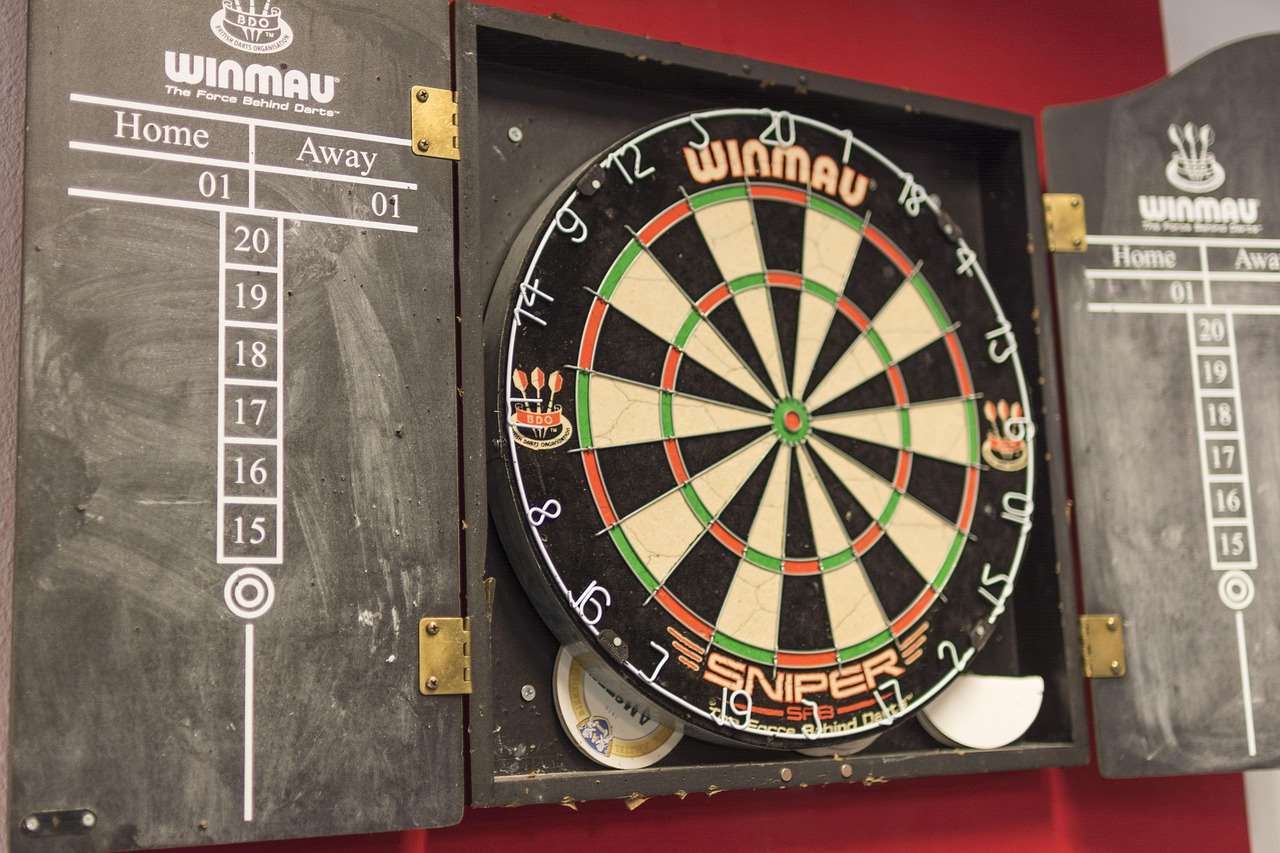
These are just a few examples, and the specific setups may change over time as players continue to experiment and refine their equipment. The key takeaway is that **what darts do pro players use** is a highly individual and constantly evolving process.
Conclusion
In conclusion, answering the question of “**what darts do pro players use**” reveals a world of personalization, fine-tuning, and meticulous attention to detail. While tungsten barrels weighing between 21 and 26 grams are common, the specific stem length, flight shape, grip pattern, and even the material of each component are carefully chosen to match the individual player’s throwing style and preferences. Finding the perfect dart setup is a journey of experimentation and refinement. Whether you’re a seasoned pro or a casual player, understanding the principles of dart customization can help you improve your game and enjoy the sport to its fullest. Take the time to experiment with different dart setups, find what works best for you, and elevate your dart game today!

Hi, I’m Dieter, and I created Dartcounter (Dartcounterapp.com). My motivation wasn’t being a darts expert – quite the opposite! When I first started playing, I loved the game but found keeping accurate scores and tracking stats difficult and distracting.
I figured I couldn’t be the only one struggling with this. So, I decided to build a solution: an easy-to-use application that everyone, no matter their experience level, could use to manage scoring effortlessly.
My goal for Dartcounter was simple: let the app handle the numbers – the scoring, the averages, the stats, even checkout suggestions – so players could focus purely on their throw and enjoying the game. It began as a way to solve my own beginner’s problem, and I’m thrilled it has grown into a helpful tool for the wider darts community.