In professional darts, the **weight limits for competition darts** are strictly regulated: each dart must not exceed 50 grams. This article will delve into the specific regulations surrounding dart weight, explore how weight influences dart performance, and offer guidance on selecting the right dart weight for your playing style, so that you can Choose Best Dart Equipment.
⚠️ Still Using Pen & Paper (or a Chalkboard)?! ⚠️
Step into the future! The Dart Counter App handles all the scoring, suggests checkouts, and tracks your stats automatically. It's easier than you think!
Try the Smart Dart Counter App FREE!Ready for an upgrade? Click above!
Understanding Weight Limits For Competition Darts
The weight limits for competition darts are a fundamental aspect of the sport, ensuring fair play and consistent conditions for all players. Governing bodies like the Professional Darts Corporation (PDC) and the World Darts Federation (WDF) enforce this 50-gram maximum weight rule. This standardization allows players to focus on skill and strategy, rather than gaining an unfair advantage through equipment manipulation. Ignoring these rules can lead to disqualification from tournaments.
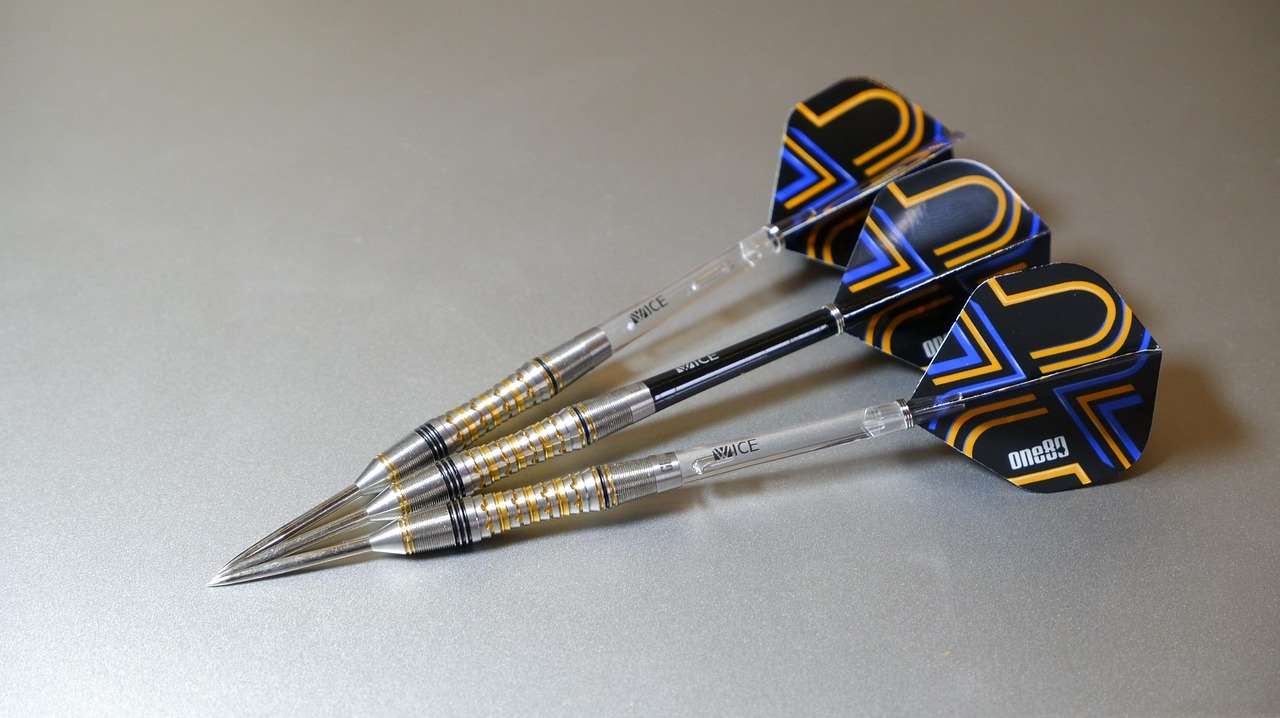
The rationale behind these limits is simple: to maintain a level playing field. Without weight restrictions, players could potentially use excessively heavy darts, altering the trajectory and impact on the dartboard in ways that disadvantage their opponents. These rules encourage skillful dart construction and throwing technique rather than brute force. The weight limits for competition darts helps with fairness.
The Influence of Dart Weight on Performance
Dart weight plays a significant role in how a dart flies and behaves in the air. Heavier darts, generally, tend to be more stable and less susceptible to deflection from air currents or minor imperfections in a player’s throw. Lighter darts, on the other hand, may require a more precise and controlled throwing motion. The best weight is ultimately determined by a player’s personal throwing style and preferences. Finding the perfect **dart balance** is a crucial step.
Stability and Trajectory
Heavier darts tend to have a more stable trajectory, meaning they are less likely to wobble or deviate from their intended path. This can be beneficial for players who prefer a more direct and consistent throw. The increased weight also helps the dart penetrate the dartboard more effectively, reducing the likelihood of bounce-outs. On the other hand, lighter darts can offer a flatter trajectory and quicker travel time to the board, which some players find advantageous.
Throwing Style and Control
The ideal dart weight is highly dependent on your individual throwing style. Players with a more forceful, powerful throw might find that heavier darts suit them better, providing greater stability and control. Those with a smoother, more finesse-oriented throw may prefer lighter darts, allowing for more subtle adjustments and pinpoint accuracy. It’s also important to consider your grip. A comfortable grip is essential for maintaining control, regardless of the dart’s weight. Consider the importance of dart grip and weight in relation to achieving precision and accuracy.
Choosing The Right Dart Weight: A Practical Guide
Selecting the right dart weight involves careful consideration and experimentation. There’s no one-size-fits-all answer, as personal preferences and throwing styles vary greatly. However, there are some general guidelines and practical steps you can follow to find the perfect weight for your game.
Start with a Range
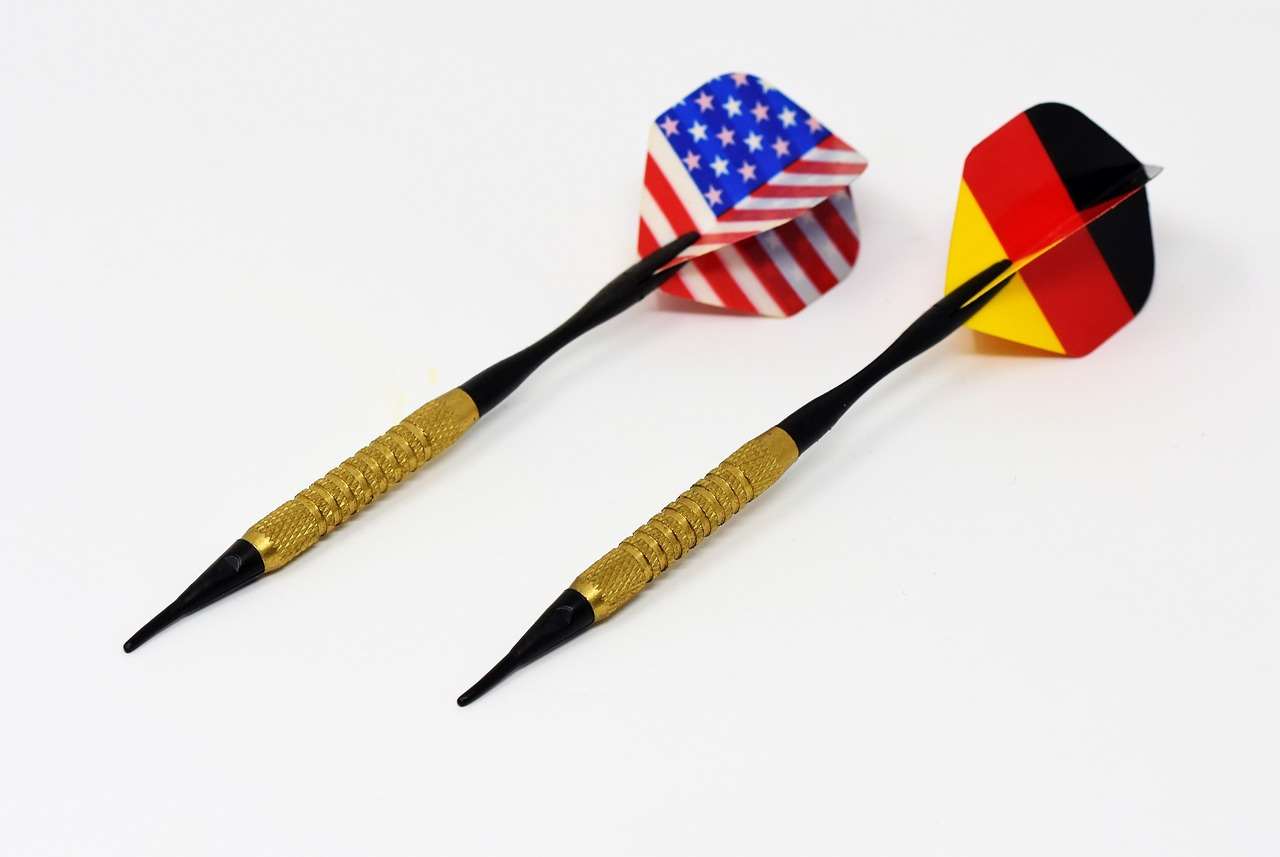
A good starting point is to try darts within a weight range of 22 to 26 grams. This range covers the most commonly used weights among professional and amateur players. Borrow darts from friends, visit a local darts shop, or purchase a trial set with varying weights to experiment and get a feel for different options. Testing out different **dart weights** is the best way to find what works best for you.
Experiment and Evaluate
Once you have a selection of darts within the 22-26 gram range, dedicate time to throwing each set extensively. Pay close attention to how the darts feel in your hand, how they fly through the air, and how consistently you can hit your target. Keep track of your scores and overall performance with each weight. Note any patterns or tendencies you observe. Do certain weights feel more natural and easier to control? Are you achieving better accuracy with one weight over others? This experimental phase is crucial for identifying the weights that best complement your throwing style.
Consider Dart Material and Balance
In addition to the overall weight, the material and balance of the dart also play a significant role in its performance. Darts are typically made from brass, nickel silver, or tungsten. Tungsten darts are denser, allowing for a slimmer barrel profile while maintaining the same weight as bulkier brass or nickel silver darts. This can be advantageous for grouping darts closely together on the dartboard. The balance point of the dart can also affect its flight characteristics. Front-weighted darts tend to be more stable, while rear-weighted darts can be easier to control for some players. The impact of material and balance should be considered. Ensure that your **dart construction** is suited to your style.
Beyond Weight: Other Factors Influencing Dart Performance
While weight is a critical factor, it’s essential to remember that it’s just one piece of the puzzle. Several other elements contribute to a dart’s overall performance and suitability for a particular player. Factors such as grip, shaft length, flight shape, and dartboard setup can all significantly impact your accuracy and consistency.
Grip and Throwing Technique
Your grip on the dart is fundamental to achieving consistent and accurate throws. Experiment with different grip positions and pressures to find what feels most comfortable and natural for you. Avoid gripping the dart too tightly, as this can cause tension and negatively impact your release. Focus on a smooth, fluid throwing motion, and try to minimize any unnecessary wrist movement. Practicing your throwing technique regularly will help you develop muscle memory and improve your consistency. The importance of **dart grip** cannot be overstated.
Shafts and Flights
The length and material of your dart shafts, as well as the shape and size of your flights, can significantly affect the dart’s trajectory and stability. Shorter shafts generally result in a more direct and stable flight path, while longer shafts can provide more control and forgiveness. Experiment with different shaft lengths to find what works best for your throwing style. Similarly, different flight shapes can influence the dart’s aerodynamic properties. Larger flights provide more stability, while smaller flights allow for a faster, more streamlined flight. It’s crucial to experiment with various shaft and flight combinations to optimize your dart’s performance. Remember, optimizing **dart flights** may also help.
Dartboard Setup
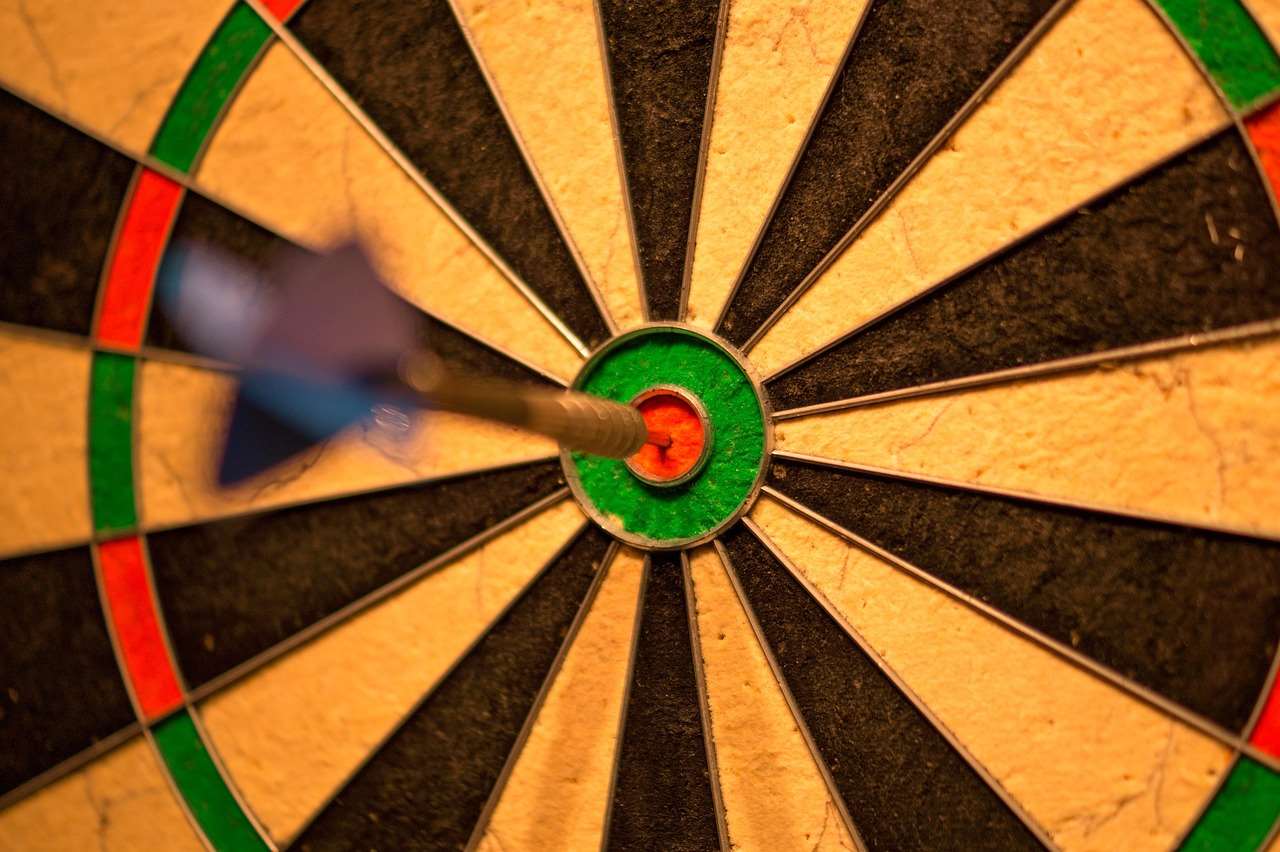
The condition and setup of your dartboard can also impact your game. Ensure that your dartboard is properly mounted at the correct height and distance, according to the official regulations. Regularly rotate your dartboard to distribute wear evenly and prolong its lifespan. Replace worn or damaged dartboards promptly to maintain consistent scoring conditions. Additionally, proper lighting is essential for clear visibility and accurate aiming. Consider investing in dedicated dartboard lighting to eliminate shadows and improve your overall playing experience. This includes finding Optimal Dartboard Lighting Solutions Guide to further aid your experience.
Training and Practice Tips
Consistent practice is key to improving your dart game and mastering the **weight limits for competition darts**. Here are some training and practice tips to help you hone your skills and refine your technique:
- Regular Practice Sessions: Dedicate specific times for practice, even if it’s just for 30 minutes each day. Consistency is more important than the duration of each session.
- Targeted Drills: Focus on specific areas of the dartboard, such as the bullseye, doubles, and trebles. Practice hitting these targets repeatedly to improve your accuracy.
- Game Simulation: Play full games against yourself or a practice partner to simulate the pressure and strategy of a real competition.
- Record Your Progress: Keep track of your scores and performance over time to monitor your improvement and identify areas that need more attention.
- Seek Feedback: Ask a more experienced player or coach to observe your throwing technique and provide constructive feedback.
Maintaining Your Darts
Proper maintenance is essential for keeping your darts in optimal condition and prolonging their lifespan. Here are some tips for caring for your darts:
- Clean Your Darts Regularly: Use a soft cloth to wipe down your darts after each use to remove dirt, oils, and residue.
- Sharpen Your Dart Points: Regularly sharpen your dart points to ensure they penetrate the dartboard effectively and reduce bounce-outs.
- Replace Worn Shafts and Flights: Replace damaged or worn shafts and flights promptly to maintain consistent flight characteristics.
- Store Your Darts Properly: Store your darts in a protective case or holder to prevent damage and keep them organized.
Conclusion
Understanding the **weight limits for competition darts** is crucial for any serious darts player. While the 50-gram maximum is a fixed rule, finding the ideal weight for *your* game involves experimentation, consideration of your throwing style, and attention to other factors like grip, shafts, and flights. By following the guidelines and tips outlined in this article, you can optimize your dart setup and improve your accuracy and consistency. Remember to practice regularly, maintain your equipment, and most importantly, have fun! Now that you understand the rules, you can explore the LED Dartboard Lights Benefits for the next step.

Hi, I’m Dieter, and I created Dartcounter (Dartcounterapp.com). My motivation wasn’t being a darts expert – quite the opposite! When I first started playing, I loved the game but found keeping accurate scores and tracking stats difficult and distracting.
I figured I couldn’t be the only one struggling with this. So, I decided to build a solution: an easy-to-use application that everyone, no matter their experience level, could use to manage scoring effortlessly.
My goal for Dartcounter was simple: let the app handle the numbers – the scoring, the averages, the stats, even checkout suggestions – so players could focus purely on their throw and enjoying the game. It began as a way to solve my own beginner’s problem, and I’m thrilled it has grown into a helpful tool for the wider darts community.