Mastering darts isn’t just about skill; it’s about adapting to the environment, and understanding venue specific tips darts can drastically improve your game by giving you a competitive edge. This article explores how to assess and adjust your play based on various darting venues, from your local pub to professional tournament stages, giving you the insights to perform your best regardless of the setting.
⚠️ Still Using Pen & Paper (or a Chalkboard)?! ⚠️
Step into the future! The Dart Counter App handles all the scoring, suggests checkouts, and tracks your stats automatically. It's easier than you think!
Try the Smart Dart Counter App FREE!Ready for an upgrade? Click above!
Understanding the Impact of Different Darts Venues
Every darting venue presents a unique set of challenges. From the lighting to the floor surface, even subtle differences can affect your game. Learning to identify these factors and adjust accordingly is crucial for consistent performance. This applies whether you are a casual player, or striving to be a professional and attend future darts events.
One of the first things to consider is the overall atmosphere. A quiet, focused dart room in a league setting will require a different mental approach than a bustling pub with background noise and distractions. Adaptability is key.
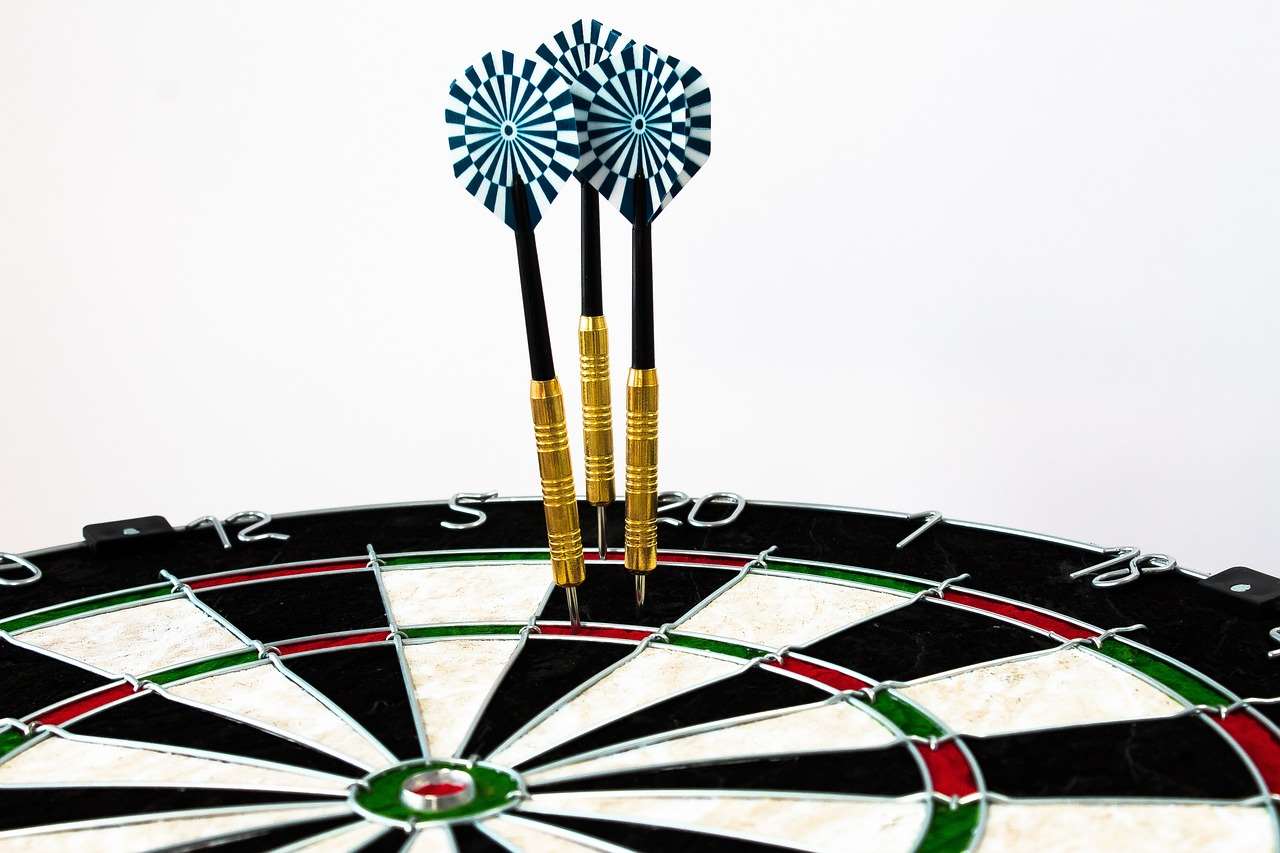
Key Environmental Factors & How They Affect Your Darts Game
Lighting Conditions
Lighting is arguably the most crucial environmental factor. Poor or inconsistent lighting can strain your eyes, distort your perception of the dartboard, and ultimately affect your accuracy. Look for:
- Glare: Bright lights reflecting off the board can make it difficult to see the target areas clearly.
- Shadows: Shadows cast by your body or other objects can obscure parts of the board.
- Uneven illumination: Inconsistent lighting across the board can make judging distances challenging.
Solution: If possible, adjust your stance to minimize glare or shadows. If the lighting is consistently poor, consider using darts with high-contrast flights to improve visibility.
Floor Surface and Stance
The floor surface can significantly impact your stability and balance. Uneven or slippery surfaces can make it difficult to maintain a consistent stance. Be especially aware of:
- Carpeting: Thick carpeting can absorb some of the impact of your feet, potentially affecting your balance.
- Slippery floors: Polished wood or tile floors can be treacherous, especially if you’re wearing shoes with smooth soles.
- Uneven surfaces: Cracks, bumps, or loose tiles can throw off your stance.
Solution: Test your stance before you start playing. Adjust your foot placement to find the most stable position. If the floor is slippery, consider wearing shoes with better traction or using a non-slip mat. You should also have a look at best seats at live darts at some venues if that is something that matters to you.
Airflow and Ventilation
Airflow, particularly from air conditioning or open windows, can affect the trajectory of your darts. Even a slight breeze can cause your darts to drift off course, especially if you’re using lighter darts.
Solution: Pay attention to the airflow in the room. If you notice a consistent breeze, try adjusting your aim slightly to compensate. Experiment with heavier darts or darts with different flight shapes, as they may be less susceptible to wind resistance. You might also want to read more in our Darts Culture And Community Guide.

Venue Specific Darts: Adapting Your Throw
Beyond the physical environment, you must also adapt your mental approach to different venues. A high-stakes tournament requires a different mindset than a casual game with friends.
Practicing in Similar Environments
The best way to prepare for different venues is to practice in environments that mimic the conditions you expect to encounter. This could involve:
- Playing in noisy pubs to simulate the distractions of a social setting.
- Practicing under different lighting conditions to improve your adaptability.
- Using a portable dartboard stand to simulate playing on uneven surfaces.
Mental Preparation for Different Venues
Mental preparation is just as important as physical practice. Before a match, take some time to visualize the venue and mentally rehearse your routine. Focus on maintaining a calm and focused mindset, regardless of the distractions around you. Consider these points:
- Visualisation: Imagine yourself playing well in the specific environment.
- Positive self-talk: Remind yourself of your strengths and your ability to adapt.
- Focus on the process: Concentrate on your technique and your breathing, rather than the outcome.
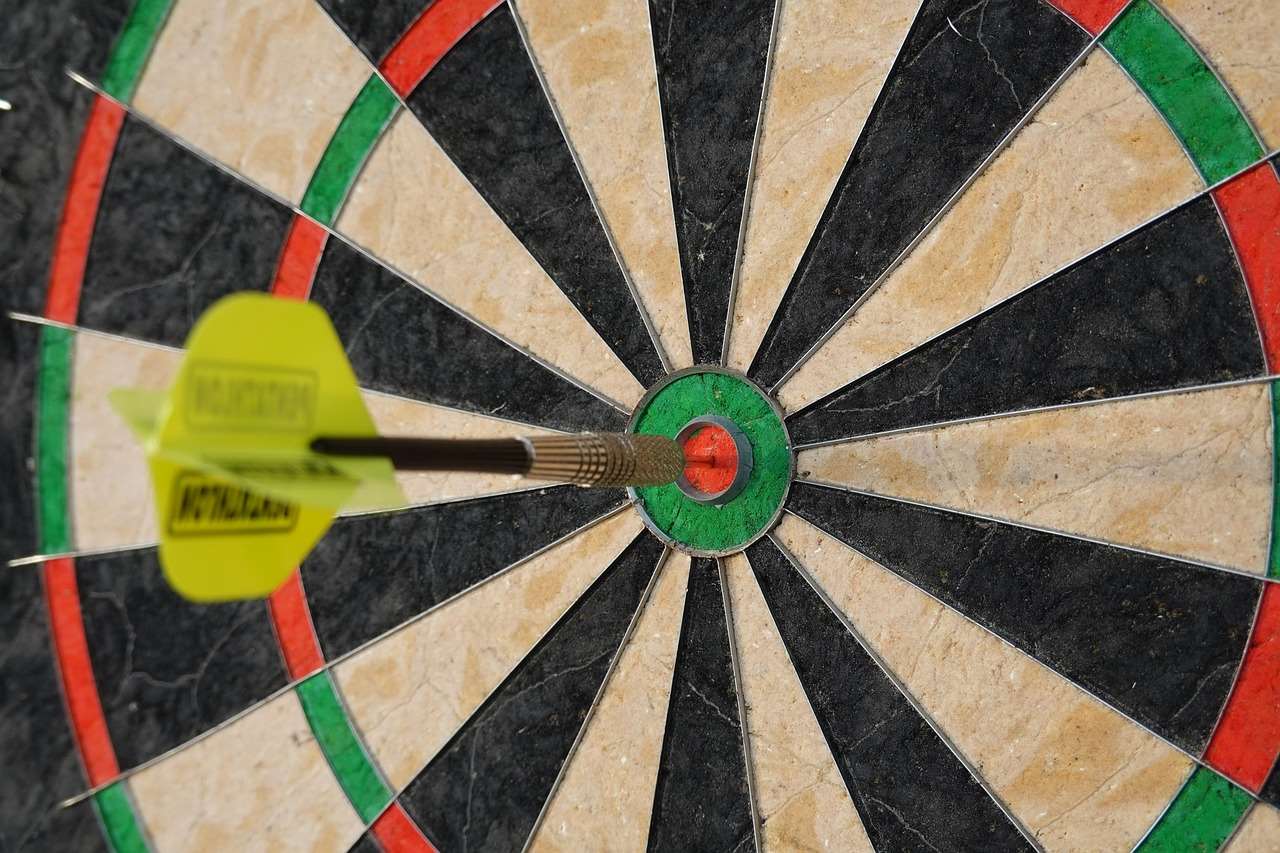
Equipment Adjustments for Varied Venues
Sometimes, the key to conquering a new venue lies in adjusting your equipment. Experimenting with different darts, shafts, and flights can help you fine-tune your game for specific conditions.
Dart Weight and Material
The weight and material of your darts can affect their trajectory and feel. Heavier darts may be more stable in windy conditions, while lighter darts may be easier to control in close quarters. Similarly, tungsten darts offer a slimmer profile and denser weight distribution compared to brass darts, potentially improving your grouping.
Shafts and Flights
Shafts and flights play a crucial role in the aerodynamics of your darts. Shorter shafts can improve accuracy by reducing wobble, while longer shafts can provide more stability. Similarly, larger flights offer more drag and can help stabilize your darts in flight, while smaller flights provide less drag and may be suitable for players with a fast throwing motion.
Consider having a range of shaft and flight options in your kit so you can swap them out if your regular throw feels off. Also, if you are considering attending an event, read up on the Travel Tips For Darts Tournaments before heading out.
Dealing with Distractions and Pressure
One of the biggest challenges in competitive darts is dealing with distractions and pressure. Learning to tune out the noise and maintain your focus is essential for performing at your best, regardless of the venue.
Minimising External Noise
External noise can be incredibly distracting, especially in crowded pubs or tournament halls. Techniques for minimizing this include:
- Using earplugs or noise-cancelling headphones: These can help block out background noise and allow you to focus on your game.
- Developing a pre-throw routine: A consistent routine can help you tune out distractions and get into a focused state of mind.
- Focusing on your breathing: Deep, controlled breathing can help calm your nerves and improve your concentration.
Managing Pressure and Nerves
Pressure and nerves are a natural part of competitive darts. Learning to manage these emotions is crucial for maintaining your composure and performing under pressure. Strategies include:
- Practicing under pressure: Simulate match conditions during practice to get used to the feeling of pressure.
- Developing a positive self-talk routine: Remind yourself of your strengths and your ability to perform under pressure.
- Focusing on the present moment: Avoid dwelling on past mistakes or worrying about future outcomes. Concentrate on the task at hand – throwing the next dart.
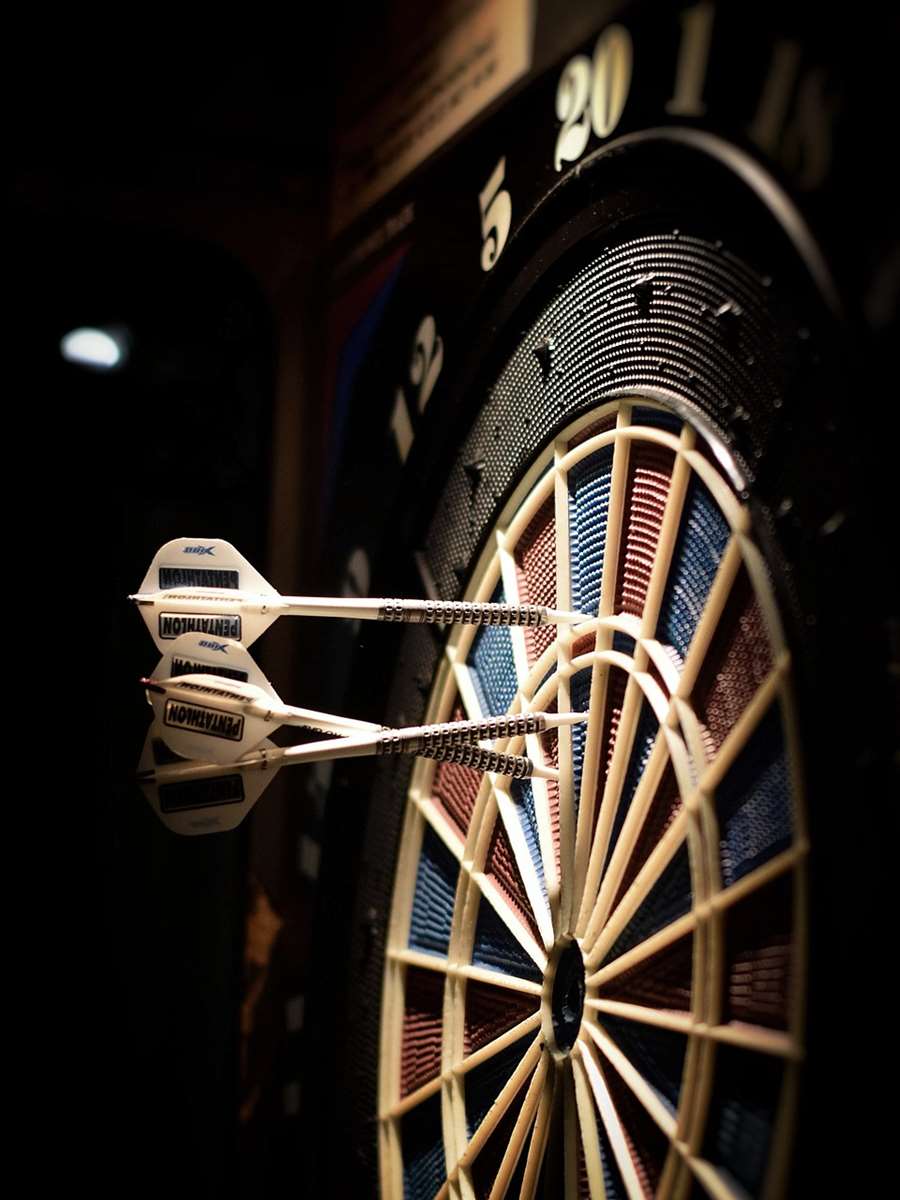
Specific Venue Scenarios: Examples and Solutions
Let’s explore some common venue scenarios and offer specific solutions to help you adapt your game:
The Pub
Challenges: Noisy environment, poor lighting, uneven floors, distractions from other patrons.
Solutions:
- Wear earplugs to minimize noise.
- Adjust your stance to compensate for uneven floors.
- Use high-contrast flights to improve visibility in poor lighting.
- Develop a pre-throw routine to block out distractions.
The League Venue
Challenges: Competitive atmosphere, pressure to perform, limited practice time.
Solutions:
- Focus on your breathing and stay calm.
- Visualize success and maintain a positive attitude.
- Arrive early to warm up and familiarize yourself with the venue.
The Tournament Stage
Challenges: Bright lights, large crowds, high-pressure environment, unfamiliar surroundings.
Solutions:
- Practice under bright lights to acclimatize yourself.
- Develop a strong mental game to manage pressure.
- Arrive early to familiarize yourself with the stage and surroundings.
- Focus on your routine and trust your preparation.
Final Thoughts on Venue Specific Tips Darts
Mastering the art of darts isn’t just about perfecting your throw; it’s about adapting to the environment and maintaining your composure under pressure. By understanding the impact of different venues and implementing the venue specific tips darts outlined in this article, you can elevate your game and achieve consistent success, no matter where you play. The ability to adjust to any condition is what separates a good player from a great one. Keep practicing, stay adaptable, and enjoy the game!
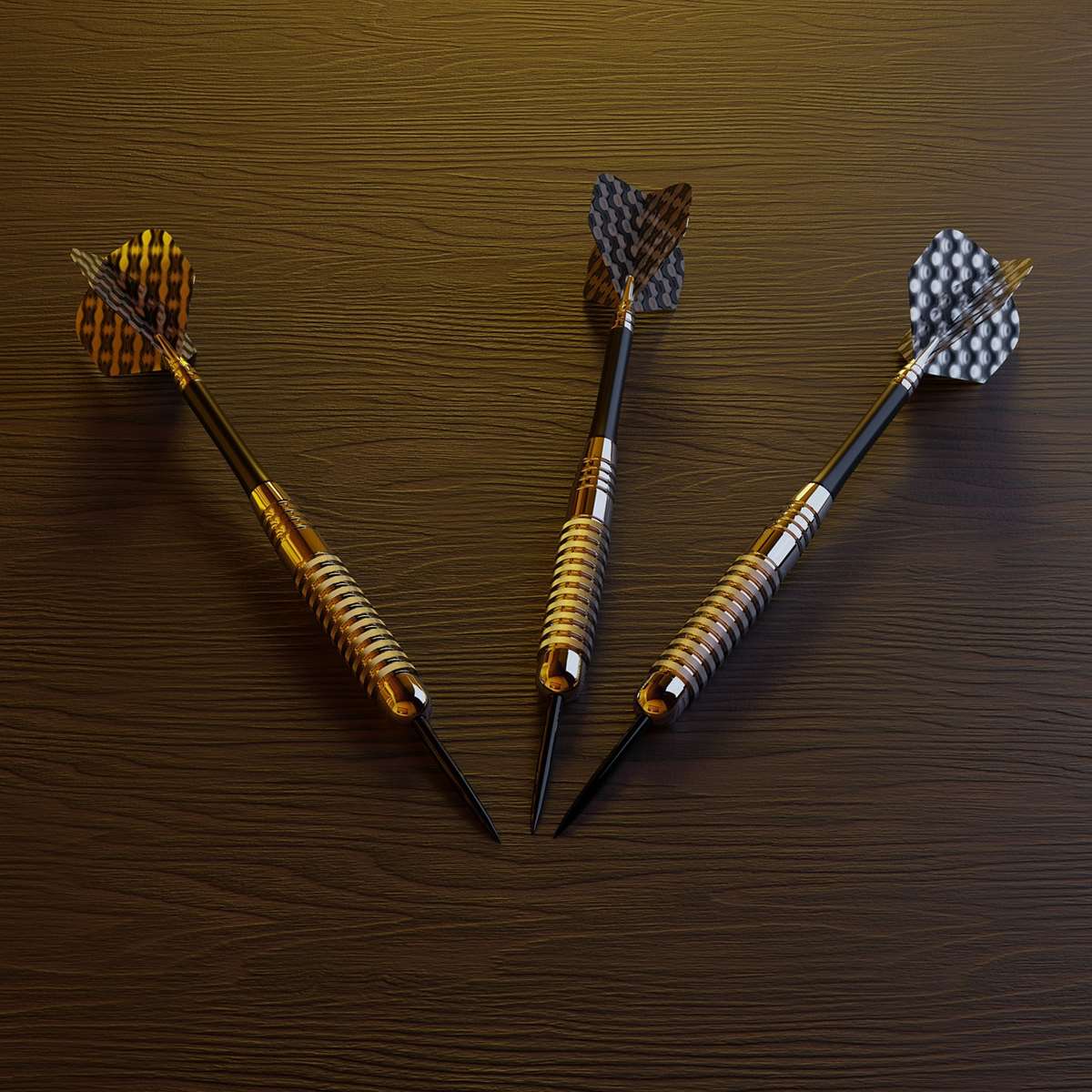
Ready to put these tips into action? Find a new venue, assess the conditions, and experiment with different strategies. The more you practice adapting to different environments, the more confident and successful you’ll become. Good luck, and happy darting!

Hi, I’m Dieter, and I created Dartcounter (Dartcounterapp.com). My motivation wasn’t being a darts expert – quite the opposite! When I first started playing, I loved the game but found keeping accurate scores and tracking stats difficult and distracting.
I figured I couldn’t be the only one struggling with this. So, I decided to build a solution: an easy-to-use application that everyone, no matter their experience level, could use to manage scoring effortlessly.
My goal for Dartcounter was simple: let the app handle the numbers – the scoring, the averages, the stats, even checkout suggestions – so players could focus purely on their throw and enjoying the game. It began as a way to solve my own beginner’s problem, and I’m thrilled it has grown into a helpful tool for the wider darts community.