Tired of 501? This article unveils unique darts game mechanics ideas to inject fresh excitement into your next game night! We’ll explore innovative scoring systems, objective-based challenges, and gameplay twists that move beyond traditional formats and cater to diverse skill levels.
⚠️ Still Using Pen & Paper (or a Chalkboard)?! ⚠️
Step into the future! The Dart Counter App handles all the scoring, suggests checkouts, and tracks your stats automatically. It's easier than you think!
Try the Smart Dart Counter App FREE!Ready for an upgrade? Click above!
Elevating Your Darts Experience: Unique Darts Game Mechanics Ideas
The world of darts extends far beyond the standard 501 and Cricket. If you’re looking to shake things up and add a dose of unpredictability and fun, exploring unique darts game mechanics ideas is the perfect solution. These innovative twists on the classic game can cater to players of all skill levels, making for more engaging and memorable experiences. A great place to start is by thinking about how we are Adapting darts games skills to suit alternative formats.
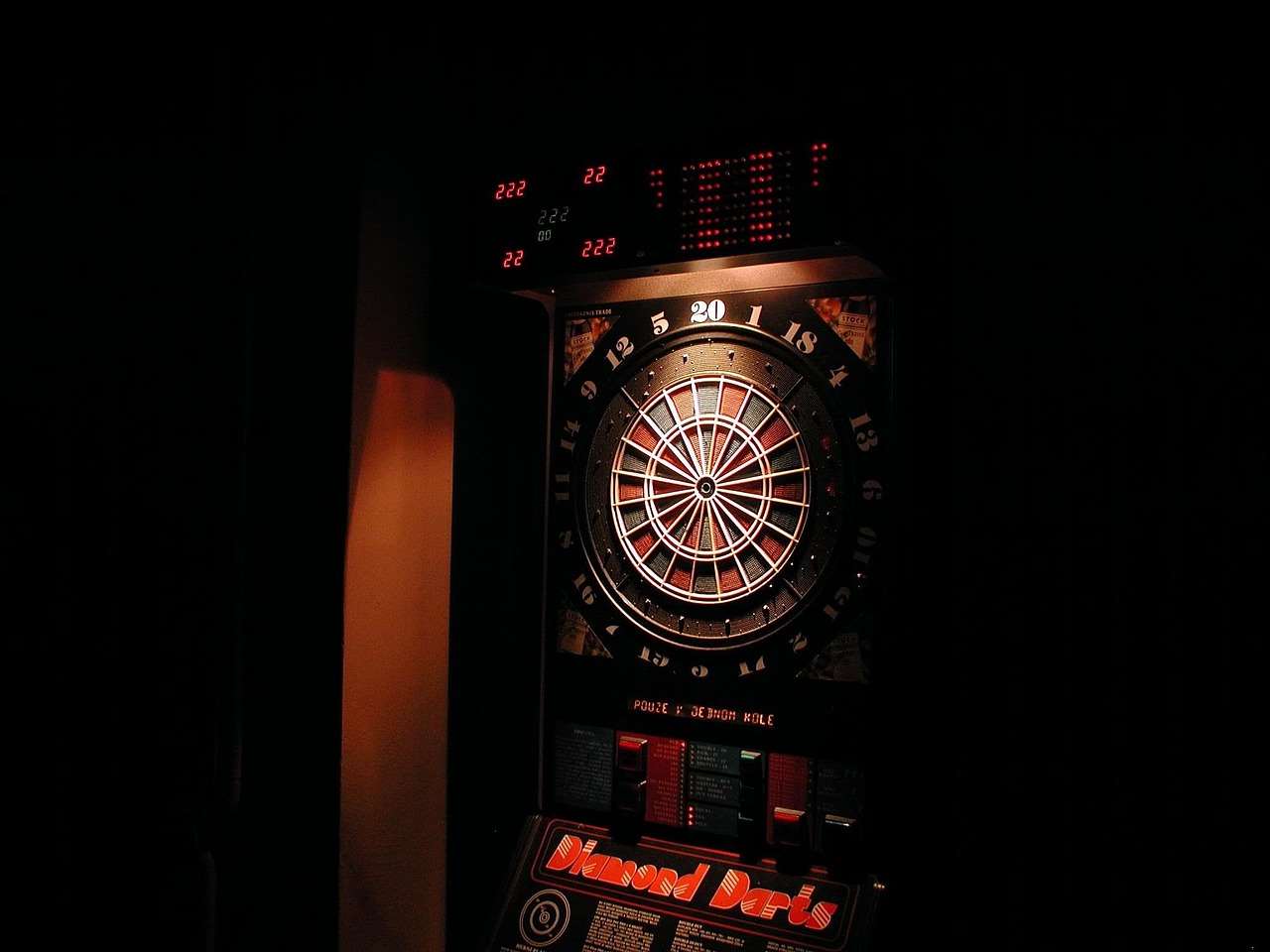
Reimagining the Scoring System
One of the easiest ways to introduce novelty is by altering the scoring system. Consider these possibilities:
- Multiplier Mayhem: Assign a random multiplier (e.g., x2, x3, x0) to each throw. This introduces an element of chance and can quickly turn the game on its head.
- Target Value Roulette: Before each round, spin a roulette wheel or draw a number to determine the target score for that round. This keeps players on their toes and prevents them from relying on familiar strategies.
- Cumulative Score with Penalties: Instead of simply accumulating points, introduce penalties for specific actions, such as missing the board entirely or hitting a particular segment.
- Countdown with a Twist: Similar to 501, but with strategically placed bonus zones that add points to your score instead of subtracting. Players need to decide between safety and potential reward.
Objective-Based Challenges
Moving away from purely numerical scoring, objective-based challenges can create a more dynamic and engaging gameplay experience. These formats often require players to demonstrate accuracy and strategic thinking in different ways.
- Around the Clock with Handicaps: Each player starts on a different number on the board. The higher the skill level, the later the starting number. For example, a beginner starts on 1, an intermediate player starts on 7, and an expert starts on 14. This allows players of different levels to compete fairly. This is often incorporated in Darts for mixed ability groups.
- Segment Capture: Divide the dartboard into segments. Players must claim each segment by hitting it a predetermined number of times. The first player to claim all segments wins.
- Bullseye Blitz: Players compete to see who can hit the bullseye the most times within a set number of rounds. This game tests accuracy and consistency under pressure.
- Color Challenge: Assign different point values to different colored segments on the board (e.g., red = 5 points, green = 10 points, black = -2 points). This adds a layer of strategy and encourages players to aim for specific targets.
Gameplay Twists and Variations
Beyond scoring and objectives, consider introducing gameplay twists that alter the fundamental mechanics of the game. These can be anything from limiting the number of darts per turn to introducing special rules that affect player actions. Exploring Darts Variants Fun Games can provide inspiration.
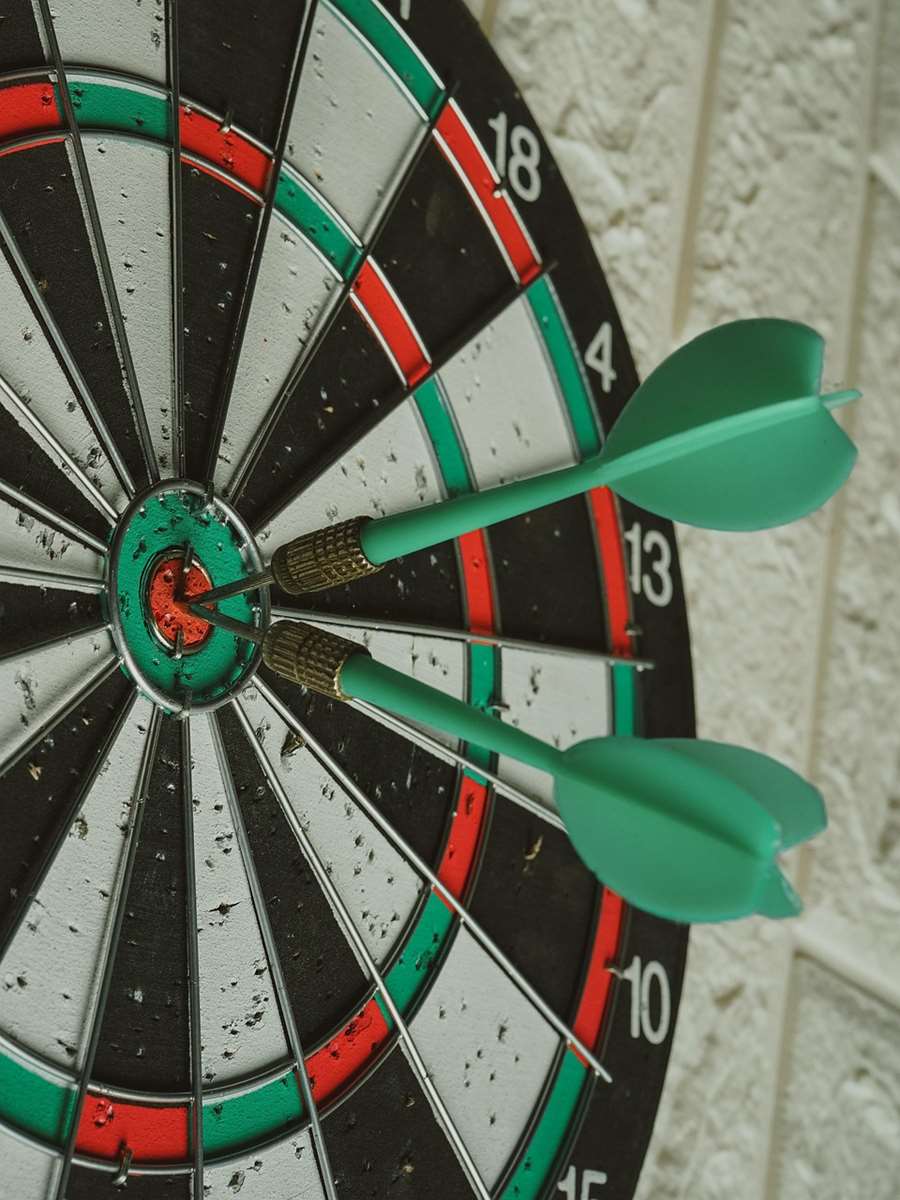
- Limited Ammo: Each player has a limited number of darts for the entire game. This forces players to be more strategic and conservative with their throws.
- Blindfolded Darts: Players take turns throwing darts while blindfolded. This introduces an element of chaos and humor, making it a great party game.
- Trick Shot Challenge: Players must perform specific trick shots (e.g., throwing with their non-dominant hand, throwing from a distance) to earn bonus points.
- Switch Darts: After each round, players switch darts with each other. This forces players to adapt to different dart weights and balance points, testing their overall skill and adaptability.
- The “Robin Hood” Rule: If a dart lands in the back of another dart already in the board, it counts as double the score of the first dart. This rewards accuracy and risk-taking.
Making it Fair and Fun: Adapting to Skill Levels
It’s crucial to remember that the best unique darts game mechanics ideas are those that can be adjusted to suit the skill levels of all players involved. A game that’s too difficult for beginners can be frustrating, while a game that’s too easy for experienced players can be boring. Consider implementing a handicap system to level the playing field. We must consider Making darts games fair players for better experiences.
Handicap Systems to Even the Odds
Here are some handicap systems that can be incorporated into these new game mechanics:
- Point Adjustments: Give less skilled players a starting point advantage or deduct points from more skilled players’ scores. This allows for a closer competition without significantly altering the game mechanics.
- Target Zone Restrictions: Restrict more skilled players from aiming at certain high-scoring zones (e.g., treble 20) or require them to hit smaller target areas.
- Extra Darts: Allow less skilled players to throw more darts per round than more skilled players. This provides them with more opportunities to score and reduces the impact of missed throws.
- Distance Adjustment: Have stronger players throw from further back than weaker players, directly impacting the difficulty.
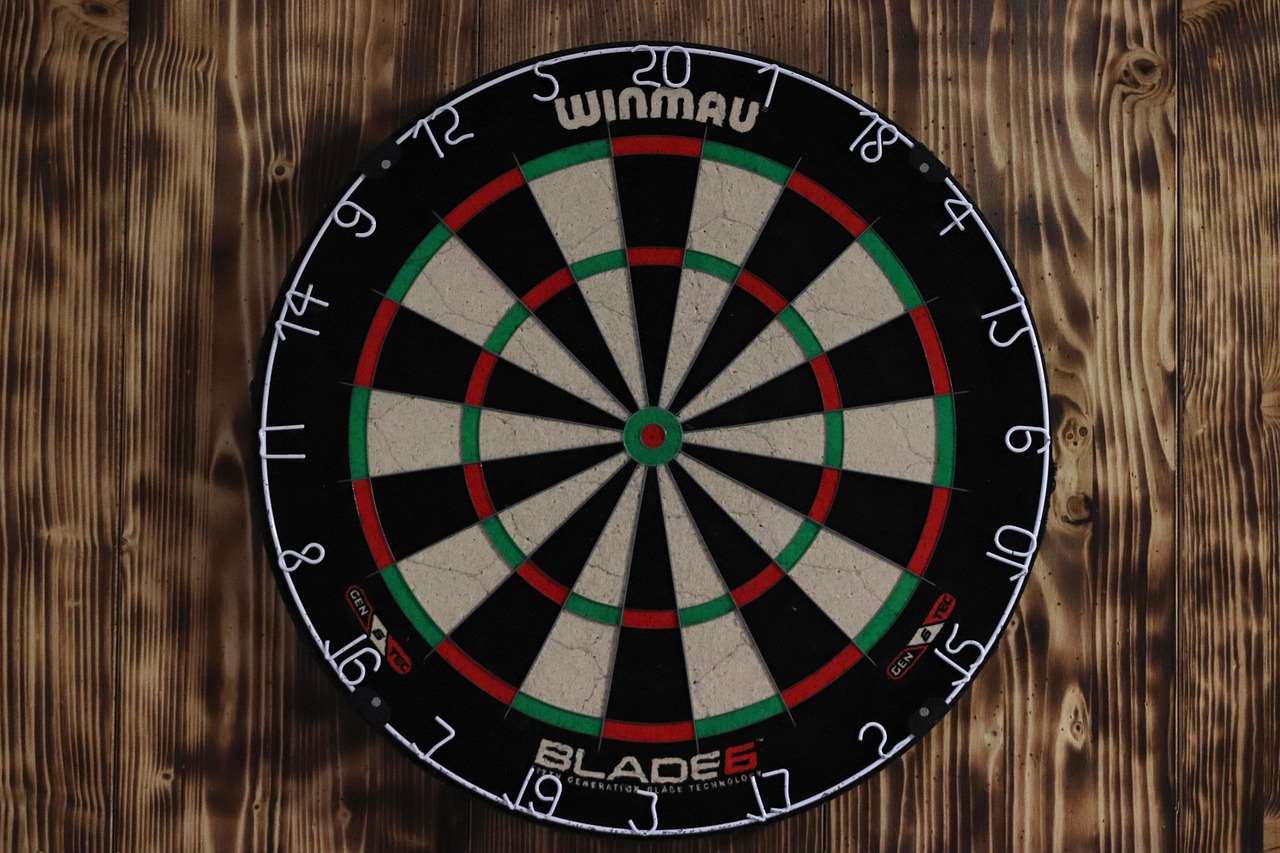
Adapting Existing Rules for Fairness
Even without a formal handicap system, you can adjust the rules of your chosen game to create a fairer and more enjoyable experience for everyone.
- Adjusting Target Scores: In objective-based games, adjust the target scores based on player skill. For example, beginners might need to claim each segment only once, while experienced players might need to claim each segment three times.
- Modifying Penalties: Reduce or eliminate penalties for less skilled players or increase them for more skilled players.
- Allowing Practice Throws: Give beginners a few practice throws before each round to help them get comfortable with the board and their darts.
Beyond the Basics: Creative Implementations of Unique Darts Game Mechanics Ideas
Once you’ve grasped the fundamental concepts of alternative scoring systems, objective-based challenges, and gameplay twists, you can start experimenting with more complex and creative implementations. The possibilities are truly endless, limited only by your imagination. The goal should be Modify dart games skill gap.
Hybrid Games: Combining Elements for Maximum Fun
Why settle for just one new mechanic when you can combine several to create a truly unique and engaging experience? Here are some ideas for hybrid games:
- Multiplier Clock: Combine the “Around the Clock” objective with the “Multiplier Mayhem” scoring system. Players must hit each number on the board in sequence, but the score for each hit is multiplied by a random factor.
- Target Value Capture: Combine the “Target Value Roulette” scoring system with the “Segment Capture” objective. Players must claim each segment by hitting it with a dart that scores the target value for that round.
- Blindfolded Blitz: Combine “Blindfolded Darts” with “Bullseye Blitz”. Players attempt to hit the bullseye while blindfolded, with bonus points awarded for hitting the bullseye on consecutive throws.

Themed Darts Games: Adding a Narrative Element
Another way to enhance the gameplay experience is to incorporate a thematic element. This can involve creating a story or narrative around the game, assigning roles to players, or using props to enhance the atmosphere.
- Pirate Darts: Players are pirates competing to plunder treasure. The dartboard represents a treasure map, with different segments representing different locations. Players earn points by hitting specific targets on the map, with bonus points awarded for discovering hidden treasures.
- Zombie Apocalypse Darts: Players are survivors trying to fend off a zombie horde. The dartboard represents a barricade, with different segments representing different weaknesses in the barricade. Players earn points by hitting zombies, with bonus points awarded for eliminating key threats.
- Space Mission Darts: Players are astronauts on a mission to explore a new planet. The dartboard represents the planet’s surface, with different segments representing different landmarks. Players earn points by discovering new resources, with bonus points awarded for completing specific objectives.
Essential Tips for Implementing New Mechanics
Successfully introducing unique darts game mechanics ideas requires careful planning and execution. Here are some essential tips to keep in mind:
- Clear Communication: Clearly explain the rules and objectives of the game to all players before starting. Make sure everyone understands the scoring system, handicap system (if any), and any other special rules.
- Practice Runs: Allow players to have a few practice throws to familiarize themselves with the new mechanics and adjust their throwing technique accordingly.
- Flexibility: Be prepared to adjust the rules or handicap system as needed to ensure that the game remains fair and enjoyable for everyone.
- Focus on Fun: The ultimate goal is to have fun! Don’t be afraid to experiment, get creative, and adapt the game to suit the preferences of your group.
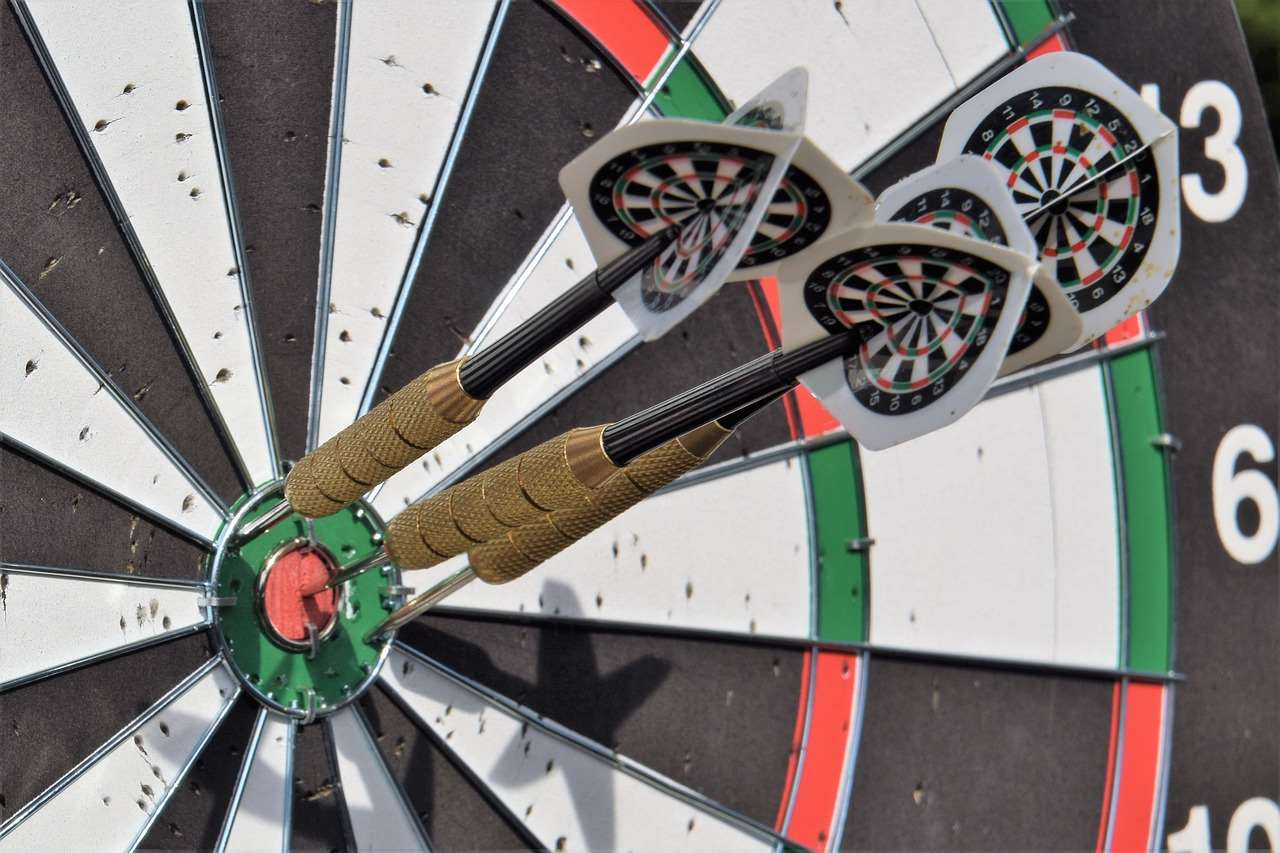
Documenting Your Creations
Once you’ve created some fantastic unique darts game mechanics ideas, keep a record of them! Write down the rules, variations, and handicaps you’ve developed. This allows you to easily revisit these games in the future and share them with others. Consider creating a “darts game rulebook” for your group.
Don’t be afraid to experiment and invent even more **unique darts game mechanics ideas** and formats. You can even use the basic techniques we have covered to start Scaling dart game difficulty, too.
Conclusion: Embracing Innovation in Darts
Exploring unique darts game mechanics ideas opens up a world of possibilities, transforming a classic game into a constantly evolving and engaging experience. By reimagining scoring systems, introducing objective-based challenges, and incorporating gameplay twists, you can cater to diverse skill levels, create memorable moments, and reignite your passion for darts. Embrace these concepts, experiment with different variations, and invent your own unique games to elevate your darts experience to new heights. Now, gather your friends, unleash your creativity, and get ready to revolutionize your next darts game night! What are you waiting for?

Hi, I’m Dieter, and I created Dartcounter (Dartcounterapp.com). My motivation wasn’t being a darts expert – quite the opposite! When I first started playing, I loved the game but found keeping accurate scores and tracking stats difficult and distracting.
I figured I couldn’t be the only one struggling with this. So, I decided to build a solution: an easy-to-use application that everyone, no matter their experience level, could use to manage scoring effortlessly.
My goal for Dartcounter was simple: let the app handle the numbers – the scoring, the averages, the stats, even checkout suggestions – so players could focus purely on their throw and enjoying the game. It began as a way to solve my own beginner’s problem, and I’m thrilled it has grown into a helpful tool for the wider darts community.