Understanding Pro Dart Weight Distribution is crucial for achieving consistent accuracy and improving your dart game; it impacts the dart’s trajectory, stability, and overall feel. This article will explore the different types of dart weight distribution, how they affect your throw, and how to choose the right one for your individual style.
⚠️ Still Using Pen & Paper (or a Chalkboard)?! ⚠️
Step into the future! The Dart Counter App handles all the scoring, suggests checkouts, and tracks your stats automatically. It's easier than you think!
Try the Smart Dart Counter App FREE!Ready for an upgrade? Click above!
The Basics of Dart Weight and Balance
Dart weight is typically measured in grams, and the standard range for steel tip darts is between 20 and 26 grams. However, it’s not just the total weight that matters; where that weight is located within the dart – the weight distribution – plays a significant role. There are three main categories of weight distribution:
- Front-weighted: The majority of the weight is concentrated towards the front of the dart.
- Center-weighted: The weight is evenly distributed throughout the barrel.
- Rear-weighted: The majority of the weight is concentrated towards the back of the dart.
Each type of weight distribution affects the dart’s flight and stability differently, making it important to understand these differences to make an informed decision.
How Weight Distribution Affects Flight
The weight distribution of a dart influences its trajectory and stability in flight. Front-weighted darts tend to fly straighter and penetrate the dartboard more easily. The forward weight pulls the dart along its intended path, reducing wobble and deflections. Center-weighted darts offer a balance between stability and maneuverability, making them a versatile choice for various throwing styles. Rear-weighted darts are often favored by players who use a more looping or arcing throw. The rear weight can provide a more controlled release and allow for subtle adjustments during flight. Choosing the right dart board is also essential for gameplay.
Understanding Pro Dart Weight Distribution: Choosing the Right Fit
Selecting the ideal dart weight distribution depends heavily on your individual throwing style, grip, and release. There’s no one-size-fits-all answer, but here are some guidelines to help you narrow down your options:
- Consider your grip: If you grip the dart towards the front, a front-weighted dart might feel more natural and balanced. If you grip the dart towards the rear, a rear-weighted dart might provide better control.
- Analyze your throw: If you have a straight, forceful throw, a front-weighted dart could enhance accuracy. If you have a more arcing throw, a rear-weighted dart might offer better stability.
- Experiment with different weights: Try out different dart weights within the standard range (20-26 grams) to see what feels most comfortable and consistent.
Don’t be afraid to experiment! Visit a local dart shop and test out different darts with varying weight distributions. Many shops have practice boards available for customers to try before they buy. Consider too Choose Best Dart Equipment.
The Impact of Barrel Shape and Material
While weight distribution is a primary factor, the barrel shape and material also contribute to the overall feel and performance of a dart. Common barrel shapes include:
- Straight barrels: These barrels have a consistent diameter along their entire length, providing a uniform grip and feel.
- Torpedo barrels: These barrels are thicker in the front and taper towards the rear, concentrating the weight towards the front.
- Bomb barrels: These barrels are thickest in the middle and taper towards both ends, creating a more balanced feel.
The material of the barrel, typically tungsten or brass, also affects the dart’s density and grip. Tungsten darts are denser than brass darts, allowing for a slimmer profile and a more concentrated weight. Brass darts are generally less expensive but can be bulkier and less durable.
Finding Your Optimal Dart Setup: Shafts, Flights, and Beyond
Beyond the barrel, the shafts and flights play a crucial role in dart stabilization and flight. Shafts come in various lengths and materials, affecting the dart’s center of gravity and overall balance. Longer shafts tend to stabilize the dart more quickly, while shorter shafts offer more maneuverability. Flights also come in different shapes and sizes, influencing the dart’s aerodynamic properties. Larger flights provide more stability, while smaller flights offer less drag and a faster flight.
Fine-Tuning Your Dart Setup
Experiment with different shaft and flight combinations to find what works best for your throwing style. Adjusting the shaft length and flight size can significantly impact the dart’s flight path and stability. Pay close attention to how the dart feels in your hand and how it flies through the air. Small adjustments can make a big difference in your accuracy and consistency. You may also wish to read LED Dartboard Lights Benefits.
Advanced Concepts in Dart Weight Distribution
Experienced dart players often delve deeper into the nuances of weight distribution, considering factors such as the balance point and the moment of inertia. The balance point is the point at which the dart is perfectly balanced, while the moment of inertia measures the dart’s resistance to rotation. Understanding these concepts can help you fine-tune your dart setup for optimal performance.
Custom Dart Modification
Some players even go as far as customizing their darts by adding or removing weight from specific areas of the barrel. This allows for a highly personalized weight distribution that perfectly matches their throwing style. However, custom modification requires specialized tools and expertise, so it’s generally recommended for experienced players only.
The Mental Aspect of Dart Weight Distribution
While the physical properties of a dart are important, the mental aspect of choosing the right weight distribution should not be overlooked. Confidence in your equipment can significantly impact your performance. If you feel comfortable and confident with your darts, you’re more likely to throw consistently and accurately.
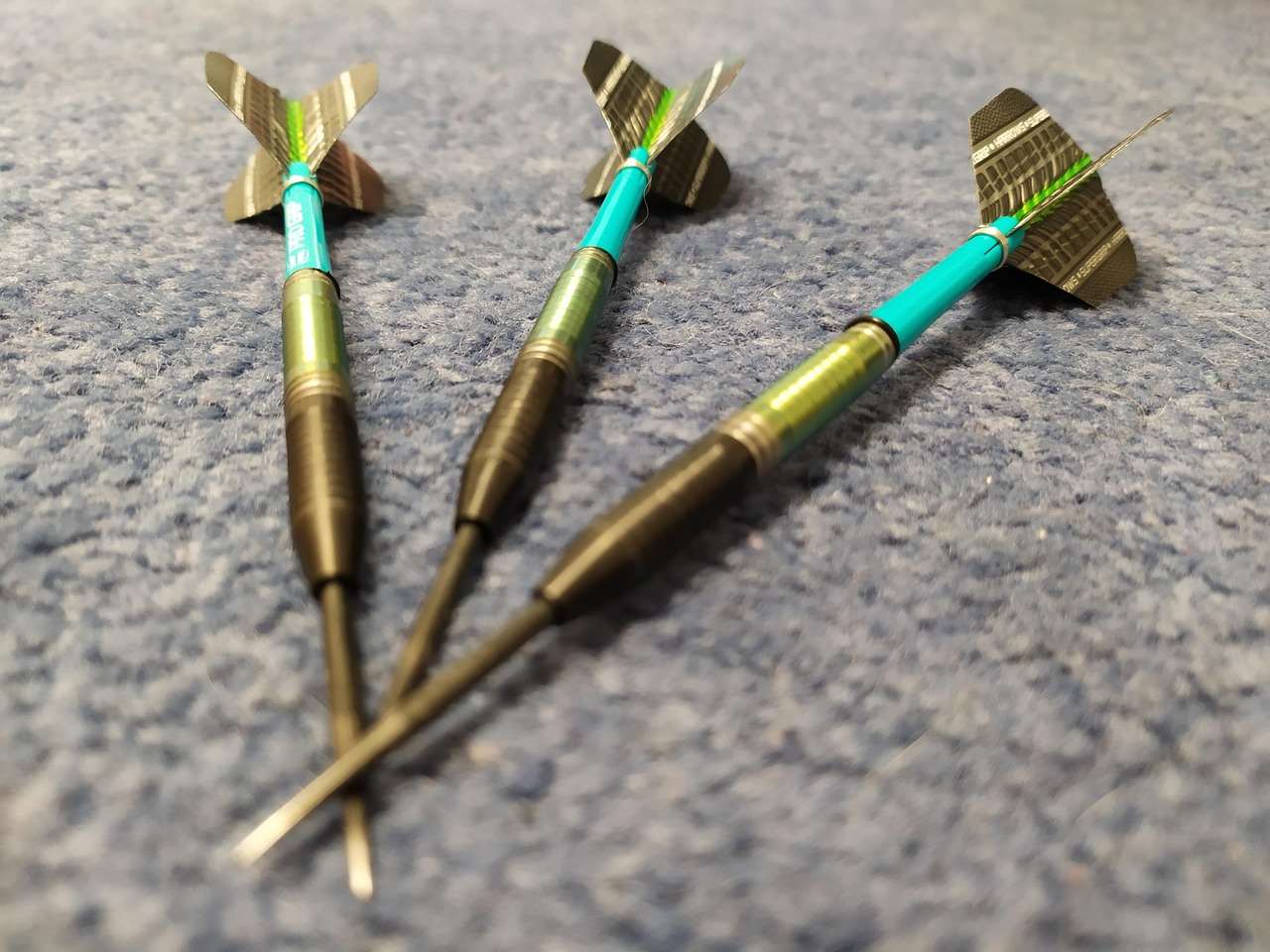
Developing a Feel for Your Darts
Take the time to develop a feel for your darts and become intimately familiar with their weight distribution and balance. Practice regularly and pay attention to how the darts feel in your hand and how they fly through the air. The more you practice, the better you’ll understand your darts and the more consistently you’ll be able to throw. Ensuring Optimal Dartboard Lighting Solutions Guide is essential for a clear view of the dartboard during practice and competition.
Conclusion: Mastering Dart Weight Distribution for Enhanced Performance
Understanding Pro Dart Weight Distribution is a vital step towards improving your dart game. By experimenting with different weights, barrel shapes, and shaft/flight combinations, you can find the perfect setup that complements your individual throwing style. Remember to consider your grip, throw, and personal preferences when making your decision. Don’t be afraid to experiment and fine-tune your setup until you find what works best for you. With practice and dedication, you can master the art of dart weight distribution and elevate your game to the next level. Start experimenting today and see the difference it makes! For even better performance, check out our guide on how to How To Light Your Dartboard.

Hi, I’m Dieter, and I created Dartcounter (Dartcounterapp.com). My motivation wasn’t being a darts expert – quite the opposite! When I first started playing, I loved the game but found keeping accurate scores and tracking stats difficult and distracting.
I figured I couldn’t be the only one struggling with this. So, I decided to build a solution: an easy-to-use application that everyone, no matter their experience level, could use to manage scoring effortlessly.
My goal for Dartcounter was simple: let the app handle the numbers – the scoring, the averages, the stats, even checkout suggestions – so players could focus purely on their throw and enjoying the game. It began as a way to solve my own beginner’s problem, and I’m thrilled it has grown into a helpful tool for the wider darts community.