Understanding metric vs imperial dartboard dimensions is crucial for setting up your dartboard correctly and ensuring fair gameplay. This article breaks down the precise measurements for both systems and covers other essential aspects of dartboard setup.
⚠️ Still Using Pen & Paper (or a Chalkboard)?! ⚠️
Step into the future! The Dart Counter App handles all the scoring, suggests checkouts, and tracks your stats automatically. It's easier than you think!
Try the Smart Dart Counter App FREE!Ready for an upgrade? Click above!
Decoding Dartboard Dimensions: Imperial vs. Metric
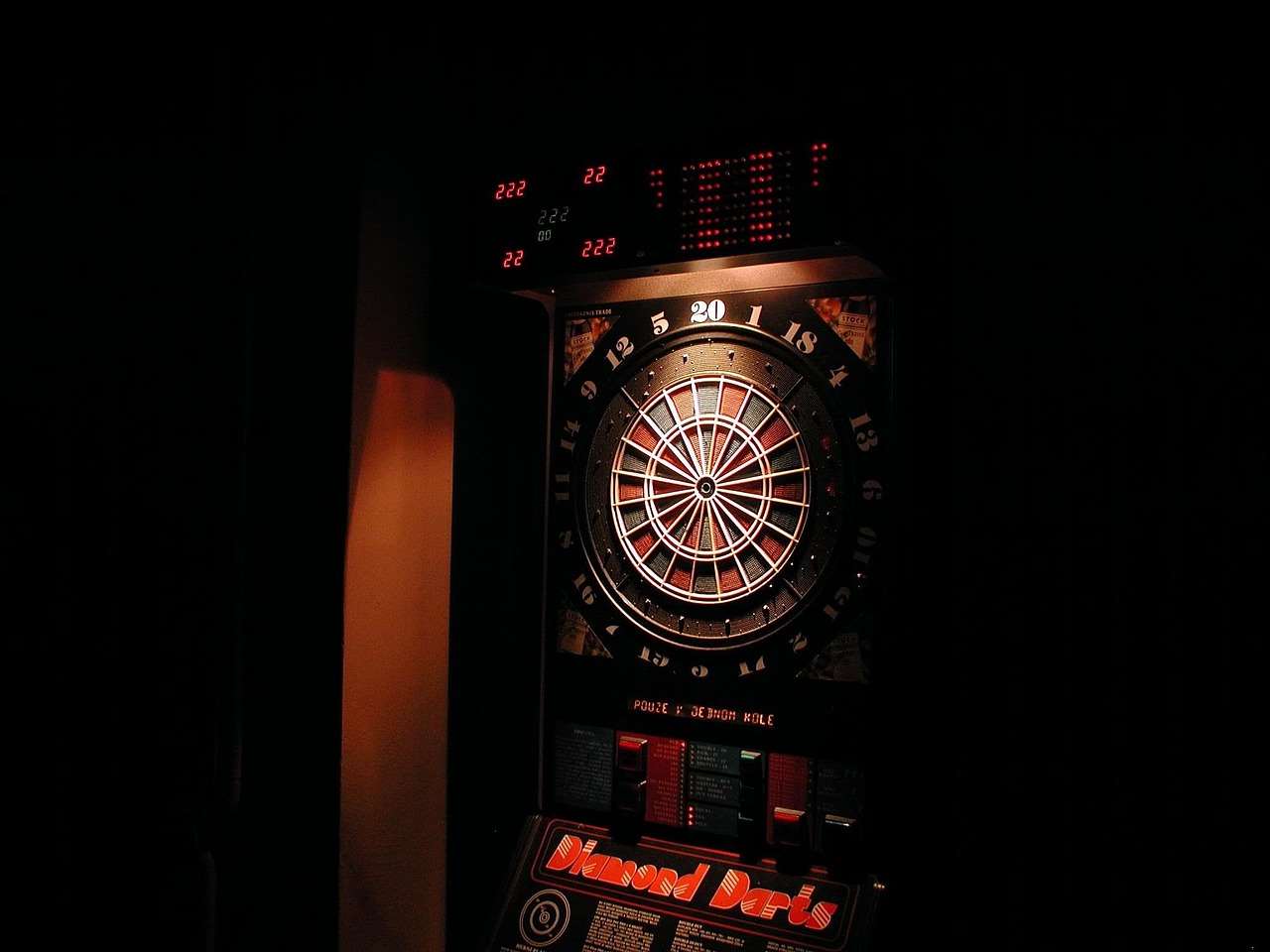
While the world largely uses the metric system, dartboards stubbornly cling to the imperial system, specifically inches. This can be confusing, especially when dealing with international competitions or older resources. Let’s delve into the specifics of dartboard dimensions in both systems to clear up any uncertainty.
The standard diameter of a dartboard is 17 3/4 inches (45.1 cm). However, it’s important to note that the critical measurements for gameplay, such as the height of the bullseye and the throwing distance, are also traditionally specified in imperial units. Knowing how to convert between imperial and metric will help you ensure you’re playing by the rules, regardless of the measuring tape you have available.
Understanding the Key Imperial Measurements
Here’s a breakdown of the essential imperial measurements for a standard dartboard setup:
- Dartboard Diameter: 17 3/4 inches.
- Bullseye Height: 5 feet 8 inches (68 inches) from the floor.
- Oche (Throwing Line) Distance: 7 feet 9 1/4 inches from the face of the dartboard. This is often simplified to 7 feet 9 inches for practical purposes.
These measurements are dictated by the World Darts Federation (WDF) and the Professional Darts Corporation (PDC), ensuring consistency across professional tournaments and leagues. Adhering to these standards is essential for fair and accurate gameplay.
Converting Imperial to Metric: A Practical Guide
While the imperial system is standard for darts, it’s useful to know the metric equivalents. Here’s how to convert the key measurements:
- Dartboard Diameter: 17 3/4 inches is approximately 45.1 centimeters (cm). (1 inch = 2.54 cm)
- Bullseye Height: 5 feet 8 inches (68 inches) is approximately 173 centimeters (cm).
- Oche Distance: 7 feet 9 1/4 inches (93.25 inches) is approximately 237 centimeters (cm).
Remembering these conversions can be helpful when using a metric measuring tape or when encountering instructions in metric units. Online conversion tools and smartphone apps can also assist with quick and accurate conversions. You might even consider posting a small conversion chart near your dartboard setup.
Why Imperial Still Reigns Supreme in Darts
The historical roots of darts are deeply intertwined with the imperial system. The game originated and developed primarily in countries that used imperial measurements, such as England. As a result, the established rules and standards became ingrained in the game’s culture.
While the metric system is widely adopted globally, the dartboard industry and professional organizations have maintained the imperial standards to preserve consistency and tradition. Changing to metric now would require a significant overhaul of existing rules, equipment, and infrastructure, which presents logistical and financial challenges. You can check out Basic Darts Fundamentals for Beginners if you’re just starting out.
The Impact on Dartboard Manufacturing
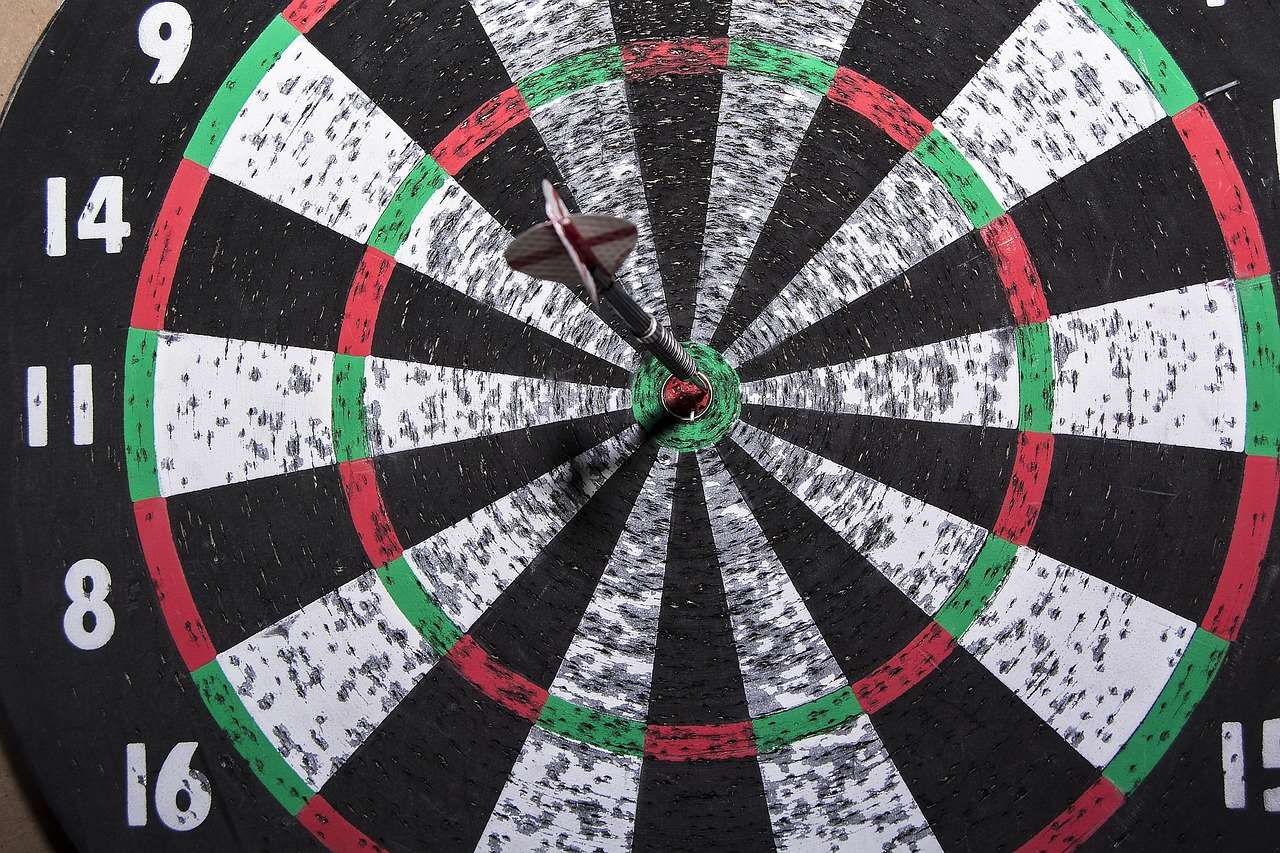
Dartboard manufacturers design and produce dartboards according to imperial specifications. The machines and processes used in manufacturing are calibrated for these measurements. Switching to metric would necessitate retooling and recalibrating these systems, adding considerable costs.
Furthermore, the interchangeability of darts and accessories is based on imperial sizing. Darts, flights, shafts, and other components are designed to fit within these parameters. Maintaining the imperial system ensures compatibility across different brands and products.
Player Preference and Tradition
Many professional dart players are accustomed to imperial measurements and have developed their throwing techniques based on these standards. Switching to metric could disrupt their gameplay and require significant adjustments. The strong tradition within the darts community also plays a role in resisting change. Players often prefer to maintain the familiar system they have grown up with and trained under.
Beyond Diameter: Other Important Dimensions for Understanding metric vs imperial dartboard dimensions
While the overall diameter is important, several other dimensions contribute to the integrity and playability of a dartboard. These include the width of the wires, the size of the scoring segments, and the depth of the board.
The wires dividing the scoring segments must be thin enough to minimize bounce-outs but strong enough to withstand repeated impacts from darts. The precise dimensions of these wires are specified in imperial units and contribute to the overall quality and performance of the dartboard. It is helpful to know when you are Adapting darts rules for beginners.
Segment Size and Scoring Accuracy
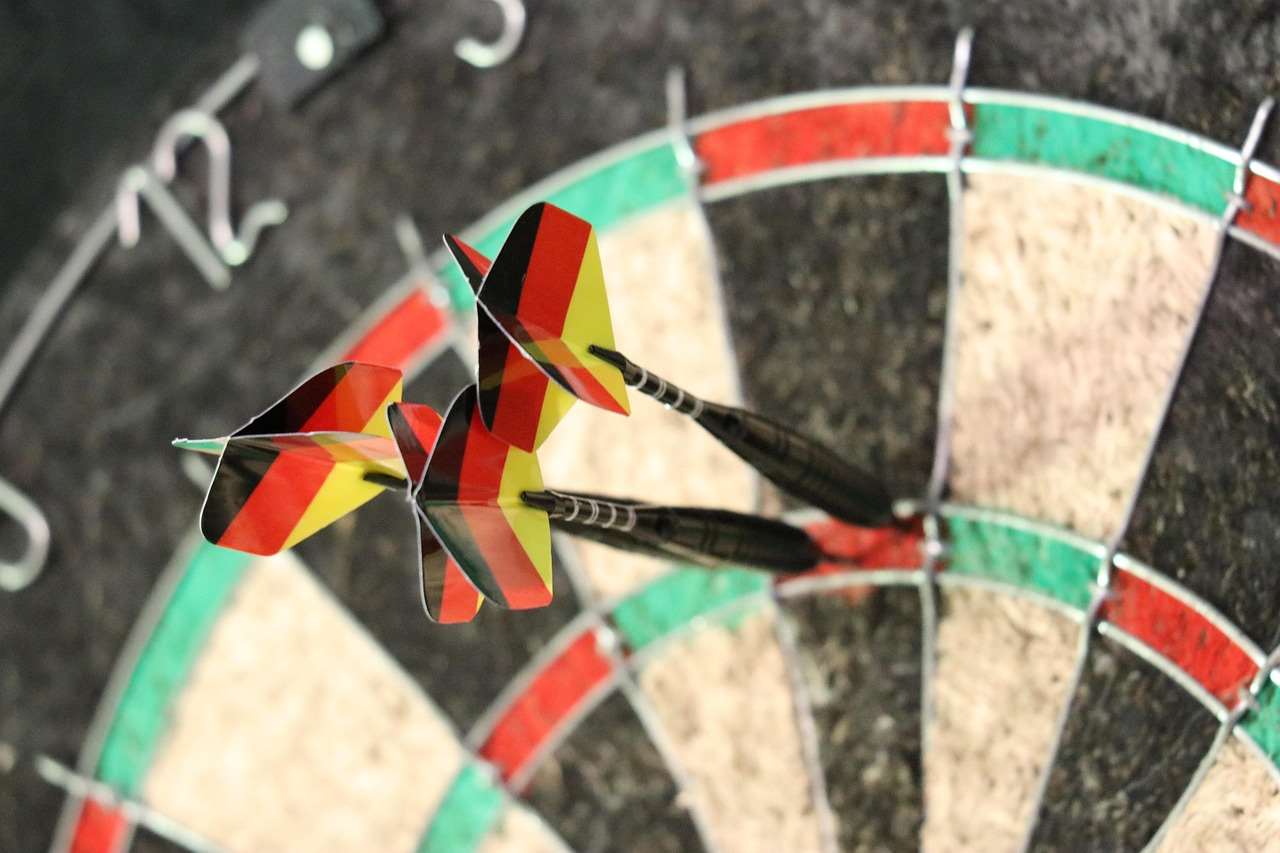
The dimensions of the scoring segments, such as the 20, 1, 5, and bullseye, are carefully calibrated to ensure fair and accurate scoring. These dimensions are based on imperial measurements and have been refined over years of development to optimize gameplay.
The width of the double and treble rings is also crucial. These rings must be narrow enough to challenge players but wide enough to allow for consistent scoring. Again, these dimensions are specified in imperial units and play a vital role in the overall balance of the game. The size of a dartboard influences how the game is played.
Dartboard Thickness and Material Composition
The thickness of the dartboard affects its durability and ability to absorb dart impacts. A thicker board generally lasts longer and reduces the likelihood of darts passing through the back. While the thickness may not be explicitly stated in imperial units in all cases, the overall design and construction are based on these measurements. Sisal fibre is commonly used for dartboards.
The density and composition of the sisal fibers also contribute to the board’s performance. Higher-quality boards use tightly packed sisal fibers that provide excellent dart retention and self-healing properties. The specification and selection of these materials are often based on imperial standards.
Practical Tips for Measuring and Setting Up Your Dartboard
Setting up your dartboard correctly is essential for fair gameplay and preventing injuries. Here are some practical tips for measuring and installing your dartboard according to the standard dimensions:
- Use a Reliable Measuring Tape: Ensure your measuring tape is accurate and easy to read. A steel tape measure is generally more reliable than a fabric one.
- Start with the Bullseye Height: Measure 5 feet 8 inches (173 cm) from the floor and mark the center point for the bullseye.
- Mount the Dartboard Securely: Use a sturdy mounting bracket or system to ensure the dartboard is securely attached to the wall.
- Measure the Oche Distance Accurately: Measure 7 feet 9 1/4 inches (237 cm) from the face of the dartboard to the throwing line. A laser measure can be particularly useful for this step.
By following these tips and using the correct measurements, you can create a professional and enjoyable darts setup in your home or game room. The dartboard setup height is crucial for gameplay.
Checking for Level and Square
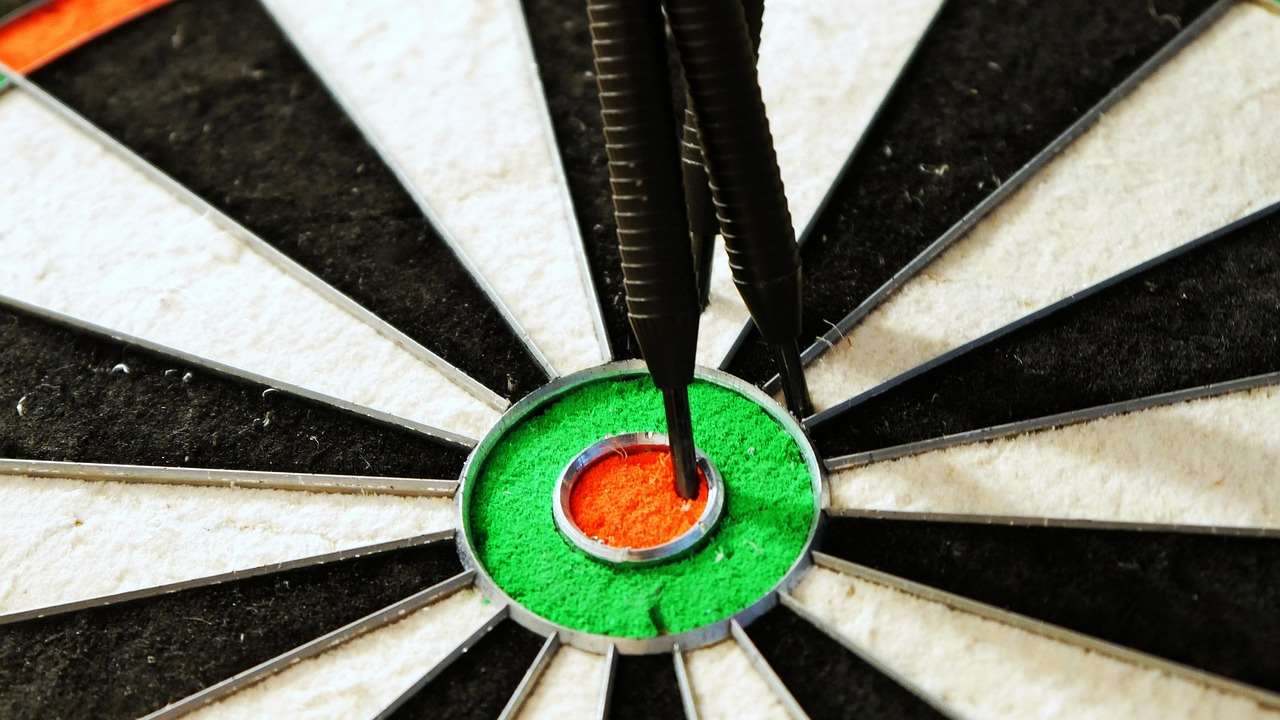
After mounting the dartboard, use a level to ensure it is perfectly vertical. A slightly tilted dartboard can affect your accuracy and lead to unfair scoring. Also, ensure that the throwing line is perpendicular to the plane of the dartboard.
Consider using a dartboard surround to protect your wall from stray darts. A surround also helps to dampen the noise of dart impacts, which can be beneficial in shared living spaces. Fun dart game variations with modified rules can be enjoyed by the whole family.
Regularly Inspecting Your Setup
Periodically check the dartboard’s mounting hardware and the throwing line to ensure they are still secure and properly aligned. Over time, vibrations from dart impacts can loosen the screws or shift the throwing line. A quick inspection every few weeks can prevent problems and maintain the integrity of your setup.
Troubleshooting Common Dartboard Measurement Issues
Even with careful measurements, you may encounter some common issues when setting up your dartboard. Here are some troubleshooting tips to help you resolve these problems:
- Dartboard Too Low or Too High: Double-check your measurements and adjust the dartboard’s position accordingly. Use a level to ensure it is properly aligned.
- Uneven Throwing Surface: If the floor is uneven, use shims or a dart mat to create a level throwing surface.
- Inaccurate Oche Distance: Verify the distance from the face of the dartboard to the throwing line using an accurate measuring tape or laser measure.
Addressing these issues promptly will ensure a fair and enjoyable darts experience for all players. Remember to always prioritize safety and follow the established rules of the game.
When to Replace Your Dartboard
Even the highest-quality dartboards will eventually wear out over time. Signs that it may be time to replace your dartboard include:
- Excessive Bounce-Outs: If darts frequently bounce out of the board, the sisal fibers may be worn and unable to grip the darts properly.
- Visible Wear and Tear: Deep holes and visible damage to the scoring segments indicate that the board is nearing the end of its lifespan.
- Rotating the Board Doesn’t Help: Regularly rotating the dartboard can help to distribute wear evenly, but if the board is still showing signs of wear after rotation, it’s time to replace it.
Conclusion: Mastering Dartboard Dimensions for a Perfect Game
Understanding metric vs imperial dartboard dimensions is essential for setting up a proper playing field. While imperial measurements remain the standard in the world of darts, knowing the metric equivalents can be helpful for those accustomed to the metric system. By adhering to the specified dimensions and following the practical tips outlined in this article, you can ensure a fair, safe, and enjoyable darts experience. Now that you are equipped with the knowledge to set up your dartboard correctly, why not explore alternative darts rules for home play?

Hi, I’m Dieter, and I created Dartcounter (Dartcounterapp.com). My motivation wasn’t being a darts expert – quite the opposite! When I first started playing, I loved the game but found keeping accurate scores and tracking stats difficult and distracting.
I figured I couldn’t be the only one struggling with this. So, I decided to build a solution: an easy-to-use application that everyone, no matter their experience level, could use to manage scoring effortlessly.
My goal for Dartcounter was simple: let the app handle the numbers – the scoring, the averages, the stats, even checkout suggestions – so players could focus purely on their throw and enjoying the game. It began as a way to solve my own beginner’s problem, and I’m thrilled it has grown into a helpful tool for the wider darts community.