Tungsten density explained simply: it’s exceptionally high, around 19.3 g/cm³, making it one of the densest materials found on Earth. This article will delve into why tungsten is so dense, explore its properties, and highlight its diverse applications across various industries.
⚠️ Still Using Pen & Paper (or a Chalkboard)?! ⚠️
Step into the future! The Dart Counter App handles all the scoring, suggests checkouts, and tracks your stats automatically. It's easier than you think!
Try the Smart Dart Counter App FREE!Ready for an upgrade? Click above!
Understanding Tungsten Density Explained: A Deep Dive
Density, in its most basic form, is a measure of how much mass is packed into a given volume. Think of it as how tightly “squished” the atoms of a substance are. A higher density means more mass is contained within the same amount of space. Tungsten excels in this regard due to a combination of factors, which we will explore in detail.

Atomic Structure and Tungsten’s Density
The primary reason for tungsten’s remarkable density lies in its atomic structure. Tungsten has a high atomic mass (approximately 183.84 atomic mass units) and a relatively small atomic radius. This means each tungsten atom is quite heavy, and they are packed closely together in the crystal lattice structure of the metal. The combination of heavy atoms and tight packing is what contributes significantly to the **high density**.
Relativistic Effects on Electrons
Furthermore, a phenomenon known as relativistic effects plays a crucial role. Tungsten, being a heavy element with a high atomic number, possesses electrons that move at significant fractions of the speed of light as they orbit the nucleus. These rapid electron speeds cause the electrons to behave as if they are more massive, leading to a contraction of the electron orbitals closer to the nucleus. This contraction further reduces the atomic radius and increases the **overall density** of the material. Without these relativistic effects, tungsten’s density would be significantly lower. You can Choose Best Dart Equipment based on its density.
The Exceptional Properties of Tungsten
Beyond its density, tungsten boasts several other remarkable properties that make it a valuable material in various applications.
- High Melting Point: Tungsten has the highest melting point of all metals (3,422 °C or 6,192 °F), making it ideal for high-temperature applications.
- High Strength and Hardness: It exhibits excellent strength and hardness, resisting deformation under stress.
- Low Thermal Expansion: Tungsten expands very little when heated, contributing to its dimensional stability.
- Good Corrosion Resistance: It is resistant to corrosion from many acids and alkalis.
Applications of Tungsten: Leveraging its Density
Tungsten’s high density is a key factor in many of its diverse applications. It is favored when weight and compactness are important design considerations.
Counterweights and Ballasts
One of the most common uses of tungsten is in counterweights and ballasts. Its high density allows for a significant amount of weight to be concentrated in a small volume. This is critical in aerospace applications (aircraft control surfaces), racing (balancing car weight distribution), and even in everyday objects like watches (automatic winding mechanisms).
Radiation Shielding
Tungsten is an excellent radiation shielding material. Its high density effectively absorbs X-rays and gamma rays, making it superior to lead in some applications due to its non-toxicity. Tungsten shielding is used in medical imaging (CT scanners), industrial radiography, and nuclear facilities.
Military Applications
In the military, tungsten is used in kinetic energy penetrators. Due to its high density and hardness, tungsten alloys can be used to create projectiles that can pierce armor effectively. These are often used as a replacement for depleted uranium in armor-piercing rounds.
Electrical Contacts
Although not solely due to its density, tungsten’s high melting point and good electrical conductivity make it suitable for electrical contacts, particularly in high-voltage applications. Its density contributes to its durability and resistance to erosion under intense electrical arcs. If you’re deciding between Brass vs Tungsten Darts, consider its other properties too.
Sports Equipment
Tungsten is increasingly used in sports equipment. Its density allows manufacturers to create more compact and efficient designs. For example, in golf clubs, tungsten weighting can be strategically placed to optimize the club’s center of gravity. Another prime example is in the world of darts, where the density of tungsten allows for slimmer barrels.
Tungsten in Dart Manufacturing: A Case Study of Density
The use of tungsten in the manufacturing of darts is a compelling example of how density can significantly impact performance. Here’s why:
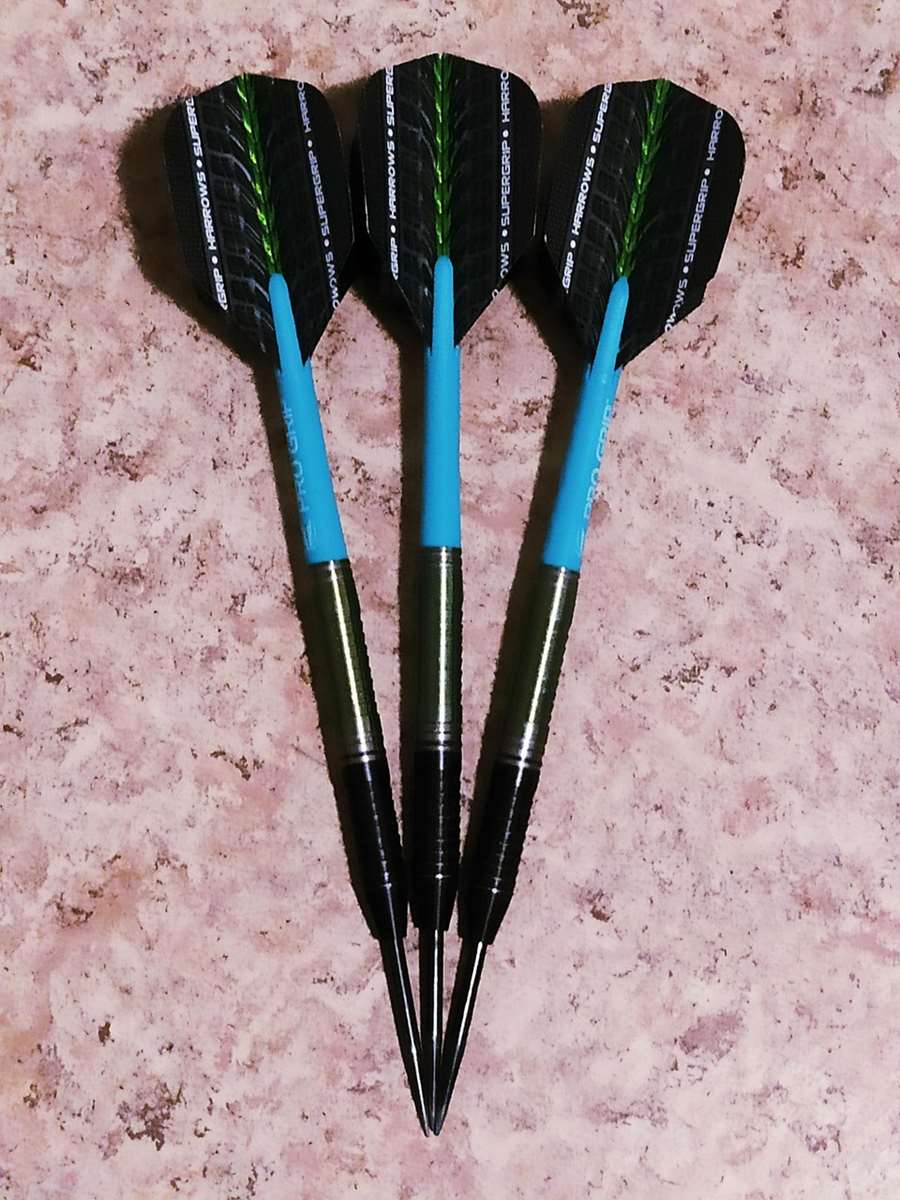
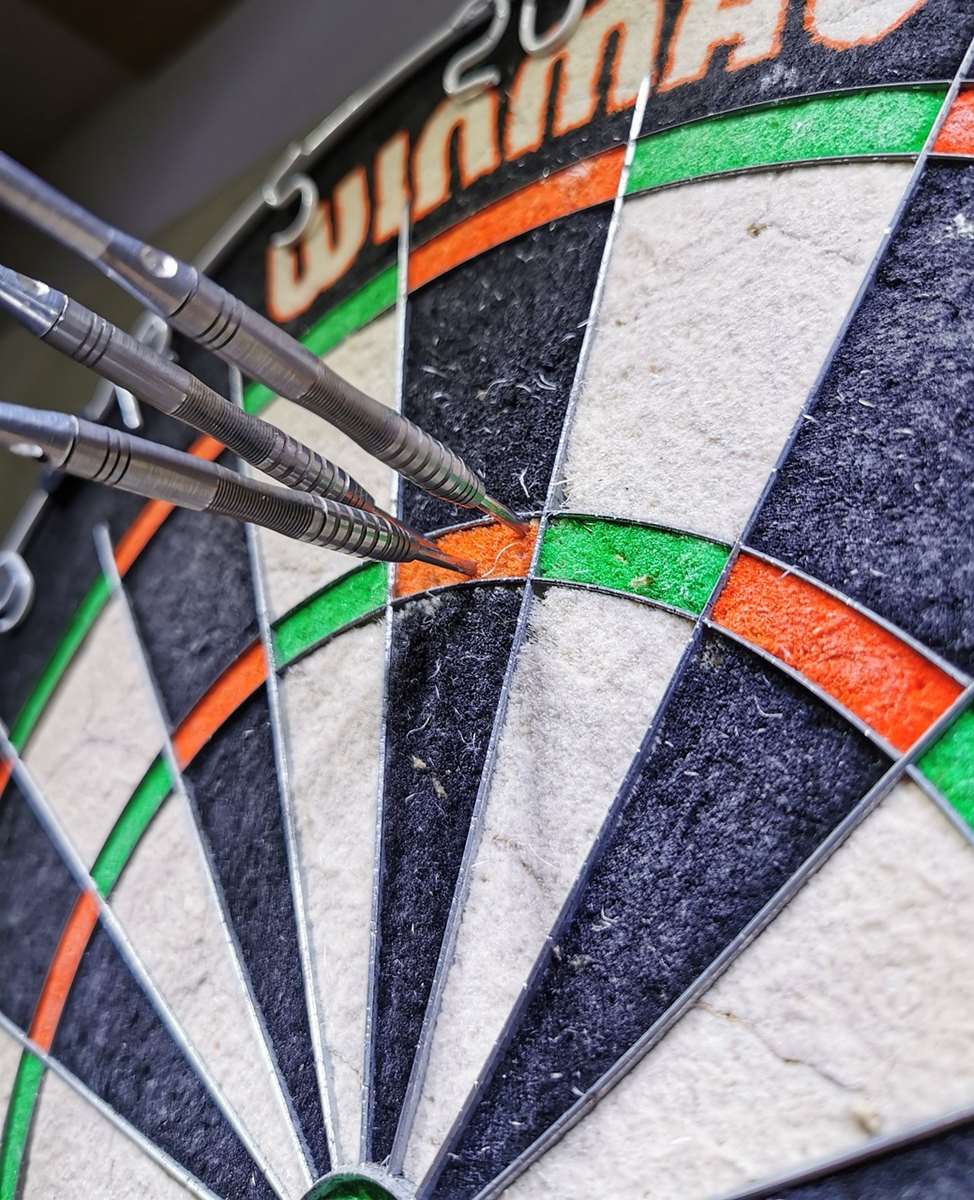
- Slimmer Barrels: Because tungsten is so dense, dart manufacturers can create slimmer barrels compared to darts made from less dense materials like brass or nickel-silver. Slimmer barrels allow for tighter groupings on the dartboard, as multiple darts can fit into the same area.
- Increased Scoring Potential: Tighter groupings naturally translate to a higher probability of scoring well, especially in games like 501 or cricket.
- Enhanced Grip and Control: While not directly related to density, slimmer barrels often allow for more intricate grip designs, enhancing a player’s control over the dart.
Tungsten Alloys: Enhancing Properties Further
Pure tungsten is often alloyed with other metals to enhance its properties. Common alloying elements include nickel, copper, and iron. These alloys are known as heavy metal alloys or tungsten heavy alloys (WHAs). The addition of these metals can improve ductility, machinability, and corrosion resistance while maintaining a high density. The topic of Tungsten Percentage Explained is important when discussing alloys.
Benefits of Tungsten Alloys
- Improved Machinability: Pure tungsten is difficult to machine. Alloying improves its workability.
- Increased Ductility: Alloys are generally less brittle than pure tungsten.
- Enhanced Corrosion Resistance: Certain alloys exhibit better resistance to specific corrosive environments.
- Tailored Properties: Alloying allows engineers to tailor the properties of the material to suit specific applications, optimizing the balance between density, strength, and other characteristics.
Comparing Tungsten Density to Other Materials
To fully appreciate just how dense tungsten is, it’s helpful to compare its density to that of other common materials:
- Aluminum: ~2.7 g/cm³ (Tungsten is over 7 times denser)
- Iron: ~7.9 g/cm³ (Tungsten is about 2.4 times denser)
- Lead: ~11.3 g/cm³ (Tungsten is about 1.7 times denser)
- Gold: ~19.3 g/cm³ (Similar density to Tungsten)
- Osmium: ~22.6 g/cm³ (One of the densest naturally occurring elements, slightly denser than Tungsten)
As you can see, tungsten stands out as one of the densest commonly used materials, exceeded only by a few rare and expensive elements like osmium and iridium. When selecting Choose Right Dart Material, density is key!
Future Trends in Tungsten Applications
Research and development continue to explore new and innovative applications for tungsten, leveraging its unique combination of properties. Some promising areas include:
Advanced Alloys for Extreme Environments
Developing novel tungsten alloys with enhanced high-temperature strength and corrosion resistance for use in extreme environments, such as fusion reactors and advanced aerospace applications.
Micro- and Nano-scale Tungsten Structures
Exploring the use of tungsten in micro- and nano-scale devices, taking advantage of its density and electrical conductivity for applications in sensors, actuators, and electronic components. Tungsten density explained, even at the nano level, follows the same fundamental principles.
Additive Manufacturing (3D Printing) of Tungsten Parts
Advancements in additive manufacturing techniques are enabling the creation of complex tungsten parts with tailored properties, opening up new possibilities for customized solutions in various industries.
Conclusion: The Enduring Value of Tungsten Density
Tungsten density explained reveals the fascinating interplay of atomic structure, relativistic effects, and macroscopic properties that make this element so remarkable. Its high density, coupled with its exceptional melting point, strength, and other favorable characteristics, has cemented its place as a crucial material in a wide array of applications. From counterweights to radiation shielding to dart manufacturing, tungsten continues to play a vital role in diverse industries. As research and technology advance, we can expect to see even more innovative uses for this dense and versatile metal. To learn more about the impact of tungsten in dart construction and to improve your game, explore our guides on selecting the perfect dart material. Why Choose Tungsten Darts? Find out now!

Hi, I’m Dieter, and I created Dartcounter (Dartcounterapp.com). My motivation wasn’t being a darts expert – quite the opposite! When I first started playing, I loved the game but found keeping accurate scores and tracking stats difficult and distracting.
I figured I couldn’t be the only one struggling with this. So, I decided to build a solution: an easy-to-use application that everyone, no matter their experience level, could use to manage scoring effortlessly.
My goal for Dartcounter was simple: let the app handle the numbers – the scoring, the averages, the stats, even checkout suggestions – so players could focus purely on their throw and enjoying the game. It began as a way to solve my own beginner’s problem, and I’m thrilled it has grown into a helpful tool for the wider darts community.