Making the move? Transitioning steel soft tip rules doesn’t have to be a headache! This article provides a clear guide on adapting to the nuances of each dart type and their respective rule sets. We’ll cover equipment differences, scoring variations, and strategies for seamless gameplay switching.
⚠️ Still Using Pen & Paper (or a Chalkboard)?! ⚠️
Step into the future! The Dart Counter App handles all the scoring, suggests checkouts, and tracks your stats automatically. It's easier than you think!
Try the Smart Dart Counter App FREE!Ready for an upgrade? Click above!
Understanding the Core Differences: Steel Tip vs. Soft Tip Darts
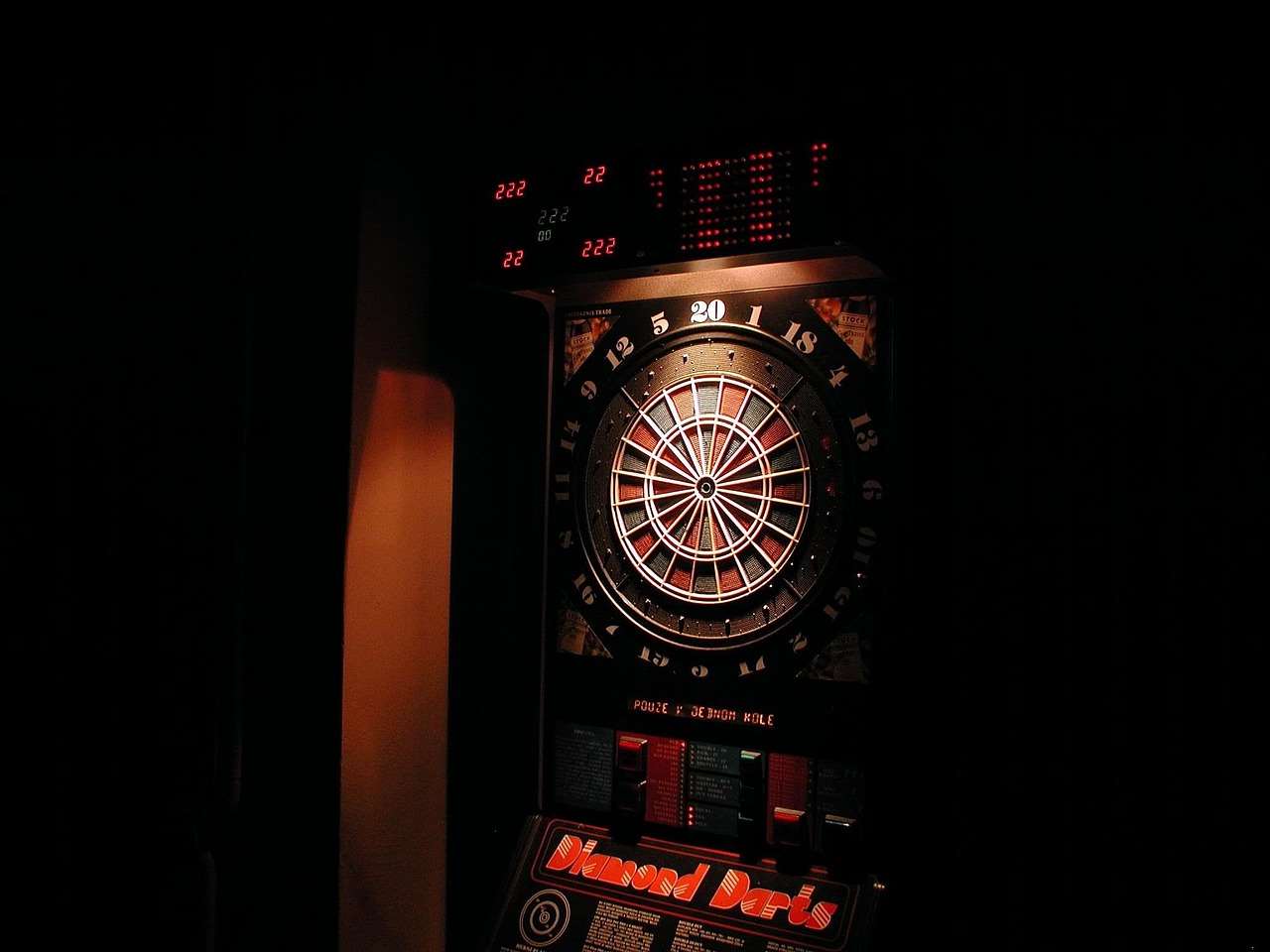
The most apparent difference between steel tip and soft tip darts lies in their construction. Steel tip darts, as the name suggests, have a sharp, pointed steel tip designed to pierce a bristle dartboard. Soft tip darts, on the other hand, feature a plastic tip intended for electronic dartboards with small holes. This difference impacts not only the type of dartboard used but also the scoring and overall gameplay experience.
Beyond the tips, there are also subtle differences in weight and barrel design. Steel tip darts often weigh more than soft tip darts, typically ranging from 20 to 26 grams, while soft tip darts usually weigh between 16 and 20 grams. The lighter weight of soft tip darts is necessary to prevent damage to the electronic dartboard. Understanding these subtle differences is crucial when transitioning steel soft tip rules.
Navigating the Rules: A Side-by-Side Comparison
While both steel tip and soft tip darts games are based on the fundamental principle of reducing a starting score (usually 301 or 501) to zero, some crucial rule variations exist. These variations primarily involve scoring and out methods.
Steel Tip Rules:
- Double Out: Most steel tip games require a “double out,” meaning the final dart thrown must land on a double (the outer ring of the dartboard).
- Master Out: Some variations allow for a “master out,” where the final dart must land on a double or a triple.
- Bullseye Value: The outer bullseye (single bull) is worth 25 points, and the inner bullseye (double bull) is worth 50 points.
Soft Tip Rules:
- Double Out (Optional): While some soft tip leagues enforce double out rules, many allow for a straight out, meaning the final dart can land on any number that brings the score to exactly zero.
- Cricket Scoring: Soft tip darts are often associated with Cricket, a game where players aim to close out specific numbers and the bullseye before their opponent.
- Bullseye Value: Typically, the bullseye counts as 50 points. Some boards register single and double bull separately.
Understanding these differences is key to a smooth experience when transitioning steel soft tip rules. You don’t want to accidentally “bust” your score because you forgot the double out requirement!
Adjusting Your Technique: From Bristle to Electronic
The transition between steel tip and soft tip darts requires some adjustments to your throwing technique. The lighter weight of soft tip darts often necessitates a smoother, more controlled release. Overpowering the throw can lead to erratic dart placement and reduced accuracy. Consider exploring Basic Darts Fundamentals for Beginners to refine your overall darting form.
Furthermore, the different surfaces of the dartboard also play a role. Bristle dartboards used for steel tip darts offer more resistance, allowing for slightly more forgiveness in your throw. Electronic dartboards, being made of plastic, provide less resistance, requiring a more precise and consistent delivery. Spend time practicing on both types of boards to develop a feel for the subtle differences.
Another adjustment involves your stance. Due to the electronic board having slightly larger segments, some players adjust their position relative to the board. It’s about finding what works best for your individual style.
Equipment Considerations: Darts, Boards, and More
Successfully transitioning steel soft tip rules also involves understanding the necessary equipment. You can’t use steel tip darts on an electronic dartboard, and vice versa, without damaging the equipment. Let’s break down the essential equipment for each type of darts.
Steel Tip Equipment:
- Steel Tip Darts: Choose darts with a weight and barrel design that feels comfortable in your hand.
- Bristle Dartboard: A high-quality bristle dartboard made of sisal fibers is essential.
- Oche (Throwing Line): Ensure the oche is at the correct distance from the dartboard.
- Dartboard Surround: A surround protects the wall from stray darts.
Soft Tip Equipment:
- Soft Tip Darts: Select darts specifically designed for electronic dartboards, with appropriate weight and replaceable tips.
- Electronic Dartboard: Choose a dartboard with the desired features, such as different game options, scoring displays, and sound effects.
- Spare Tips: Keep a supply of spare soft tips on hand, as they can break or wear down over time.
- Power Supply: Ensure the electronic dartboard has a reliable power source.
Mastering Common Soft Tip Games: Beyond 501
While 501 is a staple of both steel tip and soft tip darts, soft tip play often features a wider range of games. Familiarizing yourself with these games can significantly enhance your enjoyment of the sport when transitioning steel soft tip rules.
- Cricket: As mentioned earlier, Cricket is a popular soft tip game where players must “close out” numbers 15 through 20 and the bullseye before their opponent. Strategic gameplay and accuracy are crucial in Cricket.
- 301: A faster-paced version of 501, 301 can be a good option for shorter matches.
- Around the World: In this game, players must hit each number on the dartboard in sequence, starting with 1 and progressing to 20.
- Shanghai: Players aim to score the highest possible total on a specific number (e.g., 1) within three darts. They then move to the next number in sequence.
Exploring Fun dart game variations with modified rules can further expand your repertoire and keep things interesting.
Strategic Considerations: Adapting Your Mindset
More than just technique, transitioning steel soft tip rules requires an adjustment in mindset. Steel tip darts often reward a more methodical, precision-based approach. Soft tip darts, with their electronic scoring and faster-paced games, can encourage a more aggressive and strategic style of play.
Consider the following strategic tips:
- Practice Your Doubles: In steel tip, doubles are crucial for finishing. Consistent practice is key.
- Understand Cricket Strategy: In Cricket, know when to attack and when to defend. Closing out key numbers and preventing your opponent from scoring are essential.
- Take Advantage of Electronic Scoring: Electronic dartboards provide immediate feedback on your scores. Use this information to adjust your strategy and make informed decisions.
- Adapt to Different Opponents: Observe your opponent’s playing style and adjust your strategy accordingly. Some players are more aggressive, while others are more defensive.
Overcoming Challenges: Common Pitfalls and Solutions
When transitioning steel soft tip rules, players often encounter certain challenges. Understanding these pitfalls and implementing effective solutions can smooth the transition.
- Difficulty with Lighter Darts: If you’re used to the weight of steel tip darts, the lighter feel of soft tip darts can take some getting used to. Experiment with different weights and barrel designs to find a soft tip dart that feels comfortable.
- Inconsistent Scoring: Electronic dartboards can sometimes register scores incorrectly. Make sure the board is properly calibrated and that the segments are clean and free of debris.
- Broken Tips: Soft tips can break, especially if thrown with excessive force. Always have spare tips on hand and consider using higher-quality tips.
- Adapting to Different Out Methods: Switching between double out and straight out can be confusing. Make sure you understand the specific rules of the game you’re playing and practice accordingly.
Consider exploring modifying rules for mixed-level dart players to make the game more enjoyable for everyone.

Practice Drills for Seamless Transition
Dedicated practice is essential for a smooth transition between steel and soft tip rules. Here are some drills you can incorporate into your training routine:
- Double Practice (Steel Tip): Focus specifically on hitting doubles, as this is crucial for finishing in steel tip games.
- Cricket Number Practice (Soft Tip): Concentrate on consistently hitting the 15s, 16s, 17s, 18s, 19s, 20s, and bullseye, as these are the key numbers in Cricket.
- Switching Drill: Alternate between playing steel tip and soft tip games in the same practice session to help you adapt to the different rules and equipment.
- Target Practice: Aim for specific targets on the dartboard to improve your accuracy and consistency.
Regular practice and a focus on fundamental techniques will significantly improve your ability to excel in both steel tip and soft tip darts.
Maintaining Your Darts: Ensuring Optimal Performance
Regardless of whether you’re using steel tip or soft tip darts, proper maintenance is essential for ensuring optimal performance and longevity. Regularly cleaning your darts, checking for loose parts, and replacing worn tips will help you maintain accuracy and consistency.
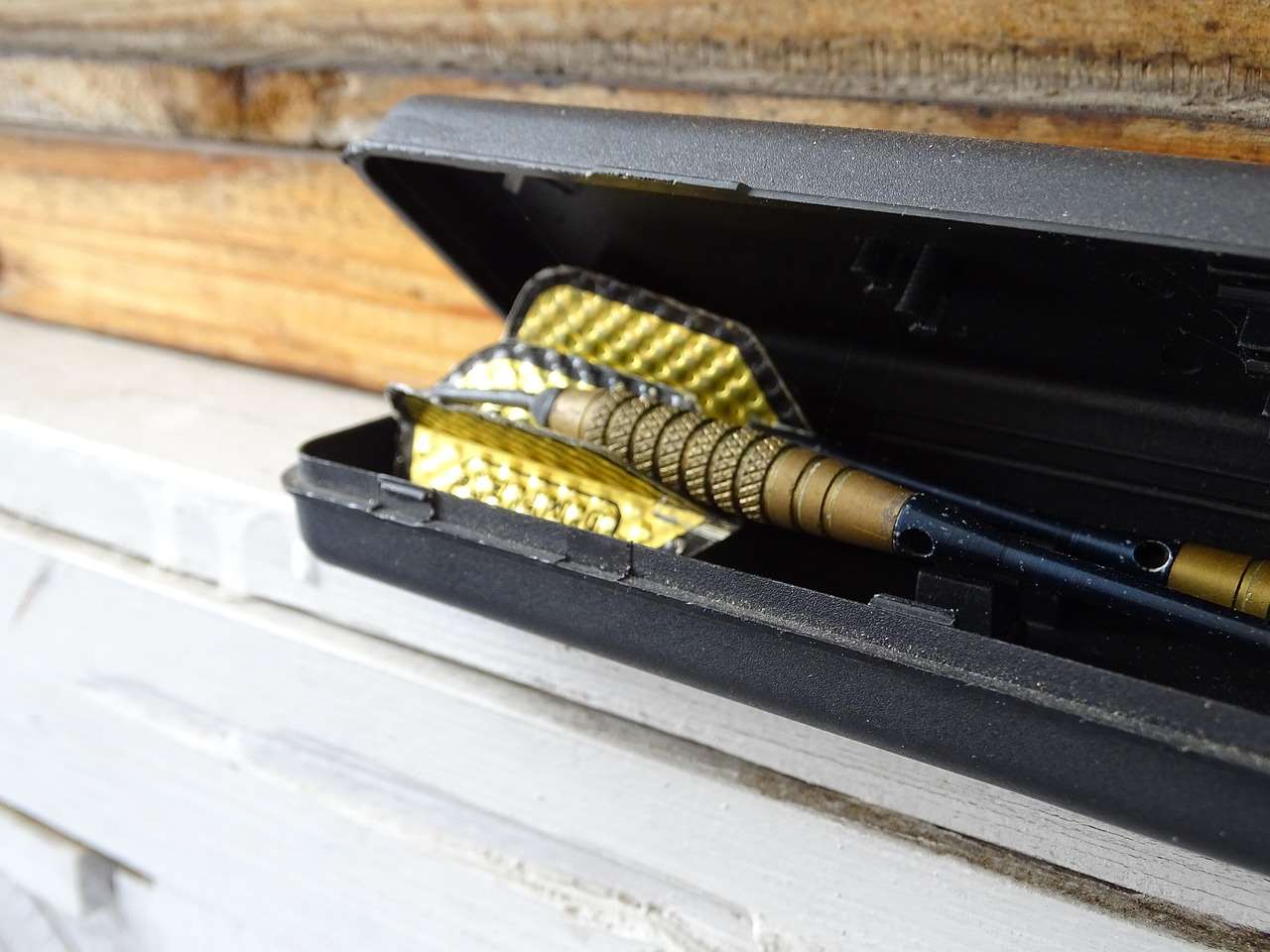
For steel tip darts, use a dart sharpener to keep the points sharp and free of burrs. For soft tip darts, regularly replace the tips, as they can become worn or damaged over time. Store your darts in a dart case to protect them from damage and keep them organized.
Embracing the Versatility: Becoming a True Darts Enthusiast
Ultimately, transitioning steel soft tip rules isn’t about choosing one over the other. It’s about embracing the versatility of darts and enjoying the unique challenges and opportunities that each type offers. By understanding the rules, adapting your technique, and practicing consistently, you can become a true darts enthusiast, capable of excelling in both steel tip and soft tip games. It allows for a dynamic and varied approach to the sport, ensuring a continuous learning curve and a heightened sense of achievement.
Consider how Adapting darts rules for beginners can influence your own playing style as you transition between formats.
Conclusion: Your Journey into the World of Darts
Transitioning steel soft tip rules successfully involves understanding the core differences in equipment, mastering the nuances of each ruleset, adapting your throwing technique, and adjusting your mindset. By embracing these changes and dedicating time to practice, you can unlock a whole new dimension of enjoyment in the world of darts. Don’t be afraid to experiment, learn from your mistakes, and most importantly, have fun! So, pick up your darts, choose your board, and start your journey today. Ready to take your dart skills to the next level? Explore our other articles for more in-depth tips and techniques!

Hi, I’m Dieter, and I created Dartcounter (Dartcounterapp.com). My motivation wasn’t being a darts expert – quite the opposite! When I first started playing, I loved the game but found keeping accurate scores and tracking stats difficult and distracting.
I figured I couldn’t be the only one struggling with this. So, I decided to build a solution: an easy-to-use application that everyone, no matter their experience level, could use to manage scoring effortlessly.
My goal for Dartcounter was simple: let the app handle the numbers – the scoring, the averages, the stats, even checkout suggestions – so players could focus purely on their throw and enjoying the game. It began as a way to solve my own beginner’s problem, and I’m thrilled it has grown into a helpful tool for the wider darts community.