Navigating the world of competitive darts requires understanding the nuances between steel tip and soft tip **tournament rules**. This article breaks down the key differences, from equipment specifications to gameplay procedures, ensuring you’re prepared for any darting competition. We’ll explore scoring, foul lines, acceptable darts, and more, providing a comprehensive guide for players of all levels.
⚠️ Still Using Pen & Paper (or a Chalkboard)?! ⚠️
Step into the future! The Dart Counter App handles all the scoring, suggests checkouts, and tracks your stats automatically. It's easier than you think!
Try the Smart Dart Counter App FREE!Ready for an upgrade? Click above!
Understanding the Core Differences: Tournament rules steel vs soft tip
When comparing tournament rules steel vs soft tip, the variations extend beyond just the dart material. While the objective of many games remains the same (typically reaching zero from a starting score, often 501 or 301), the specific rules governing gameplay, acceptable equipment, and scoring methodologies can differ significantly. A clear grasp of these distinctions is essential for competitive play.
Dart Specifications and Requirements
One of the most obvious differences lies in the darts themselves.
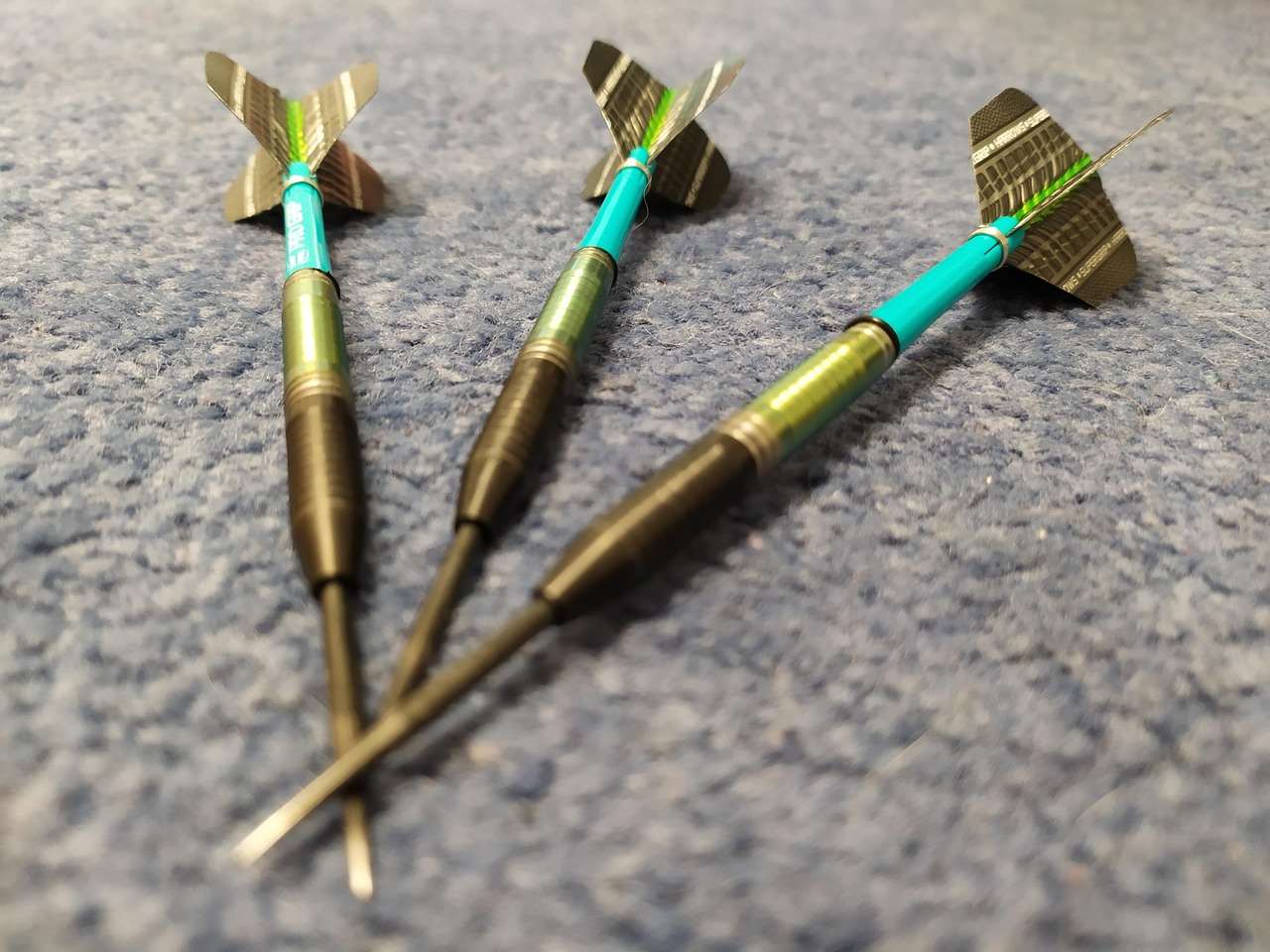
- Steel Tip Darts: These darts feature a sharp, pointed steel tip designed to embed firmly into a bristle dartboard. There are typically weight restrictions, but exact limits vary by tournament. Generally, darts cannot exceed 50 grams. Materials can include tungsten, brass, or a combination.
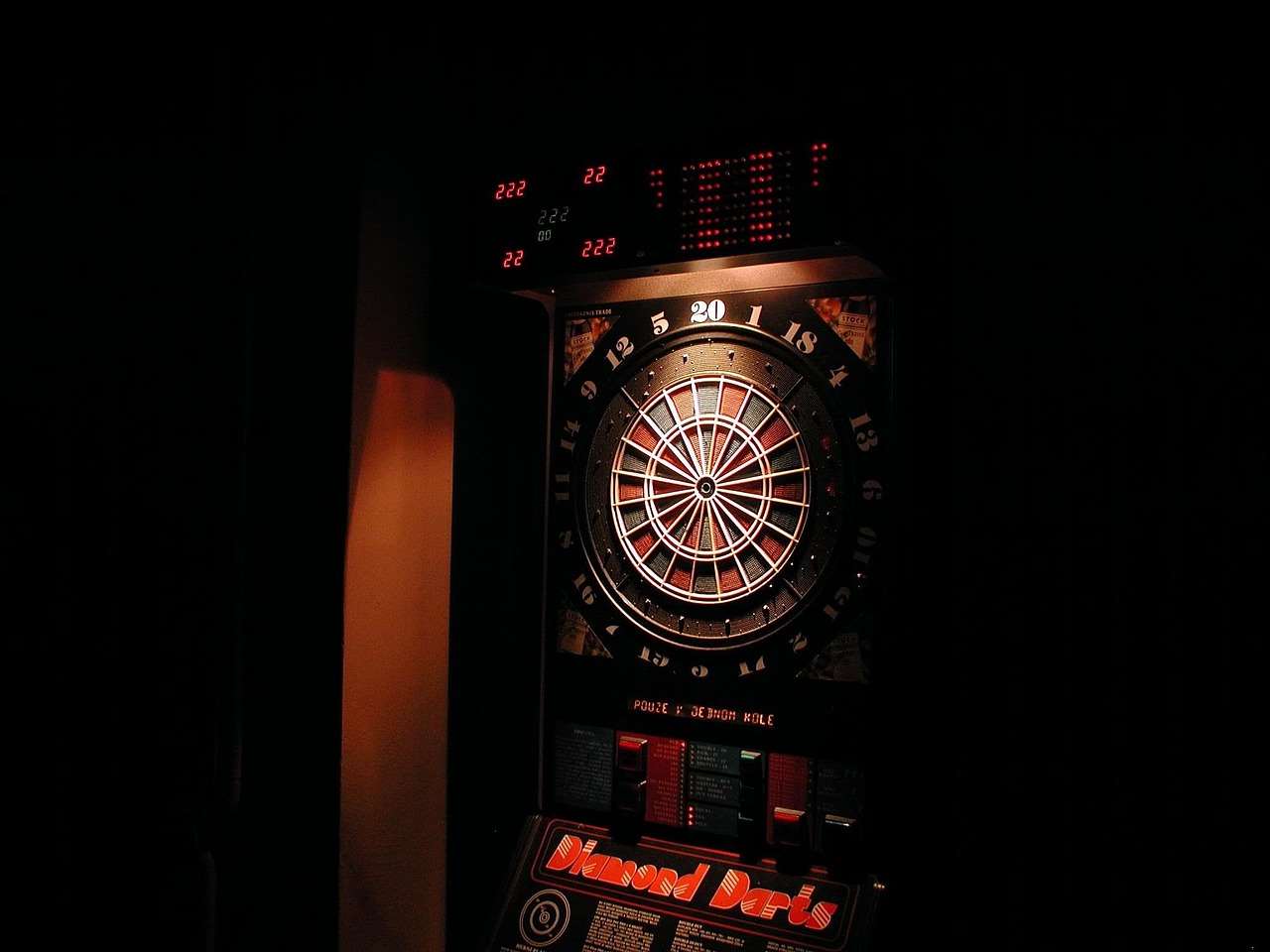
- Soft Tip Darts: Soft tip darts have a plastic tip designed to register on an electronic dartboard. Weight limits are also common, usually around 18-20 grams. The tips are designed to break upon impact to ensure they don’t cause damage to the board, and players should always carry spare tips.
Using the wrong type of dart in a tournament can result in disqualification. Knowing the specific requirements for each type is critical. You can learn more about getting started with Basic Darts Fundamentals for Beginners.
Dartboard Setup and Dimensions
The dartboards themselves also vary considerably.
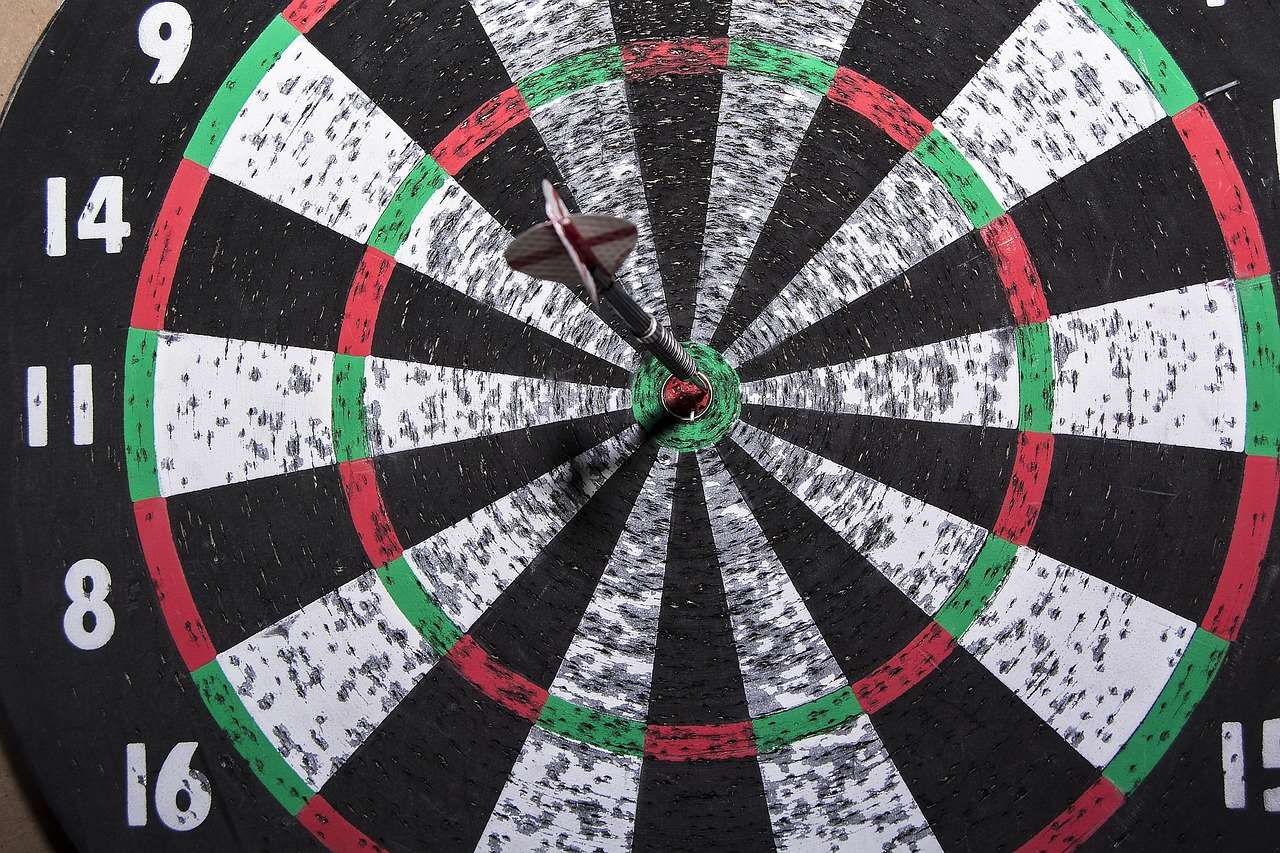
- Steel Tip Dartboards: These are typically made of compressed sisal fibers, creating a self-healing surface. The standard height for the bullseye is 5 feet 8 inches (1.73 meters) from the floor. The oche (throwing line) is 7 feet 9 1/4 inches (2.37 meters) from the face of the board.
- Soft Tip Dartboards: These are electronic boards with small holes for the soft tips to register. The bullseye height is also 5 feet 8 inches (1.73 meters), but the oche distance can vary slightly depending on the specific board and tournament rules, often being closer than the steel tip distance.
Ensure you are familiar with the specific dimensions for each type of board before competing.
Gameplay and Scoring: Dissecting the differences
Beyond the equipment, the gameplay and scoring rules can also present some key differences.
Starting Scores and Game Objectives
While the most popular game format, 501, is common to both steel tip and soft tip darts, the subtle nuances in achieving victory can differ. Both usually involve reducing a starting score (typically 501 or 301) to zero.
Double In/Double Out Rules
Many tournaments utilize “double in” or “double out” rules.
- Double In: This requires the player to hit a double segment to start scoring in the game.
- Double Out: This mandates that the player must finish the game by hitting a double segment that reduces their score to exactly zero.
Variations exist; some tournaments might require a “master out” (double or triple to finish), which impacts strategy significantly.
Bust Rules and Scoring Errors
A “bust” occurs when a player reduces their score below zero or ends their turn with a score of one. In both steel tip and soft tip darts, a bust typically results in the player’s score returning to what it was at the start of that turn. However, electronic soft tip boards can automatically calculate scores and prevent busts, whereas in steel tip, the scorer (or the player themselves) needs to keep track mentally.
Scoring System Variations
Soft tip darts often include game variations beyond the standard 501, such as Cricket, which involves claiming and closing numbers. Steel tip primarily focuses on number-based games.
Tournament Etiquette and Regulations
Throwing Regulations
Rules regarding foot placement and stance behind the oche are generally consistent across both steel tip and soft tip tournaments. Players must remain behind the throwing line when releasing the dart. Stepping over the line can result in the throw being invalid.
Dress Code and Conduct
Most tournaments, regardless of the dart type, enforce a dress code, prohibiting overly casual attire such as ripped jeans, t-shirts with offensive slogans, or open-toed shoes. Good sportsmanship is expected, and disruptive behavior can lead to penalties or disqualification.
Disputes and Appeals
In the event of a scoring dispute or rule interpretation disagreement, tournaments typically have a designated official or committee responsible for resolving the issue. Players should be aware of the process for filing an appeal and presenting their case.
Strategies for both steel tip and soft tip darts
While the rules influence strategy, fundamental skills remain vital in both formats.
Accuracy and Consistency
Regardless of the dart type, accuracy is paramount. Consistent practice routines and a well-honed throwing technique are crucial for success. Develop a pre-throw routine and stick to it.
Mental Game
The mental aspect of darts is often underestimated. Maintaining focus, managing pressure, and bouncing back from setbacks are essential skills. Visualize success and develop strategies for dealing with distractions.
Strategic Number Selection
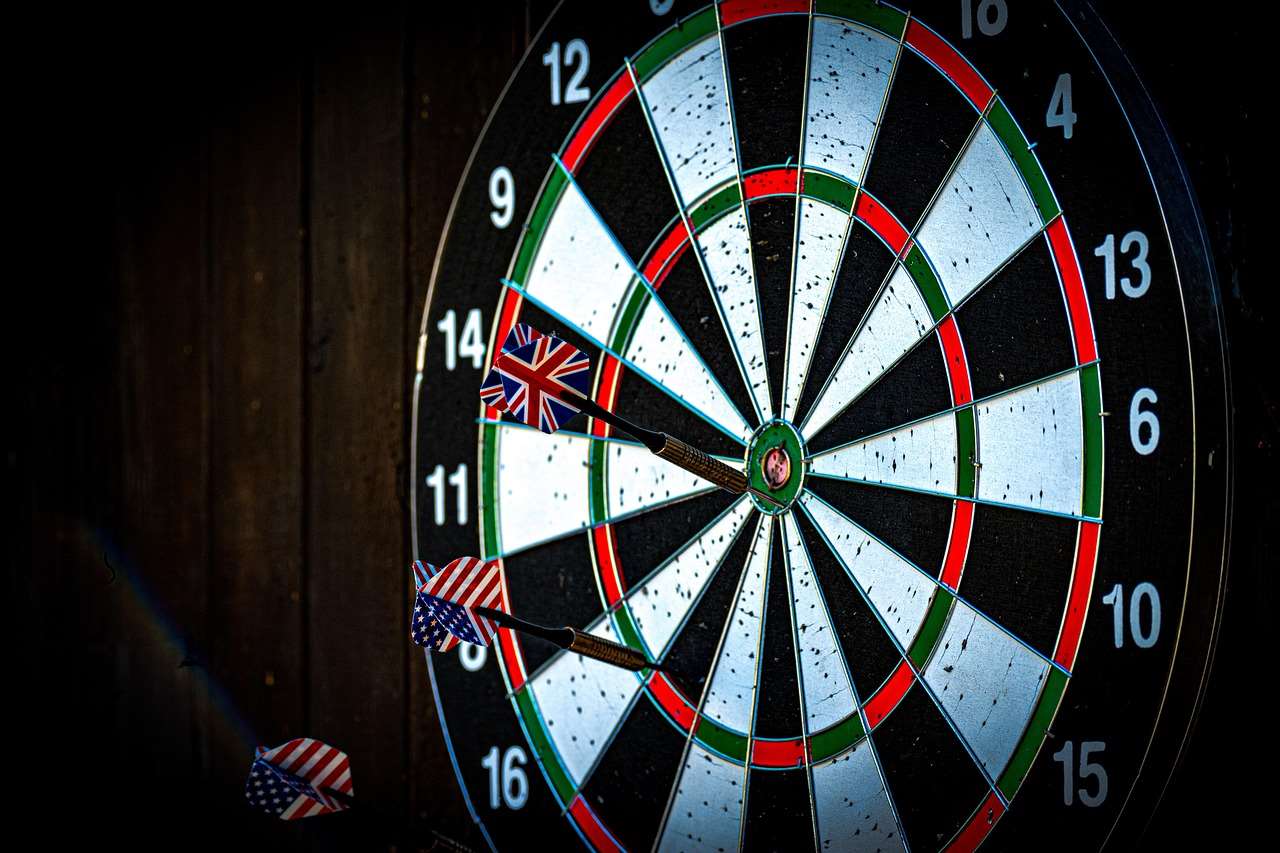
Understanding the probability of hitting certain numbers and planning your throws accordingly is crucial. In 501, aiming for higher-scoring numbers like 20 and 19 is common, but knowing when to switch to other targets to set up a finish is equally important. If you are finding dart games to be too difficult, you can start by adapting darts rules for beginners.
Steel Tip Specific Strategies
Bristle Board Considerations
Understanding the wear and tear on a bristle board is essential. Certain areas become softer with repeated hits, so adjust your aim slightly as the board ages. Target rotation is also employed in some venues, so familiarize yourself with the board’s condition before the match.
Dart Maintenance
Regularly sharpen your steel tips to ensure they grip the board properly. Damaged flights can significantly impact accuracy, so replace them as needed.
Soft Tip Specific Strategies
Electronic Board Awareness
Become familiar with the specific electronic board being used in the tournament. Some boards may have more sensitive sensors than others, which can affect scoring accuracy. Also, be mindful of the throw line distance, as it can vary slightly between boards.
Tip Management
Carry an ample supply of spare tips, as they break frequently. Develop a quick tip replacement technique to minimize downtime during matches. Be aware of the “bounce-out” rules, as some tournaments may award a score if the board detects a dart impacting but not remaining embedded.

Resources for Staying Updated on Tournament Rules
Rules can evolve, so stay informed.
Official Darts Organizations
Organizations like the Professional Darts Corporation (PDC) and the World Darts Federation (WDF) are excellent resources for accessing the latest rules and regulations for steel tip tournaments. For soft tip darts, organizations like the American Darters Association (ADA) and various local leagues provide relevant information.
Tournament Websites and Handbooks
Most major tournaments have official websites or handbooks that detail the specific rules and regulations for that event. Review these materials carefully before participating.
Online Forums and Communities
Darts forums and online communities can be valuable sources of information, allowing you to connect with experienced players and ask questions about rule interpretations. However, always verify information from unofficial sources with official tournament guidelines.
Practicing Under Tournament Conditions
Simulating Tournament Pressure
Practice under conditions that mimic the stress of a real tournament. This could involve setting up distractions, playing against stronger opponents, or imposing time limits on your throws.
Playing Practice Matches
Participate in practice matches with players who are familiar with tournament rules. This allows you to identify any gaps in your knowledge and refine your gameplay strategy. Consider modifying rules for mixed-level dart players to improve your competitive play.
Recording and Analyzing Your Performance
Keep track of your scores and analyze your performance after each practice session or match. Identify areas where you need to improve and adjust your training accordingly.
Conclusion
Understanding the specific **tournament rules steel vs soft tip** is essential for competitive success in darts. From equipment specifications and scoring variations to etiquette and strategic considerations, knowing the nuances of each format can give you a significant edge. Remember to stay updated on the latest regulations, practice under tournament conditions, and continually refine your skills. So, pick up your darts, familiarize yourself with the rules, and get ready to compete! If you’re new to darts, start with the basics and consider trying Simplified 501 game rules for novice players to get comfortable with the game. Now, go practice and aim for that bullseye!

Hi, I’m Dieter, and I created Dartcounter (Dartcounterapp.com). My motivation wasn’t being a darts expert – quite the opposite! When I first started playing, I loved the game but found keeping accurate scores and tracking stats difficult and distracting.
I figured I couldn’t be the only one struggling with this. So, I decided to build a solution: an easy-to-use application that everyone, no matter their experience level, could use to manage scoring effortlessly.
My goal for Dartcounter was simple: let the app handle the numbers – the scoring, the averages, the stats, even checkout suggestions – so players could focus purely on their throw and enjoying the game. It began as a way to solve my own beginner’s problem, and I’m thrilled it has grown into a helpful tool for the wider darts community.