If you’re looking for a dart that offers a comfortable grip and consistent release, torpedo barrel darts are an excellent choice. Their distinct shape concentrates the weight towards the front, promoting a stable and accurate throw. This article will explore the benefits, features, and considerations when selecting the perfect set of torpedo barrel darts for your game, including understanding weight distribution, grip styles, and material options.
⚠️ Still Using Pen & Paper (or a Chalkboard)?! ⚠️
Step into the future! The Dart Counter App handles all the scoring, suggests checkouts, and tracks your stats automatically. It's easier than you think!
Try the Smart Dart Counter App FREE!Ready for an upgrade? Click above!
Understanding Torpedo Barrel Darts
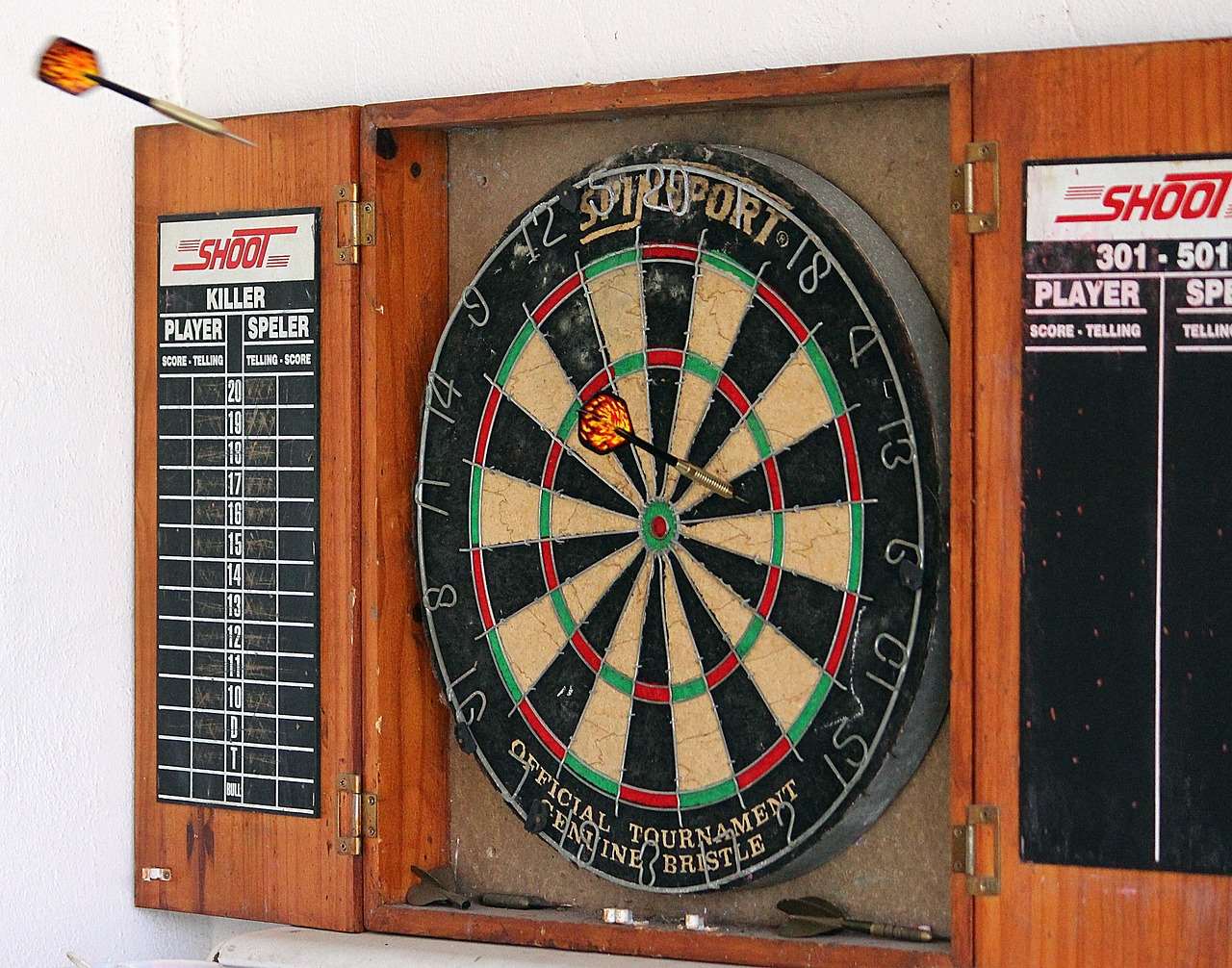
Torpedo barrel darts are characterized by their unique profile: wider at the front and tapering towards the back, resembling a, well, torpedo! This design isn’t just for aesthetics; it significantly impacts the dart’s flight and feel. The concentrated weight at the front helps the dart penetrate the air more efficiently, reducing wobble and improving accuracy. This can be particularly beneficial for players who prefer a more direct and forceful throwing style.
Think of it like throwing a paper airplane. A plane with weight concentrated at the front will fly straighter and further than one with the weight evenly distributed or towards the back. The same principle applies to darts. Understanding the weight distribution is crucial. Most torpedo barrel darts range from 20 to 26 grams, but the perceived weight and feel can vary depending on how that weight is distributed along the barrel.
Benefits of the Torpedo Shape
- Enhanced Accuracy: The front-loaded weight promotes a straighter trajectory.
- Improved Grip: The wider front section provides a comfortable and secure gripping surface.
- Reduced Wobble: Aerodynamic design minimizes wobble during flight, leading to more consistent landings.
- Penetration: The concentrated weight allows for easier penetration of the dartboard.
Consider visiting a local darts shop or online retailer to test out different weights and grip styles to find what works best for you. Also, remember to check out the darts price to compare various options.
Choosing the Right Torpedo Barrel Darts
Selecting the ideal set of torpedo barrel darts involves several key considerations, including weight, material, grip style, and personal preference. It’s not simply about picking the shiniest dart; it’s about finding a set that complements your throwing style and helps you achieve consistency.
Weight: Finding Your Sweet Spot
Dart weight is a highly personal preference. Lighter darts (20-22 grams) tend to fly faster and require a more controlled release, while heavier darts (24-26 grams) offer more stability and are less susceptible to minor inconsistencies in your throw. Many players find that 23 grams is a solid starting point when experimenting with torpedo barrel darts.
Material: Tungsten vs. Brass
The two most common materials for dart barrels are tungsten and brass. Tungsten darts are denser than brass, allowing for a slimmer barrel with the same weight. This can be advantageous for grouping your darts closer together on the board. Tungsten is also more durable and resistant to wear and tear.
Brass darts are generally more affordable, making them a good option for beginners or casual players. However, they are bulkier than tungsten darts and can wear down more quickly. Consider the long-term investment when deciding between tungsten and brass. Don’t forget about flight quality. A high-quality dart flight can make a noticeable difference to your dart flight slow motion.
Grip Style: Finding Your Comfort Zone
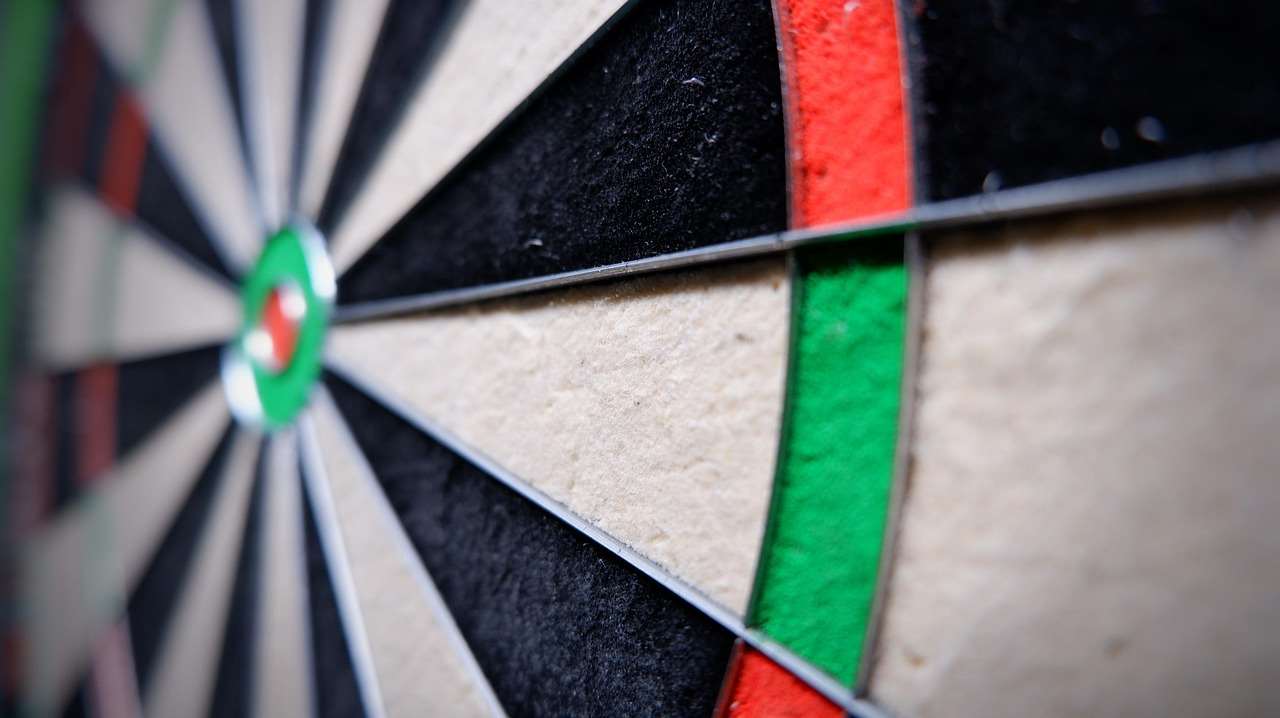
Grip is arguably the most important factor in selecting a set of torpedo barrel darts. The grip refers to the texture and pattern on the barrel that provides traction for your fingers. Different grip styles cater to different preferences and throwing styles. Common grip types include:
- Knurled: A rough, textured surface that provides excellent grip.
- Ringed: Grooves cut into the barrel that offer a more subtle grip.
- Smooth: A polished surface with minimal grip.
- Combination: A mix of different grip styles.
Experimenting with different grip styles is crucial to finding what feels most comfortable and secure in your hand. Consider where your fingers naturally rest on the barrel and choose a grip style that provides adequate traction in those areas. For example, if you grip the dart towards the front, make sure that area of the barrel has sufficient grip.
Shafts and Flights: Completing Your Setup
While the barrel is the heart of the dart, the shaft and flights play crucial roles in its flight and stability. The shaft connects the barrel to the flight and comes in various lengths and materials. Shorter shafts tend to promote a faster, more direct flight, while longer shafts offer more stability.
Flights are the wings of the dart, providing lift and controlling its trajectory. Flights come in a variety of shapes and sizes, each with its own aerodynamic properties. Larger flights provide more lift and stability, while smaller flights offer less resistance and faster flight. Standard flights are a great starting point for most players.

Don’t overlook the importance of experimenting with different shaft and flight combinations to fine-tune your dart’s performance. Remember to always keep track of the darts live score board as you practice to track your improvements.
Advanced Techniques with Torpedo Barrel Darts
Once you’ve found a set of torpedo barrel darts that feels comfortable and suits your throwing style, you can begin to explore more advanced techniques to further improve your game. This includes refining your stance, grip, and release, as well as developing a consistent pre-throw routine.
Stance and Balance
Your stance is the foundation of your throw. A stable and balanced stance allows you to generate power and maintain control throughout your throwing motion. Most players adopt a sideways stance, with their dominant foot pointing towards the dartboard and their weight evenly distributed. Experiment with different stances to find what feels most comfortable and allows you to maintain balance.
Grip Pressure and Release
The amount of pressure you apply to the dart grip can significantly impact its flight. Too much pressure can cause tension in your hand and arm, leading to an inconsistent release. Too little pressure can result in a wobbly or uncontrolled throw. Aim for a firm but relaxed grip, allowing the dart to flow naturally from your fingers during your release.
A clean and consistent release is essential for accuracy. Practice releasing the dart smoothly and naturally, without jerking or flicking your wrist. Focus on following through with your arm after releasing the dart, pointing your fingers towards the target. For best dart training, consider consulting with experienced players or coaches.
Developing a Pre-Throw Routine
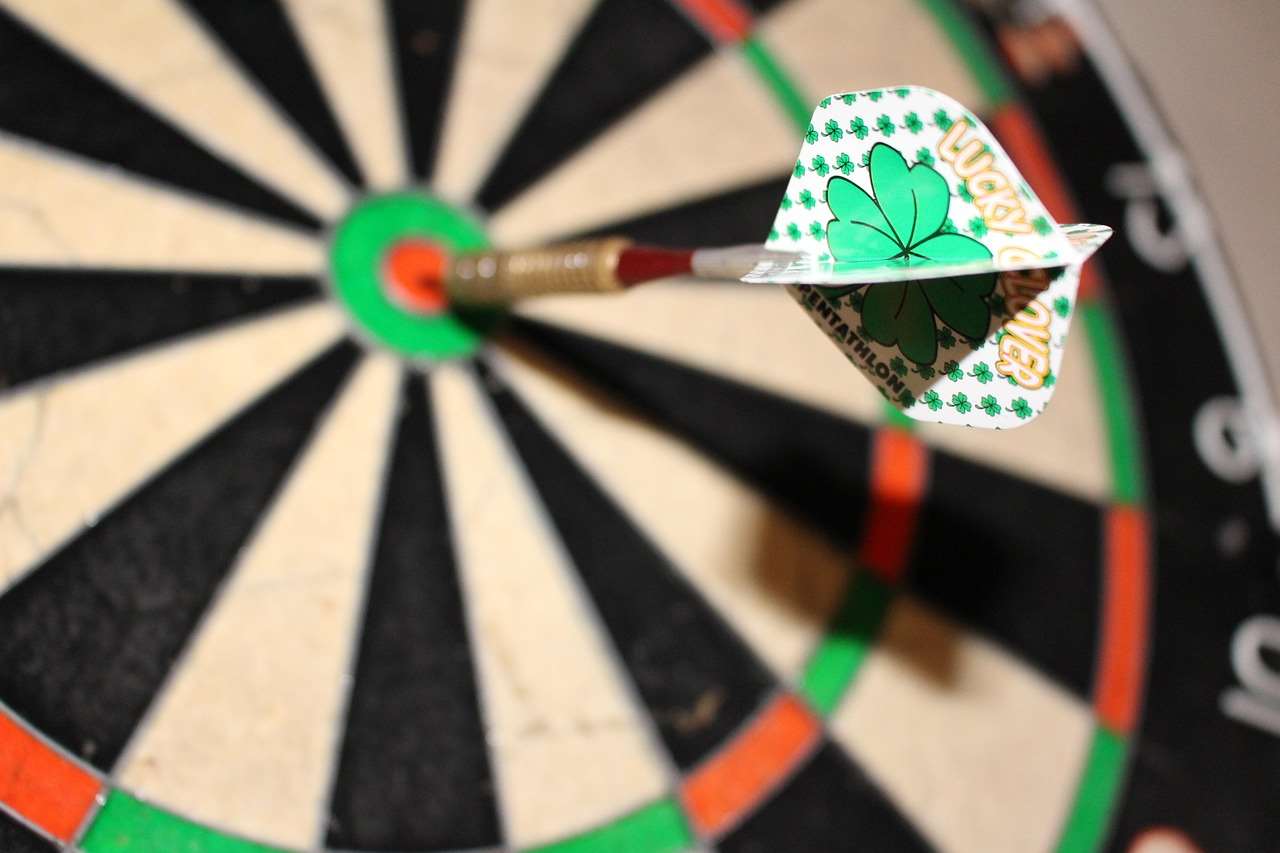
A consistent pre-throw routine can help you focus your mind and body before each throw. This routine might include taking a deep breath, visualizing the target, or performing a specific set of movements. The key is to find a routine that works for you and repeat it consistently before each throw. Routines are important for maintaining mental focus, especially in the heat of competition, like at darts championship 2025.
Maintenance and Care of Your Torpedo Barrel Darts
Proper maintenance and care are essential for prolonging the life of your torpedo barrel darts and ensuring consistent performance. This includes regularly cleaning your darts, checking for wear and tear, and replacing damaged parts.
Cleaning Your Darts
Over time, dirt, oil, and grime can accumulate on your dart barrels, affecting your grip and potentially corroding the metal. Clean your darts regularly with a soft cloth and mild soap and water. Avoid using harsh chemicals or abrasive cleaners, as these can damage the finish. Pay special attention to the grip area, as this is where dirt tends to accumulate the most.
Checking for Wear and Tear
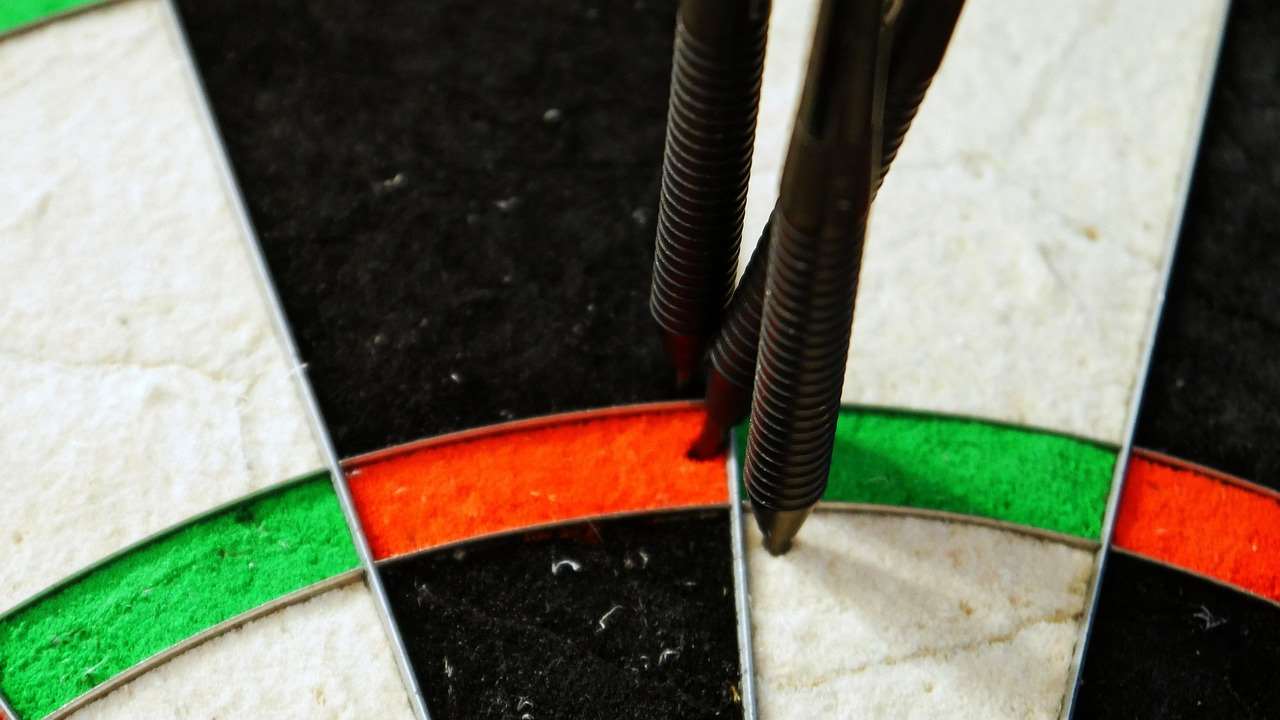
Regularly inspect your darts for signs of wear and tear, such as loose points, damaged shafts, or worn flights. Loose points can cause the dart to wobble during flight, while damaged shafts or flights can affect its trajectory. Replace any damaged parts promptly to maintain optimal performance.
Replacing Damaged Parts
Dart points, shafts, and flights are all consumable items that will eventually need to be replaced. Carry spare sets of these parts with you so you can quickly replace them if they become damaged during play. When replacing points, use a dedicated dart point removal tool to avoid damaging the barrel.
Conclusion: Mastering Your Game with Torpedo Barrel Darts
Torpedo barrel darts offer a unique combination of balance, grip, and accuracy that can significantly enhance your dart game. By understanding the benefits of the torpedo shape, choosing the right weight and material, and experimenting with different grip styles, you can find a set of darts that perfectly complements your throwing style. Remember to maintain your darts properly and practice consistently to hone your skills and achieve your full potential on the oche. Download a reliable Darts scorekeeper app to track your progress. Now, go out there and start hitting those bullseyes!

Hi, I’m Dieter, and I created Dartcounter (Dartcounterapp.com). My motivation wasn’t being a darts expert – quite the opposite! When I first started playing, I loved the game but found keeping accurate scores and tracking stats difficult and distracting.
I figured I couldn’t be the only one struggling with this. So, I decided to build a solution: an easy-to-use application that everyone, no matter their experience level, could use to manage scoring effortlessly.
My goal for Dartcounter was simple: let the app handle the numbers – the scoring, the averages, the stats, even checkout suggestions – so players could focus purely on their throw and enjoying the game. It began as a way to solve my own beginner’s problem, and I’m thrilled it has grown into a helpful tool for the wider darts community.