When games are close, understanding the **tie breaker rules steel soft tip** can save you from confusion and ensure fair play! In both steel tip and soft tip darts, tie-breaking procedures vary, but they’re designed to determine a clear winner, often involving a single-dart throw or a sudden-death leg. This article will explore the common tie-breaking methods used in both disciplines and provide tips for handling these high-pressure situations with grace.
⚠️ Still Using Pen & Paper (or a Chalkboard)?! ⚠️
Step into the future! The Dart Counter App handles all the scoring, suggests checkouts, and tracks your stats automatically. It's easier than you think!
Try the Smart Dart Counter App FREE!Ready for an upgrade? Click above!
Understanding Tie Breaker Rules: Steel Tip Darts
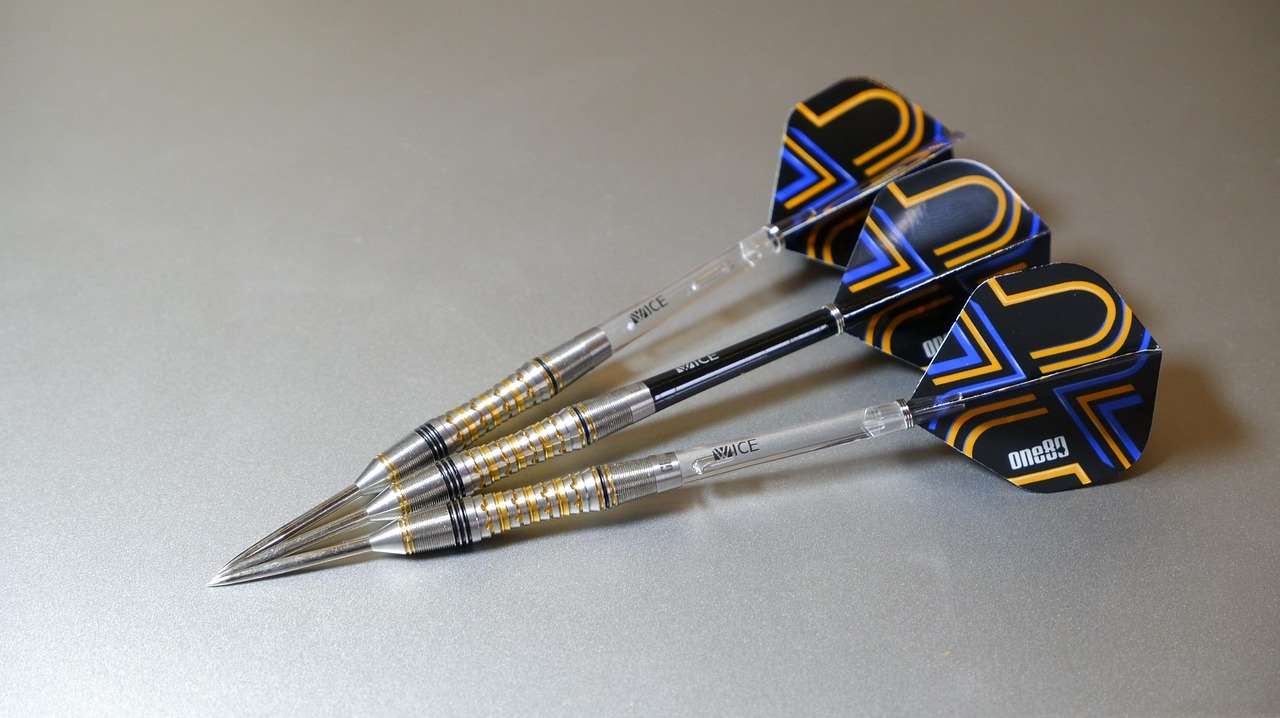
Steel tip darts, often associated with professional play and traditional pubs, typically employ structured tie-breaking procedures, especially in tournament settings. The most common scenario arises when a game (usually 501 or 301) ends without a clear winner after a predetermined number of legs or sets.
Common Tie-Breaking Methods in Steel Tip Darts
- Sudden Death Leg: This is perhaps the most common method. Players start a fresh leg of the game. The first player to reach zero (usually starting from 501) wins the match. This can be a very tense moment, as the pressure is immense.
- Bullseye Shoot-Out: Some tournaments might opt for a bullseye shoot-out. Each player throws a single dart at the bullseye. The player whose dart lands closest to the center wins. If both darts are equally close, the process is repeated until a winner is determined.
- Count-Up System: In rare cases, a count-up system might be used. Players throw a set number of darts (e.g., three darts each), and the player with the highest score wins.
It’s important to note that the specific **tie breaker rules steel soft tip** for a particular tournament or event should be clearly defined and communicated to players before the competition begins. This prevents any confusion or disputes during the crucial tie-breaking moments.
Strategies for Steel Tip Tie-Breakers
When facing a tie-breaker in steel tip darts, consider these strategies:
- Stay Calm: The pressure is on, but maintaining composure is crucial. Take deep breaths and focus on your technique.
- Visualize Success: Mentally rehearse hitting the target before each throw.
- Adjust Your Grip: Ensure your grip is comfortable and consistent. Avoid making any last-minute changes that could throw off your aim.
- Know the Rules: Double-check the specific tie-breaking rules before throwing to avoid any accidental fouls or misunderstandings.
Remember, practice makes perfect. Regularly simulate tie-breaker situations during your practice sessions to build confidence and develop a winning strategy. Understanding the rules is as important as mastering your throw. You can always refer to Basic Darts Fundamentals for Beginners to improve your game.
Exploring Tie Breaker Rules: Soft Tip Darts
Soft tip darts, popular in bars and home setups due to its electronic scoring and accessibility, also have established tie-breaking methods. While the core principles remain similar to steel tip, the electronic nature of the game can introduce some nuances.
Common Tie-Breaking Methods in Soft Tip Darts
- Sudden Death Leg (with Handicaps): Similar to steel tip, a fresh leg is played. However, soft tip games often incorporate handicaps based on player skill levels. These handicaps can influence the starting score or require a player to hit a specific target (like a double) to start scoring.
- Bullseye Shoot-Out (Electronic Scoring): The electronic dartboard automatically calculates and displays the distance of each dart from the bullseye, providing a precise and objective way to determine the winner.
- Player Choice (Less Common): In informal settings, players might agree to a friendly competition, such as closest to bullseye with three darts.
Because soft tip often has leagues with mixed skill levels, how to make darts fairer with handicap rules becomes even more important in understanding how tie breakers are applied. This can impact the exact **tie breaker rules steel soft tip** that apply.
Soft Tip Tie-Breaker Strategies
The strategies for soft tip tie-breakers mirror those for steel tip, with a few key adjustments:
- Adapt to the Electronic Board: Familiarize yourself with the specific electronic dartboard being used. Different boards may have slight variations in target size or sensor sensitivity.
- Consider Handicaps: If handicaps are in play, factor them into your strategy. Understand how the handicap affects your starting score or scoring requirements.
- Trust the Board: The electronic board provides accurate scoring, so trust the results. Avoid arguing about scores unless there is a clear malfunction.
Key Differences in Tie Breaker Rules Steel Soft Tip
While the general concept of tie-breaking remains the same, there are some important distinctions between the **tie breaker rules steel soft tip**:
- Scoring: Steel tip relies on manual scoring, while soft tip utilizes electronic scoring. This eliminates scoring errors but can introduce issues related to board malfunctions.
- Handicaps: Handicaps are more commonly used in soft tip games and leagues to level the playing field between players of different skill levels.
- Equipment: Steel tip darts have metal tips, while soft tip darts have plastic tips. This difference affects the dart’s weight and flight characteristics, requiring adjustments in throwing technique.
The Importance of Clear Communication
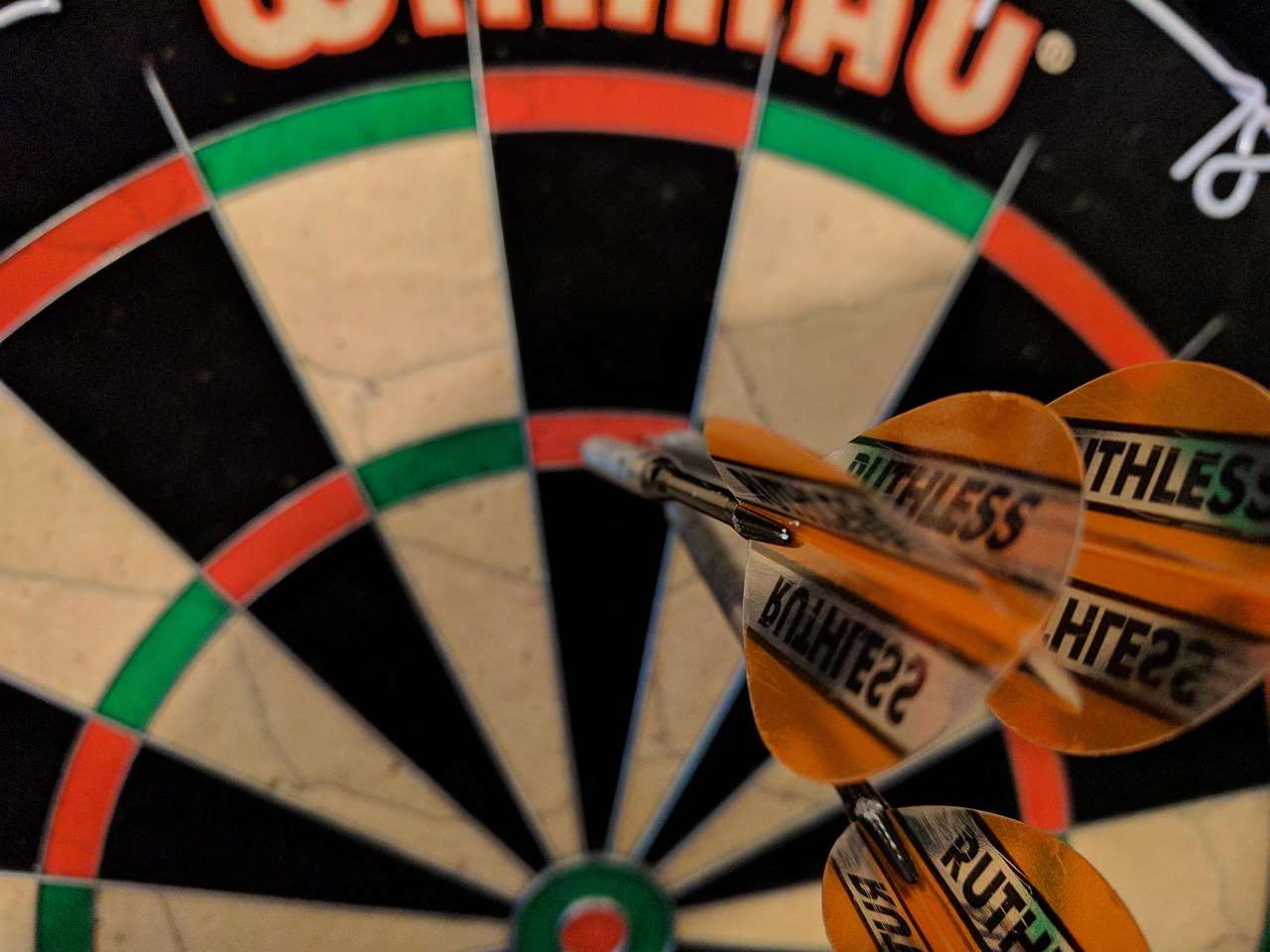
Regardless of whether you are playing steel tip or soft tip darts, clear communication is essential to ensure fair play and prevent disputes. Before starting any game, especially in a tournament setting, make sure all players understand the specific rules being used, including the tie breaker rules steel soft tip. This includes clarifying any handicaps, scoring procedures, and the method for determining the winner in case of a tie. By establishing these ground rules upfront, you can minimize the risk of disagreements and focus on enjoying the game.
Practice Drills for Tie-Breaker Scenarios
To enhance your performance in tie-breaker situations, consider incorporating these practice drills into your dart routine:
- Bullseye Challenge: Set a timer and throw a series of darts at the bullseye. Track your accuracy and consistency over time.
- Single Dart Checkout Drill: Practice hitting specific checkout numbers with a single dart. This will improve your ability to finish a leg under pressure.
- Sudden Death Simulation: Simulate a sudden death leg by starting a game from 501 or 301 and forcing yourself to win in a single leg.
You could even add some fun dart game variations with modified rules to make practice more engaging.

Beyond the Rules: Sportsmanship and Etiquette
While understanding the tie breaker rules steel soft tip is crucial, good sportsmanship and etiquette are equally important. Win or lose, always congratulate your opponent on a well-played game. Avoid excessive celebrations or displays of frustration that could be interpreted as disrespectful. Remember, darts is a game of skill and strategy, but it’s also a social activity that should be enjoyed by all participants.
Moreover, be aware of dart etiquette, like staying behind the throw line, not walking in front of someone who is throwing, and keeping your conversations at a respectful volume. Creating a positive and supportive environment enhances the experience for everyone involved.
Staying Updated on Rule Changes
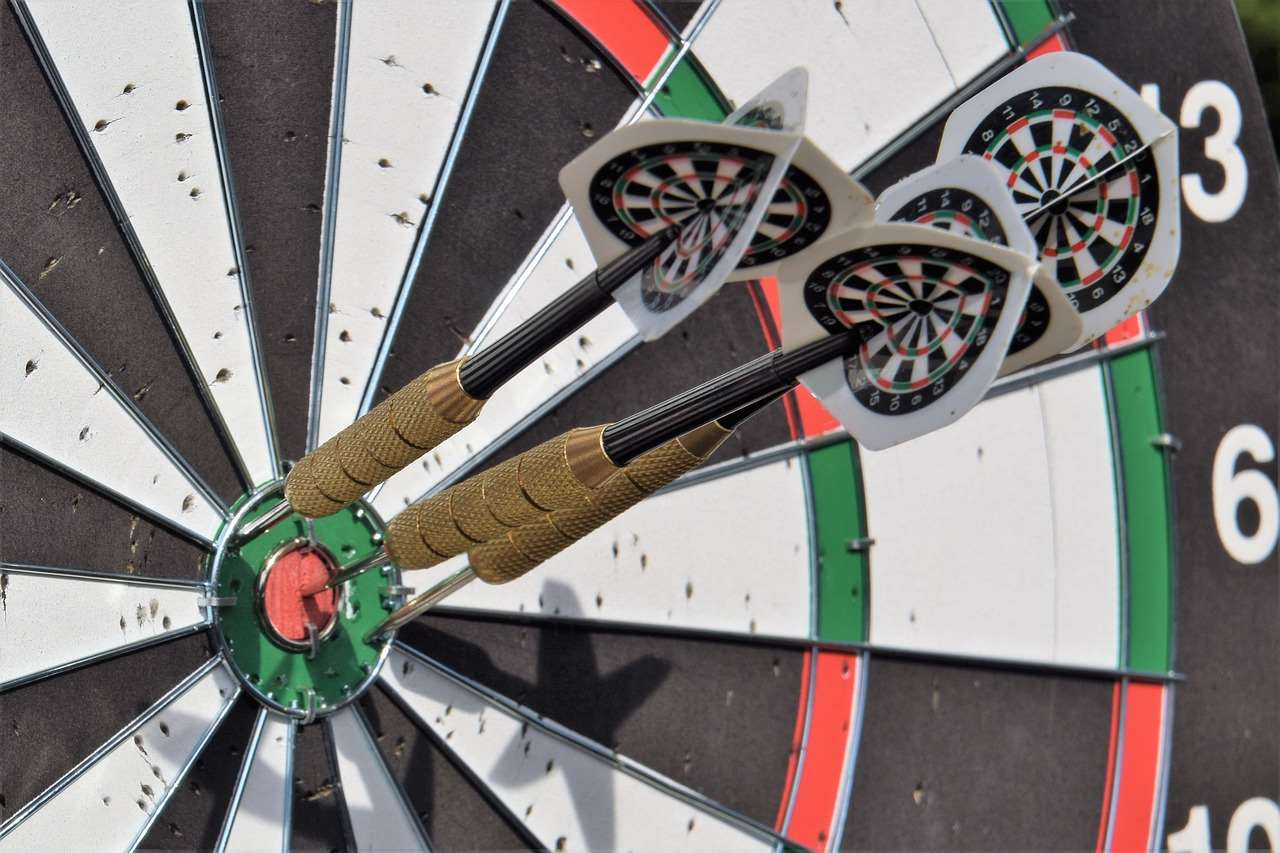
Dart rules, including tie-breaking procedures, can evolve over time. It’s important to stay updated on any changes or modifications to the rules, especially if you participate in tournaments or leagues. Reputable dart organizations and websites typically publish rule updates and clarifications. Make it a habit to review these resources periodically to ensure you’re playing by the correct rules. Being informed can give you a competitive edge and prevent unintentional rule violations.
Furthermore, understanding the nuances of different rule sets (e.g., those used by the Professional Darts Corporation vs. local leagues) is crucial for adapting your game and strategy effectively.
Before you start your match, double check if you’re playing under Simplified 501 game rules for novice players, standard 501 rules, or something different, as that can impact tie-breakers.
Conclusion
Understanding the **tie breaker rules steel soft tip** is essential for fair play and a positive darting experience. Whether it’s a sudden-death leg, a bullseye shoot-out, or another method, knowing the procedures can help you stay calm and focused under pressure. Remember to practice tie-breaker scenarios, communicate clearly with your opponents, and prioritize good sportsmanship. By mastering both the rules and the mental aspects of tie-breaking, you’ll be well-equipped to handle any close game and emerge victorious. Now, go practice those bullseyes!

Hi, I’m Dieter, and I created Dartcounter (Dartcounterapp.com). My motivation wasn’t being a darts expert – quite the opposite! When I first started playing, I loved the game but found keeping accurate scores and tracking stats difficult and distracting.
I figured I couldn’t be the only one struggling with this. So, I decided to build a solution: an easy-to-use application that everyone, no matter their experience level, could use to manage scoring effortlessly.
My goal for Dartcounter was simple: let the app handle the numbers – the scoring, the averages, the stats, even checkout suggestions – so players could focus purely on their throw and enjoying the game. It began as a way to solve my own beginner’s problem, and I’m thrilled it has grown into a helpful tool for the wider darts community.