Getting your dartboard setup just right is crucial for a fair and enjoyable game. The ultimate checklist for correct dartboard dimensions ensures your dartboard is regulation height and distance from the oche, providing a consistent and competitive playing field. This guide will walk you through every step of the process, from measuring the height to calculating the throwing distance, and even addressing common setup mistakes.
⚠️ Still Using Pen & Paper (or a Chalkboard)?! ⚠️
Step into the future! The Dart Counter App handles all the scoring, suggests checkouts, and tracks your stats automatically. It's easier than you think!
Try the Smart Dart Counter App FREE!Ready for an upgrade? Click above!
Why Correct Dartboard Dimensions Matter
Imagine practicing for weeks, only to discover your winning streak disappears when you play on a properly setup board. Correct dartboard dimensions are about more than just following rules; they are about creating a level playing field where skill, not setup advantages, determine the winner. A properly mounted board allows for consistent throwing mechanics and accurate scoring. Ignoring the standards can lead to frustration, bad habits, and inaccurate perceptions of your skill level. Plus, if you ever plan on participating in organized leagues or tournaments, adhering to these standards is non-negotiable.
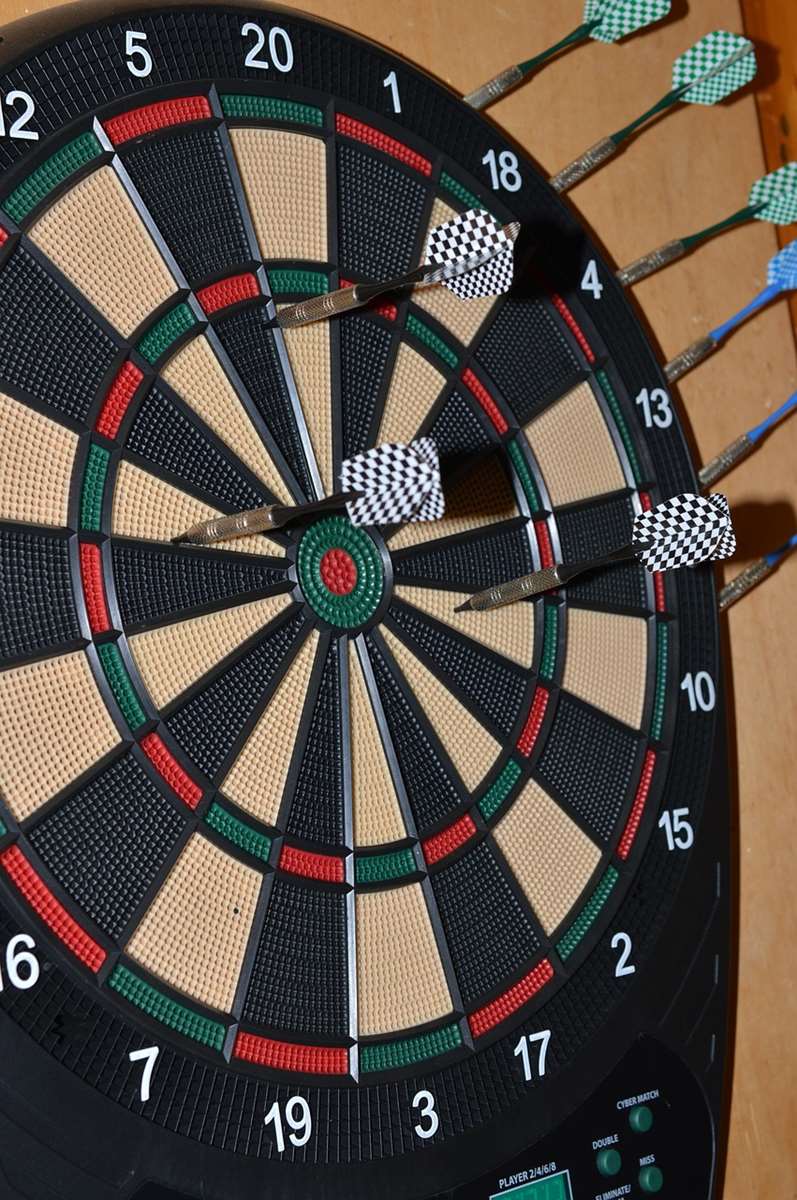
The Ultimate Checklist for Correct Dartboard Dimensions: Height, Distance, and More
This section dives into the nitty-gritty details, providing a step-by-step guide to ensuring your dartboard setup meets official regulations.
1. Measuring the Dartboard Height
The official height for a dartboard, measured from the floor to the center of the bullseye, is 5 feet 8 inches (1.73 meters). This is a crucial measurement that directly impacts your throwing angle and accuracy. Follow these steps for precise measurement:
- Use a reliable measuring tape: Opt for a metal tape measure for accuracy. Cloth tapes can stretch and distort measurements.
- Measure from the floor: Ensure the tape measure starts at floor level, not on any baseboards or uneven surfaces.
- Locate the bullseye: Identify the center of the bullseye – it’s the point to which you’ll measure.
- Confirm the measurement: Double-check the measurement to ensure it’s precisely 5 feet 8 inches (1.73 meters). A slightly off measurement can significantly impact your game.
2. Calculating the Throwing Distance (Oche Distance)
The throwing distance, or **oche distance**, is the distance a player stands from the dartboard when throwing. There are two accepted measurements depending on whether you measure to the face of the board or directly to the bullseye:
- To the Face of the Board: The official distance from the oche to the face of the dartboard is 7 feet 9 1/4 inches (2.37 meters).
- To the Bullseye: This measurement, less commonly used, is approximately 9 feet 7 3/8 inches (2.93 meters).
Here’s how to accurately measure the throwing distance:
- Establish the oche line: Clearly mark the oche line on the floor. This can be done with tape, a painted line, or a raised marker.
- Measure from the oche line: Using your measuring tape, measure from the front of the oche to the face of the dartboard. Make sure the tape measure is level and extends straight from the oche.
- Confirm the measurement: Double-check the distance to ensure it’s exactly 7 feet 9 1/4 inches (2.37 meters).
3. Checking for Squareness
It’s not enough to just have the right height and distance; the dartboard must also be hung square to the wall. If it’s tilted, even slightly, your throws will be consistently off. You can find more Basic Darts Fundamentals for Beginners with proper form.
- Use a level: Place a level vertically on the dartboard, ensuring the bubble is centered. If the board isn’t level, adjust the mounting until it is.
- Visual inspection: Step back and visually inspect the dartboard. Ensure it appears straight and isn’t leaning to one side.
Essential Tools for Accurate Dartboard Setup
Having the right tools on hand makes the setup process much smoother and more accurate. Here’s a list of essentials:
- Measuring Tape: A metal measuring tape that’s at least 10 feet long for measuring both the height and throwing distance.
- Level: A spirit level to ensure the dartboard is perfectly vertical.
- Pencil or Marker: For marking the wall and floor.
- Drill and Screws: To securely mount the dartboard to the wall. Choose screws appropriate for your wall type (e.g., drywall screws with anchors for drywall).
- Dartboard Surround (Optional): A surround protects your wall from stray darts.
- Oche Line Marker: Tape, paint, or a raised marker to clearly define the throwing line.
Common Mistakes to Avoid When Setting Up Your Dartboard
Even with careful planning, it’s easy to make mistakes during dartboard setup. Here are some common pitfalls to avoid:
- Inaccurate Measurements: Double-check all measurements, especially height and distance. Small errors can lead to significant inconsistencies.
- Unstable Mounting: Ensure the dartboard is securely mounted to the wall. A wobbly dartboard can throw off your aim.
- Ignoring Wall Type: Use appropriate screws and anchors for your wall type. Using the wrong hardware can result in a poorly mounted dartboard.
- Uneven Floor: If your floor is uneven, use shims or other leveling devices to ensure accurate measurements.
- Poor Lighting: Make sure the dartboard is well-lit to avoid shadows and improve visibility.
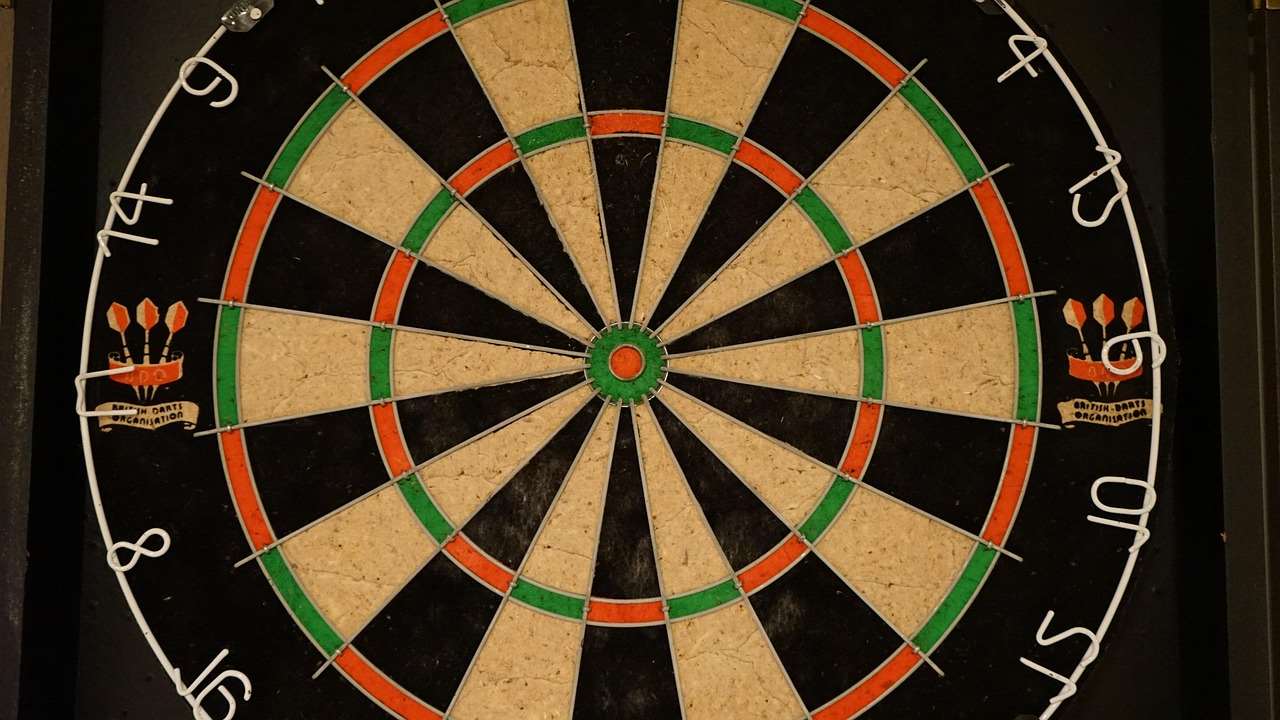
How Wall Material Impacts Dartboard Mounting
The type of wall you’re mounting your dartboard on significantly affects the installation process. Here’s a breakdown of common wall types and the best mounting methods:
- Drywall: Drywall is a common wall type but requires special anchors to support the weight of a dartboard. Use drywall anchors or toggle bolts for a secure mount.
- Wood Studs: If you can locate a wood stud behind the drywall, you can screw the dartboard mount directly into the stud. This provides a very strong and stable mount.
- Concrete or Brick: Concrete or brick walls require special drill bits and anchors. Use masonry drill bits and concrete anchors for a secure mount.
- Plaster: Plaster walls can be tricky to mount to. Use plaster anchors or toggle bolts for a secure mount. Consider reinforcing the area behind the plaster with a piece of plywood.
Optimizing Your Darts Setup for Different Skill Levels
While the ultimate checklist for correct dartboard dimensions remains consistent, you might consider small adaptations for players of different skill levels, particularly when adapting darts rules for beginners.
Adjustments for Beginners
- Shorter Throwing Distance (Temporarily): Allow beginners to throw from a slightly shorter distance to build confidence and improve accuracy. Gradually increase the distance as their skills improve.
- Larger Target Area (Visual Aid): Consider using a dartboard surround with larger target areas marked on it. This can help beginners focus their aim.
- Focus on Form, Not Score: Emphasize proper throwing technique over achieving high scores. This will help beginners develop good habits.
Adjustments for Experienced Players
- Strict Adherence to Regulations: Ensure experienced players adhere to all official regulations, including height and throwing distance.
- Introduce Challenges: Incorporate challenges and variations into practice sessions to keep experienced players engaged and motivated.
- Focus on Strategy: Encourage experienced players to develop strategic thinking and learn advanced scoring techniques.
Maintaining Your Dartboard and Setup
Once your dartboard is properly setup, it’s important to maintain it to ensure it lasts for years to come.
- Rotate the Dartboard: Regularly rotate the dartboard to distribute wear and tear evenly. This will prevent certain sections from becoming overly worn.
- Keep the Dartboard Clean: Use a soft cloth to wipe down the dartboard regularly. Avoid using harsh chemicals or abrasive cleaners.
- Replace Worn Darts: Replace worn darts with new ones to maintain accuracy and prevent damage to the dartboard.
- Check Mounting Hardware: Periodically check the mounting hardware to ensure the dartboard is still securely mounted to the wall.
Troubleshooting Common Dartboard Setup Issues
Even with the best planning, you might encounter issues during dartboard setup. Here are some common problems and how to solve them:
- Dartboard is Wobbling: Tighten the mounting screws or add shims behind the dartboard to stabilize it.
- Darts are Falling Out: Replace worn darts with new ones, or try using darts with a different weight or grip.
- Dartboard is Too High or Low: Adjust the mounting height to ensure the bullseye is at the correct height.
- Oche Line is Incorrect: Remeasure the throwing distance and reposition the oche line if necessary.
Final Thoughts on Achieving Perfect Dartboard Dimensions
Following the ultimate checklist for correct dartboard dimensions is more than just a formality; it’s a commitment to fair play and consistent performance. By meticulously measuring the height and throwing distance, ensuring the board is level, and using the appropriate mounting hardware, you create an optimal environment for honing your skills and enjoying the game. Remember to regularly maintain your setup and address any issues promptly. Good luck, and happy darting!
Ready to put your perfectly dimensioned dartboard to the test? Explore alternative darts rules for home play and discover new ways to enjoy this classic game!

Hi, I’m Dieter, and I created Dartcounter (Dartcounterapp.com). My motivation wasn’t being a darts expert – quite the opposite! When I first started playing, I loved the game but found keeping accurate scores and tracking stats difficult and distracting.
I figured I couldn’t be the only one struggling with this. So, I decided to build a solution: an easy-to-use application that everyone, no matter their experience level, could use to manage scoring effortlessly.
My goal for Dartcounter was simple: let the app handle the numbers – the scoring, the averages, the stats, even checkout suggestions – so players could focus purely on their throw and enjoying the game. It began as a way to solve my own beginner’s problem, and I’m thrilled it has grown into a helpful tool for the wider darts community.