In a game of 501, where precision and strategy reign supreme, **the importance of the first nine darts in 501** cannot be overstated as they often set the tone and trajectory for the entire match, establishing a crucial lead or preventing an early deficit. This article will explore the tactical significance of these opening throws, highlighting how they impact scoring potential, pressure management, and overall game strategy, ultimately influencing your chances of victory on the oche.
⚠️ Still Using Pen & Paper (or a Chalkboard)?! ⚠️
Step into the future! The Dart Counter App handles all the scoring, suggests checkouts, and tracks your stats automatically. It's easier than you think!
Try the Smart Dart Counter App FREE!Ready for an upgrade? Click above!
Why The First Nine Darts in 501 Matter So Much
Many players, especially beginners, underestimate **the importance of the first nine darts in 501**. They see the game as a long haul, focusing more on the later stages and the checkout. However, a strong start can provide a significant psychological and tactical advantage. Hitting consistent scores early on allows you to control the pace of the game, apply pressure to your opponent, and build a buffer that can absorb potential missteps later.
Conversely, a poor start can put you on the back foot, forcing you to play catch-up and potentially altering your strategy in ways that are less favorable. It can also erode your confidence and allow your opponent to dictate the flow of the match. Furthermore, a strong start makes achieving a high average much easier, a key indicator of consistent performance.

Maximizing Your Scoring Potential in the Opening Three Rounds
The first three visits to the oche present a golden opportunity to rack up significant points and establish a commanding lead. This requires a strategic approach to your scoring targets and a consistent execution of your throws. Here’s how to maximize your scoring potential:
- Aim for the Treble 20: The T20 is the highest-scoring segment on the dartboard, and consistently hitting it is crucial for building a substantial lead. Practice your T20 accuracy relentlessly.
- Prioritize Consistency over Maximum Score: While hitting a 180 (three treble 20s) is always desirable, aiming for it at the expense of consistency can be detrimental. If you’re not feeling confident, opt for a more conservative approach, such as aiming for the single 20 or the treble 19, which offer a larger margin for error.
- Adapt Your Strategy Based on Your First Dart: If your first dart lands in the single 20, adjust your aim slightly for the remaining two darts to try and hit the treble. Conversely, if you miss the 20 altogether, focus on damage control and try to salvage the visit by hitting a decent score with your remaining darts.
Understanding the Significance of Leg Averages in Darts
A consistent and strong leg average is often a direct result of a positive start. Mastering **basic darts fundamentals for beginners** can significantly impact your leg averages. Your opening scores heavily influence your overall leg average and a strong first nine darts in 501 rounds can set the tone for a great leg average.
Strategic Play: Gaining a Tactical Edge Early On
Beyond simply accumulating points, **the importance of the first nine darts in 501** also lies in the strategic advantage they can provide. A well-executed opening can force your opponent into a defensive position, limiting their options and increasing the pressure on them.
- Applying Pressure: Consistently high scores early on can rattle your opponent, forcing them to take more risks and potentially making mistakes.
- Controlling the Pace: By building a lead, you can dictate the pace of the game, forcing your opponent to play on your terms.
- Setting Up Checkouts: A strong start makes it easier to set up favorable checkout combinations, giving you more options and increasing your chances of finishing the leg quickly.
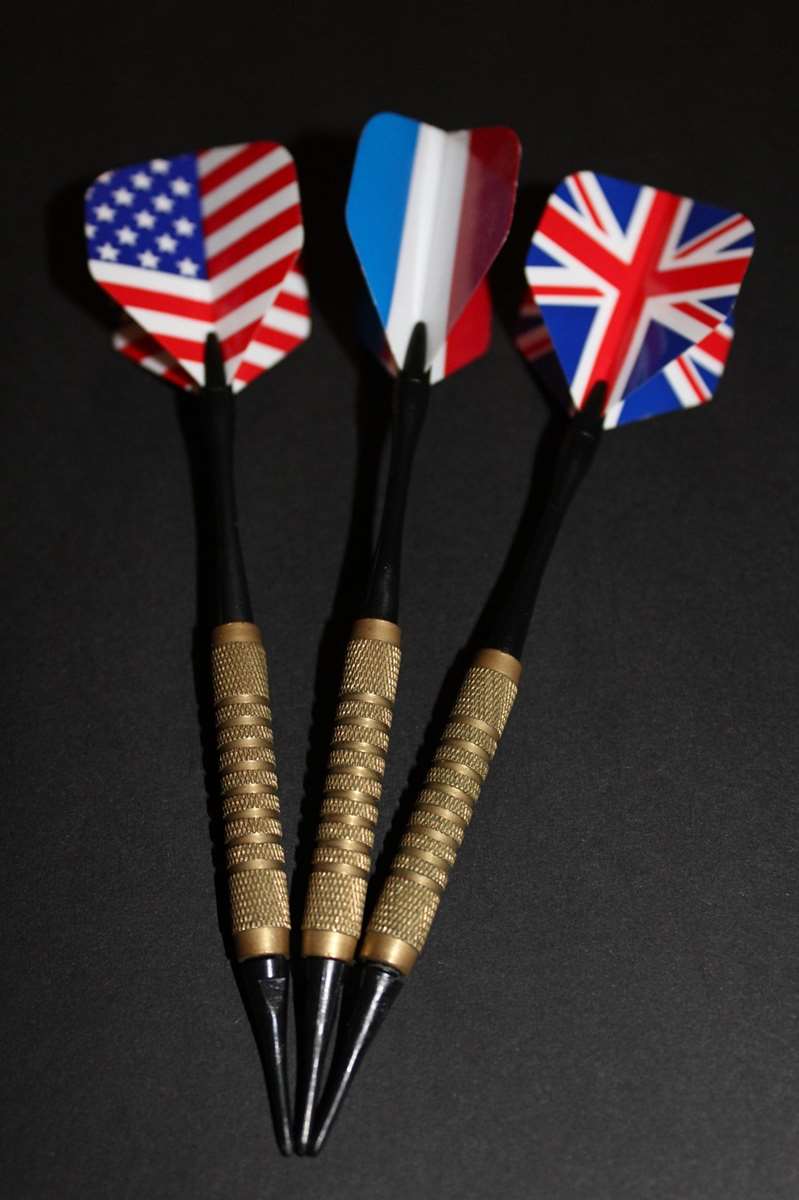
Consider this scenario: you start with a 140, followed by a 100, and then a 121. Your opponent, on the other hand, scores 60, 85, and 45 in their respective visits. You now have a significant lead and can afford to be slightly more cautious in your subsequent throws, while your opponent is under pressure to close the gap. This is the power of a strong start.
Common Mistakes to Avoid in the First Nine Darts
While a strong start is crucial, it’s equally important to avoid common pitfalls that can derail your game early on. These mistakes often stem from poor decision-making, lack of focus, or improper technique.
- Chasing Maximum Scores: As mentioned earlier, prioritizing maximum scores over consistency can be a recipe for disaster. Don’t be afraid to aim for lower-scoring targets if you’re not feeling confident.
- Panicking After a Bad Visit: Everyone has bad visits to the oche. Don’t let a poor score in the first round affect your subsequent throws. Stay focused and try to bounce back in the next round.
- Ignoring Your Opponent’s Game: Pay attention to your opponent’s scores and adjust your strategy accordingly. If they’re struggling, capitalize on their weakness and increase the pressure. If they’re playing well, focus on maintaining your own scoring rhythm and avoid making unnecessary risks.
By consciously avoiding these mistakes, you can significantly improve your consistency and effectiveness in the first nine darts, giving you a greater chance of success in the later stages of the game. Adapting darts rules for beginners could be the key to avoid these errors early on.

Training Drills to Improve Your Opening Game
Improving your performance in the first nine darts requires targeted practice and drills. Here are some effective training exercises to hone your skills:
- The 170 Practice Routine: This drill focuses on hitting the treble 20, treble 20, and bullseye to achieve a 170 checkout. Practice this routine regularly to improve your accuracy and confidence in hitting these crucial targets.
- The Round the Board Game: This drill involves hitting each number on the dartboard in sequence, starting from 1 and working your way up to 20. This helps improve your overall accuracy and consistency across the entire board.
- The Scoring Practice Drill: Set a target score (e.g., 300) and try to reach it in as few rounds as possible. This drill helps you develop your scoring strategy and decision-making skills.
Remember to track your progress and identify areas where you need to improve. Consistency is key, so practice these drills regularly to see significant results. We’ll also suggest some ideas to make **how to make darts fairer with handicap rules**
The Psychological Impact of a Strong Opening
Beyond the tactical advantages, **the importance of the first nine darts in 501** extends to the psychological realm. A confident and aggressive start can significantly impact your opponent’s mindset, potentially leading to errors and hesitation.
Conversely, a poor start can erode your own confidence and make you doubt your abilities. It’s crucial to maintain a positive attitude and avoid getting discouraged, even if you don’t get off to the best start. Remember that darts is a game of momentum, and you can always turn things around with a strong performance in the later stages.
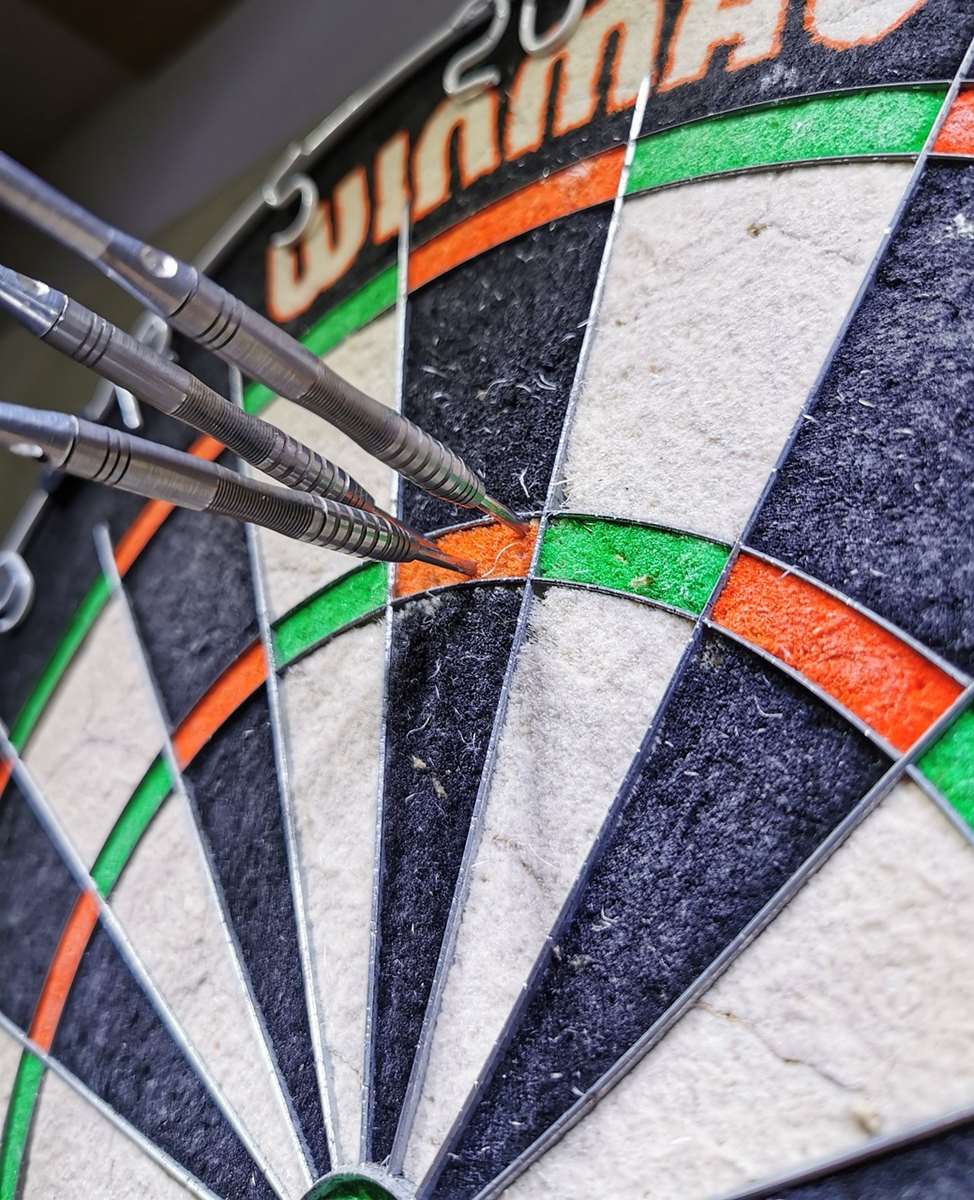
To further enhance your psychological game, consider incorporating these strategies:
- Visualize Success: Before each game, visualize yourself hitting consistent scores and achieving your goals. This can help boost your confidence and improve your focus.
- Stay Positive: Even when things aren’t going your way, maintain a positive attitude and focus on your strengths. Avoid negative self-talk and believe in your ability to turn things around.
- Control Your Emotions: Don’t let your emotions get the better of you. Stay calm and focused, even under pressure. Practice mindfulness techniques to help you stay grounded and centered during the game.
Advanced Strategies for the First Nine Darts
For experienced players, the first nine darts offer opportunities to employ more sophisticated strategies. This includes analyzing your opponent’s playing style, anticipating their moves, and tailoring your approach accordingly.
- Analyzing Your Opponent: Observe your opponent’s tendencies and weaknesses. Do they tend to go for the treble 20 regardless of the situation? Are they weaker on certain parts of the board? Use this information to your advantage and adjust your strategy accordingly.
- Anticipating Their Moves: Try to anticipate your opponent’s next move based on their current score and their previous throws. This can help you position yourself for the next round and gain a tactical advantage.
- Varying Your Approach: Don’t be predictable. Vary your scoring targets and throwing styles to keep your opponent guessing. This can disrupt their rhythm and make it more difficult for them to anticipate your moves.
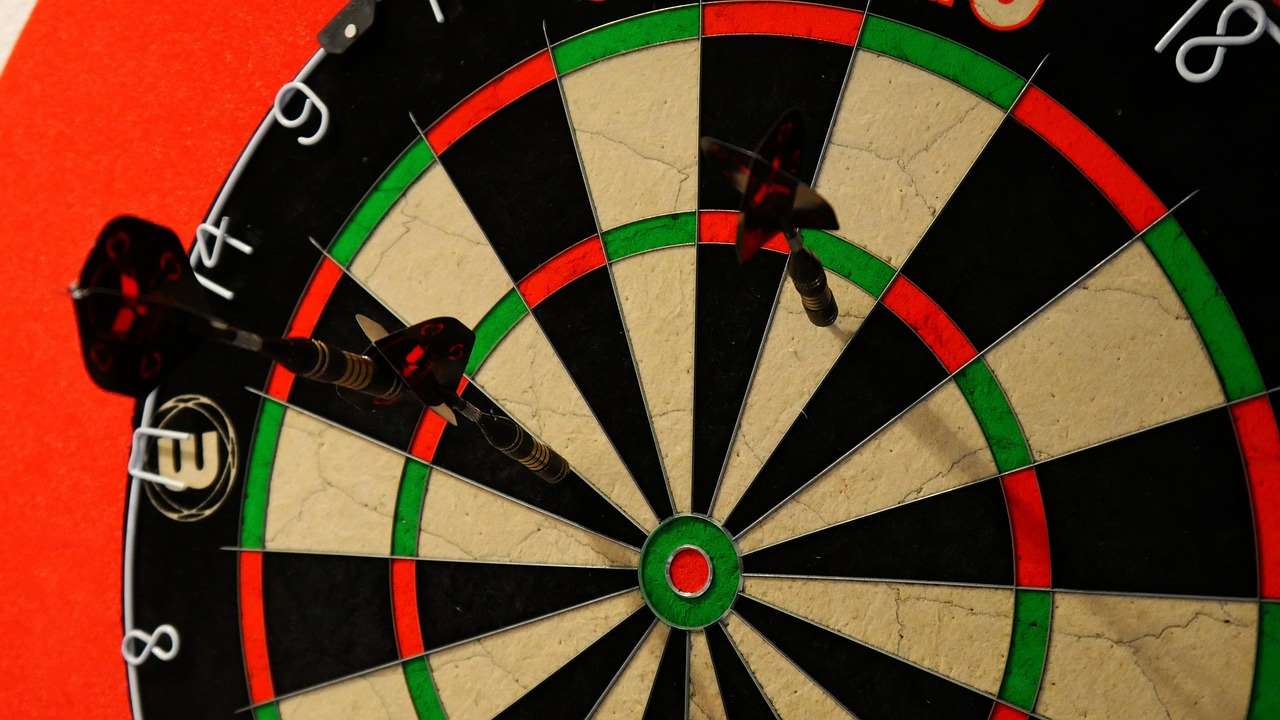
By mastering these advanced strategies, you can elevate your game to the next level and gain a significant edge over your opponents. Remembering the **basic darts fundamentals for beginners** is a must to do this well.
Conclusion
In conclusion, **the importance of the first nine darts in 501** cannot be overstated. They lay the foundation for success, providing a tactical, psychological, and scoring advantage that can significantly impact the outcome of the game. By focusing on consistency, strategic play, avoiding common mistakes, and practicing diligently, you can maximize your potential in these crucial opening rounds and improve your overall performance on the oche. Master these early throws, and you’ll be well on your way to becoming a more formidable darts player. Start improving your opening game today! Simplified 501 game rules for novice players can also help you understand these basic concepts.

Hi, I’m Dieter, and I created Dartcounter (Dartcounterapp.com). My motivation wasn’t being a darts expert – quite the opposite! When I first started playing, I loved the game but found keeping accurate scores and tracking stats difficult and distracting.
I figured I couldn’t be the only one struggling with this. So, I decided to build a solution: an easy-to-use application that everyone, no matter their experience level, could use to manage scoring effortlessly.
My goal for Dartcounter was simple: let the app handle the numbers – the scoring, the averages, the stats, even checkout suggestions – so players could focus purely on their throw and enjoying the game. It began as a way to solve my own beginner’s problem, and I’m thrilled it has grown into a helpful tool for the wider darts community.