The secret to **teaching killer darts new players** isn’t just about throwing; it’s about building a solid foundation in technique, strategy, and mental fortitude, transforming novices into confident competitors. This article will guide you through the essential steps, from choosing the right equipment to mastering advanced strategies, equipping you to nurture the next generation of darting champions.
⚠️ Still Using Pen & Paper (or a Chalkboard)?! ⚠️
Step into the future! The Dart Counter App handles all the scoring, suggests checkouts, and tracks your stats automatically. It's easier than you think!
Try the Smart Dart Counter App FREE!Ready for an upgrade? Click above!
Setting Up for Success: Essential Equipment and Stance
Before even picking up a dart, ensuring a proper setup is paramount. This includes the dartboard itself, the oche (throwing line), and, of course, the darts. A standard dartboard should be hung so that the bullseye is 5 feet 8 inches (1.73 meters) from the floor. The oche should be 7 feet 9 1/4 inches (2.37 meters) from the face of the dartboard. These measurements are crucial for standardized play and developing consistent muscle memory.
When it comes to darts, there’s no one-size-fits-all solution. Encourage new players to experiment with different weights, shapes, and grip styles to find what feels most comfortable and natural. A good starting point is a dart around 22-24 grams. Discuss the different parts of a dart: the point, barrel, shaft, and flight, explaining how each affects its flight characteristics. This knowledge empowers new players to make informed decisions about their equipment and potentially customize it later on.
Finding the Perfect Stance
The stance is the cornerstone of a consistent throw. Here’s how to guide new players:
- Foot Placement: Most players stand with their dominant foot forward, angled slightly towards the board. Experimentation is key.
- Weight Distribution: Maintain a balanced weight distribution, typically favoring the front foot.
- Posture: Stand tall and relaxed, avoiding hunching or stiffness. A straight back promotes a fluid throwing motion.
- Arm Position: The non-throwing arm should be held comfortably to the side for balance.
Emphasize that finding the right stance takes time and practice. Encourage players to film themselves and analyze their posture to identify areas for improvement.
The Grip: Mastering Control and Consistency
The grip is where the player connects with the dart, and it plays a significant role in accuracy and control. **Teaching killer darts new players** requires dedicating time to finding the right grip. There are several common grip styles:
- The Two-Finger Grip: A simple and popular option, suitable for beginners.
- The Three-Finger Grip: Provides more control and stability.
- The Four-Finger Grip: Used by some experienced players for maximum control, but can be challenging for beginners.
Regardless of the grip style, the following principles are important:
- Relaxation: Avoid gripping the dart too tightly, as this can lead to tension and inconsistent throws.
- Consistency: Strive for a consistent grip every time.
- Contact Point: Focus on maintaining consistent contact with the dart throughout the throw.
Explain that the grip is a personal preference, and players should experiment to find what feels most natural and comfortable. It’s also important to emphasize that the grip can evolve over time as the player gains experience and refines their technique. Remind them of the forgotten pub dart games to keep practice fun.
The Throw: From Backswing to Release
The throwing motion is the culmination of all the previous steps. Breaking it down into phases can help new players understand the mechanics involved.
The Backswing
The backswing is the initial movement of the arm, drawing the dart back in preparation for the forward throw. Here are some key points:
- Smooth and Controlled: Avoid jerky or abrupt movements.
- Elbow Position: Maintain a consistent elbow position throughout the backswing. The elbow should remain relatively stationary.
- Eye Focus: Keep your eyes focused on the target throughout the backswing.
The Forward Throw
The forward throw is the power phase of the motion, propelling the dart towards the target. Here’s what to focus on:
- Straight Line: Aim to throw the dart in a straight line towards the target.
- Elbow Extension: Fully extend the elbow during the throw.
- Follow Through: Maintain a smooth follow-through after releasing the dart. This helps to ensure accuracy and consistency.
The Release
The release is the most critical moment of the throw. Here’s what to keep in mind:
- Timing: Release the dart at the precise moment when the arm is fully extended.
- Fingertip Control: Use your fingertips to guide the dart during the release.
- Consistent Pressure: Apply consistent pressure with your fingertips to ensure a smooth and accurate release.
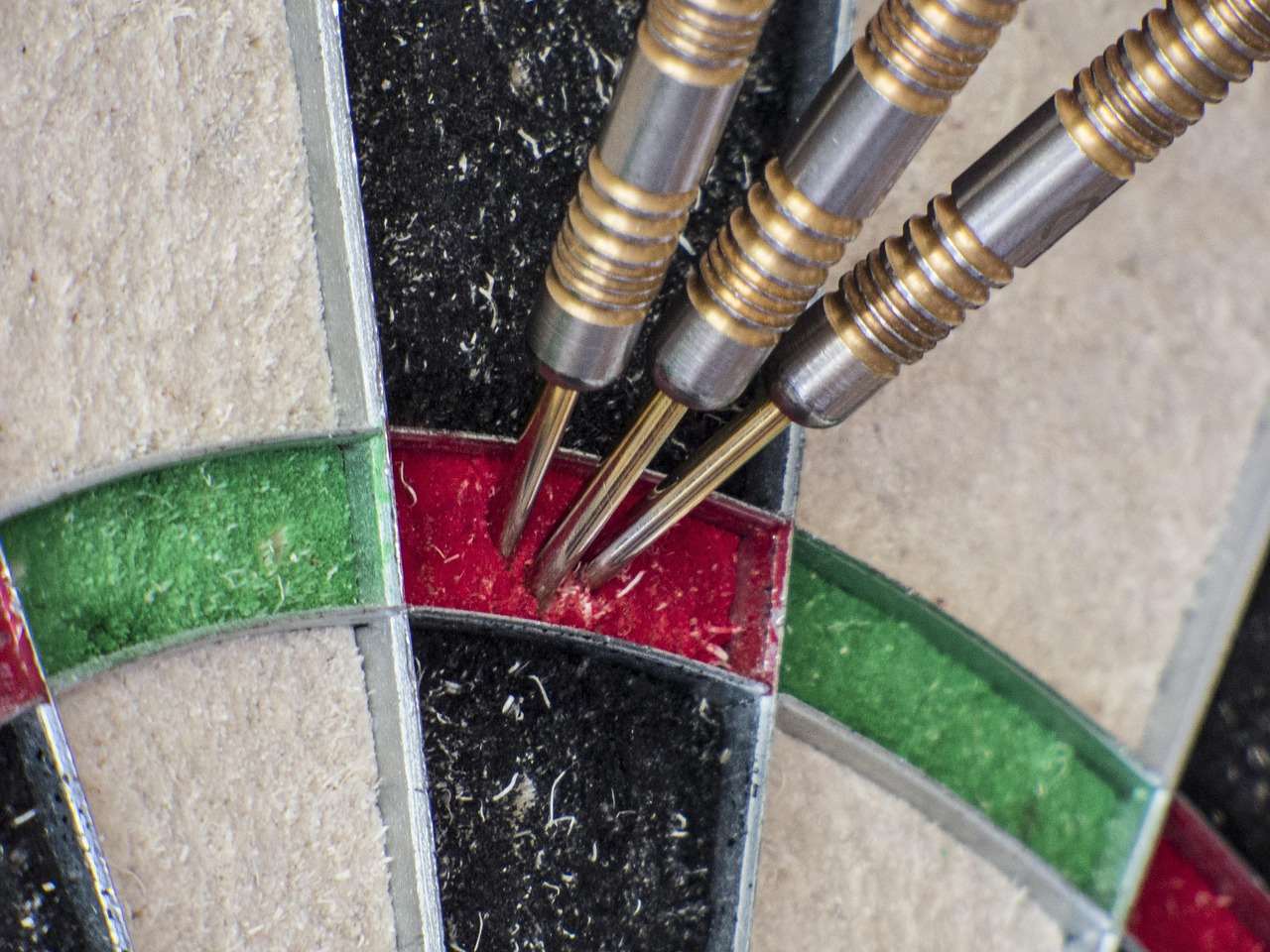
Stress the importance of practice and repetition. The more a player practices the throwing motion, the more natural and consistent it will become. Consider incorporating drills that focus on specific aspects of the throw, such as elbow extension or follow-through. **Teaching killer darts new players** also means teaching patience and persistence.
Aiming and Target Selection
Accurate aiming is essential for scoring points. New players often struggle with aiming, but with proper guidance, they can develop this skill. Start by focusing on the basics:
- Eye Dominance: Determine the player’s dominant eye and encourage them to align their throwing arm with that eye.
- Visual Focus: Maintain a clear visual focus on the target. Avoid looking at the dart or other distractions.
- Mental Visualization: Visualize the dart hitting the target before throwing.
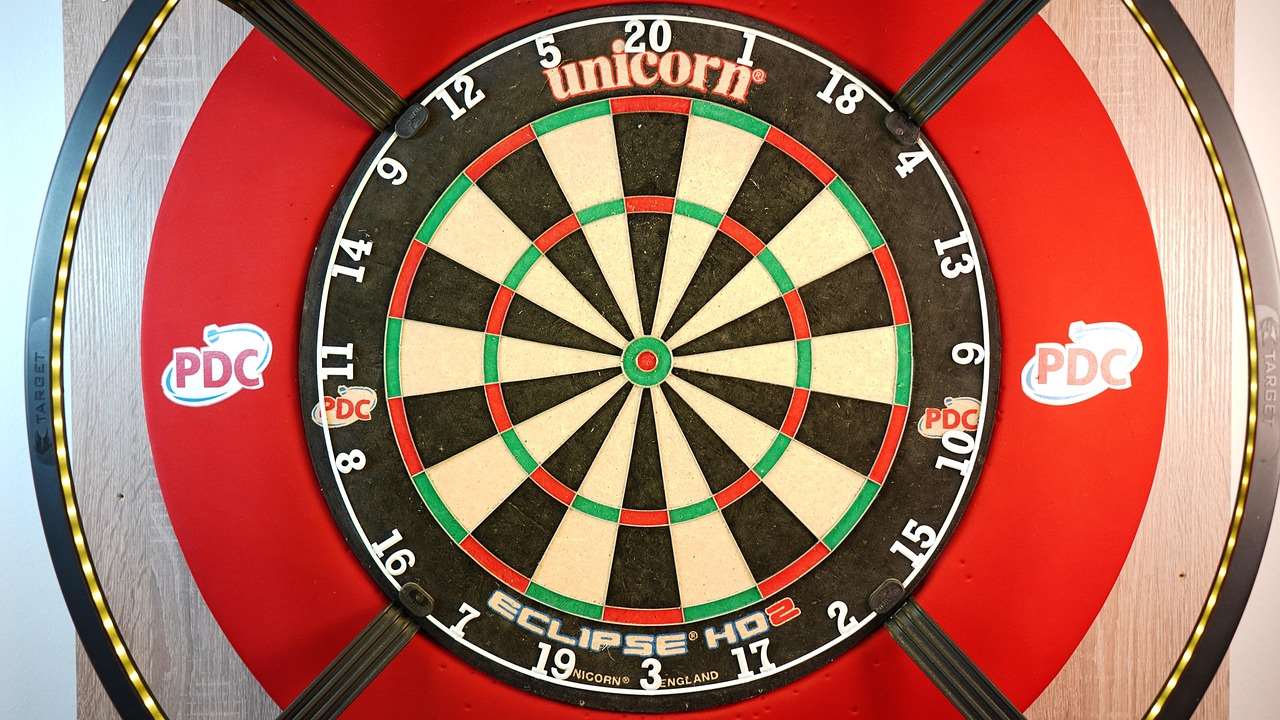
Once the basics are mastered, introduce target selection. In games like 501, strategic target selection is crucial for maximizing scoring opportunities and finishing legs efficiently. Teach them about the importance of aiming for the treble 20, the treble 19, and other high-scoring segments. Explain how to calculate checkouts and plan their throws accordingly. Consider incorporating practice games that focus specifically on target selection and checkout strategies. Don’t forget about Darts Variants Fun Games as a fun way to learn.
Mental Game and Concentration
Darts is as much a mental game as it is a physical one. **Teaching killer darts new players** includes cultivating mental toughness and concentration. Pressure, distractions, and self-doubt can all negatively impact performance.
Developing Mental Resilience
Here are some strategies for building mental resilience:
- Positive Self-Talk: Encourage players to use positive self-talk to boost their confidence and maintain focus.
- Visualization: Practice visualizing successful throws and positive outcomes.
- Breathing Techniques: Teach players deep breathing techniques to help them manage stress and anxiety.
- Focus on the Process: Encourage players to focus on the process of throwing rather than the outcome.
Maintaining Concentration
Here are some tips for improving concentration:
- Minimize Distractions: Create a quiet and focused practice environment.
- Develop a Pre-Throw Routine: Establish a consistent pre-throw routine to help focus the mind.
- Stay Present: Focus on the present moment and avoid dwelling on past mistakes or future anxieties.
Emphasize the importance of staying positive and resilient, even in the face of setbacks. Darts is a game of ups and downs, and the ability to bounce back from adversity is crucial for long-term success.
Practice Drills for Improvement
Structured practice is essential for improvement. Here are some effective practice drills for new players:
- Around the Clock: Throw at each number on the board in sequence, starting with 1 and ending with 20. This drill improves accuracy and consistency.
- Shanghai: Throw at a specific number, aiming for the single, double, and treble segments. This drill improves target selection and accuracy.
- Checkout Practice: Practice finishing specific checkouts, such as 40 (double 20) or 81 (treble 17, double 15). This drill improves checkout skills and strategic thinking.
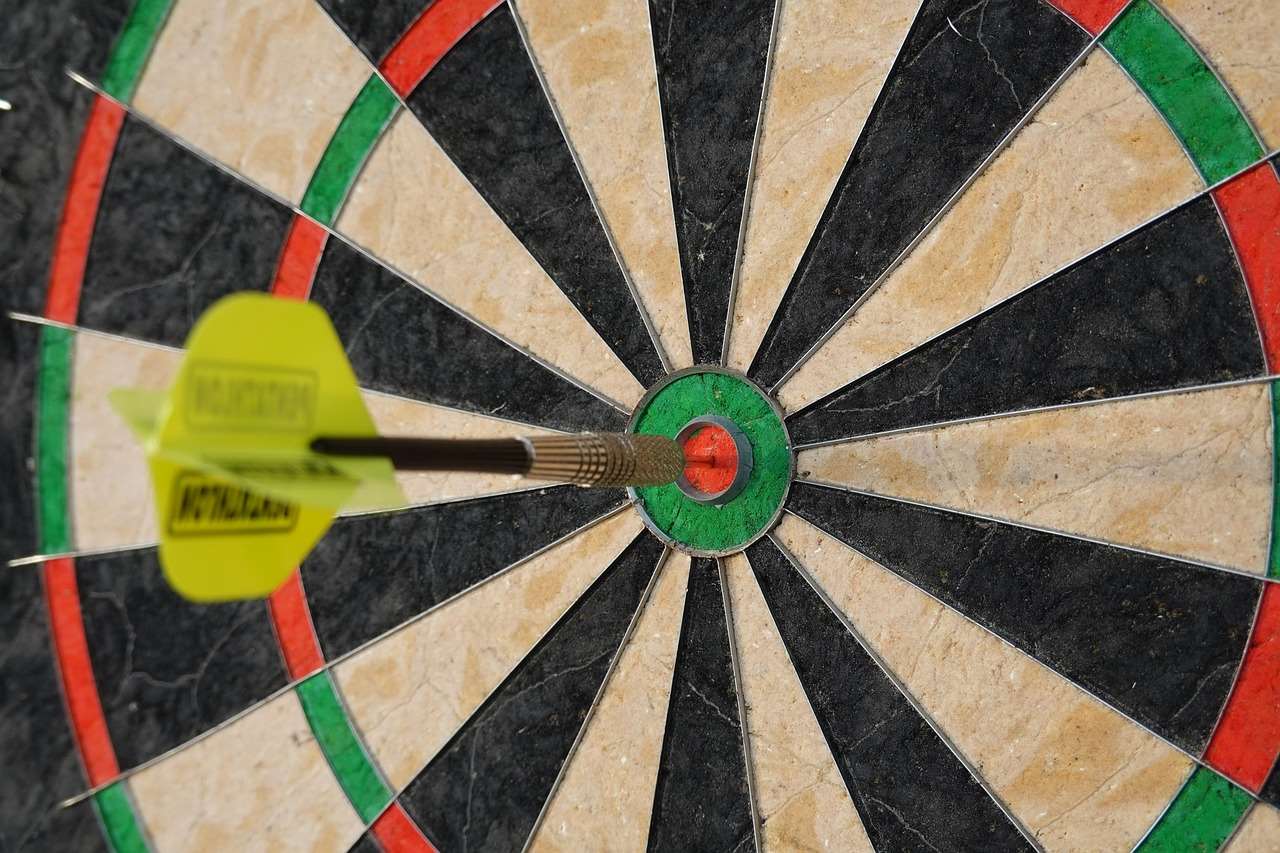
- Bullseye Challenge: Throw at the bullseye repeatedly. This drill improves accuracy and concentration.
Encourage players to track their progress and set realistic goals. Regular practice, combined with focused effort, will lead to steady improvement over time. Don’t dismiss old dart games rules as a way to hone skills in fun ways.
Advanced Techniques and Strategies
Once players have mastered the basics, introduce them to more advanced techniques and strategies. This can include:
- Grouping: The ability to group darts close together is essential for consistent scoring. Practice grouping drills to improve this skill.
- Double Trouble: Doubles are often the key to winning legs. Dedicate time to practicing doubles.
- Strategic Checkouts: Learn different checkout combinations and strategies. This will help players make more informed decisions during matches.
- Reading the Opponent: Observe the opponent’s throwing style, tendencies, and mental state. This information can be used to gain a competitive advantage.
Choosing the Right Darts: A Deeper Dive
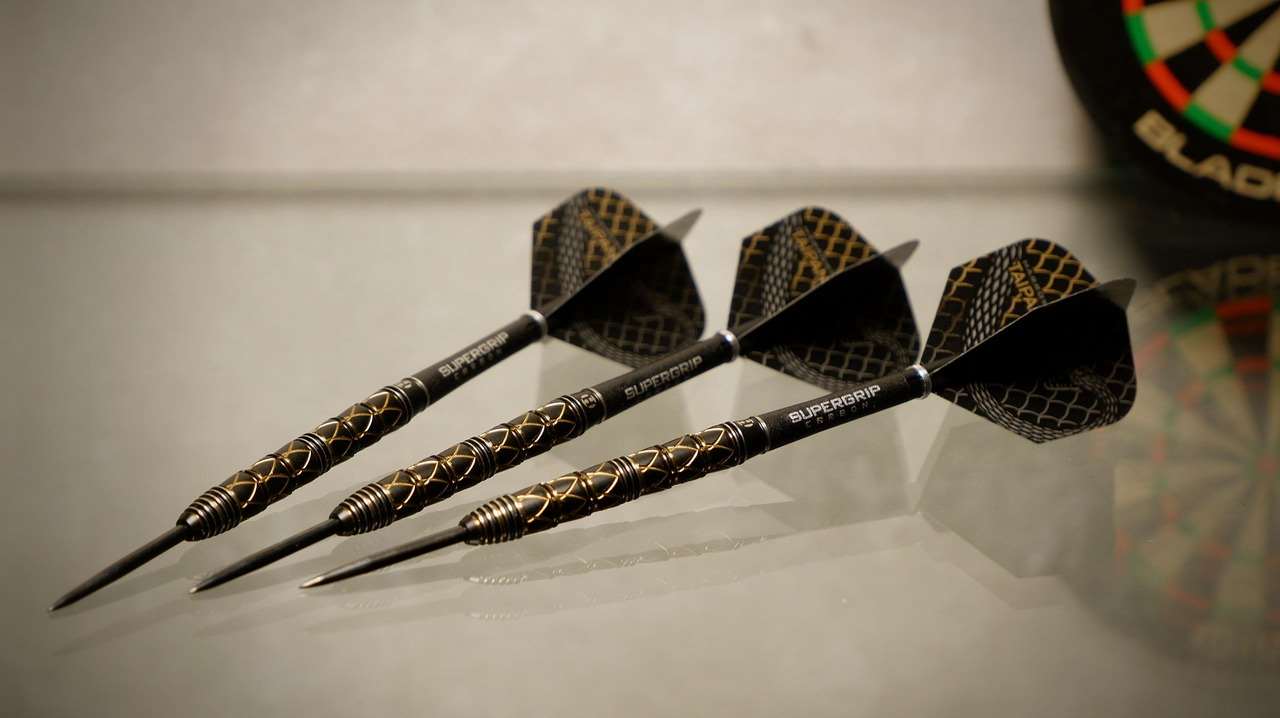
As players progress, the selection of darts becomes even more critical. Encourage experimentation with different barrel materials (brass, tungsten), shaft lengths, and flight shapes. Explain the pros and cons of each option. For example, tungsten darts are denser than brass darts, allowing for a slimmer barrel and tighter groupings. Shaft length affects the dart’s trajectory, while flight shape influences its stability in the air. Help players understand how these factors can impact their throwing style and ultimately their performance.
Understanding Game Formats: Beyond 501
While 501 is the most popular dart game, there are many other formats that can add variety and challenge to practice sessions. Introduce players to games like Cricket, Around the World, and Killer. Each game requires different skills and strategies, helping to develop a well-rounded darting ability. Understanding these historical dart game variations can add depth to their understanding of the sport.
The Importance of Sportsmanship
Finally, emphasize the importance of sportsmanship. Darts is a game of skill and strategy, but it’s also a game of respect. Encourage players to be gracious in both victory and defeat, to respect their opponents, and to uphold the rules of the game. A positive and respectful attitude will not only enhance their own enjoyment of the sport but also contribute to a positive and welcoming environment for all players. **Teaching killer darts new players** must also include teaching ethical play.
Continued Development: Resources and Communities
Encourage new players to continue learning and developing their skills. There are many resources available online and in local communities. Local dart leagues and tournaments provide opportunities to compete against other players and learn from experienced competitors. Online forums and social media groups offer a platform for sharing tips, asking questions, and connecting with other dart enthusiasts. Suggest they watch professional dart matches to observe the techniques and strategies of top players.
Conclusion: Nurturing the Next Generation of Darting Champions
Teaching killer darts new players is a rewarding experience. By providing a solid foundation in technique, strategy, and mental fortitude, you can help them develop their skills and achieve their goals. Remember to be patient, supportive, and encouraging, and to foster a love for the game. By focusing on the fundamentals, encouraging experimentation, and instilling a strong work ethic, you can nurture the next generation of darting champions. Now go out there and help someone discover the joy of darts! Find a local darts league and get involved – your community awaits!

Hi, I’m Dieter, and I created Dartcounter (Dartcounterapp.com). My motivation wasn’t being a darts expert – quite the opposite! When I first started playing, I loved the game but found keeping accurate scores and tracking stats difficult and distracting.
I figured I couldn’t be the only one struggling with this. So, I decided to build a solution: an easy-to-use application that everyone, no matter their experience level, could use to manage scoring effortlessly.
My goal for Dartcounter was simple: let the app handle the numbers – the scoring, the averages, the stats, even checkout suggestions – so players could focus purely on their throw and enjoying the game. It began as a way to solve my own beginner’s problem, and I’m thrilled it has grown into a helpful tool for the wider darts community.