The key to teaching Cricket darts beginners lies in simplifying the game and focusing on fundamental skills. This article will guide you through introducing the rules, essential techniques, and practice drills, ensuring a positive and engaging learning experience for new players.
⚠️ Still Using Pen & Paper (or a Chalkboard)?! ⚠️
Step into the future! The Dart Counter App handles all the scoring, suggests checkouts, and tracks your stats automatically. It's easier than you think!
Try the Smart Dart Counter App FREE!Ready for an upgrade? Click above!
Understanding the Basics Before Teaching Cricket Darts Beginners
Before diving into the specifics of teaching Cricket darts beginners, it’s crucial to understand the game’s core principles. Cricket darts isn’t just about hitting the highest score; it’s a strategic game that requires both accuracy and tactical thinking.
The goal in Cricket is to “close out” specific numbers (20, 19, 18, 17, 16, 15 and the bullseye) before your opponent does. To close out a number, you must hit it three times. Once a number is closed, your opponent can’t score on it, but if they haven’t closed it and you have, you score points for every hit until they close it or the game ends. Understanding this scoring system is vital before attempting to teach anyone.
Here’s a quick breakdown of the key elements:
- Numbers in Play: 20, 19, 18, 17, 16, 15, and the bullseye (which counts as two separate hits – the outer bull [25 points] and the inner bull [50 points]).
- Closing a Number: Hitting a number three times (single, double, or triple counts).
- Scoring: Once a number is closed by a player, they score points for every hit on that number until the opponent closes it.
- Winning: Closing all the required numbers and having a score equal to or lower than your opponent.
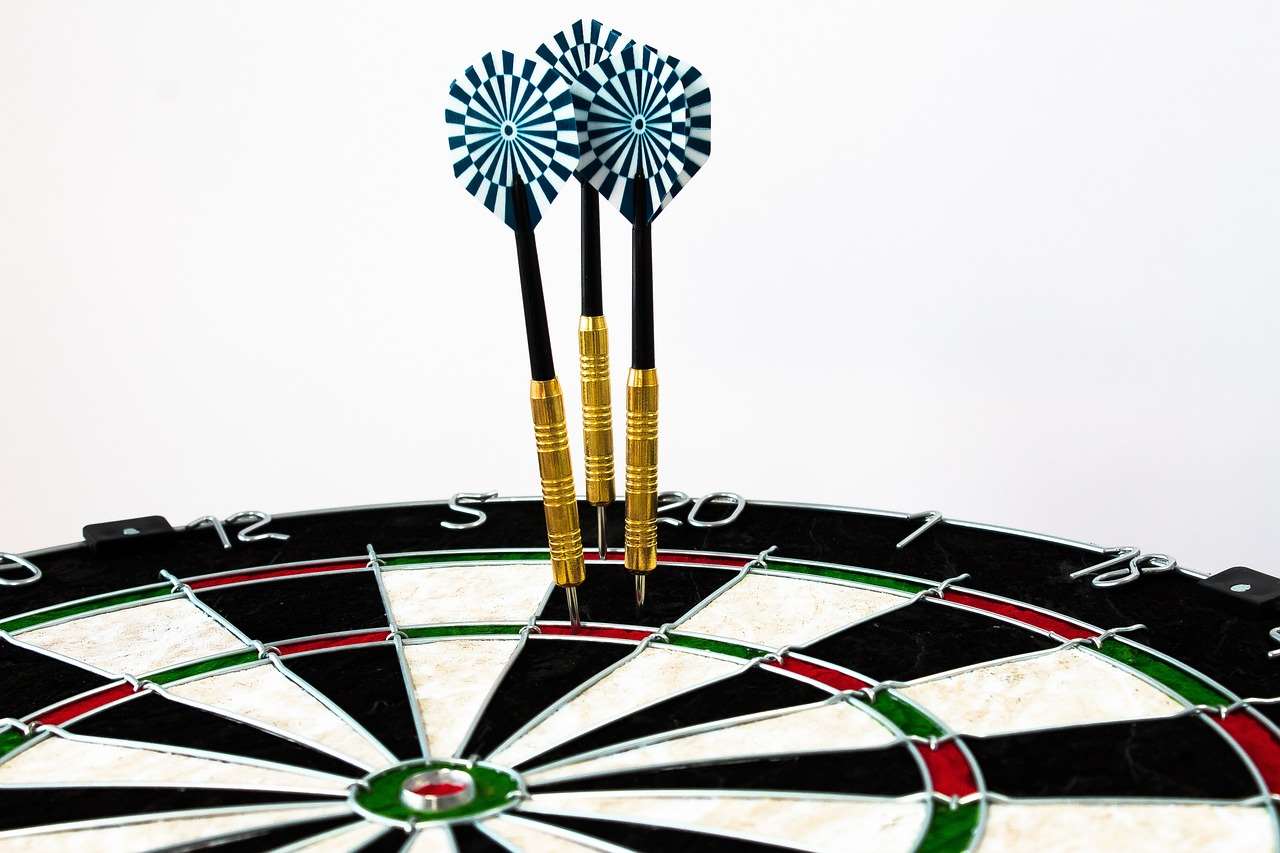
It’s beneficial to explain these rules clearly and concisely, perhaps using a visual aid like a whiteboard or a printed diagram of a dartboard. Don’t overwhelm beginners with too much information at once. Focus on the essential rules needed to start playing a simplified version of the game. Later, you can introduce the more intricate strategies and nuances.
Essential Equipment and Setup
Having the right equipment and a properly set-up dartboard are paramount for a safe and enjoyable experience, especially when teaching Cricket darts beginners. Invest in a good quality dartboard made of sisal fibers, which are self-healing and will last longer. Steel-tip darts are the standard for Cricket and should be chosen based on personal preference regarding weight and grip.
Here’s a checklist of essential equipment:
- Dartboard: A standard 18-inch sisal dartboard.
- Darts: A set of steel-tip darts (start with a medium weight, around 22-24 grams).
- Oche (Throwing Line): A clearly marked line or raised platform, 7 feet 9.25 inches from the face of the dartboard.
- Lighting: Adequate lighting to illuminate the dartboard evenly.
- Surround: A dartboard surround to protect the wall from stray darts (highly recommended).
Correct dartboard height is also critical. The bullseye should be 5 feet 8 inches from the floor. Ensure the oche is accurately measured to promote proper throwing technique. Explain the importance of safety to beginners: no one should cross the throwing line when someone is throwing, and always be aware of your surroundings.
Fundamental Dart Throwing Techniques for New Players
Effective throwing technique is at the heart of teaching Cricket darts beginners. While individual styles may vary, certain fundamental principles remain constant. These include stance, grip, aiming, and release.
Stance
The stance provides a stable base for throwing. A common stance is to stand perpendicular to the board with one foot slightly forward, pointing towards the oche. The weight should be balanced on both feet, allowing for a smooth and controlled motion. Experimenting with different stances, while maintaining balance, is key. The position of the non-throwing arm is also important; it should be held comfortably to the side to maintain balance and avoid interfering with the throw.
Grip
The grip determines how the dart is controlled during the throw. A consistent grip is essential for accuracy. Experiment with different grip styles to find what feels most comfortable and secure. A common grip involves holding the dart between the thumb and forefinger, with the other fingers providing support. Avoid gripping the dart too tightly, as this can lead to tension and inaccuracy. It is important to maintain a relaxed grip to allow for a smooth and fluid throw.
Aiming
Aiming is all about focusing on the target. When teaching Cricket darts beginners, start by focusing on hitting the broad sections of the board. Once they develop some consistency, you can introduce specific targets like the 20, 19, and bullseye. Emphasize the importance of keeping the eye focused on the target throughout the entire throwing motion. Visualize the dart hitting the target before releasing it. Consistent aiming is crucial for achieving consistent results.
Release
The release is the final step in the throwing motion and should be smooth and fluid. The arm should extend fully towards the target, and the dart should be released at the peak of the motion. Avoid flicking the wrist, as this can lead to inconsistency. Follow through with the arm after releasing the dart, maintaining the same motion throughout. Practice the release repeatedly to develop muscle memory and improve accuracy.
Focus on these fundamentals when teaching Cricket darts beginners. Emphasize consistency over power, and encourage practice to develop muscle memory. Breaking down the throwing motion into smaller, manageable steps can help beginners understand and master the technique more effectively. Learning to Adapting darts games skills will help players improve their game.

Simplified Cricket Games for Beginners
Instead of jumping straight into a full game of Cricket, consider using simplified versions to introduce the rules and concepts gradually. This will help beginners feel less overwhelmed and more motivated to continue learning.
Here are some modified Cricket game variations ideal for learners:
- Reduced Numbers: Instead of using all seven numbers (20, 19, 18, 17, 16, 15, and the bullseye), start with just three or four, such as 20, 19, and the bullseye.
- Lower Hit Requirement: Reduce the number of hits required to close a number from three to two.
- Team Play: Partner beginners with more experienced players for guidance and support. This can make the game more enjoyable and less intimidating.
- Practice Games: Focus on hitting specific numbers rather than playing a full game. This allows beginners to concentrate on improving their accuracy and technique.
These variations allow beginners to grasp the fundamental concepts of closing numbers and scoring points without the complexity of a full game. As they gain confidence and skill, gradually introduce more numbers and increase the hit requirement. Remembering these aspects is critical for successful teaching Cricket darts beginners.
Practice Drills to Improve Accuracy
Consistent practice is essential for improving accuracy in darts. When teaching Cricket darts beginners, incorporate a variety of drills to target specific skills. These drills should be fun, engaging, and tailored to the individual’s skill level.
Target Practice
The most basic drill is simply aiming for specific numbers on the board. Start with the larger sections of the board (20, 19, 18) and gradually progress to the smaller sections (single, double, and triple). Set specific goals, such as hitting a particular number three times in a row. Vary the targets to keep the drill interesting and challenging.
Around the Clock
This drill involves hitting each number on the board in sequence, starting with 1 and ending with 20. This helps improve accuracy and consistency across the entire board. For beginners, modify the drill by focusing on hitting each number once, regardless of the section (single, double, or triple).
Bullseye Challenge
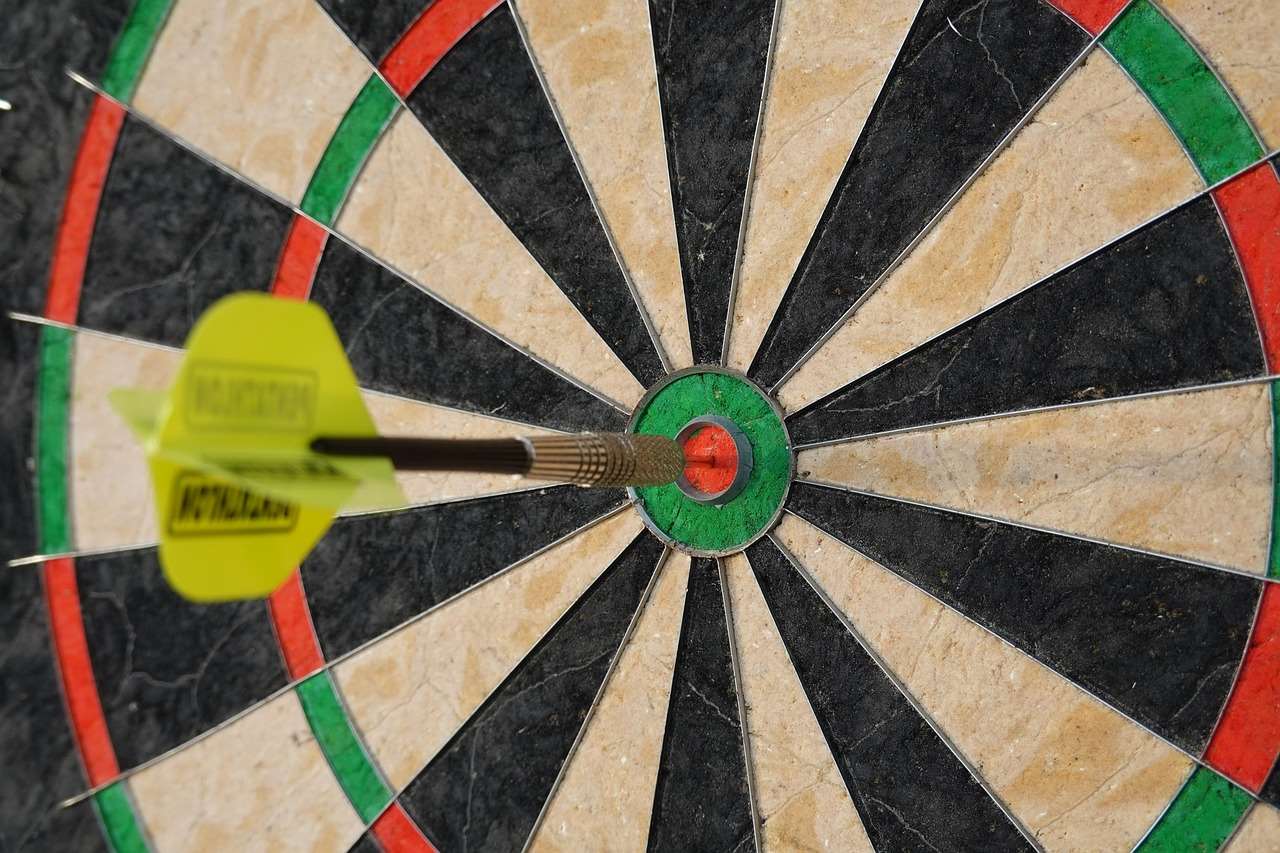
This drill focuses specifically on hitting the bullseye. Set a goal, such as hitting the bullseye a certain number of times within a set number of throws. This can be made more challenging by reducing the number of throws allowed or increasing the number of bullseyes required. This is very beneficial when teaching Cricket darts beginners since the bullseye is a high value target in cricket.
Scoring Practice
Practice scoring specific amounts by aiming for combinations of numbers. For example, try to score 60 points by hitting the triple 20. This helps improve strategic thinking and the ability to calculate scores quickly. You can play various games.
Remember to keep the practice sessions short and focused to avoid fatigue and maintain motivation. Provide positive reinforcement and encouragement to help beginners stay engaged and confident.
Common Mistakes and How to Correct Them
Beginners often make common mistakes that can hinder their progress. Recognizing these mistakes and knowing how to correct them is crucial for effective teaching Cricket darts beginners. Here are some of the most frequent errors:
- Inconsistent Stance: A shaky or unbalanced stance can lead to inconsistent throws. Ensure the beginner has a stable and balanced stance, with their weight evenly distributed.
- Tight Grip: Gripping the dart too tightly can cause tension and affect accuracy. Encourage a relaxed grip, allowing the dart to flow smoothly from the hand.
- Wrist Flick: Using a wrist flick during the release can lead to erratic throws. Emphasize a smooth, fluid motion with the arm, avoiding any unnecessary wrist movement.
- Looking Away: Taking their eye off the target mid-throw. Make sure beginners maintain eye contact with the target to improve accuracy.
- Rushing the Throw: Rushing the throw can lead to mistakes. Encourage beginners to take their time, focus on their technique, and maintain a steady rhythm.
- Incorrect Oche Distance: Ensure the distance is correctly measured.
Providing constructive feedback and demonstrating the correct technique can help beginners overcome these common mistakes. Encourage them to practice slowly and deliberately, focusing on each aspect of the throwing motion.
Building Confidence and Motivation
Confidence and motivation are essential for beginners to progress in darts. When teaching Cricket darts beginners, create a supportive and encouraging learning environment. Celebrate small victories and acknowledge improvements, no matter how small they may seem.
Here are some tips for building confidence and motivation:
- Positive Reinforcement: Offer praise and encouragement for effort and progress.
- Set Realistic Goals: Avoid setting overly ambitious goals that can lead to frustration.
- Make it Fun: Incorporate games and challenges to keep the learning process engaging and enjoyable.
- Track Progress: Monitor progress over time to demonstrate improvement and build confidence.
- Provide Support: Offer assistance and guidance when needed, but avoid being overly critical.
By creating a positive and supportive learning environment, you can help beginners develop the confidence and motivation they need to succeed in darts. It may be helpful to see darts games different skill levels.

Advanced Strategies and Tips for Cricket
Once beginners have grasped the fundamentals of Cricket, you can start introducing more advanced strategies and tips. This will help them elevate their game and compete more effectively. While initially teaching Cricket darts beginners, stick to the basics and slowly integrate advanced strategies as they get comfortable.
Here are some advanced strategies to consider:
- Strategic Closing: Focus on closing numbers that your opponent is already scoring on, to cut off their point accumulation.
- Point Management: Be mindful of your score relative to your opponent’s. Avoid accumulating too many points if your opponent is close to closing out all their numbers.
- Defensive Play: If your opponent is close to closing out a number, focus on defending by hitting that number yourself to prevent them from scoring.
- Checkout Planning: Plan your final throws to close out the remaining numbers efficiently.
- Opponent Analysis: Pay attention to your opponent’s strengths and weaknesses to adjust your strategy accordingly.
These advanced strategies require a deeper understanding of the game and a greater ability to think strategically. Introduce these concepts gradually, allowing beginners to experiment and develop their own unique playing style. It is important to modify dart games skill gap.
Resources for Continued Learning
To continue their development as darts players, beginners need access to resources that can provide further guidance and support. Here are some valuable resources:
- Online Tutorials and Videos: Numerous websites and platforms offer tutorials and videos on darts techniques and strategies.
- Dart Clubs and Leagues: Joining a dart club or league provides opportunities to practice with other players and learn from experienced competitors.
- Books and Articles: Various books and articles offer in-depth analysis of darts techniques and strategies.
- Professional Players: Observing professional players can provide valuable insights into advanced techniques and strategies.

Encourage beginners to explore these resources and continue learning to reach their full potential as darts players. With dedication, practice, and access to the right resources, anyone can improve their darts skills and enjoy the game to its fullest.
Conclusion: Continuing the Journey of Darts
Teaching Cricket darts beginners requires patience, clear communication, and a focus on building a solid foundation of skills. By understanding the game’s fundamentals, mastering basic throwing techniques, and creating a supportive learning environment, you can help new players develop a lifelong love for the game. Remember to introduce simplified versions of Cricket initially, incorporate practice drills to improve accuracy, and address common mistakes with constructive feedback. As beginners progress, introduce more advanced strategies and provide access to resources for continued learning. Embrace the fun of the game, and always prioritize creating a positive and engaging experience.
Ready to share your knowledge and passion for darts? Start teaching Cricket darts beginners today and help them embark on their own exciting journey in the world of darts!

Hi, I’m Dieter, and I created Dartcounter (Dartcounterapp.com). My motivation wasn’t being a darts expert – quite the opposite! When I first started playing, I loved the game but found keeping accurate scores and tracking stats difficult and distracting.
I figured I couldn’t be the only one struggling with this. So, I decided to build a solution: an easy-to-use application that everyone, no matter their experience level, could use to manage scoring effortlessly.
My goal for Dartcounter was simple: let the app handle the numbers – the scoring, the averages, the stats, even checkout suggestions – so players could focus purely on their throw and enjoying the game. It began as a way to solve my own beginner’s problem, and I’m thrilled it has grown into a helpful tool for the wider darts community.