Successfully teaching bullseye rules beginners hinges on breaking down the seemingly complex regulations into digestible steps, focusing on the core principles of scoring and gameplay. This article will guide you through the process, offering tips on simplified explanations, common mistakes to avoid, and variations to keep new players engaged, while also covering essential equipment and dart throwing techniques.
⚠️ Still Using Pen & Paper (or a Chalkboard)?! ⚠️
Step into the future! The Dart Counter App handles all the scoring, suggests checkouts, and tracks your stats automatically. It's easier than you think!
Try the Smart Dart Counter App FREE!Ready for an upgrade? Click above!
Understanding the Basics: Setting Up for Success
Before even thinking about teaching bullseye rules beginners, it’s crucial to establish a solid foundation. This means ensuring the dartboard is properly mounted and that the throwing distance is accurate. These initial steps significantly impact a beginner’s experience.
- Dartboard Height: The center of the bullseye should be 5 feet 8 inches (1.73 meters) from the floor. Precise measurement is key to consistent play.
- Throwing Distance (Oche): The standard throwing distance is 7 feet 9 1/4 inches (2.37 meters) from the face of the dartboard. Use a measuring tape for accuracy.
- Lighting: Proper lighting is essential. Position lights to minimize shadows on the dartboard. This makes aiming easier and reduces eye strain.
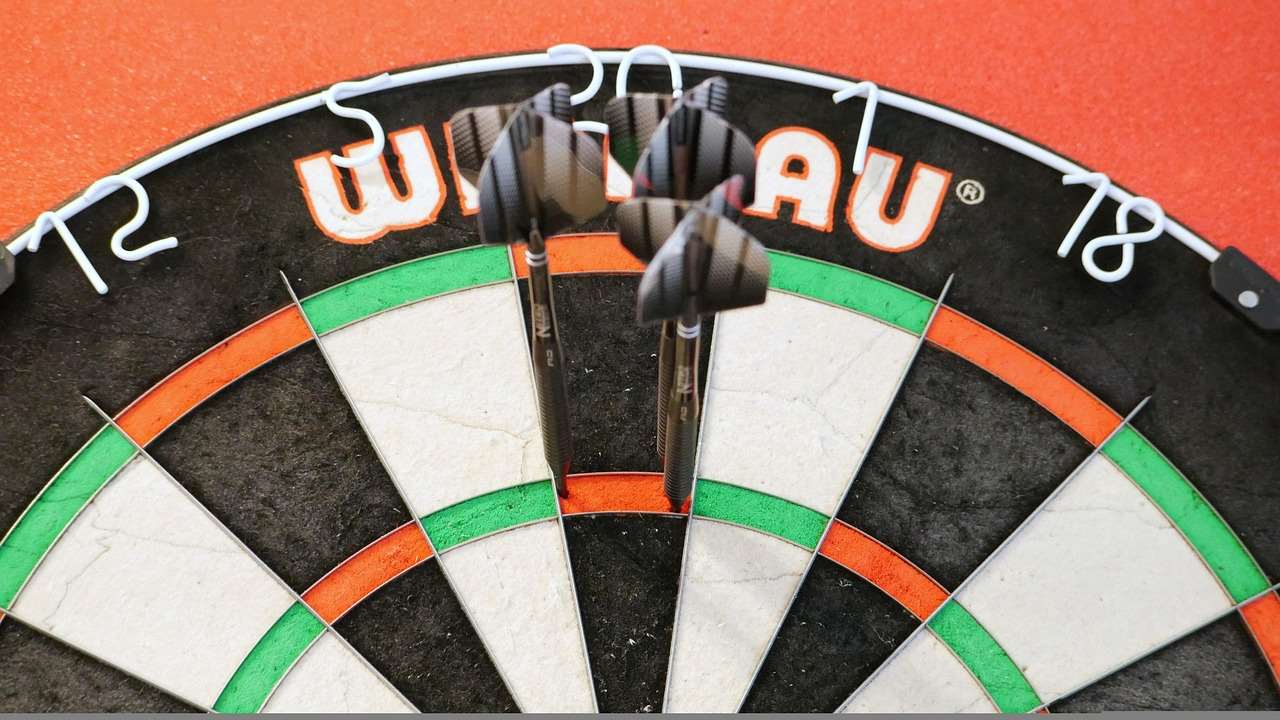
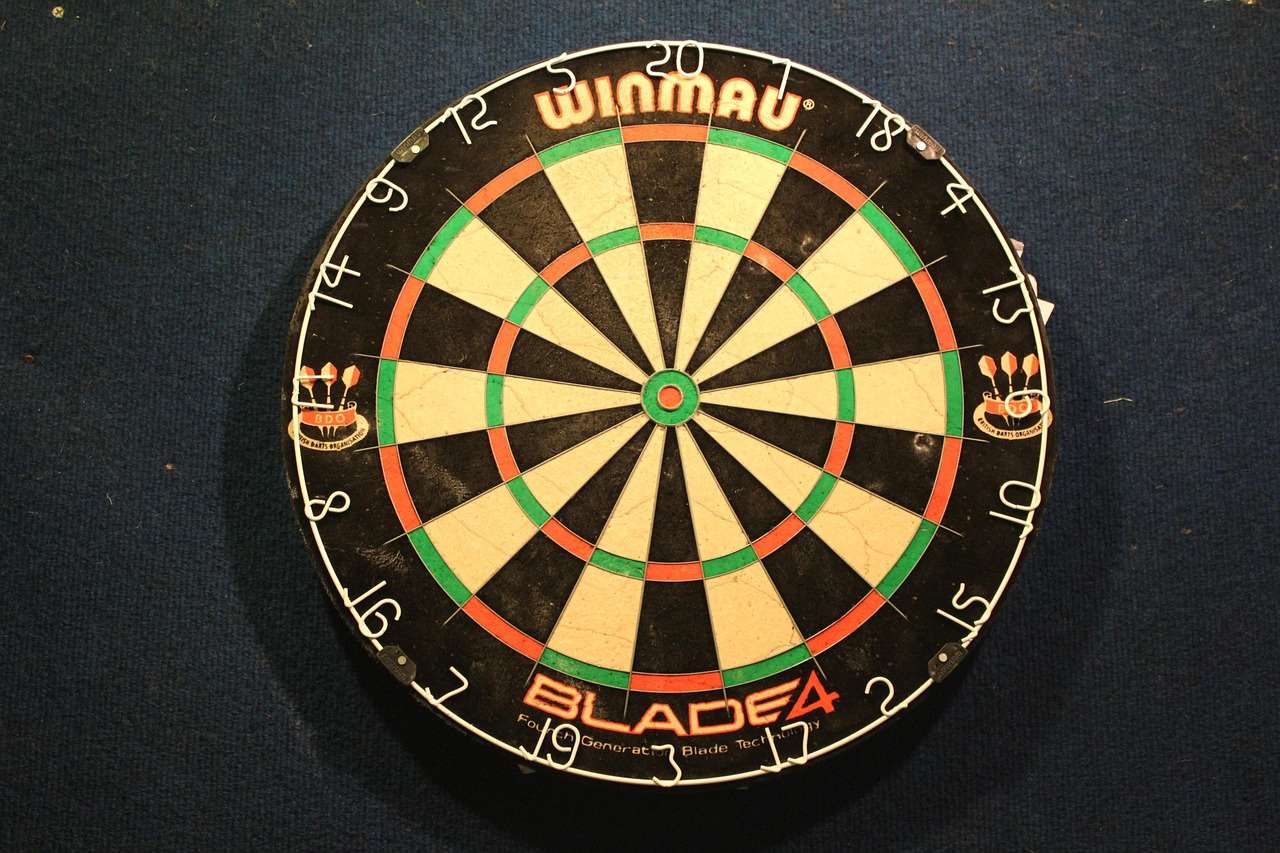
It’s also important to explain the anatomy of the dartboard itself. Point out the single, double, and treble rings, as well as the bullseye and outer bull (single bull). Knowing these sections is fundamental to understanding how scoring works.
Essential Equipment for Beginners
While you don’t need the most expensive gear to start, having decent darts and a well-maintained board makes a difference. Here’s a quick rundown:
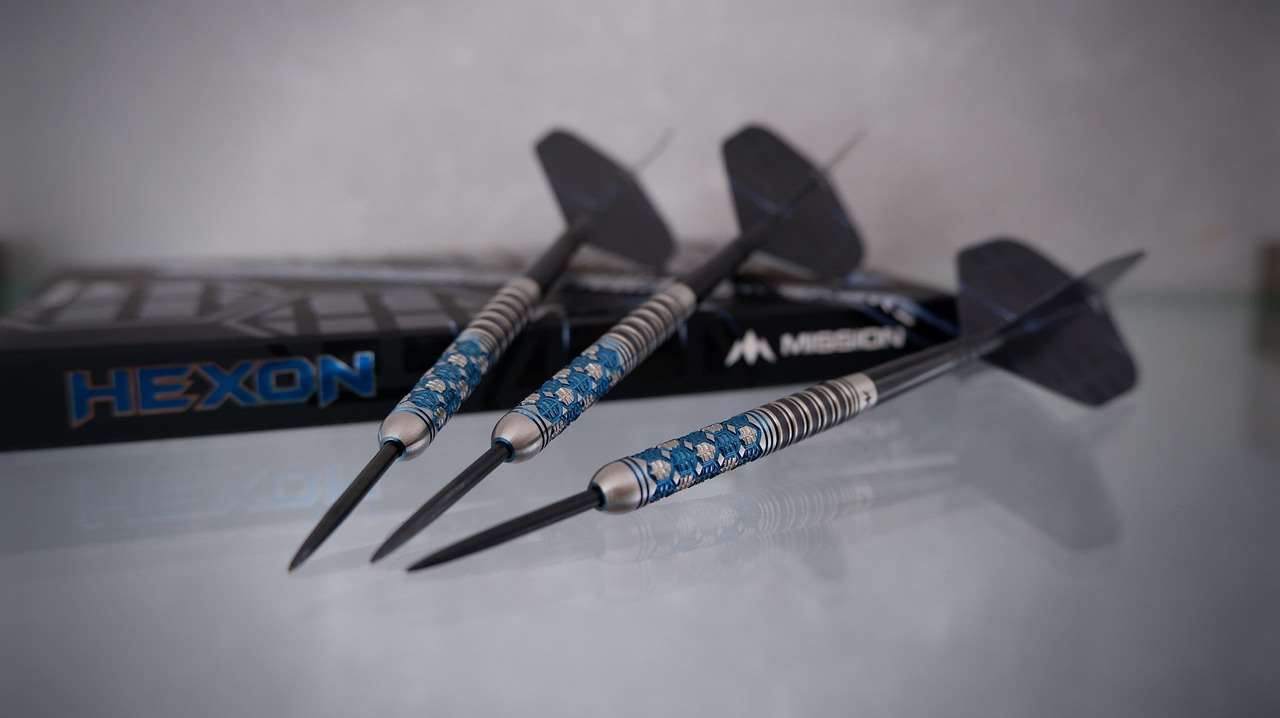
- Darts: Start with a set of brass or nickel-silver darts in the 20-24 gram range. These are generally easier to control for beginners.
- Dartboard: A regulation-size sisal fiber dartboard is the standard. Sisal boards are self-healing, meaning the holes close up over time.
- Flights and Shafts: Have extra flights and shafts on hand, as these are prone to damage, especially during early practice sessions.
Make sure the equipment is accessible and in good condition. Damaged flights or bent shafts can negatively affect a beginner’s throw and confidence.
Simplifying the Bullseye Rules: A Step-by-Step Guide
The core of teaching bullseye rules beginners involves breaking down the scoring system. Start with the simplest concepts and gradually introduce more complex rules as they gain confidence.
- The Basic Scoring: Explain that each section of the dartboard corresponds to a point value, from 1 to 20.
- Doubles and Trebles: Introduce the concept of the double and treble rings. A dart landing in the double ring scores twice the value of that section, while the treble ring scores three times the value.
- The Bullseye: The bullseye (inner bull) scores 50 points, and the outer bull (single bull) scores 25 points.
Use visual aids, such as diagrams of the dartboard, to help beginners visualize the scoring zones. Practice scoring throws together, even if they’re not hitting the intended targets, to reinforce the concepts. Also, refer to Basic Darts Fundamentals for Beginners for additional insights.
Common Games and Scoring Variations
Once beginners understand the basic scoring, introduce them to common dart games, such as 301 or 501. Explain the starting score, the goal (reducing the score to zero), and the rule that the final dart must be a double or the bullseye to win.
- 301/501: Explain the concept of subtracting the score of each throw from the starting total. Emphasize the importance of finishing on a double.
- Around the Clock: This simple game involves hitting each number on the dartboard in sequence, from 1 to 20. It’s a great way to practice accuracy.
- Cricket: A more complex game involving scoring on specific numbers (20, 19, 18, 17, 16, 15 and bull) and “closing” them by hitting them three times. Introduce this game only after beginners are comfortable with the basic scoring and other games.
By introducing **varied games**, you keep beginners engaged and motivated to learn. This avoids monotony and allows them to develop different skills.
Practical Tips for Effective Teaching
Teaching bullseye rules beginners isn’t just about explaining the rules; it’s about creating a positive and supportive learning environment. Focus on building confidence and providing constructive feedback.
- Start Slow: Don’t overwhelm beginners with too much information at once. Break down the rules into manageable chunks.
- Be Patient: Learning takes time and practice. Be patient and encouraging, even when they’re struggling.
- Focus on Form: While accuracy is important, focus on proper throwing technique. Good form will lead to better accuracy in the long run.
- Provide Positive Feedback: Highlight their progress and celebrate small victories. This will keep them motivated.
- Make it Fun: Darts should be enjoyable. Incorporate games and activities that make learning fun.
Common Mistakes to Avoid When Teaching
There are several common pitfalls to avoid when teaching bullseye rules beginners. Recognizing these can help you provide a more effective learning experience.
- Overcomplicating the Rules: Keep the explanations simple and clear. Avoid using jargon or technical terms that beginners may not understand.
- Focusing Too Much on Scoring: While scoring is important, don’t make it the sole focus. Emphasize the fun and social aspects of the game.
- Being Too Critical: Avoid being overly critical of their throws. Focus on providing constructive feedback and encouraging improvement.
- Not Providing Enough Practice Time: Beginners need ample practice time to develop their skills. Ensure they have plenty of opportunities to throw darts.
Developing a Good Throwing Technique: The Foundation of Success
A consistent and accurate throwing technique is essential for success in darts. When teaching bullseye rules beginners, it’s important to introduce the basic principles of proper form early on.
- Stance: A stable stance is crucial. Most players stand with one foot slightly forward, facing the dartboard. Experiment to find a comfortable and balanced stance.
- Grip: The grip should be firm but not too tight. Experiment with different grips to find one that feels comfortable and allows for control.
- Arm Movement: The arm movement should be smooth and controlled. Focus on using the elbow as a hinge and keeping the wrist stable.
- Follow-Through: Follow through with the throwing motion, extending the arm towards the target. This helps to maintain accuracy.
Practice these fundamentals regularly to develop a consistent and accurate throw. Consider using training aids, such as grip enhancers or throwing line markers, to help improve technique.

Addressing Common Throwing Errors
Beginners often make similar mistakes when learning to throw darts. Identifying and addressing these errors can help them improve their technique and accuracy.
- Inconsistent Stance: A wobbly or unbalanced stance can affect accuracy. Focus on maintaining a stable stance throughout the throwing motion.
- Grip Too Tight: A tight grip can cause tension and reduce control. Relax the grip and focus on feeling the dart in your hand.
- Snapping the Wrist: Snapping the wrist can lead to inconsistent throws. Keep the wrist stable and focus on using the arm for power.
- Not Following Through: Failing to follow through can cause the dart to veer off target. Extend the arm towards the target after releasing the dart.
Providing individualized feedback on their throwing technique is crucial for helping beginners overcome these common errors. Watch them throw and offer specific suggestions for improvement.
Advanced Strategies and Tactics
Once beginners have mastered the basics, you can introduce them to more advanced strategies and tactics. This can add another layer of depth to their game and help them compete at a higher level.
- Targeting Strategies: Discuss the importance of aiming for specific targets, such as the treble 20 or the double 16, to maximize scoring potential.
- Checkout Combinations: Introduce common checkout combinations and explain how to plan a finish. Knowing these combinations can significantly improve their game.
- Mental Game: Emphasize the importance of mental focus and concentration. Teach them how to stay calm and focused under pressure.
Adapting Darts Rules for Different Skill Levels
Not everyone learns at the same pace. It’s important to be flexible and adapting darts rules for beginners, or to modify the rules to accommodate different skill levels. This ensures that everyone can participate and enjoy the game.
- Handicap Systems: Implement a handicap system to level the playing field. This allows players of different skill levels to compete fairly.
- Simplified Scoring: Simplify the scoring system for younger or less experienced players. For example, you could eliminate the double and treble rings.
- Modified Games: Create modified versions of popular dart games to make them easier to learn and play. Fun dart game variations with modified rules can maintain interest and develop new skills.

Maintaining Interest and Motivation
Keeping beginners interested and motivated is essential for their long-term success in darts. Here are some tips for keeping them engaged:
- Set Realistic Goals: Help them set realistic goals that are achievable and motivating.
- Track Progress: Track their progress over time to show them how far they’ve come.
- Provide Encouragement: Offer constant encouragement and support.
- Celebrate Successes: Celebrate their successes, no matter how small.
- Make it Social: Encourage them to play with friends and family.
Creating a Supportive Learning Environment
A supportive learning environment is crucial for fostering a love of darts. Here are some tips for creating a positive and encouraging atmosphere:
- Be Patient and Understanding: Remember that learning takes time. Be patient and understanding, especially when they’re struggling.
- Provide Constructive Feedback: Offer constructive feedback that is specific and actionable.
- Focus on the Positive: Highlight their strengths and focus on what they’re doing well.
- Avoid Criticism: Avoid being overly critical or judgmental.
- Be Encouraging: Offer constant encouragement and support.
Conclusion: Empowering Beginners to Enjoy the Game
Teaching bullseye rules beginners requires patience, clear explanations, and a supportive environment. By focusing on the fundamentals, breaking down the rules, and providing constructive feedback, you can empower beginners to enjoy the game and develop their skills. Remember to adapt the rules to different skill levels, celebrate successes, and make it fun. With the right approach, anyone can learn to play darts and experience the joy of hitting the bullseye.
Now that you’re armed with the knowledge to effectively teach beginners, encourage them to practice regularly, explore different game variations, and most importantly, have fun! Consider setting up regular practice sessions or joining a local dart league. The more they play, the more they’ll improve and the more they’ll enjoy the game. Take those first steps and start your journey in teaching the game today!

Hi, I’m Dieter, and I created Dartcounter (Dartcounterapp.com). My motivation wasn’t being a darts expert – quite the opposite! When I first started playing, I loved the game but found keeping accurate scores and tracking stats difficult and distracting.
I figured I couldn’t be the only one struggling with this. So, I decided to build a solution: an easy-to-use application that everyone, no matter their experience level, could use to manage scoring effortlessly.
My goal for Dartcounter was simple: let the app handle the numbers – the scoring, the averages, the stats, even checkout suggestions – so players could focus purely on their throw and enjoying the game. It began as a way to solve my own beginner’s problem, and I’m thrilled it has grown into a helpful tool for the wider darts community.