Embarking on the journey of Teaching Around the Clock beginners can feel overwhelming, but the key lies in simplicity and building a strong foundation. This article provides a step-by-step guide to effectively introducing beginners to this exciting game, covering everything from basic rules and scoring to strategies for adapting the game to different skill levels. You’ll also learn how to keep practice fun and engaging, ensuring a positive learning experience for all.
⚠️ Still Using Pen & Paper (or a Chalkboard)?! ⚠️
Step into the future! The Dart Counter App handles all the scoring, suggests checkouts, and tracks your stats automatically. It's easier than you think!
Try the Smart Dart Counter App FREE!Ready for an upgrade? Click above!
Understanding the Basics of Teaching Around the Clock beginners
Before diving into the nuances of Teaching Around the Clock beginners, it’s crucial to understand the game’s fundamental principles. Around the Clock, also known as Around the World, is a straightforward dart game where players aim to hit each number on the dartboard in sequence, starting with 1 and progressing to 20. The first player to successfully hit all the numbers wins. It’s a fantastic way for beginners to learn dartboard geography and develop aiming skills. The standard rules are simple: you must hit the required number before moving on to the next. There are variations where doubles and trebles count.
Equipment Needed for Teaching Around the Clock beginners
To get started, you’ll need a few essential items:
- A standard dartboard (bristle dartboards are recommended for durability).
- A set of darts (brass darts are a good option for beginners).
- A clearly defined throwing line (oche).
- Proper lighting to ensure the dartboard is well-lit.
Safety is paramount. Ensure adequate space around the dartboard and instruct beginners on safe dart throwing techniques. You should also teach them the importance of keeping the area around the dartboard clear of obstacles and people.

Step-by-Step Guide to Teaching Around the Clock beginners
Now, let’s break down the process of teaching beginners. Start with the very basics:
- Dart Stance and Grip: Demonstrate a proper dart stance, typically with one foot forward and the other providing balance. Explain different grip styles and encourage beginners to find what feels most comfortable for them. Avoid overly complicated grips initially.
- Aiming Techniques: Teach beginners to align their eye with the target number. Encourage them to focus on the target and visualize the dart’s trajectory. Simple visual cues, like drawing an imaginary line from the eye to the target, can be helpful.
- Throwing Motion: Emphasize a smooth and controlled throwing motion. Avoid jerky movements or excessive force. The arm should move in a straight line towards the target. Follow-through is also key.
- Scoring System: Explain the scoring system in a clear and concise manner. Reinforce that only hits on the correct number count. Clarify the difference between single, double, and treble sections, even if they are not part of the initial game rules for Around the Clock.
Keep initial sessions short and focused. Overwhelming beginners with too much information can be counterproductive. Focus on one aspect at a time and provide plenty of opportunities for practice.
Common Mistakes and How to Correct Them
Beginners often make common mistakes. Being able to identify and correct these is vital for effective Teaching Around the Clock beginners. Some of these mistakes include:
- Inconsistent Stance: Encourage a stable and repeatable stance.
- Incorrect Grip: Experiment to find a comfortable and consistent grip.
- Poor Aiming: Focus on the target and maintain a clear line of sight.
- Jerky Throwing Motion: Practice a smooth and controlled release.
- Lack of Follow-Through: Ensure the arm continues towards the target after release.
Provide constructive feedback and positive reinforcement. Focus on progress and improvement rather than perfection. Celebrate small victories to keep beginners motivated.
Adapting the Game for Different Skill Levels
One of the beauties of Around the Clock is its adaptability. When Teaching Around the Clock beginners and players with different skill levels are involved, you can modify the rules to ensure everyone enjoys the game. This is very important to Darts for mixed ability groups.
Simplified Rules for Absolute Beginners
For absolute beginners, consider these modifications:
- Start with a Smaller Range: Instead of aiming for 1 to 20, start with 1 to 10 or even 1 to 5.
- Wider Target Area: Allow hits within a larger area of the target number (e.g., the entire pie-shaped segment, not just the single).
- Team Play: Partner beginners with more experienced players.
- Practice Rounds: Give beginners practice throws before starting the actual game.
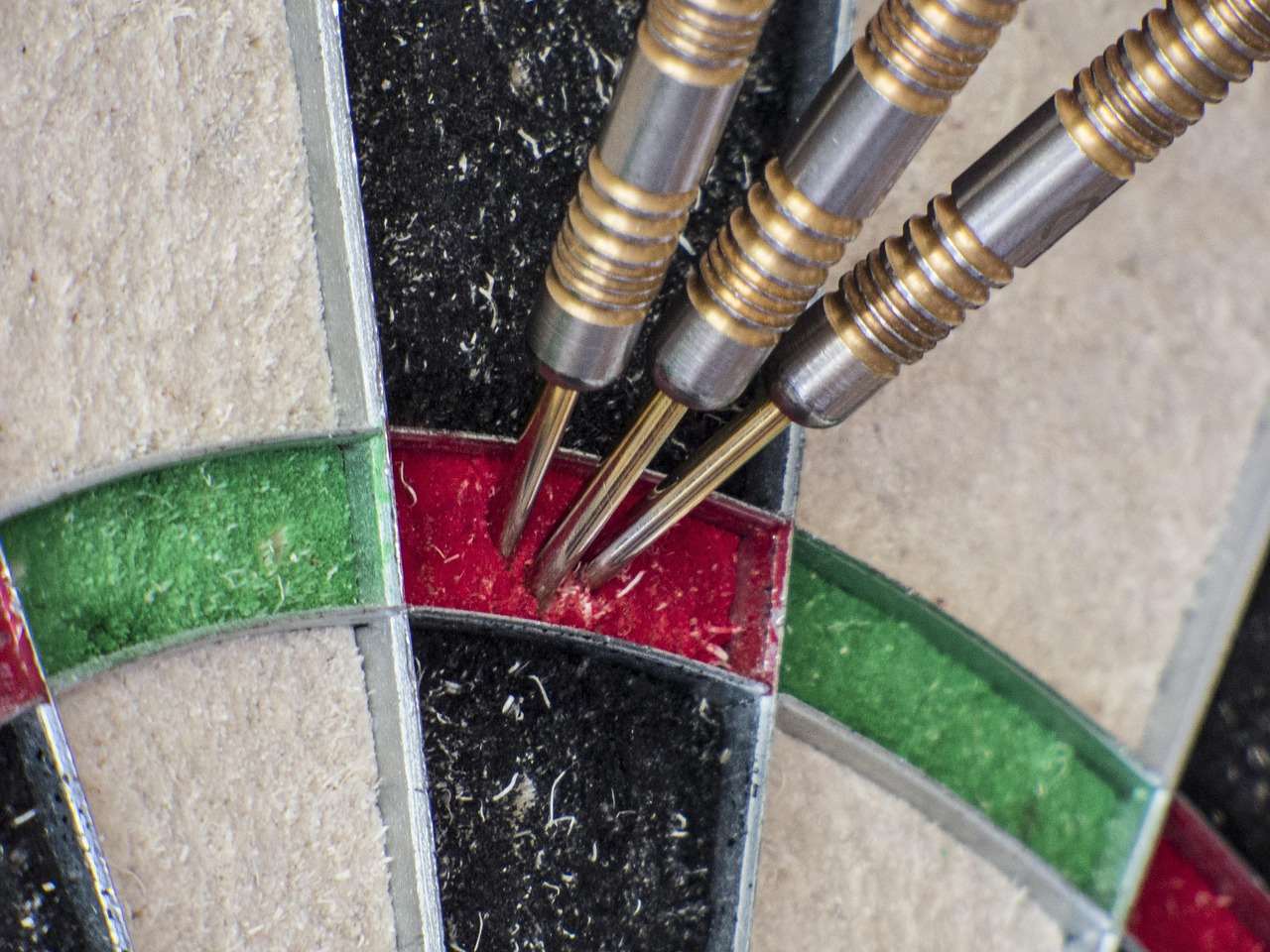
These modifications make the game less daunting and more accessible for newcomers. The goal is to build confidence and foster a positive attitude towards the game.
Increasing the Difficulty for Advanced Players
For more advanced players, you can increase the difficulty by:
- Requiring Doubles or Trebles: Players must hit the double or treble of the target number to progress.
- Adding Penalties: Penalize players for missing the target number (e.g., deducting points or forcing them to restart from a previous number).
- Increasing the Range: Extend the game to include the bullseye as the final target.
- Time Limits: Implement time limits for each throw.
These modifications challenge advanced players and add a new level of complexity to the game. They also help to refine their precision and strategic thinking. The possibilities are endless. You might even find some Darts Variants Fun Games that are even more challenging.
Keeping Practice Fun and Engaging
The key to successful Teaching Around the Clock beginners is to make practice sessions fun and engaging. Boredom can quickly lead to disinterest. Here are some tips:
- Variety is Key: Incorporate different games and drills into your practice sessions. Don’t just stick to Around the Clock.
- Set Achievable Goals: Break down larger goals into smaller, more manageable steps.
- Reward Progress: Celebrate achievements and milestones.
- Create a Positive Environment: Encourage a supportive and friendly atmosphere.
- Use Gamification: Turn practice into a game with points, rewards, and challenges.
Remember, the goal is to foster a love for the game. Make practice something that beginners look forward to, not a chore. You can adapt the rules of the Adjusting dart game rules for younger players.

Fun Variations of Around the Clock
There are many fun variations of Around the Clock that can add excitement and variety to practice sessions:
- Around the Clock with Doubles/Trebles: Players must hit the double or treble of each number to progress.
- Reverse Around the Clock: Players start at 20 and work their way down to 1.
- Around the Clock with a Twist: Add special rules for certain numbers (e.g., hitting 7 requires a double, hitting 13 requires a treble).
- Team Around the Clock: Players take turns hitting the numbers in sequence.
Experiment with different variations to find what works best for your beginners. The goal is to keep things fresh and interesting.
Using Technology to Enhance the Learning Experience
Technology can be a valuable tool for Teaching Around the Clock beginners. There are many apps and online resources that can help beginners track their progress, analyze their throws, and learn new techniques.
Dart Scoring Apps and Websites
Dart scoring apps can automate the scoring process and provide valuable statistics. Some apps also offer training drills and personalized feedback. Websites dedicated to darts often feature tutorials, tips, and articles for beginners.

Video Analysis and Online Tutorials
Video analysis can help beginners identify flaws in their throwing technique. Record their throws and compare them to videos of professional dart players. Online tutorials can provide step-by-step instructions on various aspects of the game. Seeing the pros can teach Adapting darts games skills.
Safety Considerations for Beginners
Safety should always be a top priority when Teaching Around the Clock beginners. Here are some important safety guidelines:
- Clear Throwing Area: Ensure the area around the dartboard is clear of obstacles and people.
- Proper Lighting: Provide adequate lighting to prevent eye strain.
- Dartboard Mounting: Securely mount the dartboard to prevent it from falling.
- Safe Dart Handling: Teach beginners how to handle darts safely and avoid throwing them when others are nearby.
- Supervision: Supervise beginners, especially children, to ensure they follow safety rules.
By following these safety guidelines, you can create a safe and enjoyable learning environment for all.

Conclusion
Teaching Around the Clock beginners is a rewarding experience. By understanding the basics, adapting the game to different skill levels, keeping practice fun, and prioritizing safety, you can help beginners develop their skills and foster a love for the game. Remember to be patient, provide positive reinforcement, and celebrate progress. With the right approach, anyone can learn to play and enjoy Around the Clock. So grab some darts, find a dartboard, and start teaching today! Ready to take your dart game to the next level? Explore different dart games and variations to challenge yourself!

Hi, I’m Dieter, and I created Dartcounter (Dartcounterapp.com). My motivation wasn’t being a darts expert – quite the opposite! When I first started playing, I loved the game but found keeping accurate scores and tracking stats difficult and distracting.
I figured I couldn’t be the only one struggling with this. So, I decided to build a solution: an easy-to-use application that everyone, no matter their experience level, could use to manage scoring effortlessly.
My goal for Dartcounter was simple: let the app handle the numbers – the scoring, the averages, the stats, even checkout suggestions – so players could focus purely on their throw and enjoying the game. It began as a way to solve my own beginner’s problem, and I’m thrilled it has grown into a helpful tool for the wider darts community.