The key to supervising children playing darts safely and enjoyably lies in setting clear boundaries, providing proper instruction, and using appropriate equipment. This article will cover everything you need to know to create a fun and secure environment for kids to learn and play darts, from choosing the right dartboard to teaching them the rules and techniques of the game.
⚠️ Still Using Pen & Paper (or a Chalkboard)?! ⚠️
Step into the future! The Dart Counter App handles all the scoring, suggests checkouts, and tracks your stats automatically. It's easier than you think!
Try the Smart Dart Counter App FREE!Ready for an upgrade? Click above!
Essential Safety Measures for Supervising Children Playing Darts
Before even thinking about technique or gameplay, safety must be the absolute priority when supervising children playing darts. Darts, while a fun game, involve sharp projectiles and require a dedicated safety protocol.
- Designated Playing Area: Establish a clear and well-defined playing area. This should be free of obstructions and have ample space around the dartboard to prevent accidental collisions.
- Safe Distance: Ensure all other children (and adults) maintain a safe distance behind the thrower and away from the target area. A marked line on the floor can help with this.
- No Running or Horseplay: Enforce a strict “no running or horseplay” rule around the dartboard. Darts require concentration, and sudden movements can lead to accidents.
- One Thrower at a Time: Only one person should approach the oche (throwing line) and throw darts at a time. This prevents accidental throws and injuries.
- Proper Dart Handling: Teach children how to handle darts properly. They should always be carried with the points facing down and away from themselves and others.
- Dartboard Surround: Invest in a dartboard surround. This will protect your walls from stray darts and reduce the risk of bounce-outs causing injury.
- Supervision is Key: Constant and attentive supervision is crucial. Never leave children unsupervised while they are playing darts.

Choosing the Right Dartboard and Darts
Selecting the appropriate equipment is fundamental to both safety and enjoyment. Using adult-sized boards and darts can be dangerous for children. Consider these factors:
- Dartboard Size: While regulation dartboards are standard, you might consider a smaller, lighter dartboard for younger children. This can make it easier for them to hit the target and reduce the force of impact.
- Soft-Tip Darts: The safest option for children is to use soft-tip darts. These darts have plastic tips instead of sharp metal points, significantly reducing the risk of injury. Soft-tip darts also require a specialized electronic dartboard.
- Dart Weight: Choose darts that are lightweight and easy for children to handle. Lighter darts are easier to control and less likely to cause damage if dropped or thrown improperly.
- Dart Grip: Look for darts with a comfortable grip that allows children to maintain control. Consider darts with textured barrels or ergonomic designs.
- Dart Length: Shorter darts may be easier for younger children to manage.
Teaching children about darts equipment and how to care for it (e.g., storing darts safely) is also a valuable lesson.
Teaching Children Basic Dart Throwing Technique
Proper technique not only improves accuracy but also contributes to safety. When supervising children playing darts, emphasize these fundamentals:
- Stance: Teach children to stand with one foot forward, pointing towards the dartboard. The other foot should be slightly behind, providing balance.
- Grip: Demonstrate a relaxed and comfortable grip on the dart. Avoid gripping the dart too tightly, which can restrict movement.
- Aiming: Explain the importance of aiming at the target with their eye. Encourage them to focus on the desired target before throwing.
- Throwing Motion: Teach a smooth and controlled throwing motion, starting with the arm extended back and following through towards the target. Emphasize using the elbow as a hinge and avoiding excessive wrist movement.
- Follow Through: Encourage a complete follow-through after releasing the dart. This helps maintain accuracy and consistency.
Remember to be patient and provide positive reinforcement. Learning takes time, and encouragement is key to building confidence. You can also find information on Basic Darts Fundamentals for Beginners to help further your understanding.
Adapting Dart Game Rules for Children
Traditional dart games like 501 can be complex and frustrating for young children. Simplify the rules and create variations that are more engaging and age-appropriate. Adapting dart game rules for children makes it more accessible and fun.
- Simplified Scoring: Use simplified scoring systems that are easier for children to understand. For example, focus on hitting specific numbers or sections of the dartboard.
- Modified Games: Create modified versions of classic dart games. You can also try some Fun dart game variations with modified rules.
- Team Play: Introduce team play to encourage cooperation and teamwork.
- Handicap System: Consider using a handicap system to level the playing field and make the game more fair for players of different skill levels. Learn How to make darts fairer with handicap rules.
- Target Practice: Set up target practice games where children aim at specific areas of the dartboard, awarding points for accuracy.
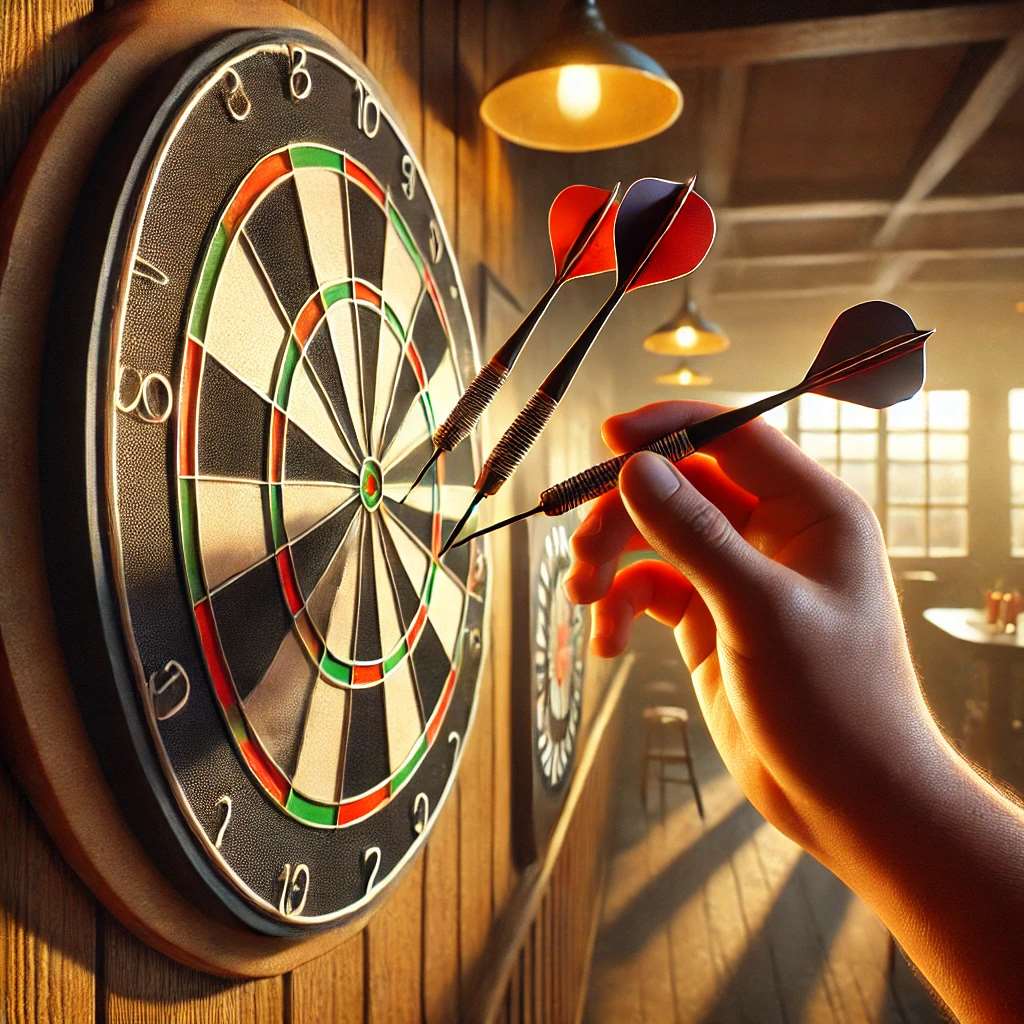
The Importance of Positive Reinforcement and Encouragement
Learning any new skill can be challenging, especially for children. Provide plenty of positive reinforcement and encouragement to build their confidence and keep them motivated. Positive feedback is crucial for fostering a positive learning environment.
- Focus on Effort: Praise effort and improvement rather than solely focusing on results. Acknowledge their hard work and dedication, even if they don’t always hit the target.
- Celebrate Successes: Celebrate their successes, no matter how small. This will boost their confidence and encourage them to keep practicing.
- Constructive Criticism: When providing feedback, be constructive and supportive. Focus on specific areas for improvement and offer helpful suggestions.
- Make it Fun: Keep the experience fun and enjoyable. Avoid putting too much pressure on them to perform perfectly.
Remember, the goal is to help them develop a love for the game and build their skills in a safe and supportive environment. Even Adapting darts rules for beginners can make a big difference.
Addressing Common Challenges and Mistakes
Children are likely to encounter challenges and make mistakes as they learn to play darts. Being prepared to address these issues can help prevent frustration and maintain a positive learning experience. When supervising children playing darts, anticipate common problems.
- Inconsistent Throwing: Help them identify and correct inconsistencies in their throwing motion. Encourage them to practice their technique regularly.
- Accuracy Issues: Address accuracy issues by focusing on proper aiming and follow-through. Use target practice games to improve their precision.
- Frustration: If they become frustrated, take a break or switch to a different activity. Encourage them to stay positive and keep practicing.
- Losing Interest: Keep the game engaging by introducing new challenges and variations. Offer rewards or incentives for achieving specific goals.
Open communication is essential. Encourage children to ask questions and express their concerns. Listen to their feedback and adjust your approach accordingly.

Creating a Safe and Supportive Environment
A safe and supportive environment is essential for children to learn and enjoy playing darts. This includes not only physical safety but also emotional well-being. Creating a positive atmosphere is key to success.
- Clear Rules and Boundaries: Establish clear rules and boundaries to ensure everyone’s safety and respect. Enforce these rules consistently.
- Open Communication: Encourage open communication and create a space where children feel comfortable asking questions and expressing their concerns.
- Respectful Behavior: Promote respectful behavior among all players. Discourage teasing, bullying, or any form of negative interaction.
- Positive Attitude: Maintain a positive and encouraging attitude. Create a fun and supportive atmosphere where children feel comfortable taking risks and learning from their mistakes.
Consider Adapting darts rules for small spaces: tips and tricks if space is limited, always prioritize safety. Remember, the goal is to create a positive experience that fosters a love for the game and promotes personal growth.
Advanced Tips for Supervising Children Playing Darts
Once children have grasped the basics and are playing safely, you can introduce more advanced concepts and techniques. Continuing to develop skills adds to the enjoyment of the game. Continue supervising children playing darts even as their skills improve.
- Strategic Thinking: Introduce basic strategic thinking, such as aiming for specific doubles or triples to finish games.
- Mental Game: Discuss the importance of mental focus and concentration. Teach them techniques for managing pressure and staying calm under stress.
- Practice Routines: Help them develop structured practice routines to improve specific skills.
- Competitive Play: Introduce them to friendly competitive play, such as local dart leagues or tournaments (if age-appropriate).
Always emphasize the importance of sportsmanship and fair play. Teach children to respect their opponents and celebrate their achievements, regardless of the outcome.

Addressing Parental Concerns and Misconceptions
Some parents may have concerns or misconceptions about children playing darts. Addressing these concerns openly and honestly can help alleviate their worries and encourage them to support their children’s participation. Addressing parental worries is an important aspect of supervision.
- Safety Concerns: Emphasize the safety measures you have implemented, such as using soft-tip darts, establishing a designated playing area, and providing constant supervision.
- Age Appropriateness: Explain that darts can be a fun and educational activity for children of all ages, as long as it is approached responsibly and with appropriate modifications.
- Skill Development: Highlight the skills that children can develop through playing darts, such as hand-eye coordination, concentration, and strategic thinking.
Invite parents to observe your training sessions and see firsthand how you are prioritizing safety and creating a positive learning environment. Transparency builds trust and encourages parental involvement.
Maintenance and Storage of Darts Equipment
Proper maintenance and storage of darts equipment is essential for safety and longevity. Teach children how to care for their darts and dartboard. This is another aspect of supervising children playing darts.
- Cleaning: Regularly clean darts and dartboards to remove dirt and debris. Use a soft cloth and mild detergent.
- Storage: Store darts in a safe and secure location, away from children and pets. Use a dart case or holder to protect the points.
- Dartboard Care: Rotate the dartboard regularly to distribute wear evenly. Replace worn-out dartboards as needed.
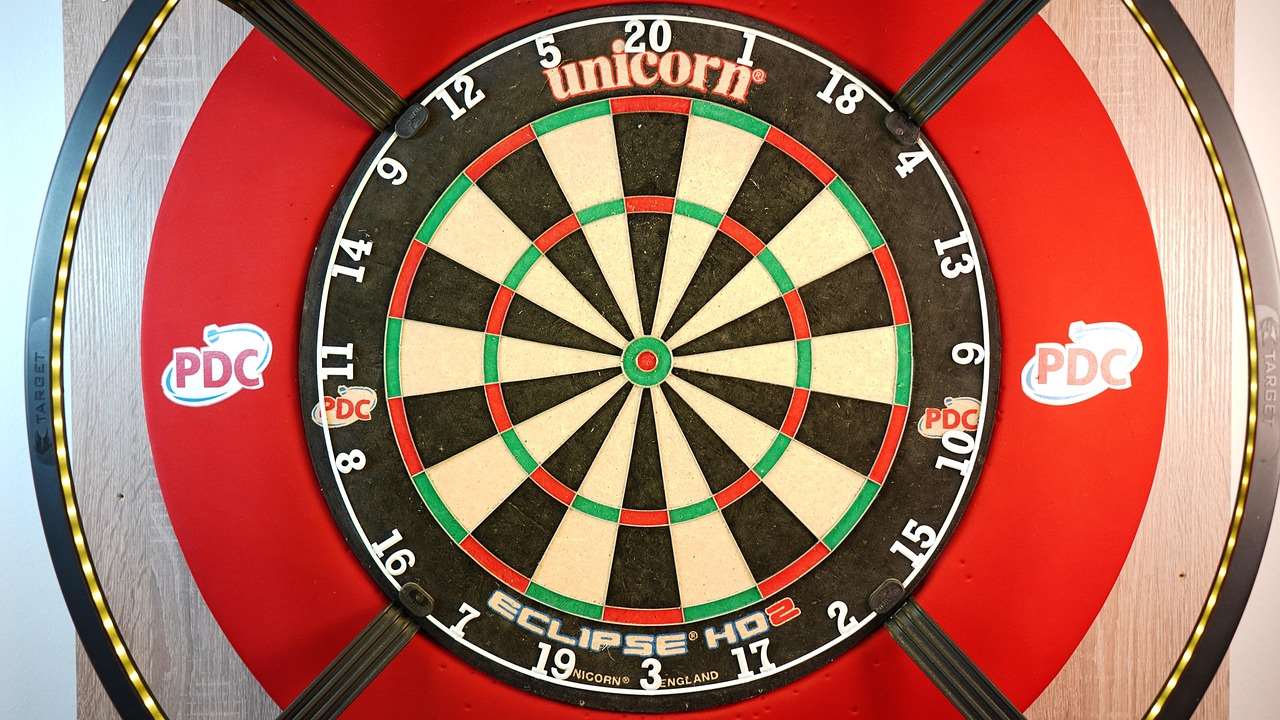
Proper maintenance not only prolongs the life of the equipment but also reinforces the importance of responsibility and care.
Conclusion
Supervising children playing darts can be a rewarding experience, providing them with a fun and challenging activity while fostering valuable skills. By prioritizing safety, providing proper instruction, and creating a supportive environment, you can ensure that children enjoy playing darts safely and responsibly. Remember to adapt the rules, emphasize positive reinforcement, and address any concerns or misconceptions. Encourage a love for the game and promote personal growth. Take the tips and tricks discussed here and create a fun environment while keeping safety a priority!

Hi, I’m Dieter, and I created Dartcounter (Dartcounterapp.com). My motivation wasn’t being a darts expert – quite the opposite! When I first started playing, I loved the game but found keeping accurate scores and tracking stats difficult and distracting.
I figured I couldn’t be the only one struggling with this. So, I decided to build a solution: an easy-to-use application that everyone, no matter their experience level, could use to manage scoring effortlessly.
My goal for Dartcounter was simple: let the app handle the numbers – the scoring, the averages, the stats, even checkout suggestions – so players could focus purely on their throw and enjoying the game. It began as a way to solve my own beginner’s problem, and I’m thrilled it has grown into a helpful tool for the wider darts community.