Subtracting scores in a darts match is fundamental to most popular dart games, especially 501 and its variations, where players race to reduce their starting score to zero. This article delves into the intricacies of scorekeeping, covering techniques for accurate calculation, strategies for “checkout” finishes, and common pitfalls to avoid while subtracting scores darts match.
⚠️ Still Using Pen & Paper (or a Chalkboard)?! ⚠️
Step into the future! The Dart Counter App handles all the scoring, suggests checkouts, and tracks your stats automatically. It's easier than you think!
Try the Smart Dart Counter App FREE!Ready for an upgrade? Click above!
Understanding the Basics of Subtracting Scores in Darts
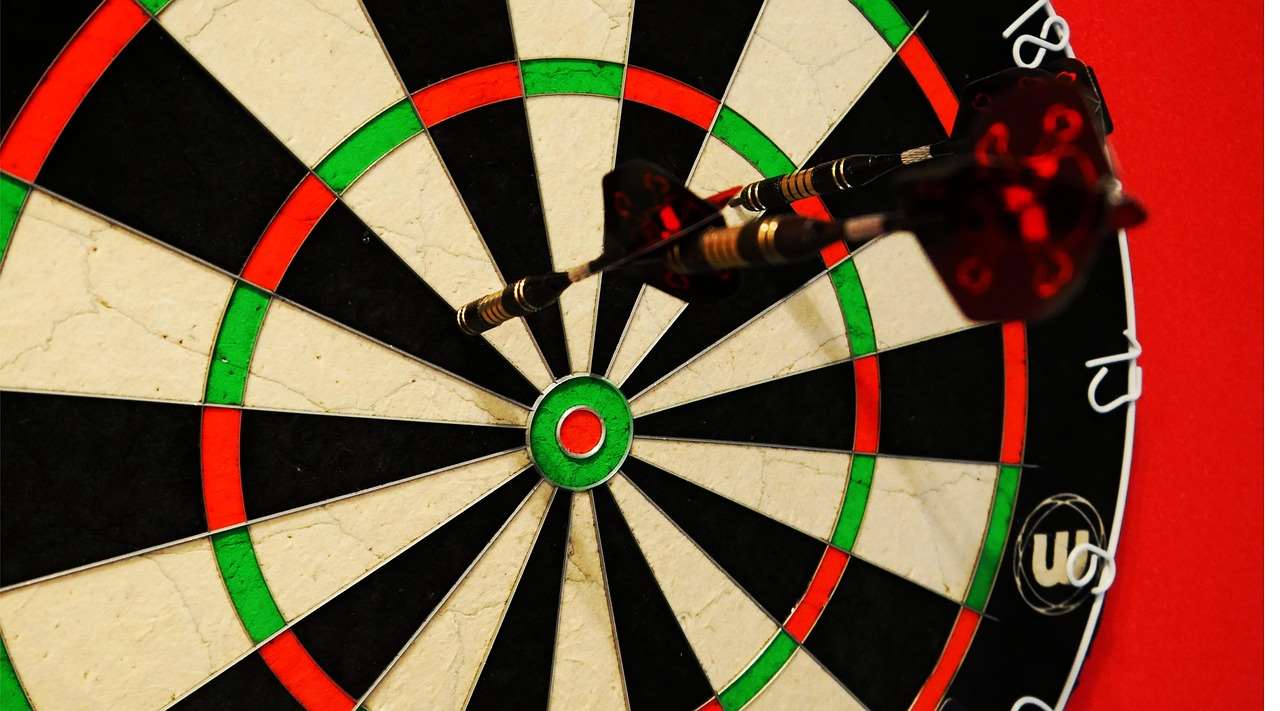
At its core, darts scoring relies on simple subtraction. Each dart thrown that lands within the scoring area of the dartboard contributes to reducing the player’s remaining score. The objective is to be the first player to reach zero, typically by landing a double (a dart in the double ring) to “check out”. Accuracy in subtracting scores darts match is paramount for fair play and strategic advantage.
How Standard Darts Scoring Works
- Each dartboard section is numbered 1 through 20.
- Darts landing in a numbered section score that number of points.
- The double ring doubles the value of the section it surrounds.
- The treble ring triples the value of the section it surrounds.
- The bullseye is worth 50 points.
- The outer bull, or single bull, is worth 25 points.
To determine a player’s score for a round (typically three darts), add up the individual scores of each dart. Then, subtract scores darts match by deducting this total from the player’s current remaining score.
Techniques for Accurate Scorekeeping
While the math itself is straightforward, keeping accurate track of scores, especially under pressure, requires some method. Here are some techniques to ensure accuracy when subtracting scores darts match:
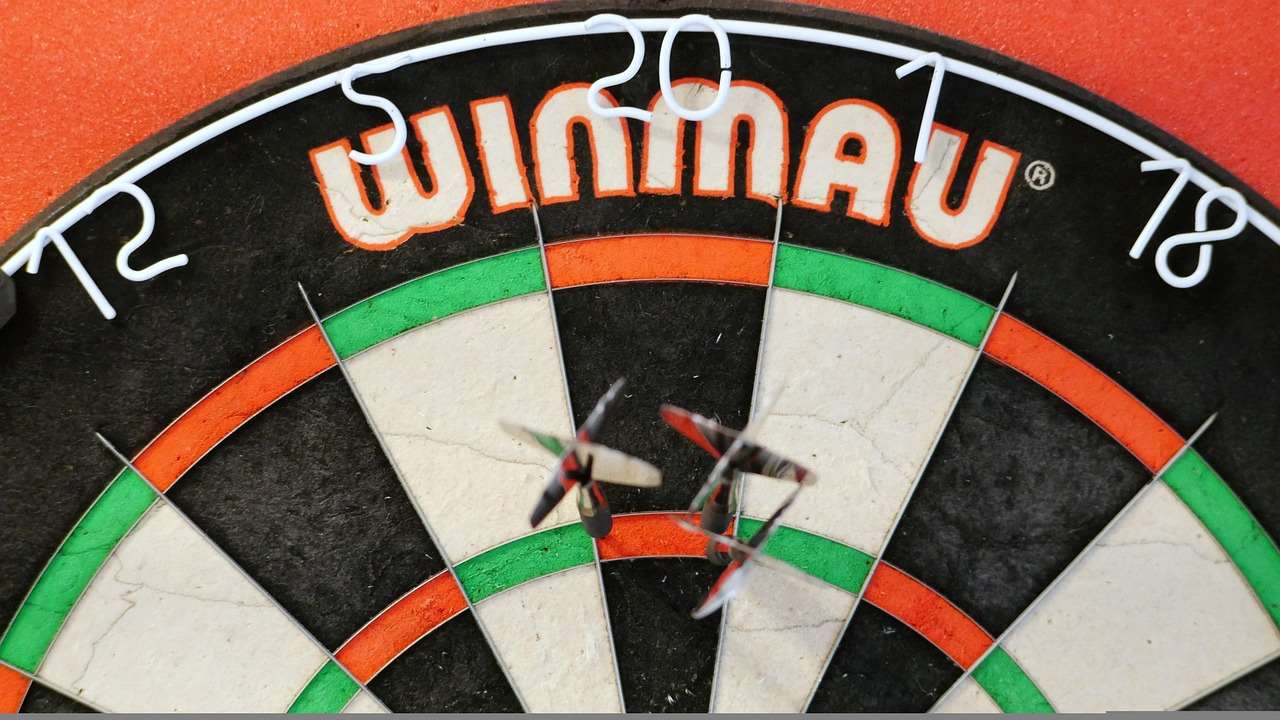
- Use a Scoreboard: A physical or digital scoreboard is essential. Record each player’s score clearly after each throw. This allows easy reference and error checking.
- Announce Each Throw: Encourage players to announce the score of each dart as they throw it. This verbal confirmation can catch errors immediately.
- Mental Math Practice: Sharpen your mental arithmetic skills. Practice simple subtractions regularly to improve your speed and accuracy. Apps and online resources can help with this.
- Check Your Work: Before starting a new round, double-check that the previous round’s subtraction was correct. Small errors can compound quickly.
- Designated Scorekeeper: In more competitive games, assign one person to be the official scorekeeper. This individual focuses solely on accurate score recording, minimizing distractions.
Strategic Considerations When Subtracting Scores in Darts
Subtracting scores darts match isn’t just about arithmetic; it’s also about strategy. Understanding how different scoring combinations impact your remaining score can significantly improve your chances of winning. This includes strategic plays based on calculating the easiest way to “check out” or finish the game.
The Importance of Checkout Numbers
The last few throws of a game are crucial. Knowing your “checkout numbers” – the scores you need to leave to finish the game with a double – is essential for strategic play. For example, if you need 40 to win, you want to leave yourself with double 20.
Common Checkout Combinations
- 40 (Double 20): One of the most common and easiest checkouts.
- 32 (Double 16): Another frequently aimed-for double.
- 16 (Double 8): Often used when a player is close to finishing.
- A Bullseye Finish: While exciting, aiming for the bullseye for the final shot requires precision. Players need 50 on the board for the final dart.
- Avoiding Busts: Be mindful of the rules. Going below zero or ending on a single or treble results in a “bust,” and the player’s score reverts to what it was at the start of that round. Avoiding these situations is crucial.
Calculating Checkout Strategies and Leaving a Number
Effective checkout strategy involves not only knowing the checkout numbers but also planning ahead to leave yourself with a favorable number. This often means deliberately aiming for a specific score in the round *before* your final checkout attempt.
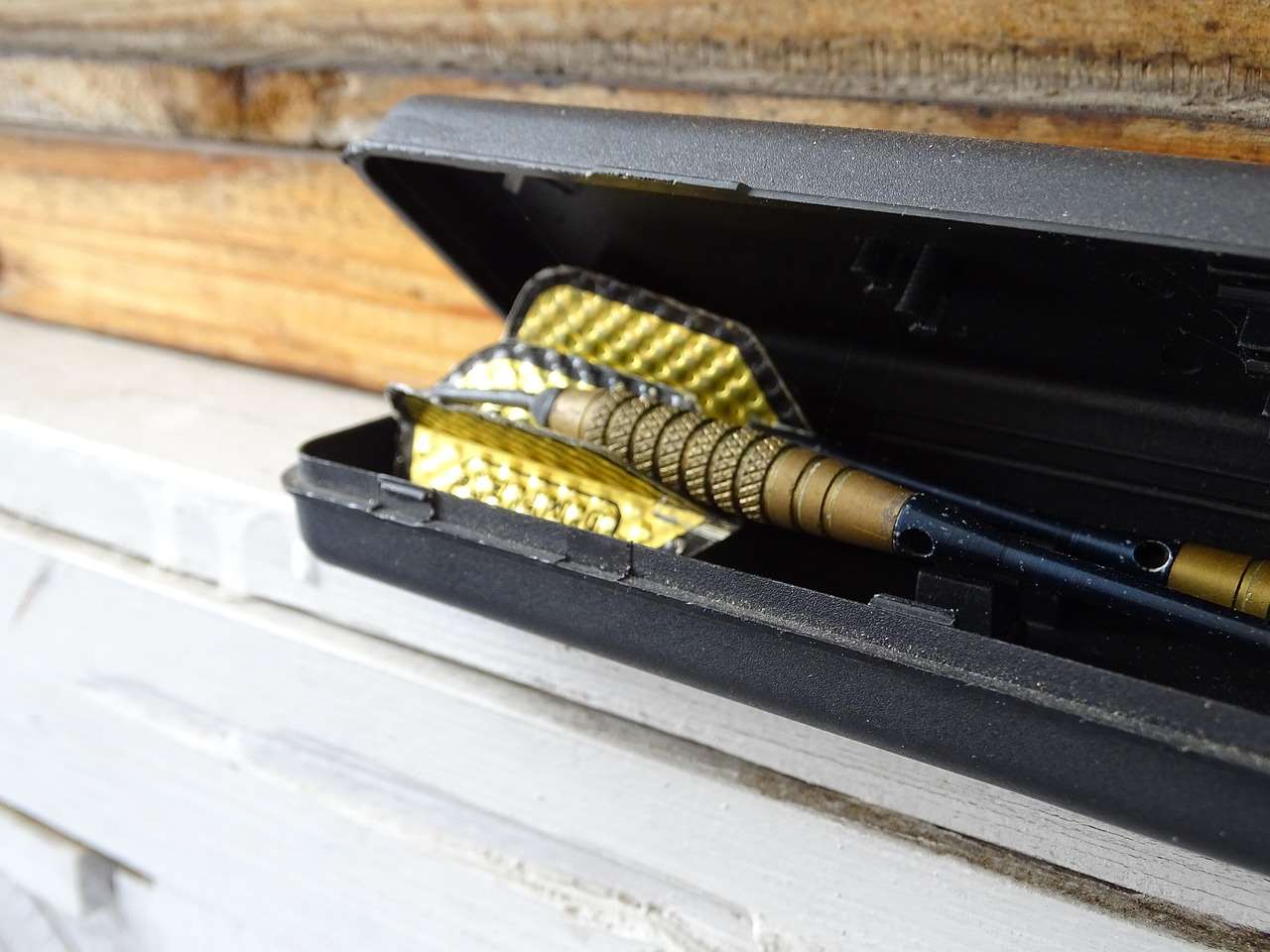
For example, if you need 101 to win, a common strategy is to aim for a treble 17 (51), leaving you with 50 (bullseye checkout). Alternatively, hitting a single 17 (17) and a treble 14 (42) is an option as it leaves you with 42. The dart player then hopes for a double 21 which of course does not exist.
Leaving an Odd Number
A key principle is that you cannot check out directly from an odd number. You must always reduce the odd number to an even number, leaving you an opportunity for a double checkout.
Consider the case where you have 41 left. You would aim for single 1, leaving you with 40 to checkout with double 20.
In some cases, players will also have to be strategic about leaving a lower number on the board, if they are not comfortable hitting their numbers. Sometimes having 32 left (double 16) is preferable to 40 (double 20).
Common Mistakes to Avoid When Subtracting Scores in Darts
Even experienced dart players can make mistakes in scorekeeping. Being aware of these common pitfalls can help you avoid them.
- Misreading the Dartboard: Confusing numbers that are close together, like 19 and 3, is a common error. Always double-check the location of your darts.
- Incorrectly Adding Scores: Errors in addition can lead to incorrect subtractions. Take your time and verify your calculations.
- Forgetting About Busts: Failing to remember the “bust” rule can lead to wasted throws and lost opportunities. Always be aware of your remaining score and the potential for going below zero.
- Pressure-Induced Errors: Nerves can lead to mistakes in both throwing and scorekeeping. Take a deep breath and focus on accuracy.
Strategies for Handling Scoring Disputes
Disagreements about scores can arise, especially in casual games. Here’s how to handle them fairly and efficiently:
- Review the Darts: Carefully examine the position of the darts on the board. If there’s any doubt, consult multiple players for their opinion.
- Refer to the Scoreboard: The scoreboard should be the primary source of truth. Reconstruct the scoring from previous rounds if necessary.
- Use Video Replay: If available, video replay can provide definitive evidence of where the darts landed.
- Compromise: If a definitive resolution is impossible, consider a compromise that is fair to both parties.
- Accept the Outcome: Ultimately, it’s just a game. Maintain a good attitude and avoid letting scoring disputes ruin the fun.
For those looking to refine their game strategies and understand the nuances of different game types, exploring resources on Fun dart game variations with modified rules can add a layer of enjoyment and skill to your dart playing experience. Understanding these variations will allow you to better utilize the tactics surrounding subtracting scores darts match.
Advanced Scorekeeping Techniques
For serious players, advanced scorekeeping techniques can provide a competitive edge. These techniques involve more detailed analysis and tracking of performance.
Tracking Averages
Calculating your average score per dart and per round can provide valuable insights into your consistency and overall performance. This data can help you identify areas for improvement.
Analyzing Checkout Percentages
Tracking your checkout percentage – the percentage of times you successfully checkout when you have a checkout opportunity – is a key indicator of your finishing ability. This metric can help you focus your practice on specific checkout combinations.
Using Statistical Software
Specialized software can automate the process of tracking and analyzing your dart game data. These tools can provide detailed reports on your performance, identify trends, and suggest strategies for improvement.
Digital Tools and Apps for Scorekeeping
Several digital tools and apps are available to simplify and enhance scorekeeping. These tools can automate calculations, track statistics, and provide real-time feedback.
Features of Darts Scorekeeping Apps
- Automatic Score Calculation: Apps automatically calculate scores and update the scoreboard.
- Checkout Suggestions: Some apps suggest optimal checkout strategies based on your remaining score.
- Statistics Tracking: Apps track various statistics, such as averages, checkout percentages, and high scores.
- Multiplayer Support: Many apps support multiple players, making it easy to track scores in group games.
- Customization Options: Some apps allow you to customize the rules and scoring of different dart games.
Remember that mastering the basics, like those covered in Basic Darts Fundamentals for Beginners, is crucial before diving into more complex scoring strategies and digital tools. Building a strong foundation will enhance your overall enjoyment and proficiency in the game.
Adapting Scorekeeping for Different Dart Games
While 501 is the most popular dart game, many other variations exist, each with its own unique scoring rules and strategies. Understanding these differences is essential for playing a variety of games and preventing errors when subtracting scores darts match.
Variations in Starting Scores
Different games may use different starting scores. For example, some games start at 301 or even higher. Be sure to confirm the starting score before beginning a game. Also, consider adapting darts rules for beginners if you are teaching new players to better manage the game rules.
Different Checkout Rules
Some games may have different checkout requirements. For example, some games may not require a double to finish. It’s important to know these distinctions, to ensure accurate play and to avoid mistakes when subtracting scores darts match.

Unique Scoring Systems
Some dart games have unique scoring systems that deviate from the standard point values. For example, certain segments may be worth double or triple their face value, or a special section may be worth a fixed number of points, so be sure to note that if these are in play!
Conclusion
Subtracting scores in a darts match is more than just simple arithmetic; it’s a critical skill that combines accuracy, strategy, and mental fortitude. By mastering the techniques outlined in this article, you can improve your scorekeeping accuracy, develop effective checkout strategies, and avoid common pitfalls. Whether you’re a casual player or a serious competitor, mastering subtracting scores darts match will undoubtedly enhance your darts experience. To take your game to the next level, consider exploring additional resources and practicing regularly. So, pick up those darts, start subtracting scores darts match, and enjoy the game!

Hi, I’m Dieter, and I created Dartcounter (Dartcounterapp.com). My motivation wasn’t being a darts expert – quite the opposite! When I first started playing, I loved the game but found keeping accurate scores and tracking stats difficult and distracting.
I figured I couldn’t be the only one struggling with this. So, I decided to build a solution: an easy-to-use application that everyone, no matter their experience level, could use to manage scoring effortlessly.
My goal for Dartcounter was simple: let the app handle the numbers – the scoring, the averages, the stats, even checkout suggestions – so players could focus purely on their throw and enjoying the game. It began as a way to solve my own beginner’s problem, and I’m thrilled it has grown into a helpful tool for the wider darts community.