Unleash engaging narratives by creatively manipulating dart game rules to reflect plot twists, character development, or escalating conflicts. This article dives into the art of Storytelling through darts game rules, showing you how to design custom game variations that breathe life into your stories and enhance gameplay. We’ll explore how to adapt scoring, target areas, and game objectives to mirror narrative elements, turning a simple game of darts into an immersive storytelling experience.
⚠️ Still Using Pen & Paper (or a Chalkboard)?! ⚠️
Step into the future! The Dart Counter App handles all the scoring, suggests checkouts, and tracks your stats automatically. It's easier than you think!
Try the Smart Dart Counter App FREE!Ready for an upgrade? Click above!
Crafting Narratives: Storytelling through darts game rules
The beauty of darts lies not just in its precision and skill, but also in its inherent adaptability. By consciously altering the traditional rules, you can weave compelling stories that unfold with each throw. Darts game storytelling can be a powerful tool for gamification, education, or simply adding a unique layer of fun to social gatherings. The possibilities are endless when you start thinking of the dartboard as a canvas for your narrative.
Let’s explore some key elements to consider when crafting narratives using dart game rules:
- Scoring System: Deviate from standard scoring to represent character progression or the accumulation of resources in your story.
- Target Areas: Assign different target areas on the board to represent specific locations, characters, or obstacles within the narrative.
- Game Objectives: Adjust the ultimate goal of the game to mirror the overarching objective of your story.
- Special Rules: Introduce unique rules or penalties that reflect plot twists, challenges, or the consequences of certain actions within the narrative.

Defining Your Narrative Framework
Before diving into the specifics of dart game rule modification, it’s essential to establish a clear narrative framework. What story do you want to tell? Who are the main characters? What are the key events or conflicts that drive the plot forward? Answering these questions will provide a solid foundation for designing your custom game rules.
Consider these narrative elements:
- Theme: What is the central message or idea you want to convey?
- Characters: Who are the key players, and what are their motivations and goals?
- Plot: What is the sequence of events that make up the story?
- Setting: Where and when does the story take place?
- Conflict: What challenges or obstacles do the characters face?
Once you have a clear understanding of these narrative elements, you can begin to translate them into specific dart game rules.
Adapting Scoring for Character Development
One of the most effective ways to integrate storytelling through darts game rules is by modifying the scoring system to reflect character development or resource accumulation. Instead of simply aiming for the highest score, players can earn points by completing specific tasks or achieving certain milestones that align with their character’s journey.
For example:
- Character Progression: Each target area could represent a different skill or attribute that the character needs to develop. Successfully hitting that area earns them points towards improving that skill.
- Resource Gathering: Different sections of the board could represent different resources needed to complete a quest or overcome a challenge. Players earn points by collecting these resources.
- Relationship Building: Hitting specific doubles or triples could represent positive interactions with other characters, earning bonus points or unlocking special abilities.
Consider a game where players embody different adventurers on a quest. Hitting the bullseye might represent finding a powerful artifact, granting a significant score boost. Scoring a triple 20 could symbolize a successful combat encounter, awarding points based on the difficulty of the enemy defeated. Missing the board altogether might represent a setback or misfortune, resulting in a point deduction. Remember to explore Darts Variants Fun Games for additional inspiration.

Assigning Meaning to Target Areas
Beyond scoring, the physical layout of the dartboard can be used to represent locations, characters, or obstacles within your story. By assigning specific meanings to different target areas, you can create a more immersive and engaging gameplay experience.
Here are some ideas for using target areas to enhance Storytelling through darts game rules:
- Location Mapping: Each section of the board could represent a different location within the story world, such as a forest, a city, or a dungeon. Players must hit specific areas to progress through the story.
- Character Representation: Different doubles or triples could represent different characters within the narrative. Hitting a specific character earns points based on their importance or influence within the story.
- Obstacle Course: The board can be divided into sections representing different challenges or obstacles that players must overcome. Successfully hitting these areas allows them to advance to the next stage.
Imagine a game where the dartboard represents a haunted mansion. The bullseye might be the master bedroom, where the final confrontation takes place. The treble ring could represent the attic, filled with dusty secrets. The double ring might be the basement, where hidden dangers lurk. Players must navigate these areas strategically to uncover clues and ultimately defeat the evil lurking within the mansion. You can also consider how to Adjusting dart game rules can also help fit your story.
Modifying Game Objectives to Reflect the Plot
The ultimate goal of the dart game should directly reflect the overarching objective of your story. Instead of simply being the first to reach zero or accumulate a certain number of points, players should strive to achieve a specific narrative goal that aligns with the plot.
Consider these examples of how to modify game objectives for darts storytelling:
- Quest Completion: Players must hit specific target areas in a specific sequence to complete a quest or mission.
- Rescue Mission: Players must accumulate a certain number of points by hitting target areas representing hostages or allies that need to be rescued.
- Boss Battle: The final stage of the game could involve a “boss battle” where players must defeat a challenging opponent by hitting specific doubles or triples.
For example, a game could be designed around rescuing a princess from a dragon’s lair. Players must first hit the areas representing the forest, then the mountains, and finally the dragon’s lair (the bullseye). Successfully navigating these areas earns points, and reaching a predetermined score allows them to confront the dragon. Hitting specific doubles or triples on the board could represent landing successful blows against the dragon, ultimately leading to its defeat and the rescue of the princess. Make sure you are Making darts games fair players to make sure the story is fun for everyone involved.

Introducing Special Rules and Plot Twists
To further enhance the narrative experience, consider introducing special rules or plot twists that reflect unexpected events or challenges within the story. These rules can add an element of surprise and keep players engaged.
Here are some examples of special rules that can be incorporated into Storytelling through darts game rules:
- Sudden Events: Landing in a specific segment could trigger a sudden event, such as a monster attack or a natural disaster, which impacts the game’s scoring or target areas.
- Character Abilities: Each player could have unique abilities tied to specific sections of the board, providing them with advantages or disadvantages based on their character’s strengths and weaknesses.
- Hidden Clues: Certain doubles or triples could reveal hidden clues or information that advances the plot.
For instance, a game centered around a mystery could incorporate a “detective” rule where hitting a specific triple reveals a crucial piece of evidence, granting bonus points and unlocking new target areas. Conversely, hitting a certain double might represent a red herring, causing a temporary setback or point deduction. You can also Handicap system fun dart games to keep the game close.
Examples of Darts Game Narratives
Let’s explore some more concrete examples of how you can implement Storytelling through darts game rules:
- Pirate Treasure Hunt: The dartboard represents an island. Players are pirates searching for buried treasure. Hitting specific sections reveals clues, while others represent booby traps. The bullseye is the location of the treasure, awarding a significant point bonus.
- Space Exploration: The board is a star chart. Players are space explorers discovering new planets. Hitting different sections represents different planets, each with its own resources and challenges. The goal is to explore all the planets and accumulate the most resources.
- Zombie Apocalypse: Players are survivors fighting off hordes of zombies. Each section of the board represents a different location in the city. Hitting the bullseye represents finding a safe haven. The goal is to survive as long as possible while avoiding zombie attacks (represented by point deductions).
Enhancing Immersion: Atmosphere and Props
While the rules themselves are crucial, you can further enhance the storytelling experience by incorporating thematic elements such as costumes, props, and music. Consider creating a specific atmosphere that complements the narrative.
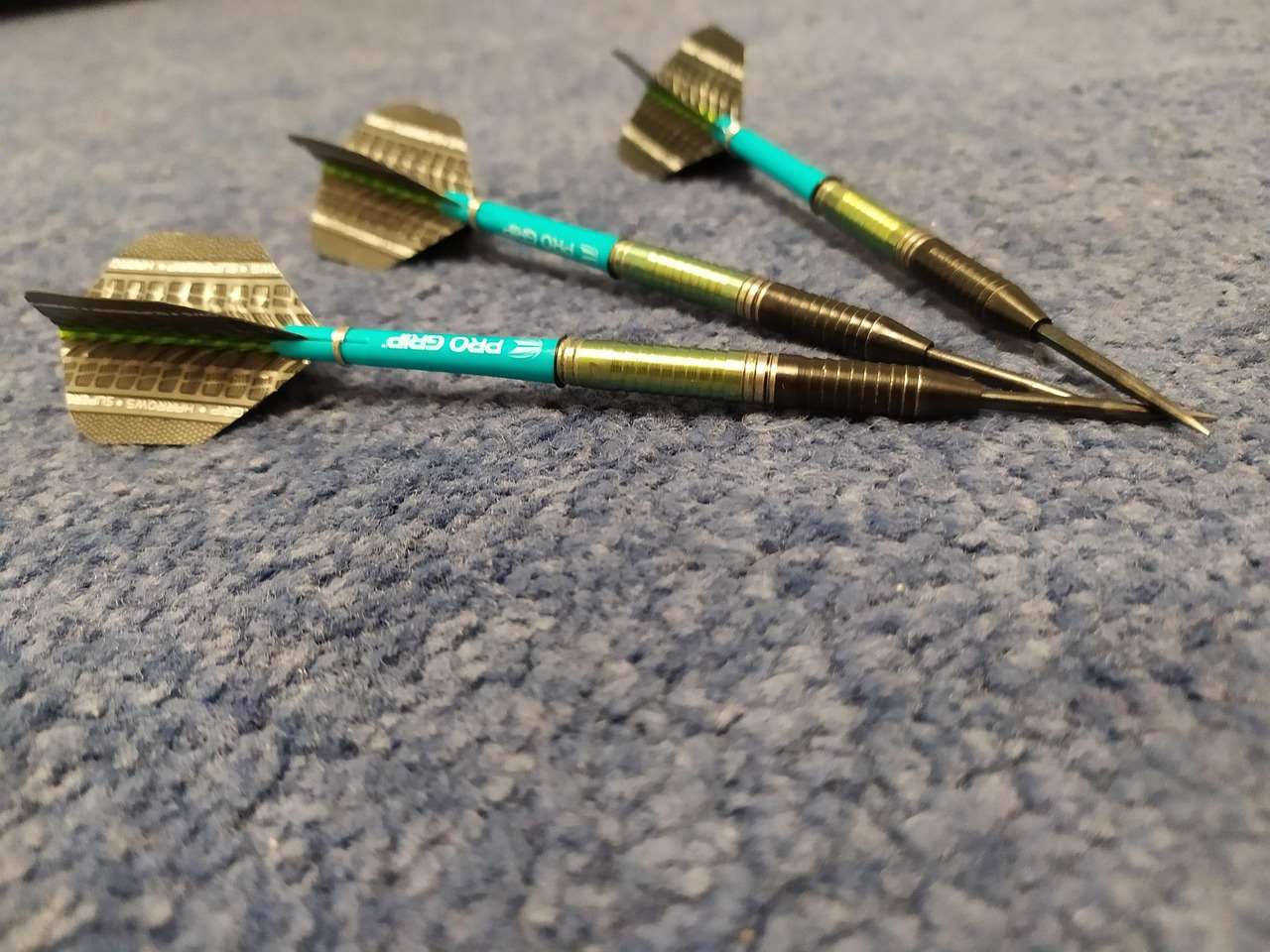
For example:
- Pirate Treasure Hunt: Players could dress up as pirates and use themed dart flights. The game could be played in a room decorated with pirate flags and treasure chests.
- Space Exploration: Players could wear futuristic clothing and use dart flights designed to look like spaceships. The game could be played in a darkened room with projections of stars and planets.
- Zombie Apocalypse: Players could dress up as zombie survivors and use dart flights designed to look like weapons. The game could be played in a room decorated with caution tape and fake blood.
Tips for Designing Effective Storytelling Darts Games
Creating a truly engaging storytelling through darts game rules experience requires careful planning and attention to detail. Here are some tips to keep in mind:
- Keep it Simple: Don’t overcomplicate the rules. The goal is to tell a story, not create a complex mathematical puzzle.
- Balance Challenge and Reward: Ensure that the game is challenging enough to be engaging but not so difficult that it becomes frustrating.
- Playtest and Iterate: Test your game with different groups of players and gather feedback. Use this feedback to refine the rules and improve the overall experience.
- Embrace Creativity: Don’t be afraid to experiment with different ideas and push the boundaries of what’s possible with dart game rules.
Adapting Difficulty and Beginner vs pro dart game rules
It’s crucial to consider the skill level of the players when designing your storytelling through darts game rules. A game that’s too easy will be boring, while a game that’s too difficult will be frustrating. You can easily consider Darts games different skill levels to match the story.
Here are some ways to adjust the difficulty:
- Adjusting Scoring: Modify the scoring system to make it easier or harder to accumulate points.
- Modifying Target Areas: Make the target areas larger or smaller to increase or decrease the accuracy required.
- Introducing Handicaps: Give less-skilled players a handicap to level the playing field.
Creating separate rules for beginners and advanced players can ensure that everyone has a fun and engaging experience. Think carefully about Scaling dart game difficulty to optimize the game.

Conclusion: Unleash Your Inner Storyteller
Storytelling through darts game rules offers a unique and engaging way to blend the thrill of competition with the art of narrative. By creatively adapting scoring, target areas, game objectives, and special rules, you can transform a simple game of darts into an immersive storytelling experience. So, grab your darts, unleash your imagination, and start crafting your own captivating dart game narratives!
Ready to start designing your own storytelling darts game? Experiment with the ideas presented in this article, gather your friends, and see what incredible stories you can create together. Share your custom game rules and experiences in the comments below!

Hi, I’m Dieter, and I created Dartcounter (Dartcounterapp.com). My motivation wasn’t being a darts expert – quite the opposite! When I first started playing, I loved the game but found keeping accurate scores and tracking stats difficult and distracting.
I figured I couldn’t be the only one struggling with this. So, I decided to build a solution: an easy-to-use application that everyone, no matter their experience level, could use to manage scoring effortlessly.
My goal for Dartcounter was simple: let the app handle the numbers – the scoring, the averages, the stats, even checkout suggestions – so players could focus purely on their throw and enjoying the game. It began as a way to solve my own beginner’s problem, and I’m thrilled it has grown into a helpful tool for the wider darts community.