Playing darts is a fun and engaging activity, but understanding **steel tip darts safety concerns** is paramount to preventing accidents and ensuring a safe playing environment for everyone involved. This article will delve into the potential hazards associated with steel tip darts and provide comprehensive guidelines for safe dartboard setup, throwing techniques, and general safety practices. We’ll explore everything from choosing the right equipment to implementing preventative measures that mitigate risk and promote responsible dart playing.
⚠️ Still Using Pen & Paper (or a Chalkboard)?! ⚠️
Step into the future! The Dart Counter App handles all the scoring, suggests checkouts, and tracks your stats automatically. It's easier than you think!
Try the Smart Dart Counter App FREE!Ready for an upgrade? Click above!
Understanding the Potential Dangers: Steel Tip Darts Safety Concerns
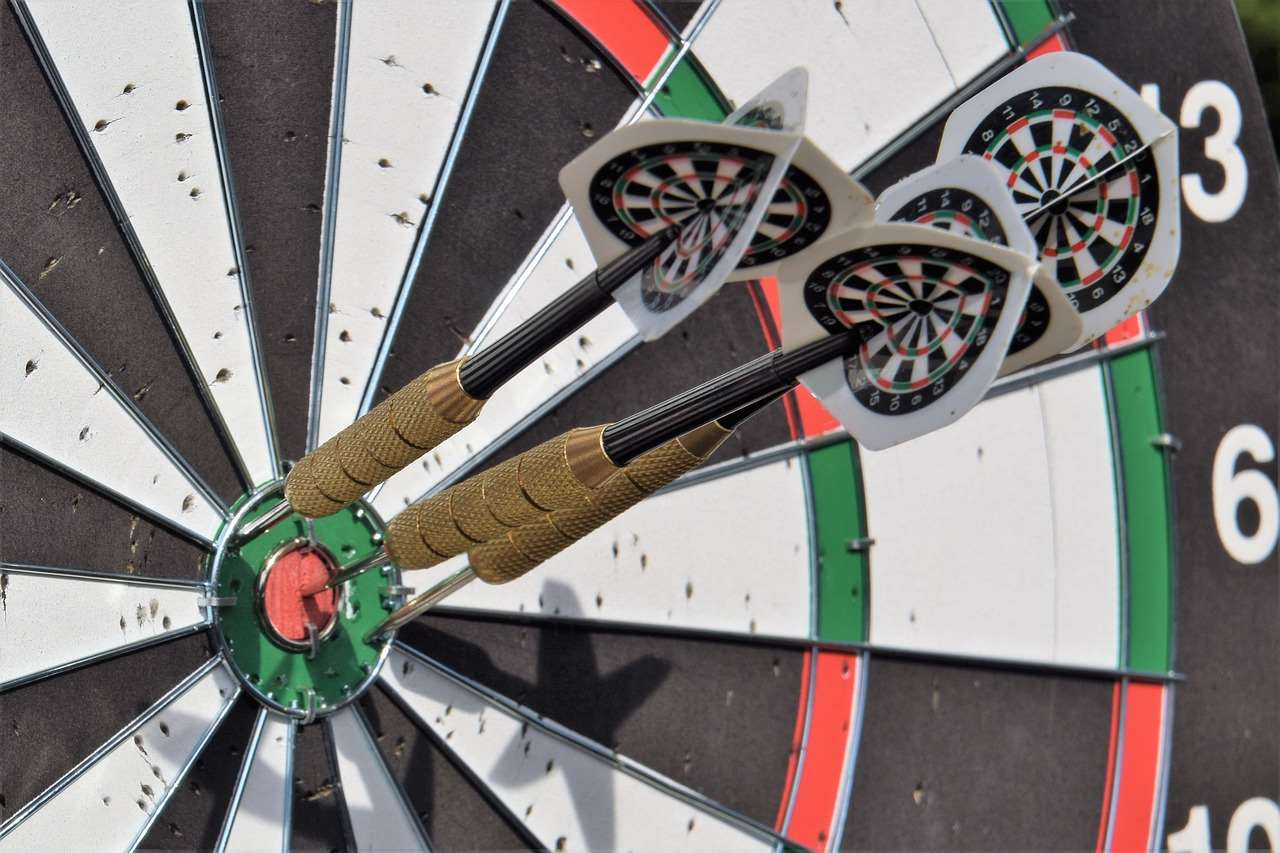
While darts is often perceived as a harmless pub game, steel tip darts can pose significant risks if not handled responsibly. The sharp tips are designed to penetrate the dartboard, and accidental throws or rebounds can lead to serious injuries. Therefore, it’s crucial to be aware of the potential dangers and take necessary precautions.
Here are some of the primary steel tip darts safety concerns:
- Eye Injuries: A direct hit to the eye is one of the most severe risks, potentially causing permanent vision damage.
- Puncture Wounds: Steel tips can easily puncture skin, leading to pain, bleeding, and the risk of infection. These wounds can occur on any part of the body, but hands and legs are particularly vulnerable.
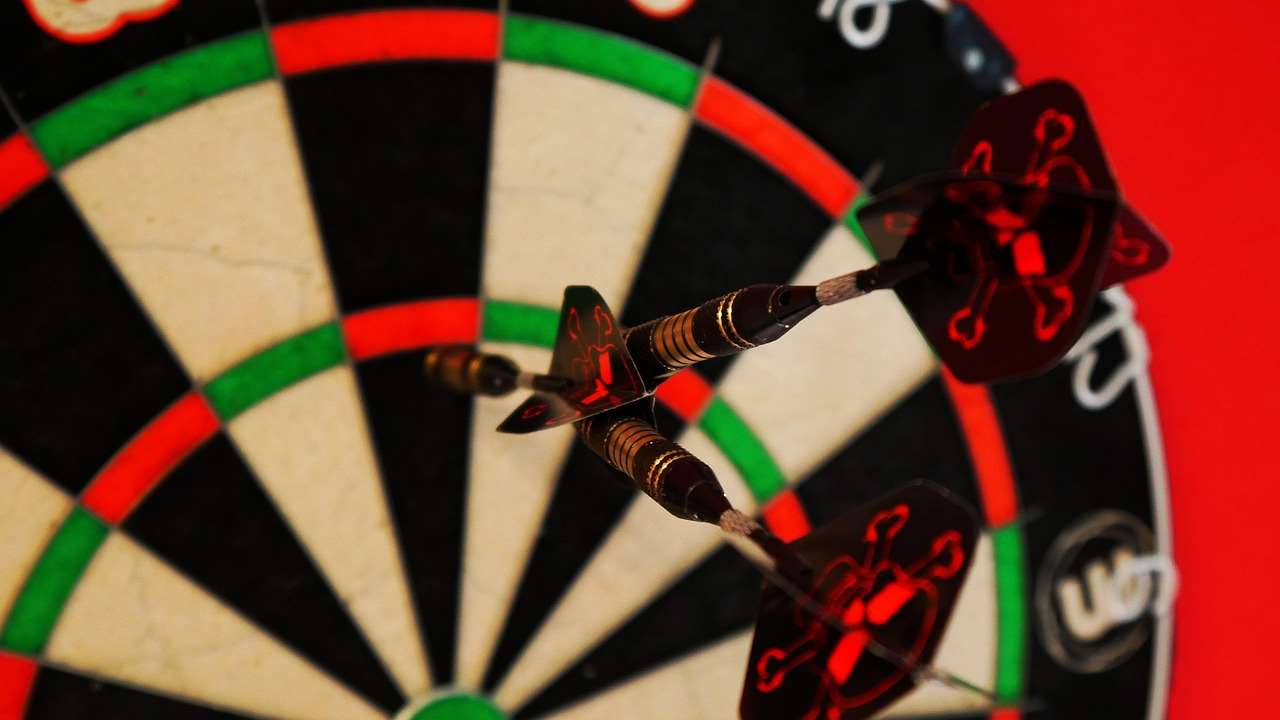
- Injuries from Rebounds: Darts can bounce back off the board, especially if the board is worn or the darts are thrown with excessive force. These rebounds can be unpredictable and dangerous.
- Slips and Falls: Overreaching or moving around the throwing area carelessly can result in slips and falls, potentially leading to injuries.
- Injuries to Bystanders: Lack of awareness of the surroundings can lead to accidental throws hitting bystanders, especially children or pets.
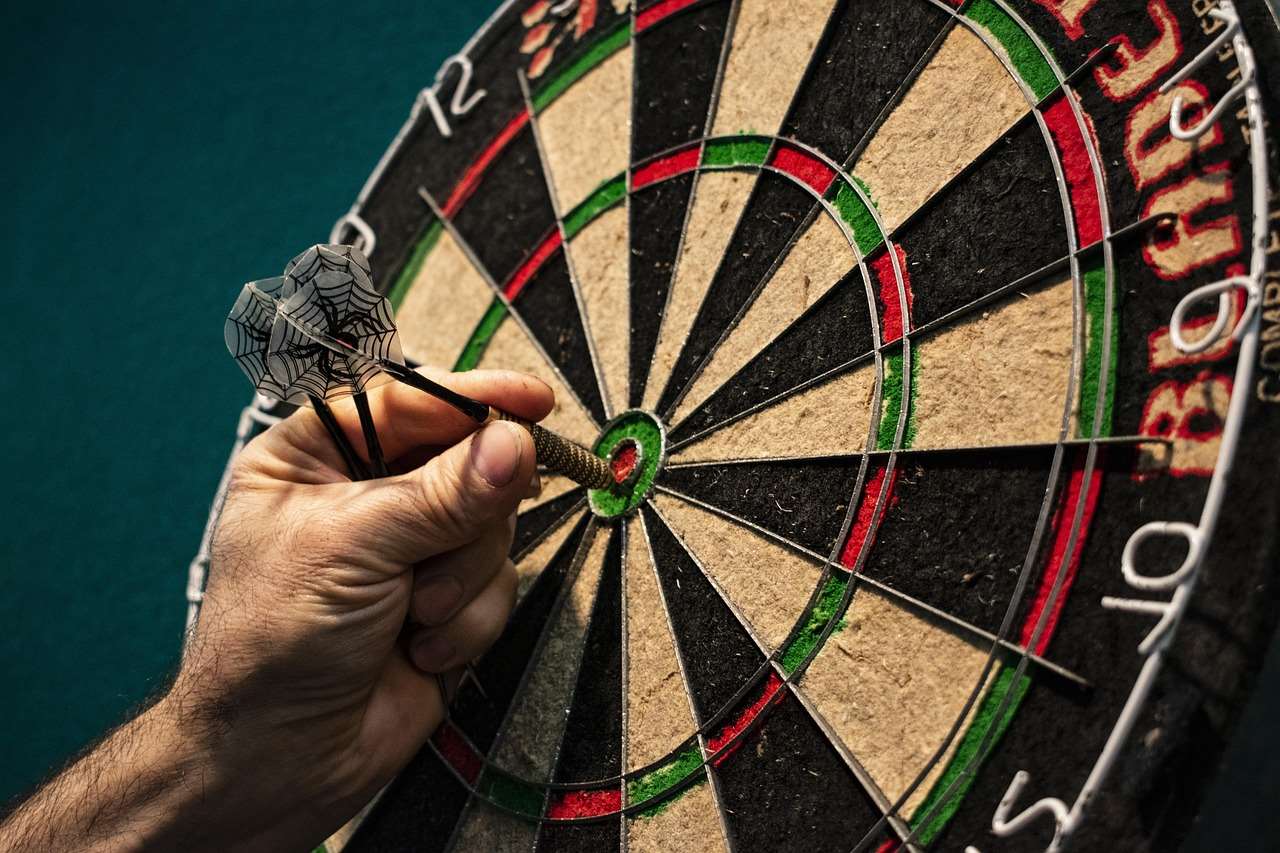
Addressing these steel tip darts safety concerns proactively is crucial to minimizing the risk of accidents and enjoying the game responsibly. We need to implement strict rules of conduct to help minimise the risk.
Safe Dartboard Setup: A Foundation for Safety
The foundation of darts safety begins with proper dartboard setup. A secure and correctly positioned dartboard is essential for preventing accidents and ensuring a safe playing environment. Incorrect placement can increase the risk of rebounds and other hazards.
Choosing the Right Location
Selecting the ideal location for your dartboard is the first step in ensuring darts safety. Consider the following factors:
- Clear Space: The area around the dartboard should be free of obstructions, such as furniture, decorations, or walkways. Ensure there is ample space for players to stand and throw without bumping into anything.
- Adequate Lighting: Good lighting is crucial for visibility and accuracy. Poor lighting can lead to misthrows and increase the risk of accidents. Consider installing a dedicated dartboard light or ensuring the area is well-lit by overhead lights.
- Wall Protection: Protecting the wall behind the dartboard is essential to prevent damage from stray darts. Use a dartboard surround or a backboard made of cork, wood, or other impact-resistant materials.
- Away from High-Traffic Areas: Position the dartboard away from doorways or other high-traffic areas to minimize the risk of accidental collisions.
Proper Mounting Height and Distance
Correct mounting height and distance are critical for fair play and darts safety. The official regulations specify the following:
- Dartboard Height: The center of the bullseye should be 5 feet 8 inches (1.73 meters) from the floor.
- Throwing Distance: The oche (throwing line) should be 7 feet 9.25 inches (2.37 meters) from the face of the dartboard.
Using these measurements ensures that players throw from the correct distance and angle, reducing the likelihood of misthrows and rebounds. You can review Basic Darts Fundamentals for Beginners for more on setup and distance.
Securing the Dartboard
A securely mounted dartboard is essential for preventing it from falling or wobbling during play, which can be a significant safety hazard. Follow these steps to ensure a stable installation:
- Use Appropriate Mounting Hardware: Choose screws, anchors, or mounting brackets that are designed for the weight and type of dartboard you are using.
- Mount to a Stud: If possible, mount the dartboard directly to a wall stud for maximum stability.
- Check for Stability: After mounting, test the dartboard for any wobbling or looseness. If necessary, tighten the screws or adjust the mounting hardware to ensure a secure fit.
Safe Throwing Techniques and Practices
Even with a properly set-up dartboard, adopting safe throwing techniques is crucial for preventing accidents. This involves focusing on accuracy, control, and awareness of your surroundings.
Maintaining Focus and Control
Concentration is key to accurate and safe throwing. Avoid distractions and maintain focus on the target. Control your throwing motion, avoiding jerky or uncontrolled movements that can lead to misthrows. Some basic rules of conduct are useful and you can review these by Adapting darts rules for beginners.
- Establish a Consistent Stance: Use a stable and balanced stance to improve accuracy and control.
- Aim Carefully: Take your time to aim before each throw, visualizing the trajectory of the dart.
- Follow Through: Complete your throwing motion smoothly, following through towards the target.
Avoiding Reckless Throws
Reckless or careless throws are a major cause of darts safety accidents. Avoid throwing darts when you are tired, distracted, or under the influence of alcohol or drugs. Never throw darts in anger or frustration.
Dart Etiquette and Awareness
Dart etiquette plays a crucial role in preventing accidents and promoting a safe playing environment. Be mindful of your surroundings and the other players.
- Wait Your Turn: Only approach the throwing line when it is your turn.
- Stand Back: Keep a safe distance from the throwing line when others are throwing.
- Announce “Darts”: If a dart comes loose, announce “darts” clearly so others are aware and can take cover.
- Never Walk in Front: Never walk in front of a player who is about to throw.
Handling Darts Safely
Proper handling of darts is essential for preventing accidental injuries. Always handle darts with care, avoiding sharp movements or horseplay. Remember **steel tip darts safety concerns** is always in mind.
- Carry Darts Point Down: When carrying darts, always hold them with the points facing down to avoid accidental punctures.
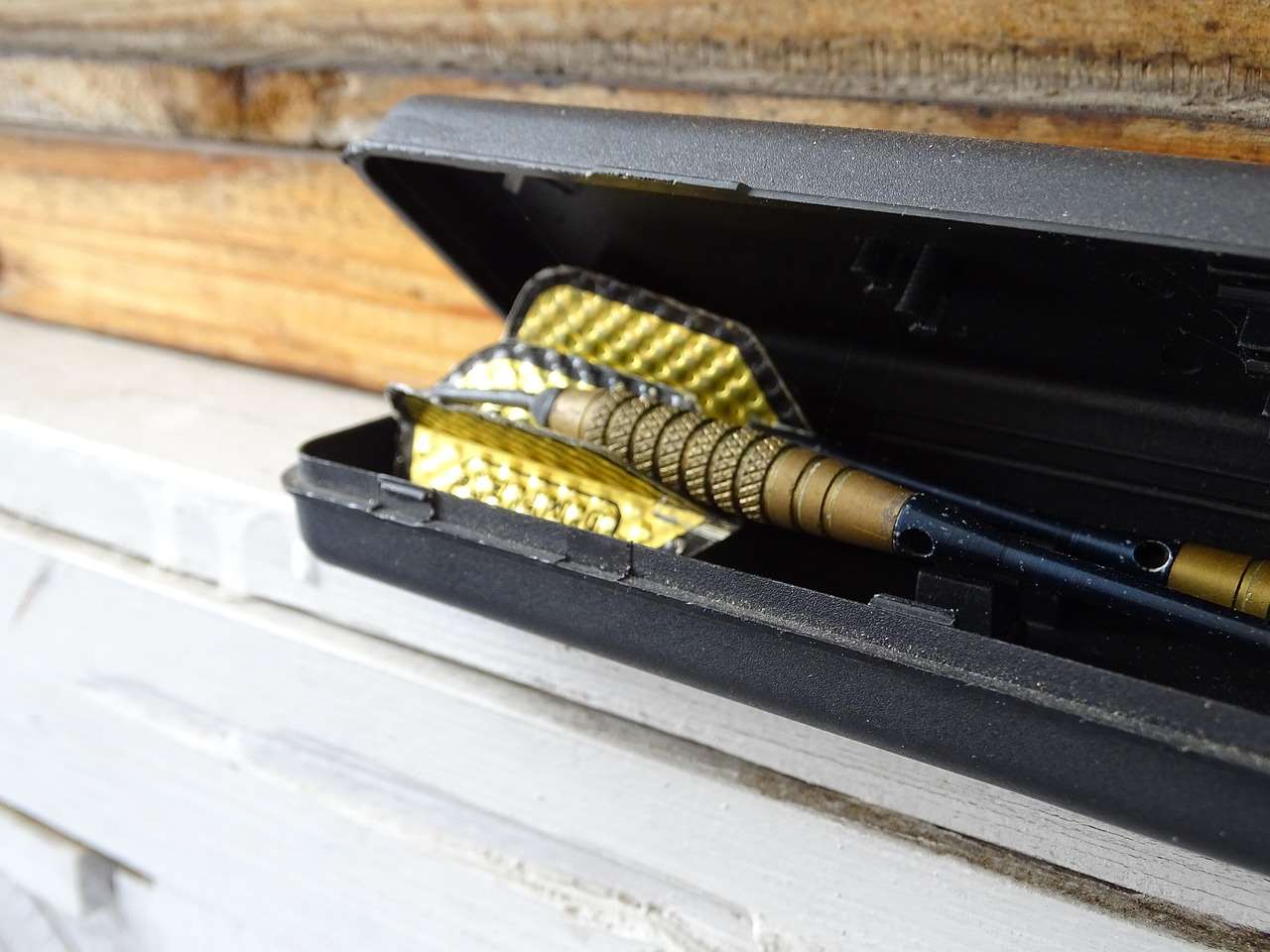
- Store Darts Safely: Store darts in a secure case or container when not in use to prevent them from being accidentally stepped on or handled by children.
- Inspect Darts Regularly: Check darts regularly for any damage, such as bent points or loose flights. Replace damaged darts immediately.
Protective Measures and Equipment
In addition to safe throwing techniques, using protective measures and equipment can further reduce the risk of accidents. Dartboard surrounds, protective flooring, and safety glasses can all contribute to a safer playing environment.
Dartboard Surrounds
A dartboard surround is a padded ring that surrounds the dartboard, providing a protective barrier against stray darts. This can prevent damage to the wall and reduce the risk of rebounds. Surrounds are typically made of foam, rubber, or other impact-resistant materials.
Protective Flooring
Consider using protective flooring, such as a rubber mat or carpet, to cushion falls and protect the floor from damage. This is especially important if you are playing on a hard surface like concrete or tile.
Safety Glasses
While not always necessary, safety glasses can provide an extra layer of protection for your eyes, especially if you are concerned about the risk of accidental hits. This is particularly important for younger players or those with vision problems.
First Aid Kit
Having a well-stocked first aid kit readily available is essential for treating minor injuries, such as puncture wounds or cuts. Include antiseptic wipes, bandages, and pain relievers. In case of a serious injury, seek immediate medical attention.
Supervision and Education: Protecting Vulnerable Individuals
Supervision and education are critical for protecting vulnerable individuals, such as children and inexperienced players, from the risks associated with **steel tip darts**. Emphasize the importance of **darts safety**.
Supervising Children
Children should always be supervised when playing darts. Teach them the rules of the game and the importance of safe throwing techniques. Ensure they understand the potential dangers of steel tip darts and the need to handle them with care.
Educating New Players
New players should receive thorough instruction on safe throwing techniques and dart etiquette. Emphasize the importance of focus, control, and awareness of their surroundings. Start by reviewing the basics.
Setting Clear Rules and Boundaries
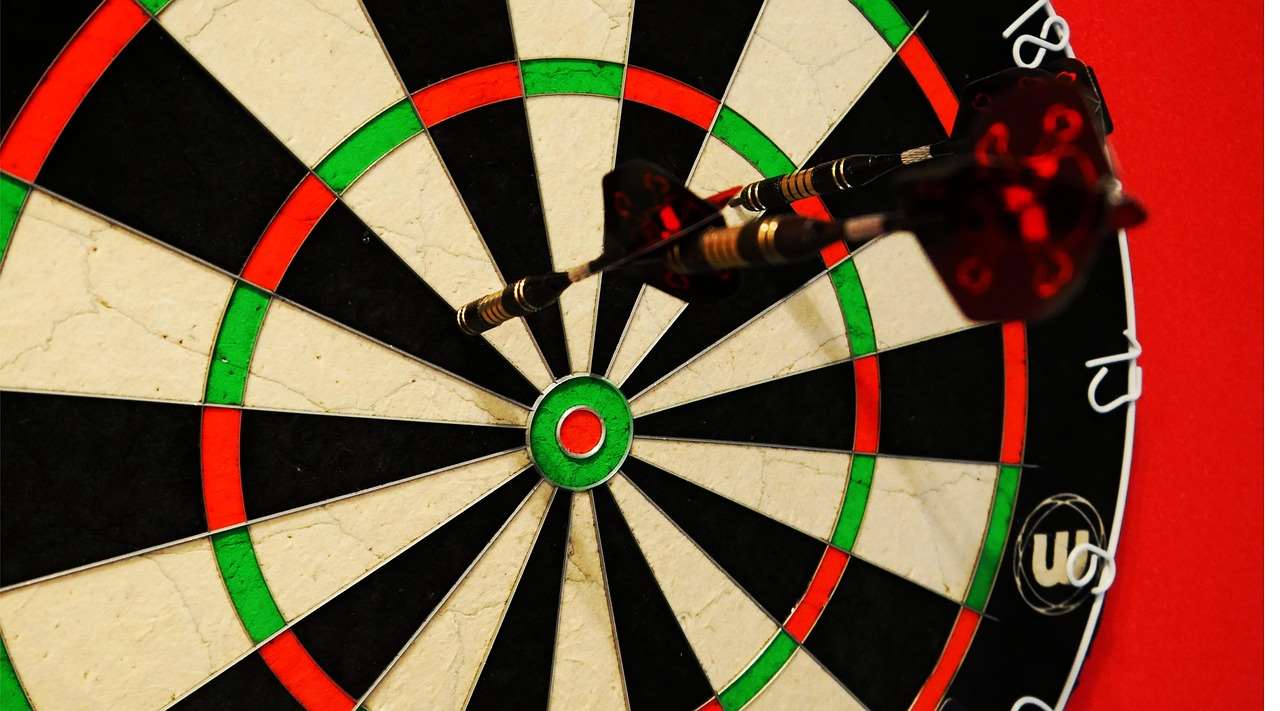
Establish clear rules and boundaries for dart playing, such as designated throwing areas and no-go zones. Enforce these rules consistently to ensure a safe playing environment. Avoid modifying the rules in such a way to create more risk. Consider Modifying rules for mixed-level dart players in a safe way.
Dealing with Injuries: First Aid and Prevention
Even with the best safety precautions, accidents can still happen. Knowing how to deal with injuries and prevent them from recurring is crucial.
Treating Puncture Wounds
If someone sustains a puncture wound from a dart, follow these steps:
- Wash the Wound: Thoroughly wash the wound with soap and water.
- Apply Antiseptic: Apply an antiseptic ointment to prevent infection.
- Cover with a Bandage: Cover the wound with a clean bandage.
- Seek Medical Attention: If the wound is deep or bleeds excessively, seek medical attention.
Preventing Infections
To prevent infections, keep the wound clean and dry. Change the bandage regularly and monitor for any signs of infection, such as redness, swelling, or pus. If you suspect an infection, seek medical attention.
Learning from Accidents
After an accident occurs, take the time to analyze what happened and identify any contributing factors. This can help you prevent similar accidents from happening in the future. Make necessary adjustments to your setup, throwing techniques, or safety practices.
Regular Maintenance and Inspections
Regular maintenance and inspections of your dartboard, darts, and playing area are essential for maintaining a safe playing environment. Check for wear and tear, loose components, and other potential hazards.
Inspecting the Dartboard
Regularly inspect the dartboard for wear and tear, such as loose wires, damaged segments, or a worn-out surface. Replace the dartboard if it is excessively worn or damaged.
Checking the Darts
Inspect your darts regularly for any damage, such as bent points, loose flights, or cracked barrels. Replace damaged darts immediately.
Maintaining the Playing Area
Keep the playing area clean and free of clutter. Remove any obstructions that could pose a tripping hazard. Ensure that the lighting is adequate and that the wall protection is in good condition.
Conclusion: Prioritizing Safety in Dart Playing
Steel tip darts safety concerns are a serious consideration for anyone involved in the sport. By understanding the potential dangers, implementing safe practices, and prioritizing preventative measures, you can significantly reduce the risk of accidents and create a safe and enjoyable playing environment. Remember to focus on safe dartboard setup, proper throwing techniques, and responsible dart handling. Always prioritize the safety of yourself and others. Take action now to review your dart playing setup and habits to ensure you’re practicing darts in the safest way possible. Check your dartboard is safe and installed correctly. Read more about Basic Darts Fundamentals for Beginners and ensure all players in your group are aware of the fundamentals of dart playing.

Hi, I’m Dieter, and I created Dartcounter (Dartcounterapp.com). My motivation wasn’t being a darts expert – quite the opposite! When I first started playing, I loved the game but found keeping accurate scores and tracking stats difficult and distracting.
I figured I couldn’t be the only one struggling with this. So, I decided to build a solution: an easy-to-use application that everyone, no matter their experience level, could use to manage scoring effortlessly.
My goal for Dartcounter was simple: let the app handle the numbers – the scoring, the averages, the stats, even checkout suggestions – so players could focus purely on their throw and enjoying the game. It began as a way to solve my own beginner’s problem, and I’m thrilled it has grown into a helpful tool for the wider darts community.