Understanding the **starting game rules steel soft tip** darts is crucial for enjoying fair and competitive matches, whether you’re using traditional steel-tipped darts or modern soft-tipped alternatives. This article will guide you through the essential rules for both types, covering setup, gameplay, scoring, and variations, ensuring you have a solid foundation for your darting adventures.
⚠️ Still Using Pen & Paper (or a Chalkboard)?! ⚠️
Step into the future! The Dart Counter App handles all the scoring, suggests checkouts, and tracks your stats automatically. It's easier than you think!
Try the Smart Dart Counter App FREE!Ready for an upgrade? Click above!
Decoding the Basics: Starting Game Rules Steel Soft Tip
Embarking on your darting journey begins with understanding the fundamentals. Both steel-tip and soft-tip darts share core rules but also have distinct differences. This section delves into those nuances, providing a comprehensive overview to get you started.
Steel-tip darts are the traditional choice, often preferred in professional settings. The game focuses on precision and control. Soft-tip darts, on the other hand, are gaining popularity due to their electronic scoring systems and safety features, making them ideal for home use and casual play.
Dartboard Setup: A Universal Foundation
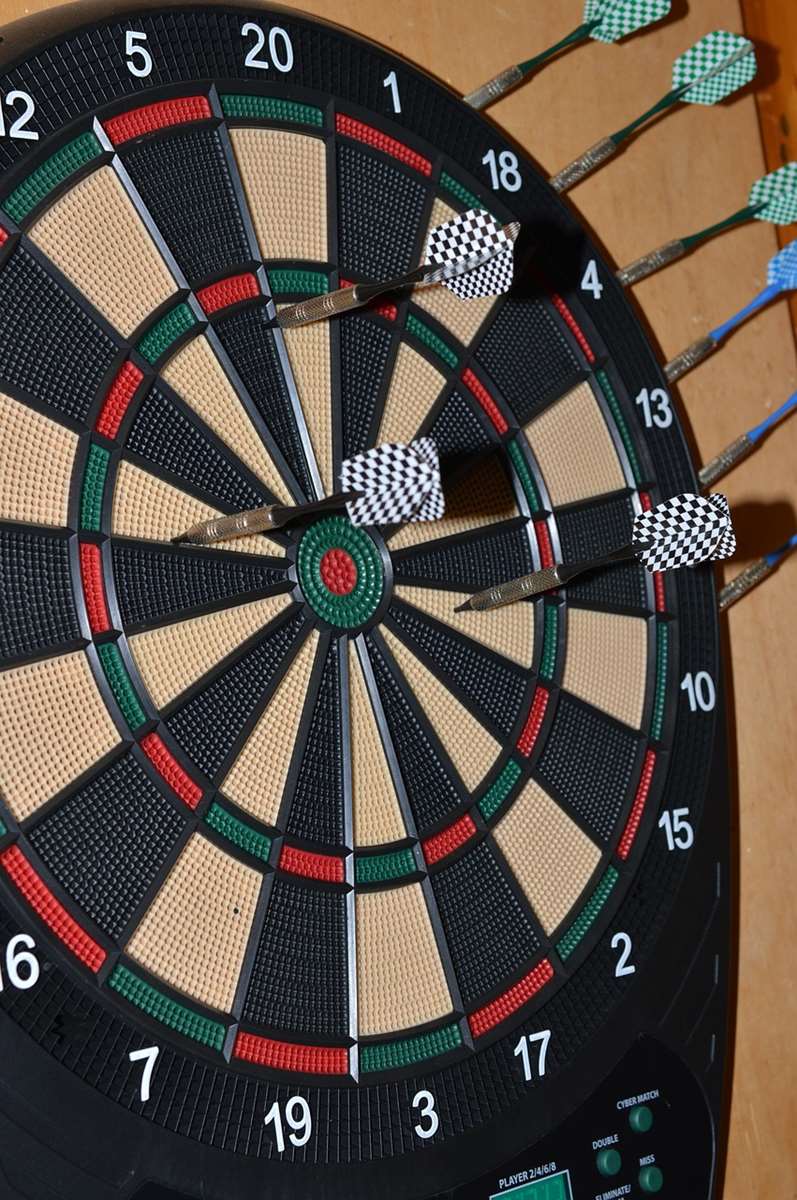
Regardless of whether you’re playing steel-tip or soft-tip darts, the dartboard setup is paramount. The board should be hung so that the center of the bullseye is 5 feet 8 inches (1.73 meters) from the floor. This measurement is crucial for consistent gameplay.
The oche, or throwing line, is also essential. For steel-tip darts, the oche should be 7 feet 9.25 inches (2.37 meters) from the face of the dartboard. For soft-tip darts, the distance is typically 8 feet (2.44 meters) from the face of the board, but always verify with your board’s instruction manual as slight variations can exist based on the electronic board’s design.
Ensuring these measurements are accurate will prevent disputes and maintain the integrity of the game. A slightly off setup can drastically alter the game’s difficulty and fairness.
Essential Equipment: Steel vs. Soft
While the objective is the same – hitting specific targets on the board – the equipment differs significantly between steel-tip and soft-tip darts.
- Steel-Tip Darts: These darts feature sharp, pointed steel tips designed to stick into the sisal fibers of a traditional dartboard. They require a bristle board and are typically heavier than soft-tip darts.
- Soft-Tip Darts: These darts have plastic tips that are designed to register on an electronic dartboard. They are usually lighter and often feature replaceable tips to avoid damage.
Choosing the right darts depends on the type of dartboard you are using and your personal preference. While some players appreciate the classic feel of steel-tip darts, others prefer the convenience and automatic scoring of soft-tip darts.
The Core Gameplay: Starting Game Rules Steel Soft Tip in Action
The most common game played in both steel-tip and soft-tip darts is 501 (or sometimes 301 for shorter games). The goal is to be the first player to reduce your score from 501 to exactly zero.
Initiating the Game: Who Goes First?
Determining who goes first is usually done by a “diddle for the middle,” also known as “bulling up.” Each player throws one dart at the bullseye, and the player whose dart lands closest to the center goes first. If both darts land in the bullseye, players repeat the process. This simple method ensures fairness right from the start.
The Throwing Sequence: Three Darts at a Time
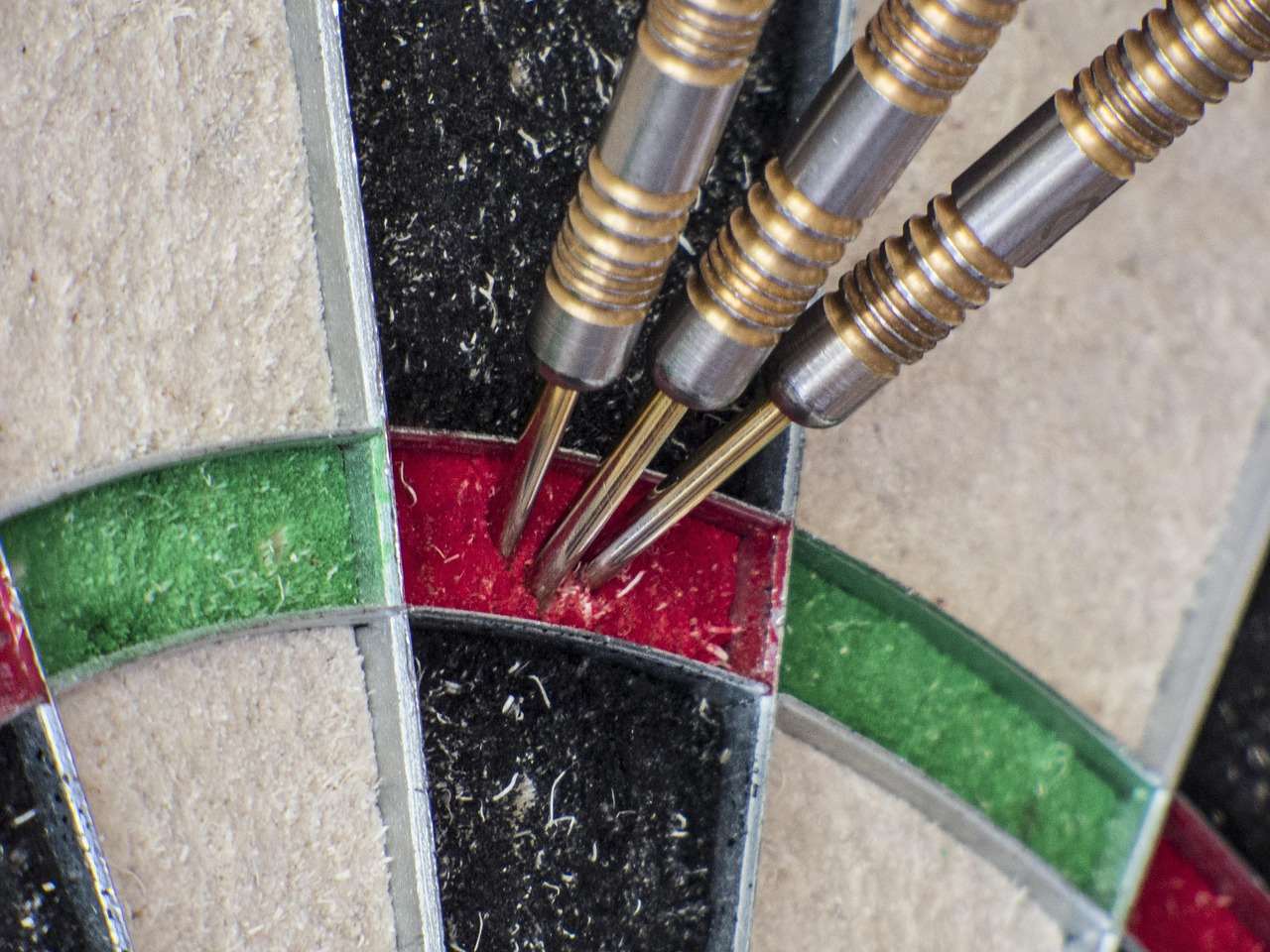
Players take turns throwing three darts per round. The score for each round is calculated by adding up the values of the sections where the darts land. Players must throw from behind the oche, ensuring that no part of their feet crosses the line. This rule maintains consistent distance and prevents any unfair advantage.
Scoring: Understanding the Board’s Anatomy
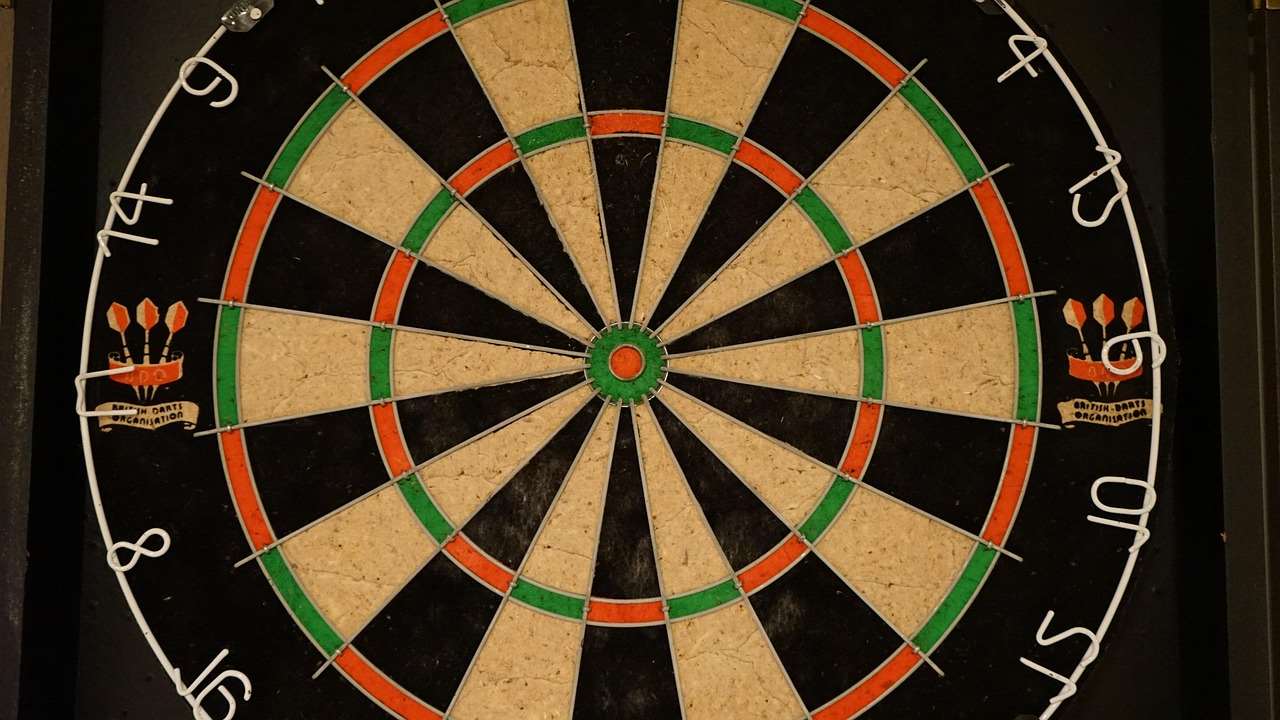
The dartboard is divided into several sections, each with a different point value. Understanding these sections is vital for accurate scoring:
- Single Numbers: The large sections between the wires are worth the number indicated.
- Double Ring: The outer ring doubles the value of the corresponding number.
- Treble Ring: The inner ring triples the value of the corresponding number.
- Bullseye: The outer bullseye (green) is worth 25 points, and the inner bullseye (red) is worth 50 points.
Knowing these values allows players to strategize and aim for specific targets to maximize their scores. Mastering the double and treble rings is key to finishing the game quickly and efficiently.
The Checkout: Finishing the Game
The final dart thrown must land on a double or the bullseye to win the game. This is known as “doubling out.” If a player scores more points than needed and goes below zero, it’s called a “bust,” and their score reverts to what it was at the start of that round. The double-out rule adds a layer of strategy and excitement to the game, forcing players to be precise in their final throws. Consider Simplified 501 game rules for novice players if you find the double-out rule too challenging.
Variations and Special Rules: Adapting the Game
While 501 is the standard, numerous variations exist to keep the game fresh and exciting. These variations often involve modifying the scoring or adding new rules.
Cricket: A Strategic Alternative
Cricket is a popular alternative that focuses on closing out numbers rather than simply scoring points. Players must hit each of the numbers 20, 19, 18, 17, 16, 15, and the bullseye three times to “close” them. Once a number is closed, only that player can score on it. The player who closes all the numbers and has the highest score wins. Cricket requires strategic thinking and the ability to adapt to your opponent’s gameplay. More details on the rules can be found at Alternative darts rules for home play.
Around the World: A Beginner-Friendly Option
Around the World is a simple game where players must hit each number on the board in sequence, starting with 1 and ending with 20. The first player to successfully hit all the numbers in order wins. This game is perfect for beginners as it helps them familiarize themselves with the board and improve their accuracy. Try Adapting darts rules for beginners if this still seems too hard.
Handicap Rules: Leveling the Playing Field
To make the game fairer for players of different skill levels, handicap rules can be implemented. These rules typically involve giving less skilled players a head start by reducing their starting score or allowing them extra throws. How to make darts fairer with handicap rules can be a great way to ensure everyone has a chance to win, fostering a more enjoyable and inclusive experience.
Specific Considerations for Soft-Tip Darts
While the general gameplay remains the same, soft-tip darts have unique considerations due to their electronic scoring systems.

Electronic Scoring: Accuracy and Convenience
Electronic dartboards automatically calculate and display the scores, eliminating the need for manual scorekeeping. This feature reduces errors and speeds up the game. However, it’s essential to ensure that the electronic board is properly calibrated and that all darts are registering correctly. Regularly check the board for any malfunctions or inconsistencies to maintain accurate scoring. Some electronic boards offer Fun dart game variations with modified rules pre-programmed, offering new ways to play.
Tip Maintenance: Preventing Bounce-Outs
Soft-tip darts are prone to bounce-outs if the plastic tips become dull or damaged. Regularly inspect the tips and replace them as needed to ensure they grip the board properly. Using high-quality replacement tips can significantly reduce bounce-outs and improve your scoring accuracy. Consider keeping a supply of tips readily available to avoid interruptions during gameplay.
Dart Weight and Construction: Optimizing Performance
Soft-tip darts are typically lighter than steel-tip darts, and their construction can affect their performance. Experiment with different dart weights and materials to find what works best for your throwing style. A well-balanced dart can improve your accuracy and consistency, leading to better scores. Remember to practice regularly to fine-tune your technique and get the most out of your equipment. New players can learn Basic Darts Fundamentals for Beginners to get started.
Safety and Etiquette: Ensuring a Positive Experience
Regardless of the dart type, safety and etiquette are crucial for ensuring a positive experience for all players.
Safety First: Protecting Yourself and Others
Always ensure that the area around the dartboard is clear of obstacles and people before throwing. Never throw darts when someone is retrieving their darts from the board. Use a dartboard surround to protect the wall from stray darts. These precautions minimize the risk of accidents and injuries.
Darting Etiquette: Respect and Sportsmanship
Show respect for your opponents by refraining from talking or moving while they are throwing. Avoid excessive celebrations or displays of frustration. Be a good sport, win or lose. These simple gestures contribute to a more enjoyable and respectful environment for everyone involved.
Conclusion: Mastering the Game
Understanding the **starting game rules steel soft tip** is fundamental to enjoying the game of darts. Whether you opt for the classic appeal of steel-tip darts or the modern convenience of soft-tip darts, mastering the setup, gameplay, scoring, and variations will enhance your experience. Remember to prioritize safety, practice good etiquette, and most importantly, have fun! Now that you’ve learned the ropes, grab your darts and start playing. Ready to take your game to the next level? Check out our advanced dart throwing techniques guide for more tips and tricks!

Hi, I’m Dieter, and I created Dartcounter (Dartcounterapp.com). My motivation wasn’t being a darts expert – quite the opposite! When I first started playing, I loved the game but found keeping accurate scores and tracking stats difficult and distracting.
I figured I couldn’t be the only one struggling with this. So, I decided to build a solution: an easy-to-use application that everyone, no matter their experience level, could use to manage scoring effortlessly.
My goal for Dartcounter was simple: let the app handle the numbers – the scoring, the averages, the stats, even checkout suggestions – so players could focus purely on their throw and enjoying the game. It began as a way to solve my own beginner’s problem, and I’m thrilled it has grown into a helpful tool for the wider darts community.