The standard dart throw distance is 7 feet 9 1/4 inches (2.37 meters) from the front of the dartboard to the oche (throw line). In this article, we’ll delve into everything you need to know about setting up your dartboard, understanding the regulations, and even some tips to improve your game.
⚠️ Still Using Pen & Paper (or a Chalkboard)?! ⚠️
Step into the future! The Dart Counter App handles all the scoring, suggests checkouts, and tracks your stats automatically. It's easier than you think!
Try the Smart Dart Counter App FREE!Ready for an upgrade? Click above!
Understanding the Standard Dart Throw Distance
The standard dart throw distance isn’t just an arbitrary number; it’s a carefully calculated measurement designed to provide a fair and consistent playing field for all players. This standardized distance ensures that everyone, from casual players to professionals, throws from the same point, minimizing any potential advantages or disadvantages due to variations in throwing range. The official dartboard height is equally important.
The history of this specific distance is somewhat shrouded in the mists of time. While the exact origins are debated, it’s believed to have evolved through practical experience and adjustments over the years, eventually settling on the measurement we use today. The governing bodies of darts, such as the World Darts Federation (WDF) and the Professional Darts Corporation (PDC), strictly enforce these dimensions in tournaments.
Understanding the importance of the standard dart throw distance extends beyond simply knowing the numbers. It’s about appreciating the effort to create a level playing field. For those serious about improving their game, adhering to this standard during practice is crucial, ensuring that your skills translate directly to competitive situations.
Setting Up Your Dartboard Correctly
Accurate setup is paramount for enjoying a legitimate game of darts. Deviations from the standardized measurements can significantly impact gameplay and even hinder your progress as a player. Here’s a step-by-step guide to ensure your setup is spot on.
Step 1: Measuring the Dartboard Height
The first step is to mount the dartboard at the correct height. The bullseye should be exactly 5 feet 8 inches (1.73 meters) from the floor. Use a measuring tape to accurately determine this height and mark the spot on the wall where the center of the dartboard will be. Ensure the board is perpendicular to the wall.
Step 2: Determining the Standard Dart Throw Distance
Now, measure the standard dart throw distance. As mentioned earlier, this is 7 feet 9 1/4 inches (2.37 meters) from the face of the dartboard to the oche. The oche, or throw line, must be clearly marked on the floor. You can use tape, a raised piece of wood, or even a commercially available oche for this purpose.
Step 3: Checking for Accuracy
After mounting the dartboard and marking the oche, double-check all your measurements. Use a level to ensure the dartboard is perfectly vertical. Inaccurate setup may lead to bad habits and prevent you from achieving consistent performance.
Step 4: Ensuring Ample Space
Ensure there is enough open space around the dartboard and the oche. This will prevent obstructions and ensure player safety. Also, think about protecting the wall around your dartboard with a surround to minimize damage from stray darts. Consider exploring different dartboard surrounds to find one that suits your needs.
The Importance of Consistent Practice
Once your dartboard is properly set up, the real work begins. Consistent practice from the standard dart throw distance is the key to improving your skills and achieving consistent results. Without dedicated practice, even the best equipment and setup won’t compensate.
Make sure you warm up before each practice session with some simple stretches to avoid injuries. Consider tracking your scores to monitor your progress and identify areas where you can improve. The Choose Best Dart Equipment can greatly affect your performance.
Tips for Improving Your Dart Game
Beyond consistent practice, there are several strategies you can implement to refine your dart game. These include refining your throwing technique, mental preparation, and strategic game play. Consider exploring the world of premium dart sets to find equipment that suits your style.
Focus on Your Stance
Your stance is the foundation of your throw. Most players stand with one foot forward, aligned with the dartboard, while the other foot provides balance. Experiment with different stances to find the one that feels most comfortable and stable for you. The position of your feet can greatly impact your balance and consistency.
Refine Your Grip
The grip is another crucial element of your throwing technique. A consistent grip is essential for consistent throws. There’s no one-size-fits-all grip; experiment with different grips to find what works best for you. Some players prefer a light grip, while others prefer a firmer grip. The Buying Guide Budget Premium Dart Sets may have ideas for grip aids.
Develop a Smooth Throwing Motion
A smooth and consistent throwing motion is vital for accuracy. Avoid jerky movements and focus on a fluid, controlled motion. Follow through with your arm after releasing the dart. Many players find it helpful to visualize the trajectory of the dart before releasing it. The weight distribution of your darts also affects the throw.
Mental Preparation
Darts is as much a mental game as it is a physical one. Before each throw, take a moment to focus and visualize your target. Avoid distractions and maintain a positive attitude. Mental preparation can significantly improve your concentration and performance. Consider the Are Premium Darts Worth It article.
Common Mistakes to Avoid
Many dart players make common mistakes that hinder their progress. Being aware of these mistakes can help you avoid them and improve your game more quickly. These include incorrect dartboard setup, inconsistent throwing technique, and poor mental preparation.
- Incorrect Dartboard Setup: This is one of the most common mistakes. Ensure that your dartboard is mounted at the correct height and the standard dart throw distance is accurately measured.
- Inconsistent Throwing Technique: Develop a consistent throwing motion and stick to it. Avoid making changes to your technique mid-game, as this can lead to inconsistencies.
- Poor Mental Preparation: Take a moment to focus and visualize your target before each throw. Avoid distractions and maintain a positive attitude.
- Using Incorrect Darts: Selecting the right darts for your throwing style and grip is key. Experiment with different weights and materials to find the perfect fit. Understand the Difference Budget Premium Darts.
Variations in Dart Throw Distances
While the standard dart throw distance is strictly enforced in professional tournaments and leagues, there may be some variations in casual settings. However, it’s always best to adhere to the standard measurements to ensure a fair and consistent game. Keep in mind that using different types of dart flights can change your dart’s trajectory.
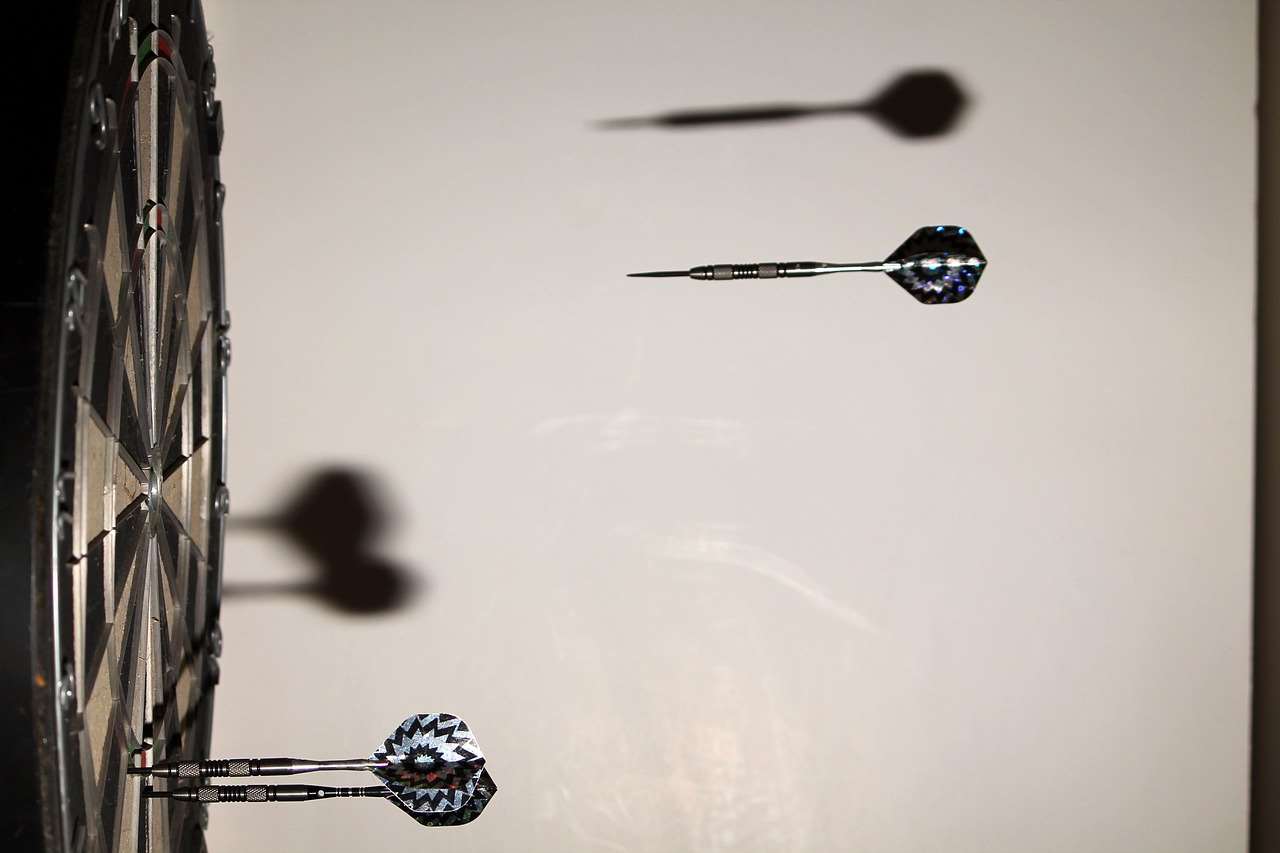
Some informal games or venues may allow slight variations to accommodate space constraints or personal preferences. However, it’s important to communicate and agree upon any deviations before starting the game to avoid misunderstandings or disputes. A good dartboard cabinet can help protect the surrounding wall.
Conclusion
Understanding and adhering to the standard dart throw distance is crucial for enjoying a fair and consistent game of darts. By following the guidelines outlined in this article, you can ensure that your dartboard is properly set up and that you’re practicing under the same conditions as the professionals. Consistent practice, combined with a refined throwing technique and strong mental preparation, are the keys to improving your dart game. So, grab your darts, measure that distance, and start practicing your way to success! To help improve your game consider to Investing In Premium Dart Equipment today.

Hi, I’m Dieter, and I created Dartcounter (Dartcounterapp.com). My motivation wasn’t being a darts expert – quite the opposite! When I first started playing, I loved the game but found keeping accurate scores and tracking stats difficult and distracting.
I figured I couldn’t be the only one struggling with this. So, I decided to build a solution: an easy-to-use application that everyone, no matter their experience level, could use to manage scoring effortlessly.
My goal for Dartcounter was simple: let the app handle the numbers – the scoring, the averages, the stats, even checkout suggestions – so players could focus purely on their throw and enjoying the game. It began as a way to solve my own beginner’s problem, and I’m thrilled it has grown into a helpful tool for the wider darts community.