Navigating the world of darts competitions requires a solid understanding of the regulations; the specific WDF competition rules dictate fair play and consistent standards. This article delves into the core aspects of these rules, including equipment specifications, game formats, player conduct, and dispute resolution, ensuring you’re well-prepared to compete or officiate.
⚠️ Still Using Pen & Paper (or a Chalkboard)?! ⚠️
Step into the future! The Dart Counter App handles all the scoring, suggests checkouts, and tracks your stats automatically. It's easier than you think!
Try the Smart Dart Counter App FREE!Ready for an upgrade? Click above!
Understanding the Core of Specific WDF Competition Rules
The World Darts Federation (WDF) sets the standard for darts competitions globally. Familiarity with the specific WDF competition rules is essential for all participants, from amateur players to seasoned professionals. These rules cover every aspect of the game, ensuring fairness and consistency across all WDF-sanctioned events. Deviation from these rules can result in penalties or disqualification.
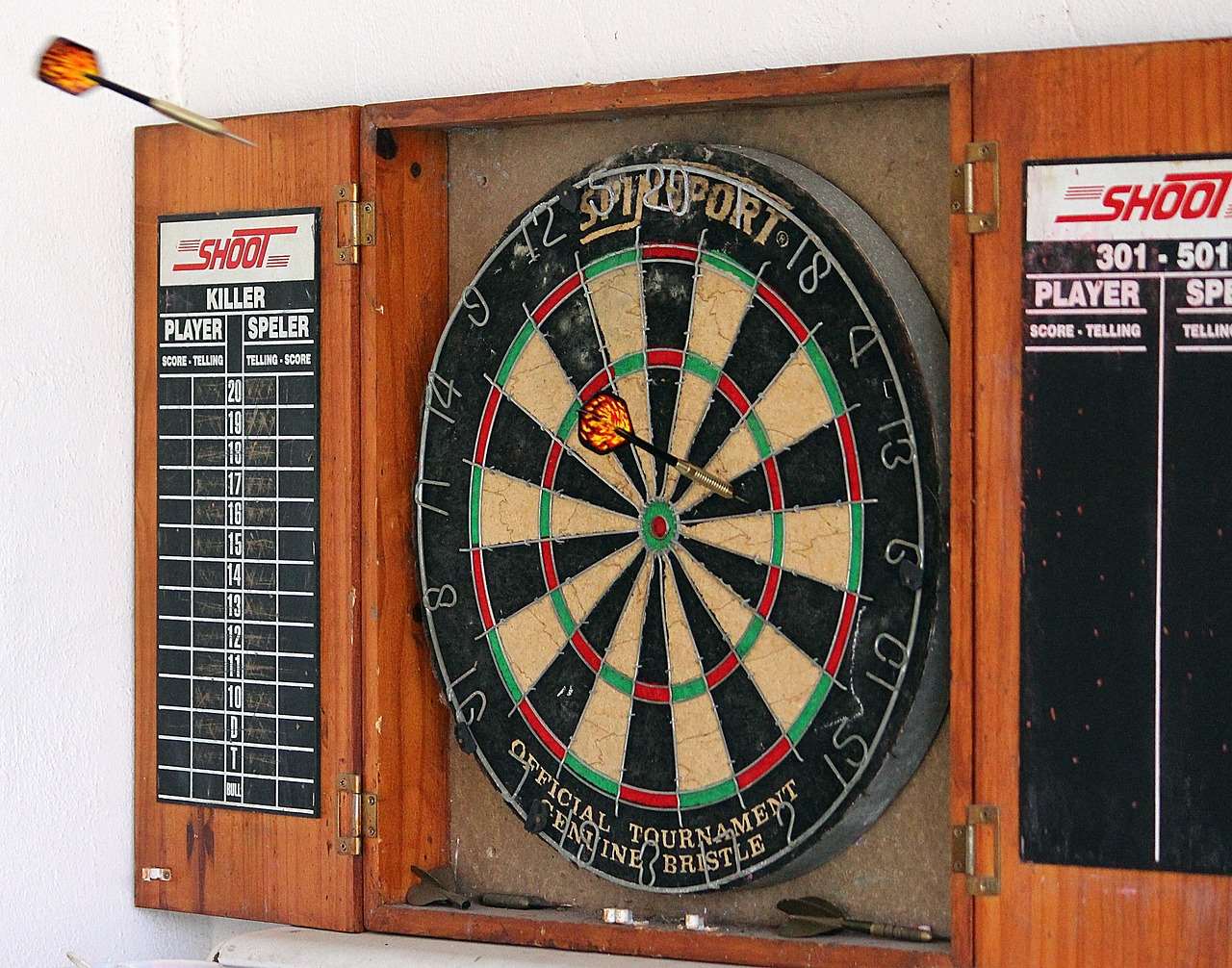
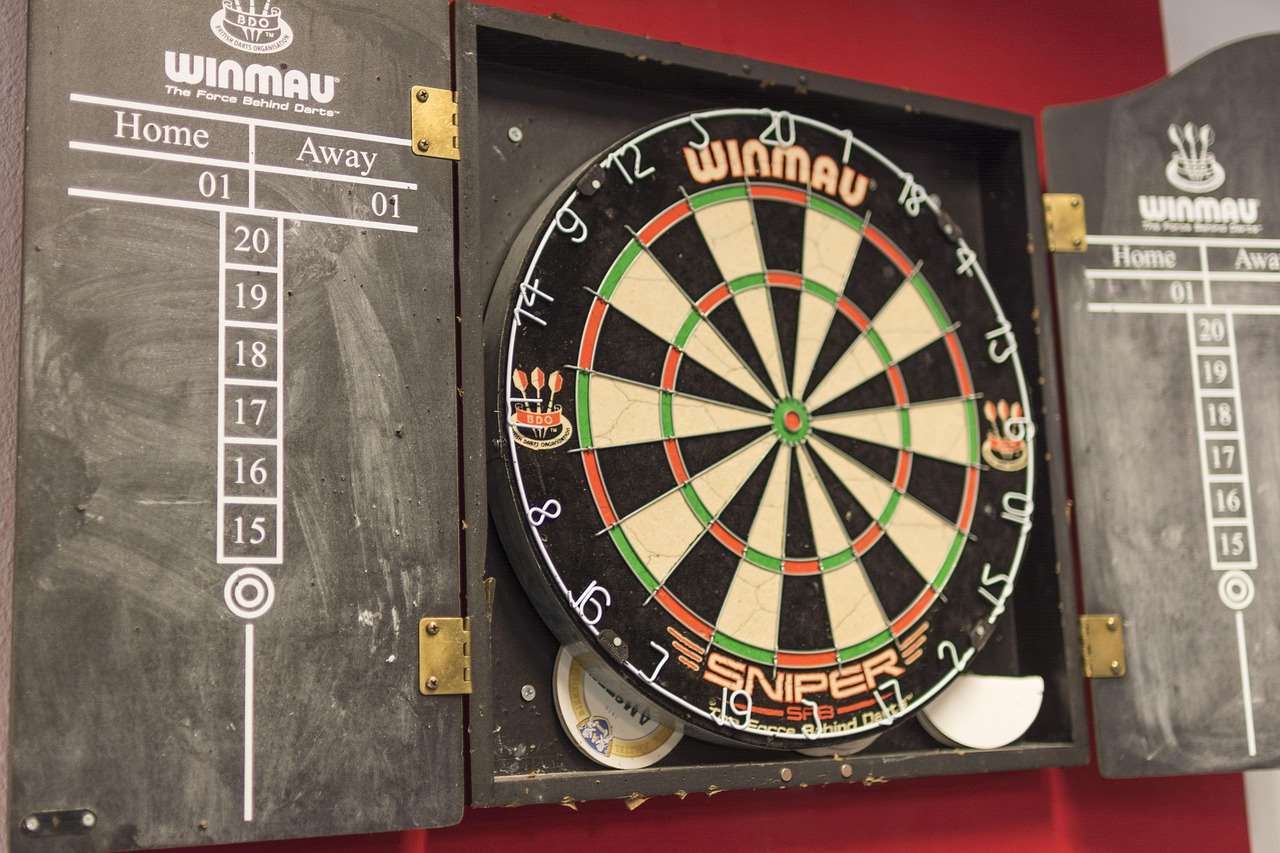
One crucial area involves the equipment specifications. The dartboard itself must adhere to strict measurements and construction guidelines. The height and distance of the oche (the throwing line) are precisely defined, as are the dimensions of the dartboard’s segments. Darts also have limitations regarding weight and length. These regulations level the playing field and prevent any unfair advantages stemming from equipment differences.
The WDF also outlines detailed procedures for the game format. The most common format is the 501 game, where players start with 501 points and must reach zero by subtracting the score of each throw. The finishing double rule is also a critical component, requiring players to end the game by hitting a double or the bullseye. These standardized game formats ensure that all WDF competitions follow a consistent pattern.
Essential Equipment Specifications Under WDF Rules
The specific WDF competition rules place great emphasis on standardized equipment to ensure a level playing field for all participants. Let’s delve into the key aspects of these specifications:
- Dartboard Dimensions: The dartboard must be a standard 17 ¾ inches (451 mm) in diameter, with clearly defined segments. The bullseye should measure 12.7 mm (0.5 inches) in diameter, and the outer bull (or double bull) should be 31.8 mm (1.25 inches) in diameter.
- Oche (Throwing Line): The distance from the front of the dartboard to the oche must be 7 feet 9 ¼ inches (2.37 meters). The height of the bullseye from the floor should be 5 feet 8 inches (1.73 meters).
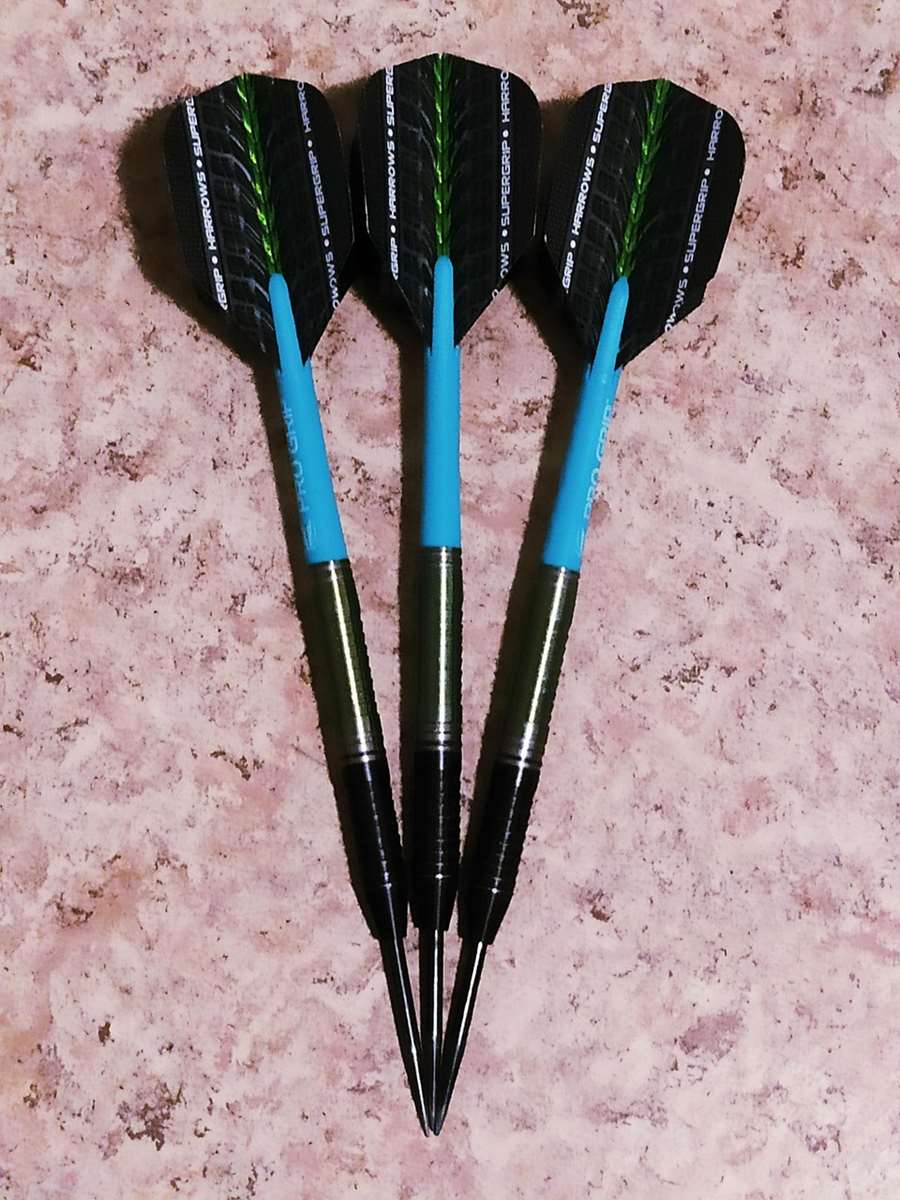
- Dart Specifications: Darts must not exceed a maximum weight of 50 grams, and the overall length must not exceed 30.5 cm (12 inches). There are no specific rules regarding the material or design of the darts, allowing players some personalization, but these overall dimensions must be adhered to.
Using non-compliant equipment can lead to disqualification. Therefore, it is crucial to verify that your darts and setup meet these requirements before participating in any WDF-sanctioned competition. If you want more basic insights, consider reading about Basic Darts Fundamentals for Beginners.
Game Formats and Scoring Protocols
Beyond equipment, the **specific WDF competition rules** also meticulously define the game formats and scoring protocols. These rules dictate how matches are conducted, ensuring fairness and clarity in determining the winner.
The 501 game is the most prevalent format, requiring players to reduce their score from 501 to zero by hitting specific segments on the dartboard. The following rules apply:
- Starting Score: Each player begins with 501 points.
- Scoring: The score of each dart thrown is subtracted from the remaining total.
- Finishing Double: The final dart thrown must land on a double segment or the bullseye to win the game. If a player reduces their score to one, or below zero without hitting a double or bullseye on the final dart, the score reverts to the previous round, and the player’s turn ends. This is often referred to as “busting.”
- Three-Dart Average: This metric is often tracked and used to assess a player’s performance.
Other game formats, such as cricket and around the clock, may be used in certain competitions, but 501 is generally the standard for high-level WDF events. It’s important to remember that you can use adapting darts rules for beginners to help new players get involved.
Player Conduct and Ethics in WDF Competitions
The specific WDF competition rules extend beyond the technical aspects of the game to encompass player conduct and ethical behavior. Maintaining a respectful and sportsmanlike atmosphere is vital for the integrity of the sport. These rules address issues such as:
- Respect for Opponents: Players are expected to treat their opponents with respect, avoiding any actions that could be considered disrespectful or intimidating.
- Fair Play: Any attempt to cheat or gain an unfair advantage is strictly prohibited. This includes tampering with equipment, deliberately misreporting scores, or engaging in any other form of deception.
- Sportsmanship: Players should demonstrate good sportsmanship, both in victory and defeat. This includes congratulating opponents on their success and accepting losses gracefully.
- Dress Code: Many WDF competitions have specific dress code requirements. Players are typically expected to wear appropriate attire, such as collared shirts and dress pants.
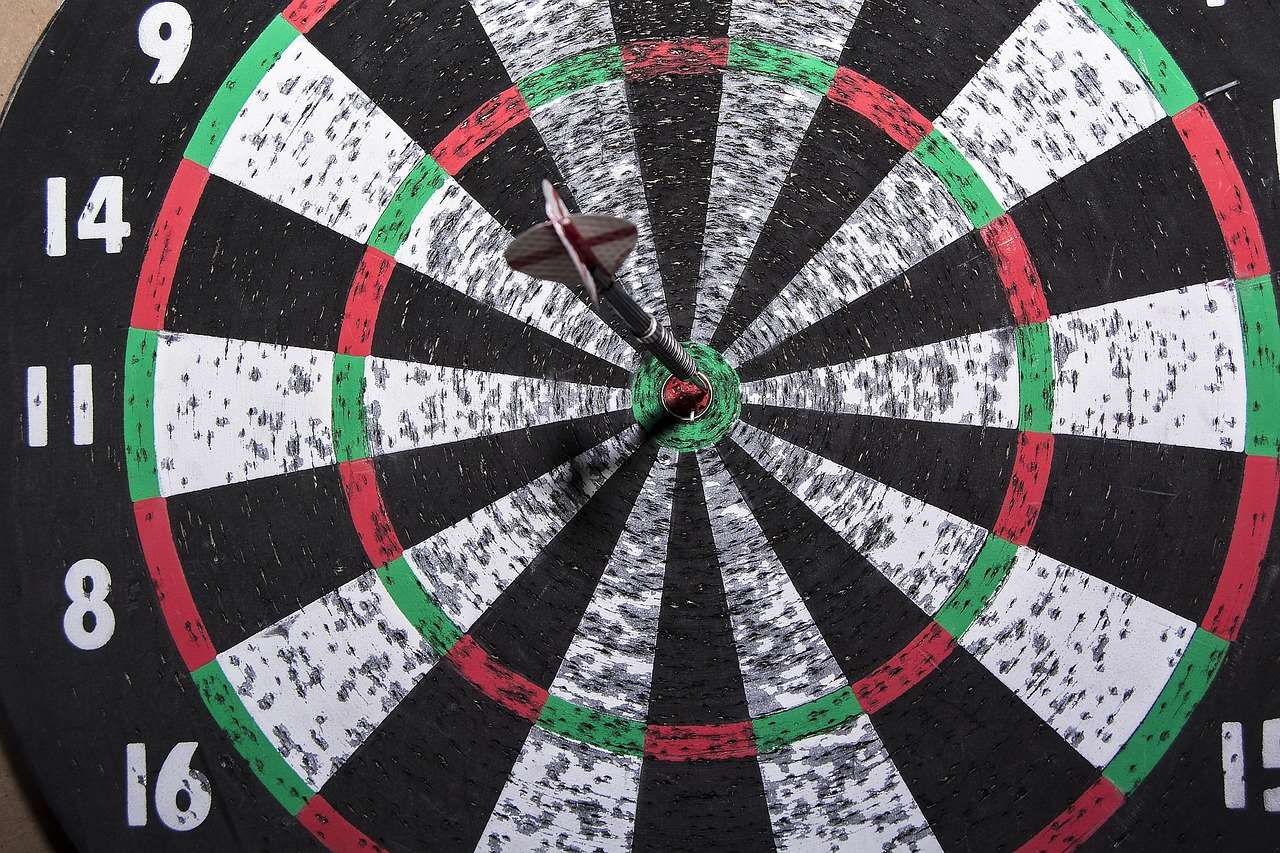
Violation of these conduct rules can result in warnings, penalties, or even disqualification from the competition. The WDF takes these matters seriously and is committed to upholding the highest standards of ethical behavior. Furthermore, it’s essential to know about how to make darts fairer with handicap rules.
Dispute Resolution and Appeals Process
Even with well-defined rules, disputes can arise in any competition. The specific WDF competition rules outline a clear dispute resolution and appeals process to address any disagreements fairly and efficiently. This process typically involves the following steps:
- Initial Resolution: The first step is to attempt to resolve the dispute informally between the players involved, often with the assistance of a tournament official.
- Official Ruling: If an informal resolution cannot be reached, the dispute is brought to the attention of the tournament director or designated official. The official will investigate the matter and make a ruling based on the available evidence and the applicable WDF rules.
- Appeals Process: Players have the right to appeal the official’s ruling if they believe it to be incorrect or unfair. The appeals process typically involves submitting a written appeal to a higher authority within the WDF, such as the tournament committee or a designated appeals board.
The appeals board will review the evidence and the official’s ruling and make a final decision. The appeals process is designed to ensure that all disputes are resolved fairly and impartially. When in doubt, review alternative darts rules for home play for other perspectives.
Ensuring Fair Play: The Role of Tournament Officials
Tournament officials play a crucial role in enforcing the specific WDF competition rules and ensuring fair play throughout the event. Their responsibilities include:
- Rule Enforcement: Officials are responsible for ensuring that all players adhere to the WDF rules, including equipment specifications, game formats, and conduct regulations.
- Scorekeeping: Accurate scorekeeping is essential for the integrity of the competition. Officials are responsible for verifying scores and resolving any discrepancies.
- Dispute Resolution: As mentioned earlier, officials play a key role in resolving disputes that arise during the tournament.
- Maintaining Order: Officials are responsible for maintaining order and ensuring that the competition proceeds smoothly and efficiently.
Effective tournament officials are knowledgeable about the WDF rules, impartial in their judgments, and capable of handling pressure situations with composure. Their presence helps to create a fair and enjoyable experience for all participants. Plus, remembering creative dart rules for parties and social gatherings ensures a fun time.
Specific Examples of WDF Rule Infractions and Penalties
To further illustrate the importance of adhering to the specific WDF competition rules, let’s consider some specific examples of rule infractions and the associated penalties:
- Using Illegal Darts: If a player is found to be using darts that exceed the maximum weight or length limitations, they may be warned or disqualified from the competition.
- Incorrect Oche Distance: If the oche is not positioned at the correct distance from the dartboard, the player may be required to adjust their throwing position or face a penalty.
- Unsportsmanlike Conduct: Engaging in unsportsmanlike conduct, such as verbally abusing an opponent or deliberately distracting them, can result in a warning, point deduction, or disqualification.
- Scorekeeping Errors: Deliberately misreporting scores or attempting to gain an unfair advantage through scorekeeping errors can lead to severe penalties, including disqualification and suspension from future competitions.
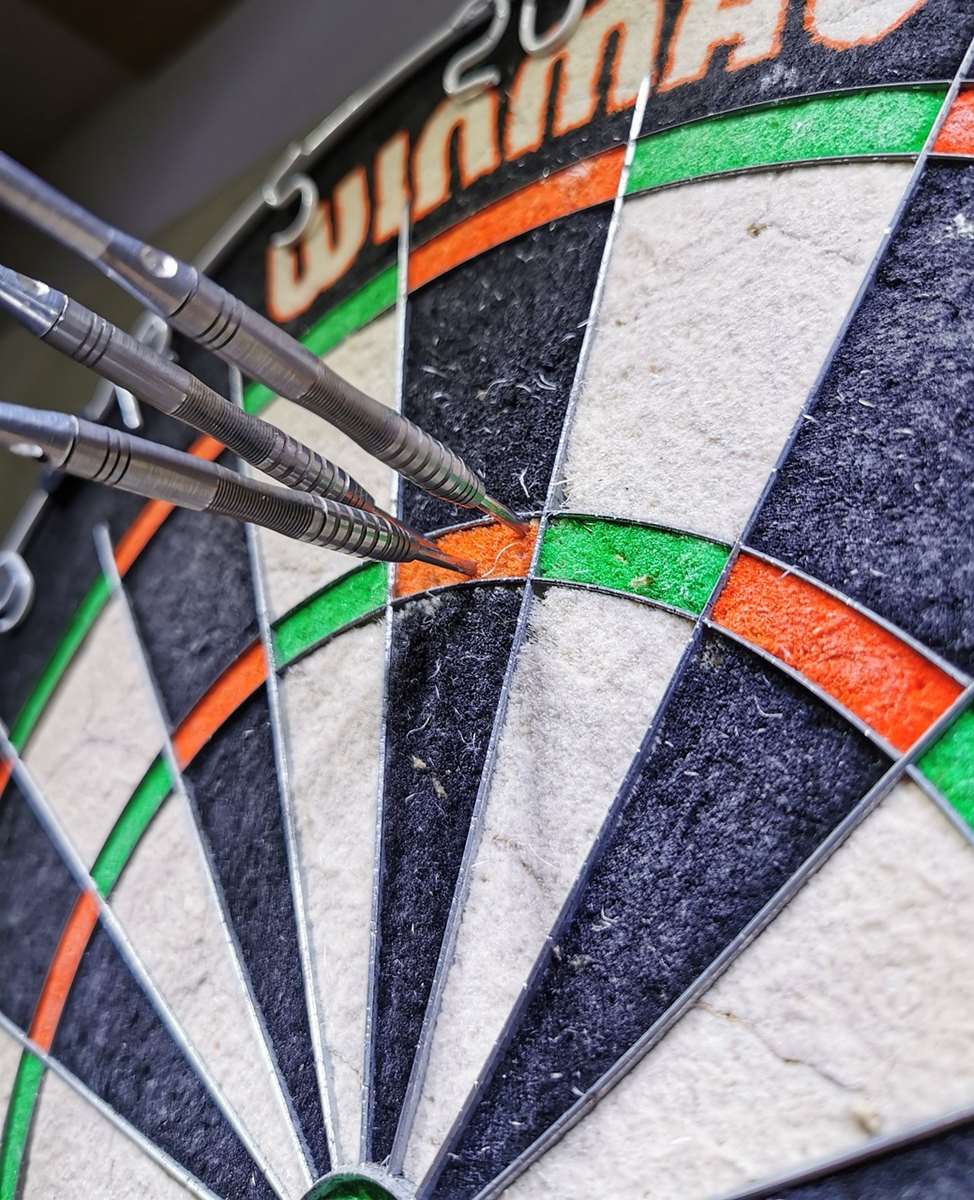
These examples highlight the importance of knowing and following the WDF rules to avoid potential penalties and maintain the integrity of the sport. Also, be mindful of adapting darts rules for small spaces: tips and tricks.
Staying Updated with Rule Changes and Amendments
The specific WDF competition rules are not static; they are subject to change and amendment over time. It is crucial for players and officials to stay informed about any updates to the rules to ensure compliance.
The WDF typically publishes rule changes and amendments on its official website. Players and officials should regularly check the website for updates. Subscribing to the WDF newsletter or following their social media channels can also help stay informed. Attending WDF training sessions or seminars is another excellent way to learn about rule changes and clarifications.
Staying updated with the latest rules ensures that you are playing by the correct standards and can avoid any unintentional rule violations. Reviewing Simplified 501 game rules for novice players is also a great way to stay informed.
Conclusion
A comprehensive understanding of the specific WDF competition rules is paramount for anyone involved in competitive darts, whether as a player, official, or spectator. By adhering to these regulations, we contribute to a fair, consistent, and enjoyable environment for all. Remember to regularly review the official WDF website for any updates or amendments to the rules. Now that you understand the rules, are you ready to step up to the oche and put your knowledge into practice? Consider exploring local darts clubs or tournaments to further hone your skills and experience.

Hi, I’m Dieter, and I created Dartcounter (Dartcounterapp.com). My motivation wasn’t being a darts expert – quite the opposite! When I first started playing, I loved the game but found keeping accurate scores and tracking stats difficult and distracting.
I figured I couldn’t be the only one struggling with this. So, I decided to build a solution: an easy-to-use application that everyone, no matter their experience level, could use to manage scoring effortlessly.
My goal for Dartcounter was simple: let the app handle the numbers – the scoring, the averages, the stats, even checkout suggestions – so players could focus purely on their throw and enjoying the game. It began as a way to solve my own beginner’s problem, and I’m thrilled it has grown into a helpful tool for the wider darts community.