The core difference when considering a sisal dartboard vs paper board is durability and playability; sisal offers self-healing properties and a professional feel, while paper boards are budget-friendly but less robust. This article will delve into the specifics of each type, covering their construction, lifespan, playing experience, and cost, helping you make the best choice for your needs.
⚠️ Still Using Pen & Paper (or a Chalkboard)?! ⚠️
Step into the future! The Dart Counter App handles all the scoring, suggests checkouts, and tracks your stats automatically. It's easier than you think!
Try the Smart Dart Counter App FREE!Ready for an upgrade? Click above!
Understanding the Basics: Sisal Dartboards
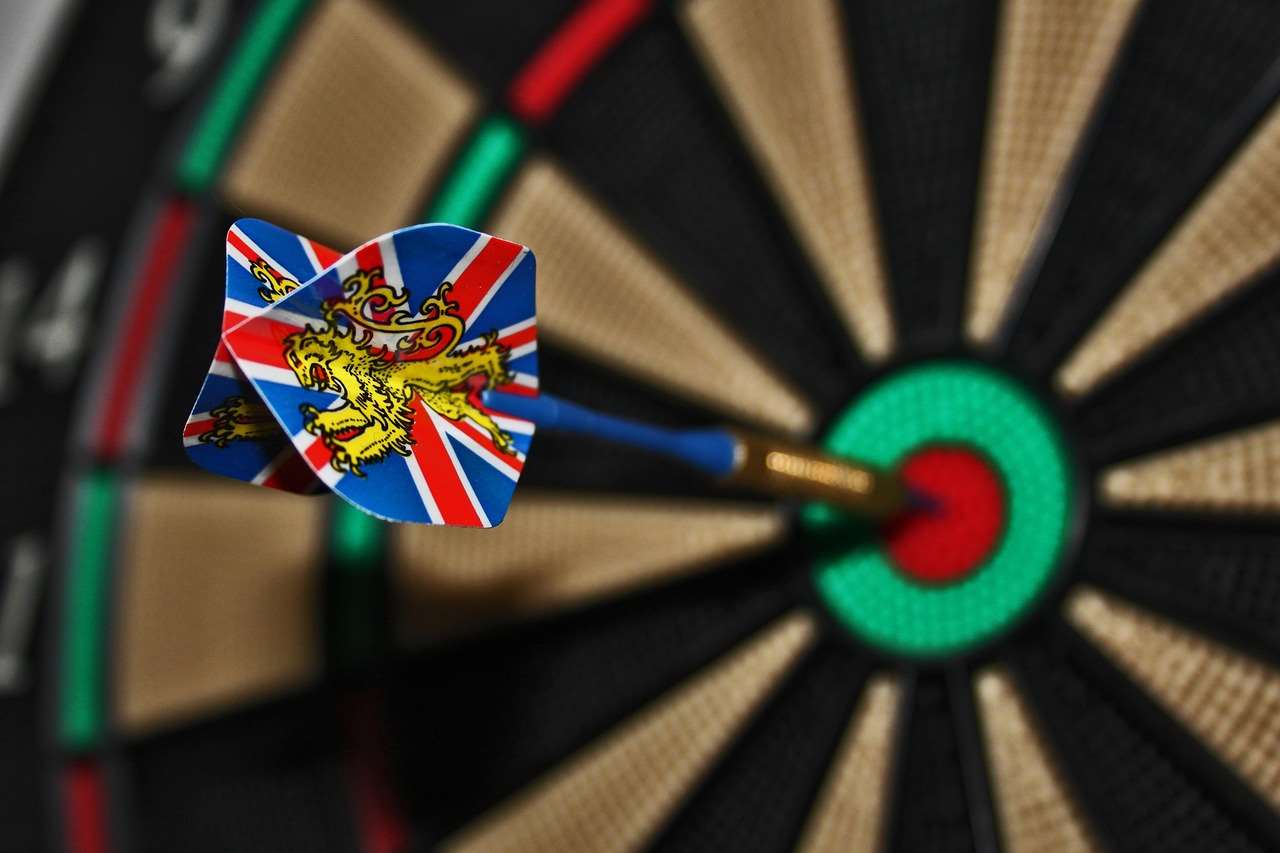
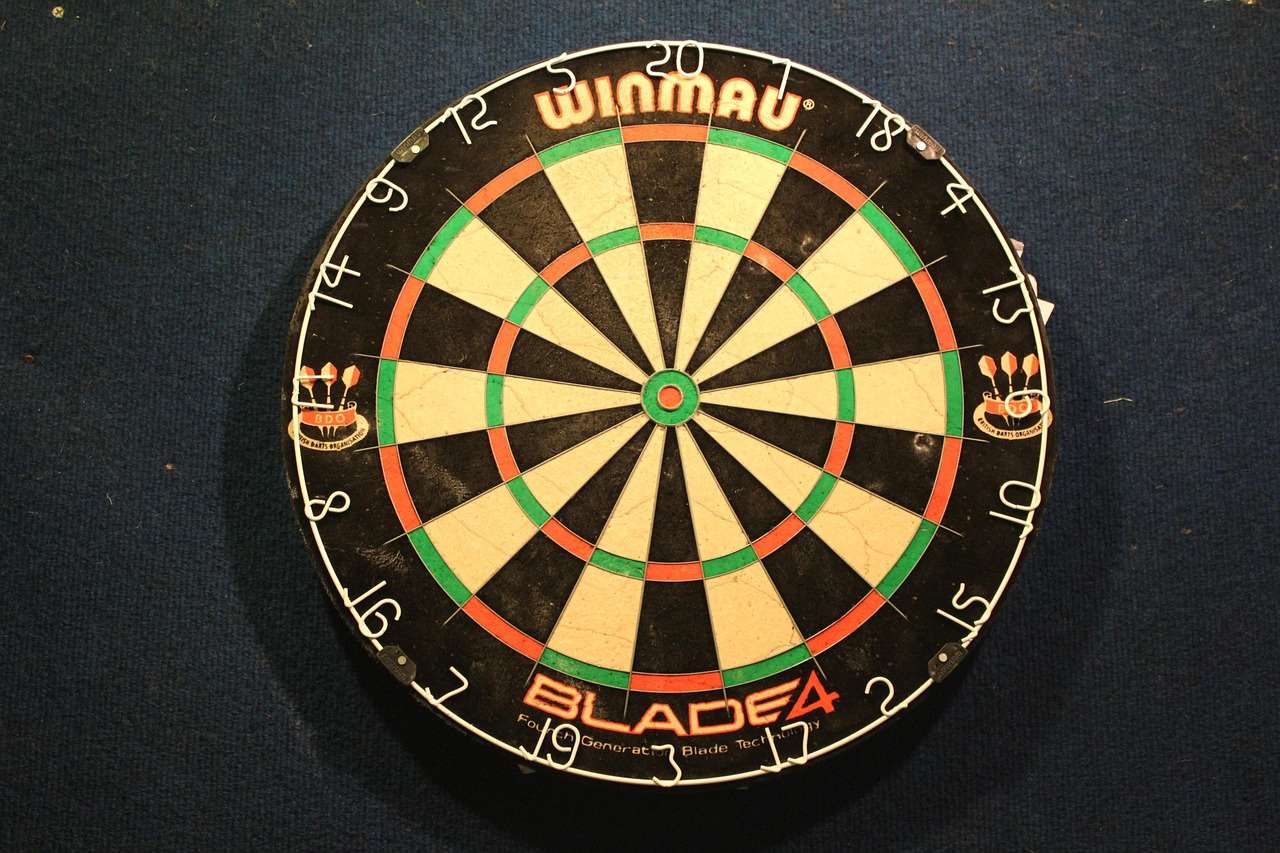
Sisal dartboards are the preferred choice of professionals and serious enthusiasts alike. Their construction involves tightly packed sisal fibers, a natural material derived from the agave plant. This unique material has self-healing properties, meaning that the holes created by darts close up over time. This contributes significantly to their longevity and consistent playability.
The quality of a sisal dartboard can vary based on the density and grade of the sisal fibers used. Higher-quality boards feature denser sisal, resulting in fewer bounce-outs and a longer lifespan. Look for boards with minimal staples, as these can deflect darts and negatively impact your game. Proper dartboard lighting is also essential for a premium experience; for example, exploring Best Dartboard Lighting Systems can improve your accuracy.
Advantages of Sisal Dartboards:
- Durability: Lasts significantly longer than paper boards due to the self-healing sisal fibers.
- Playability: Offers a superior playing experience with fewer bounce-outs and a consistent surface.
- Professional Feel: Provides the authentic dartboard experience preferred by serious players.
Disadvantages of Sisal Dartboards:
- Cost: Typically more expensive than paper boards.
- Maintenance: Requires occasional rotation to even out wear.
Exploring Paper Dartboards
Paper dartboards, also known as coiled paper dartboards, are made from tightly wound paper. They are a budget-friendly option, often found in recreational settings or for casual players. While they don’t offer the same level of durability or playability as sisal boards, they serve a purpose for those looking for an inexpensive entry point into the world of darts.
The construction of a paper dartboard is simpler than that of a sisal board. The paper is coiled and compressed to create a solid surface. However, this material is susceptible to damage from repeated impacts. Darts can easily penetrate the paper, leading to wear and tear and ultimately shortening the lifespan of the board. Learning to How To Light Your Dartboard is still valuable even with a less expensive board, enhancing visibility and your enjoyment of the game.
Advantages of Paper Dartboards:
- Cost: Significantly cheaper than sisal boards.
- Accessibility: Widely available in most retail stores.
- Lightweight: Easy to transport and install.
Disadvantages of Paper Dartboards:
- Durability: Short lifespan due to the fragility of the paper material.
- Playability: More prone to bounce-outs and inconsistent dart penetration.
- Less Forgiving: Darts damage the surface quickly.
Sisal Dartboard Vs Paper Board: A Detailed Comparison
Let’s break down the key differences between a sisal dartboard vs paper board across several important factors:
- Durability: As mentioned earlier, sisal dartboards win hands down in terms of longevity. The self-healing properties of sisal ensure that the board can withstand repeated use for years, whereas paper boards will start to show signs of wear and tear much faster.
- Playability: The tightly packed sisal fibers offer a consistent and reliable surface for dart penetration. This leads to fewer bounce-outs and a more enjoyable playing experience. Paper boards, on the other hand, can be inconsistent, with darts sometimes bouncing out or penetrating too deeply.
- Cost: Paper boards are significantly cheaper upfront. However, considering the long-term cost, a sisal board might be a better investment as it will last much longer. Consider it the upfront cost vs. long-term value proposition.
- Maintenance: Sisal boards require occasional rotation to distribute wear evenly. Paper boards require virtually no maintenance, but their short lifespan makes this a moot point. You can Reduce Dartboard Shadows Effectively by thinking about proper dartboard setup.
- Aesthetics: Sisal dartboards generally have a more professional and aesthetically pleasing appearance. The natural fibers and clean design create a more appealing look than the often-crude construction of paper boards.
Factors to Consider When Choosing
Choosing between a sisal dartboard vs paper board depends on your individual needs and priorities. Here are some factors to consider:
- Budget: If you’re on a tight budget, a paper board might be the only viable option. However, if you can afford it, investing in a sisal board is generally a better long-term decision.
- Frequency of Use: If you only play darts occasionally, a paper board might suffice. However, if you play regularly, a sisal board will provide a much better playing experience and last longer.
- Skill Level: Serious players and those looking to improve their game should definitely opt for a sisal board. The consistent playing surface and reduced bounce-outs will help you develop your skills.
- Space: While both types of dartboards have similar dimensions, ensure you have adequate space for safe play.
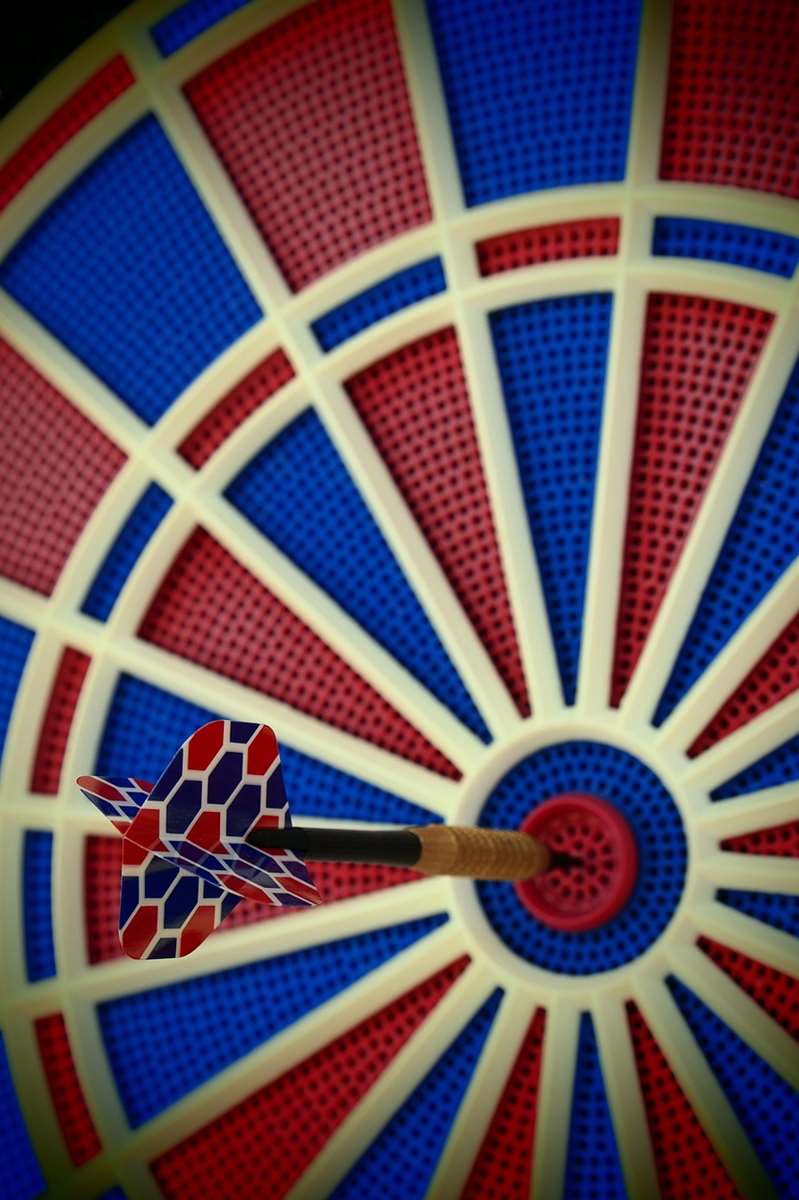
Consider the lighting! Proper lighting significantly impacts the experience, no matter the board type. There are different Types Optimal Dartboard Lighting to explore.
Tips for Maintaining Your Dartboard (Regardless of Type)
While sisal dartboards are more durable, proper maintenance can extend the lifespan of any dartboard. Here are a few tips:
- Rotate Your Board Regularly: This will help distribute wear evenly and prevent certain areas from becoming overly worn.
- Use Sharp Darts: Dull darts can damage the surface of the board and lead to more bounce-outs.
- Remove Darts Correctly: Avoid twisting or yanking darts out of the board. Use a gentle, straight pulling motion.
- Keep Your Board Clean: Wipe down your board occasionally with a damp cloth to remove dust and debris.
- Avoid Moisture: Keep your dartboard in a dry environment to prevent warping or damage.
Related Dartboard Accessories
Enhance your dartboard experience with various accessories:
- Dartboard Surrounds: Protect your walls from stray darts and provide a professional look.
- Dartboard Lighting: Improve visibility and reduce shadows for a better playing experience.
- Dart Cabinets: Provide storage for your darts and accessories while protecting your dartboard.
- Darts: Experiment with different weights and styles to find the perfect darts for your throwing style. Choosing the best dart equipment can truly elevate your game. This is essential alongside understanding the sisal dartboard vs paper board differences.
The Final Throw: Making the Right Choice
Ultimately, the decision of sisal dartboard vs paper board boils down to your budget, frequency of play, and desired level of quality. While paper boards offer a cheap and accessible entry point, sisal dartboards provide a superior playing experience and long-term value. If you’re serious about darts, investing in a quality sisal board is well worth the cost.
Consider your individual needs and carefully weigh the pros and cons of each type before making a purchase. Whichever you choose, remember to have fun and enjoy the game!

Hi, I’m Dieter, and I created Dartcounter (Dartcounterapp.com). My motivation wasn’t being a darts expert – quite the opposite! When I first started playing, I loved the game but found keeping accurate scores and tracking stats difficult and distracting.
I figured I couldn’t be the only one struggling with this. So, I decided to build a solution: an easy-to-use application that everyone, no matter their experience level, could use to manage scoring effortlessly.
My goal for Dartcounter was simple: let the app handle the numbers – the scoring, the averages, the stats, even checkout suggestions – so players could focus purely on their throw and enjoying the game. It began as a way to solve my own beginner’s problem, and I’m thrilled it has grown into a helpful tool for the wider darts community.