Choosing between a Sisal Dartboard Vs Electronic Board often boils down to personal preference and playing style; sisal offers a classic, durable experience while electronic boards provide automated scoring and game variety. This article explores the pros and cons of each, helping you decide which type best suits your needs.
⚠️ Still Using Pen & Paper (or a Chalkboard)?! ⚠️
Step into the future! The Dart Counter App handles all the scoring, suggests checkouts, and tracks your stats automatically. It's easier than you think!
Try the Smart Dart Counter App FREE!Ready for an upgrade? Click above!
Sisal Dartboard Vs Electronic Board: An In-Depth Comparison
The age-old question for dart enthusiasts: Sisal Dartboard Vs Electronic Board? Both offer a fantastic way to enjoy the game of darts, but they cater to different needs and preferences. Let’s delve into the specifics of each to help you make an informed decision.
What is a Sisal Dartboard?
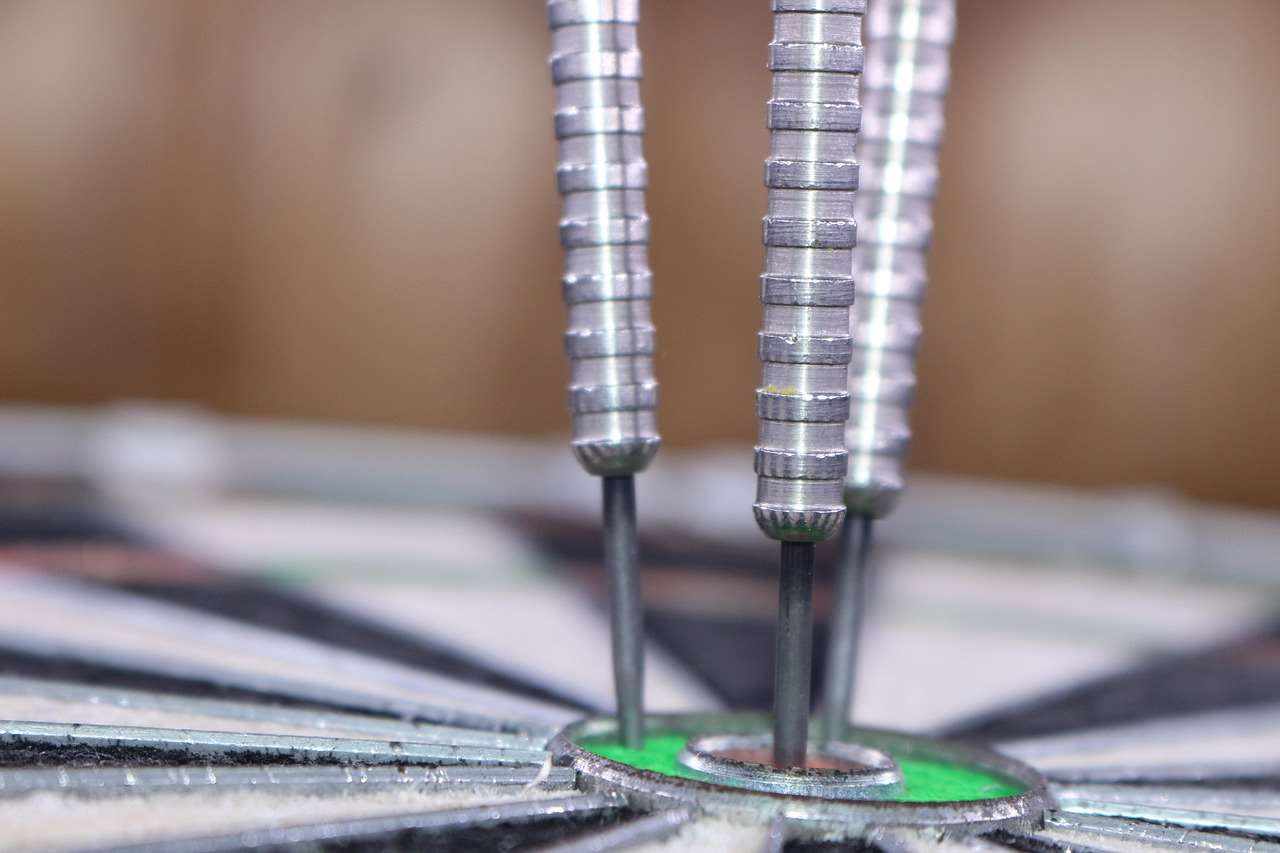
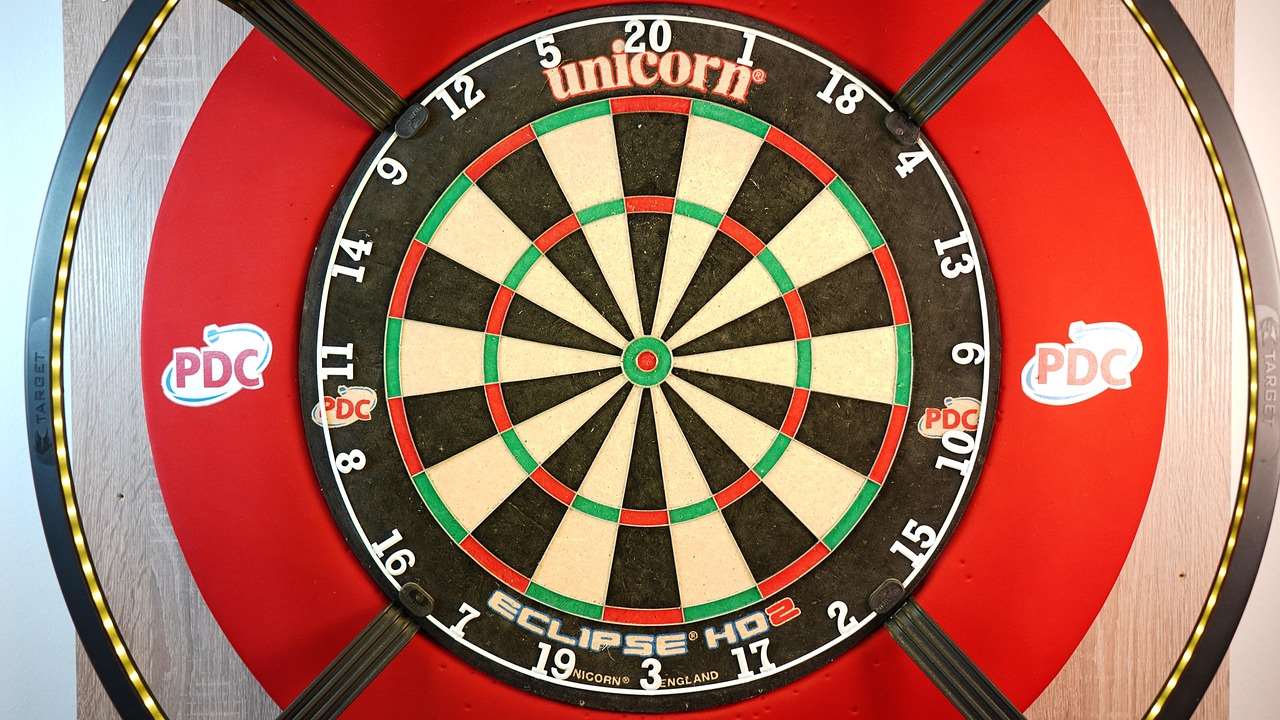
A sisal dartboard, also known as a bristle dartboard, is made from tightly compressed sisal fibers. These fibers are naturally self-healing, meaning the holes created by the darts close up after they are removed. This makes sisal dartboards incredibly durable and long-lasting. Good quality sisal dartboards are a favourite amongst players of all levels.
- Material: Compressed sisal fibers
- Scoring: Manual
- Durability: Excellent
- Noise Level: Relatively quiet
- Maintenance: Requires occasional rotation to even out wear
What is an Electronic Dartboard?
An electronic dartboard, on the other hand, uses a plastic surface with small holes. When a dart hits the board, it registers the score electronically. These boards often come with a variety of pre-programmed games and scoring features, making them ideal for casual play and larger groups. While offering a lot of convenience, their durability isn’t quite as good as sisal ones. Make sure you Choose Best Dart Equipment for maximum performance. Players should carefully examine their throwing technique as well.
- Material: Plastic with small holes
- Scoring: Automatic
- Durability: Moderate
- Noise Level: Can be noisy
- Maintenance: Requires occasional cleaning
Durability and Longevity
When it comes to durability, the sisal dartboard generally reigns supreme. The self-healing properties of the sisal fibers allow the board to withstand countless throws without significant damage. With proper care, a sisal dartboard can last for many years.
Electronic dartboards, while convenient, are more susceptible to wear and tear. The plastic segments can break or become loose over time, and the electronic components can malfunction. The life expectancy of an electronic dartboard is typically shorter than that of a sisal dartboard.
Scoring Systems: Manual Vs Automatic
One of the most significant differences between the two types of dartboards lies in their scoring systems. Sisal dartboards require manual scoring, which can be seen as a traditional and engaging aspect of the game. Some players enjoy the ritual of keeping score themselves, while others may find it tedious.
Electronic dartboards offer automatic scoring, eliminating the need for manual calculation. This can be a huge advantage, especially for beginners or larger groups who want to focus on playing the game rather than keeping track of the score. Many electronic boards also offer a variety of game options and scoring variations.
The Benefits of Automatic Scoring
- Convenience: No need to manually calculate scores.
- Accuracy: Eliminates scoring errors.
- Game Variety: Many electronic boards offer multiple game options.
- Beginner-Friendly: Makes it easier for new players to learn the game.
Noise Levels: Which is Quieter?
The noise level is another factor to consider when choosing between a sisal dartboard and an electronic board. Sisal dartboards are generally much quieter than electronic dartboards. The darts hitting the sisal fibers produce a soft thud, while darts hitting the plastic segments of an electronic board can create a louder, more disruptive sound. If you’re concerned about disturbing others, a sisal dartboard is the better choice.
Cost Comparison: Sisal Vs Electronic Dartboards
The cost of a dartboard can vary depending on the quality, features, and brand. Generally, sisal dartboards tend to be less expensive than electronic dartboards. A good quality sisal dartboard can be purchased for around $50-$100, while electronic dartboards can range from $100 to $300 or more. It is important to balance cost with the quality and features you need. Consider the long-term cost too; higher upfront costs might equate to better durability.
Maintenance and Care
Both sisal dartboards and electronic boards require some level of maintenance to ensure their longevity and performance. For sisal dartboards, regular rotation is essential to even out the wear on the board. This involves turning the board periodically to distribute the impact of the darts across different sections. It’s also important to remove any loose fibers from the board with a soft brush. You can extend the life of your Optimal Dartboard Lighting Solutions Guide setup with proper care too.
Electronic dartboards require occasional cleaning to remove dust and debris from the plastic segments. It’s also important to check the electronic components regularly to ensure they are functioning properly. Replace batteries as needed and avoid exposing the board to moisture or extreme temperatures.
Playing Experience: Feel and Authenticity
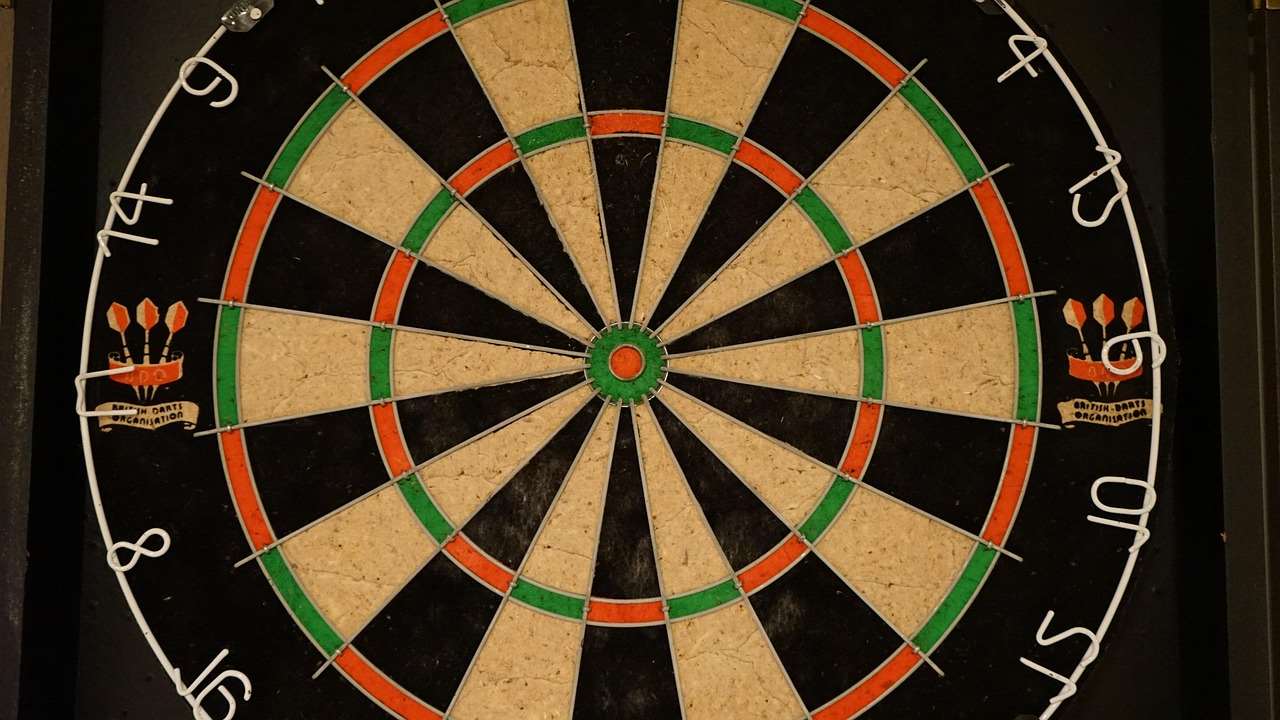
Many dart players prefer the feel and authenticity of a sisal dartboard. The natural fibers provide a unique tactile experience that is difficult to replicate with a plastic electronic board. The sound of the darts hitting the sisal, the visual appeal of the bristle surface, and the tradition of manual scoring all contribute to the overall playing experience.
While electronic dartboards may lack the same level of authenticity, they offer a more convenient and versatile playing experience. The automatic scoring, game variety, and digital interface can be appealing to players who prefer a more modern and interactive experience.
Space Requirements and Portability
Both sisal dartboards and electronic boards require a dedicated space for installation and play. The standard distance from the oche (throwing line) to the dartboard is 7 feet 9.25 inches. You also need to allow enough space around the board for players to move freely. Consider purchasing dartboard cabinets that will help protect the wall and make it easier to set up your dartboard
Sisal dartboards are generally more portable than electronic dartboards, as they do not require a power source. This makes them a good option for taking to parties or events. Electronic dartboards require a power outlet or batteries, which can limit their portability.
Target Audience and Skill Level
The ideal target audience and skill level for each type of dartboard also differ. Sisal dartboards are often preferred by more experienced players who appreciate the traditional feel and challenge of manual scoring. They are also a popular choice for competitive play and tournaments.
Electronic dartboards are often favored by beginners and casual players who are looking for a more convenient and accessible way to enjoy the game. The automatic scoring and game variety make them a great option for social gatherings and family fun. These dartboards often include features which allow players of differing skill level to compete on more equal terms.
Additional Features and Accessories
Electronic dartboards often come with a range of additional features and accessories, such as built-in scoreboards, sound effects, and voice prompts. Some electronic boards also offer online connectivity, allowing players to compete against others around the world. Using Best Dartboard Lighting Systems helps make your playing experience better.
Sisal dartboards typically require separate accessories, such as a scoreboard, dartboard surround (to protect the wall from stray darts), and lighting system. These accessories can be purchased separately to customize your playing experience.
Impact on Throwing Technique
Interestingly, the type of dartboard can subtly influence a player’s throwing technique. Sisal boards, with their slightly softer surface, often encourage a smoother release and a more controlled throw. Players may find themselves focusing on accuracy and precision to ensure the dart sticks properly.
Electronic boards, with their harder plastic segments, can sometimes lead to a more forceful throwing style. Players might be tempted to throw harder to ensure the dart registers a score, which can potentially compromise accuracy and consistency. It’s essential to adapt your throwing technique to the specific board you are using to maintain optimal performance.
Considering the Future of Your Dart Game
When choosing between a sisal dartboard vs electronic board, consider where you see your dart game going in the future. If you aspire to participate in competitive leagues or tournaments, a sisal dartboard is the more appropriate choice, as it’s the standard in professional play. Practicing on a sisal board will help you develop the skills and techniques needed to succeed in these environments.
However, if you’re primarily interested in casual play and social gatherings, an electronic dartboard may be a better fit. The convenience and game variety can enhance the fun and enjoyment of the game, making it a great option for entertaining friends and family.
The Verdict: Which Dartboard is Right for You?
Ultimately, the best choice between a sisal dartboard vs electronic board depends on your individual needs, preferences, and playing style. If you value durability, authenticity, and a traditional playing experience, a sisal dartboard is the way to go. If you prioritize convenience, game variety, and automatic scoring, an electronic dartboard may be a better fit. Consider the factors discussed in this article and choose the dartboard that will provide you with the most enjoyment and satisfaction. Don’t forget to have fun!
Summary of Key Differences:
- Material: Sisal (bristle) vs. Plastic
- Scoring: Manual vs. Automatic
- Durability: High vs. Moderate
- Noise: Quiet vs. Noisy
- Cost: Generally lower vs. Generally higher
- Playing Experience: Traditional vs. Modern
Take Action Now: Choosing the Right Dartboard for Your Game
Now that you’ve explored the nuances of Sisal Dartboard Vs Electronic Board, it’s time to make a decision. Consider your priorities, playing style, and budget. Research different brands and models, read reviews, and compare features. Whether you opt for the classic appeal of sisal or the modern convenience of electronics, the most important thing is to enjoy the game of darts. Ready to elevate your dart game? Explore our other resources and find the perfect equipment to enhance your skills and enjoyment.

Hi, I’m Dieter, and I created Dartcounter (Dartcounterapp.com). My motivation wasn’t being a darts expert – quite the opposite! When I first started playing, I loved the game but found keeping accurate scores and tracking stats difficult and distracting.
I figured I couldn’t be the only one struggling with this. So, I decided to build a solution: an easy-to-use application that everyone, no matter their experience level, could use to manage scoring effortlessly.
My goal for Dartcounter was simple: let the app handle the numbers – the scoring, the averages, the stats, even checkout suggestions – so players could focus purely on their throw and enjoying the game. It began as a way to solve my own beginner’s problem, and I’m thrilled it has grown into a helpful tool for the wider darts community.