Understanding Sisal Dartboard Standards WDF is crucial for fair competition and enjoyable gameplay; these standards dictate the dartboard’s construction, dimensions, and mounting height. This article explores the specific requirements defined by the World Darts Federation (WDF) regarding sisal dartboards, covering everything from the materials used to the precise measurements that ensure a level playing field.
⚠️ Still Using Pen & Paper (or a Chalkboard)?! ⚠️
Step into the future! The Dart Counter App handles all the scoring, suggests checkouts, and tracks your stats automatically. It's easier than you think!
Try the Smart Dart Counter App FREE!Ready for an upgrade? Click above!
What are the Core Sisal Dartboard Standards WDF Sets?
The World Darts Federation (WDF) sets the standard for competitive darts, and understanding these rules is critical for both professional and amateur players. These standards ensure consistency across all tournaments and games played under the WDF banner. The key components of these standards relate to the board itself, the playing area, and the conduct of the game.
One of the most important aspects of the Sisal Dartboard Standards WDF defines is the composition of the dartboard. WDF-approved dartboards must be constructed from high-quality East African sisal fibers. This specific type of sisal is chosen for its durability, self-healing properties, and ability to withstand the constant impact of steel-tipped darts. The fibers are compressed tightly together to form a consistent and dense surface that provides optimal dart retention. Furthermore, the wiring, including the spider and bullseye ring, must adhere to specific dimensions and be made from thin, round wire to minimize bounce-outs.
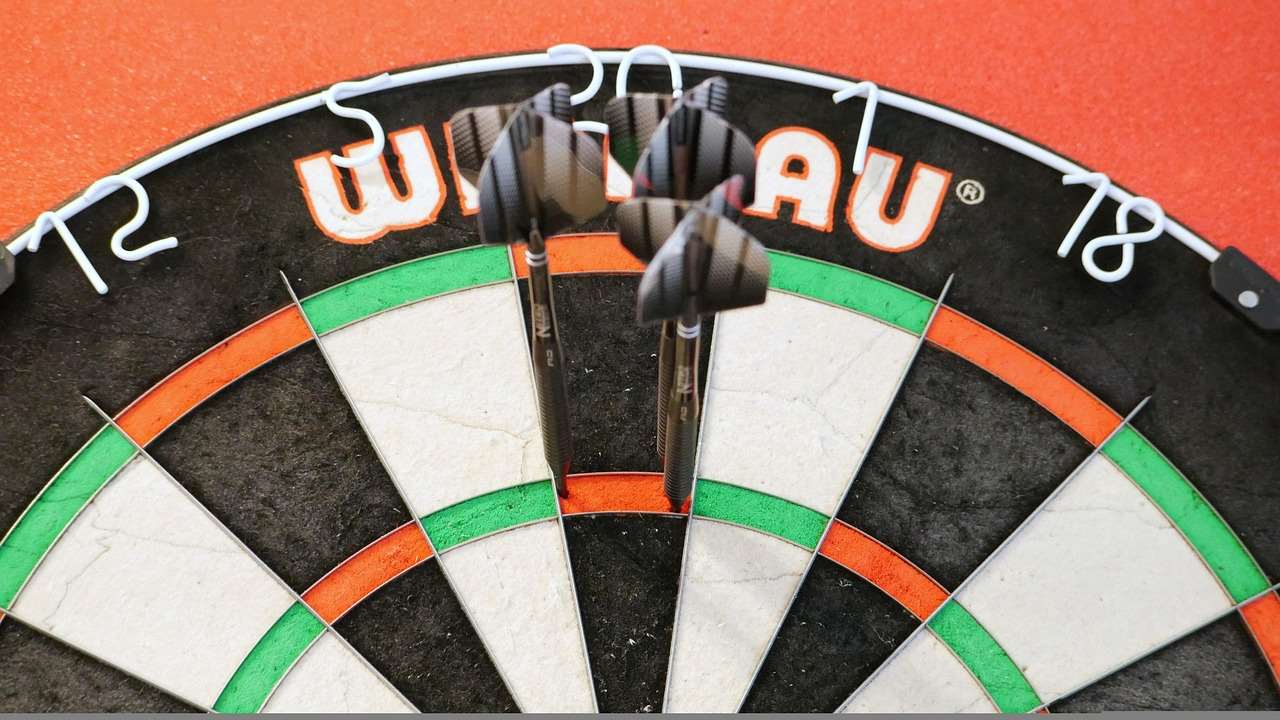
Another core requirement is the precise dimensions of the dartboard. The overall diameter must be 17 ¾ inches (451 mm), and the distance from the floor to the center of the bullseye must be 5 feet 8 inches (1.73 meters). The oche, or throwing line, must be positioned 7 feet 9 ¼ inches (2.37 meters) horizontally from the face of the dartboard. These measurements are strictly enforced in WDF competitions to ensure a fair and equal playing field for all participants. The bullseye itself must have a diameter of 12.7mm (+/- 0.3mm) and the double ring must be 8mm (+/- 0.2mm) wide.
The Importance of Standardized Measurements
The standardization of dartboard dimensions is crucial for several reasons. Firstly, it ensures that all players are competing on the same playing field, regardless of the location or venue. This eliminates any potential advantages or disadvantages that could arise from variations in dartboard height, distance, or target size. Secondly, it allows players to develop consistent throwing techniques and strategies, knowing that the target will always be the same size and distance. This is especially important for professional players who rely on precision and accuracy to succeed. Additionally, conforming to Sisal Dartboard Standards WDF creates a unified environment for training and practice, allowing players to effectively prepare for competition.
Choosing the Choose Best Dart Equipment is crucial. The consistency provided by adhering to WDF standards means that performance in practice directly translates to performance in competition.
Detailed Look at Sisal Fiber and Construction
The quality and type of sisal fiber used in a dartboard significantly impact its durability and playability. As previously mentioned, East African sisal is the preferred choice due to its superior strength and self-healing properties. The manufacturing process involves carefully compressing the sisal fibers into a dense, uniform mass, ensuring that darts penetrate easily and securely while minimizing bounce-outs.
The coloring process of a sisal dartboard also plays a role in its overall quality. The colors must be applied evenly and consistently without compromising the integrity of the sisal fibers. High-quality dartboards use dyes that are resistant to fading and wear, ensuring that the board remains visually appealing and easily readable over time. The numbers around the board must be clear and securely attached, often made from metal or a durable polymer material.
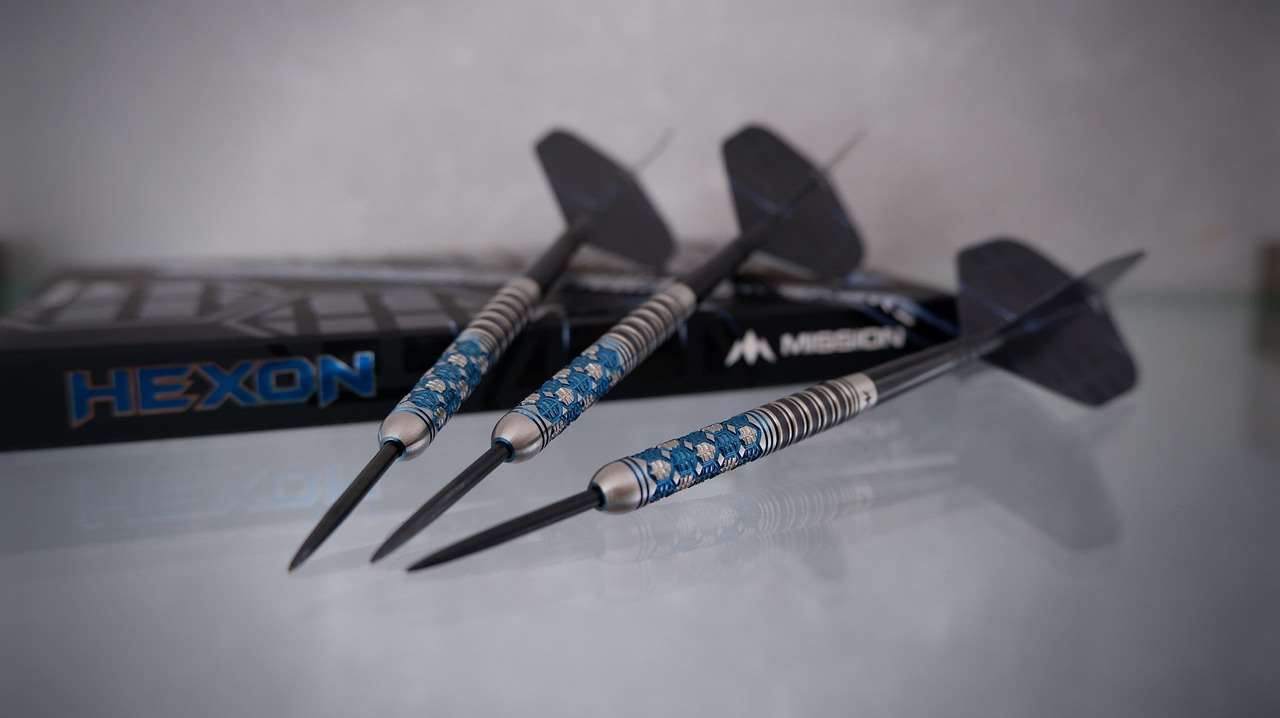
Moreover, the density of the sisal fibers directly affects the dartboard’s ability to absorb impact and self-heal. A denser board will last longer and require less maintenance, making it a more cost-effective investment in the long run. Look for dartboards that are specifically advertised as having a high-density sisal construction. You might also consider the **dartboard wiring** design, as thinner wires can result in fewer bounce-outs.
Maintenance Tips for Sisal Dartboards
To prolong the life of your sisal dartboard and maintain its optimal playing condition, regular maintenance is essential. Here are a few helpful tips:
- Rotate the Dartboard: Regularly rotating the dartboard allows different sections to receive equal wear, preventing any single area from becoming overly worn or damaged. Aim to rotate the board every few weeks.
- Moisten the Sisal: Sisal fibers can dry out over time, causing them to become brittle and prone to damage. Lightly misting the dartboard with water can help to rehydrate the fibers and maintain their elasticity.
- Remove Loose Fibers: Occasionally, loose fibers may become dislodged from the dartboard. These should be carefully removed to prevent them from interfering with dart placement.
- Use a Dartboard Surround: A dartboard surround protects the surrounding wall from stray darts and helps to reduce noise.
By following these simple maintenance tips, you can significantly extend the lifespan of your sisal dartboard and enjoy consistent, high-quality gameplay for years to come.
Understanding Wiring and Segment Design in Relation to Sisal Dartboard Standards WDF
The wiring and segment design of a sisal dartboard are critical factors that influence its playability and adherence to Sisal Dartboard Standards WDF. The wiring, often referred to as the spider, separates the different scoring segments and plays a crucial role in minimizing bounce-outs. Thinner wiring allows darts to penetrate the board more easily, while round wiring reduces the likelihood of darts deflecting off the surface.
The most common types of wiring used in sisal dartboards include round wire, triangular wire, and blade wire. Blade wire, also known as staple-free wiring, is considered the most advanced design, as it sits flush with the sisal surface, minimizing obstructions and maximizing scoring potential. Triangular wire offers a good balance between durability and performance, while round wire is the traditional option. Ultimately, the choice of wiring depends on personal preference and budget.
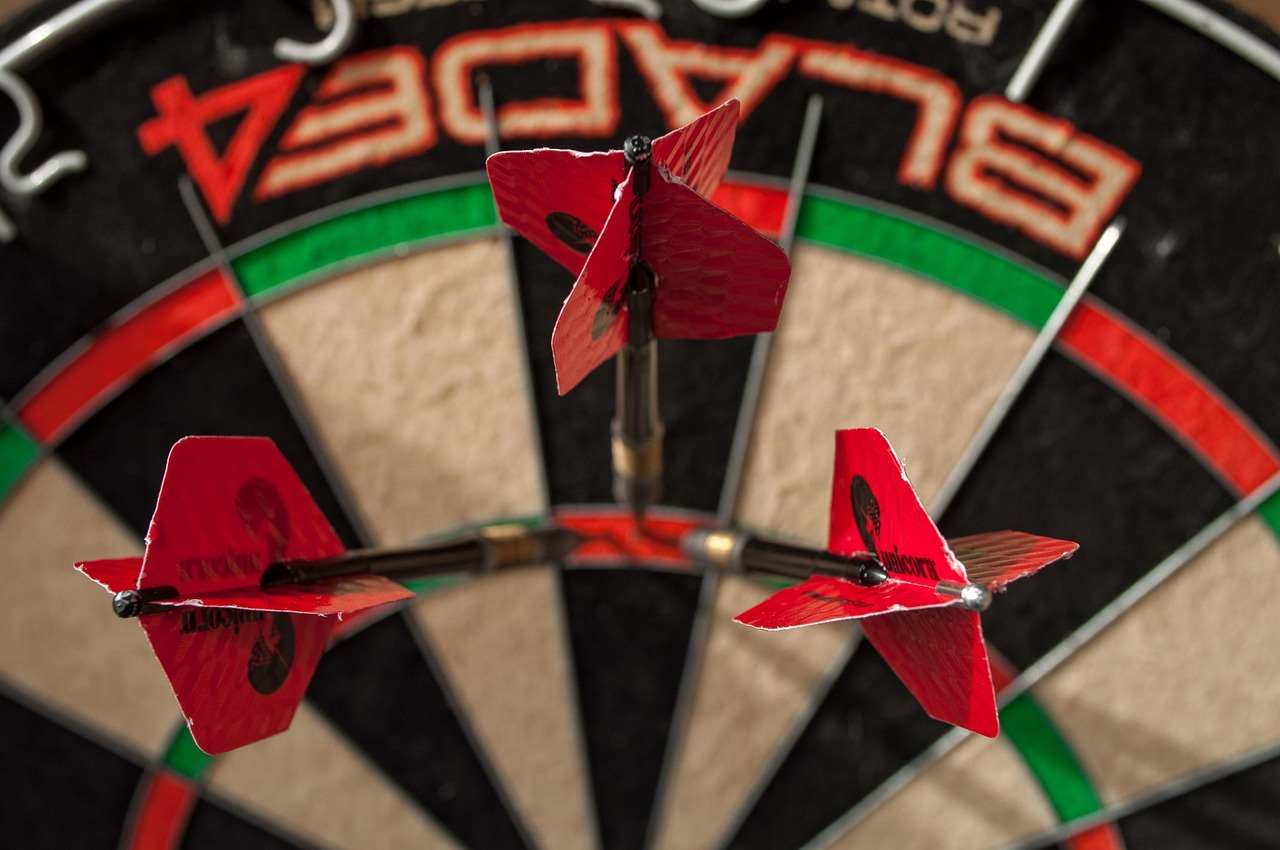
The segment design also impacts gameplay. The size and shape of each segment, including the doubles, trebles, and bullseye, must adhere to specific dimensions outlined by the WDF. These measurements ensure that all players are competing on a level playing field and that scoring is accurate and consistent.
Common Issues and Troubleshooting
Despite the robust construction of sisal dartboards, certain issues may arise over time. Here are a few common problems and troubleshooting tips:
- Bounce-Outs: Bounce-outs can be caused by dull darts, worn wiring, or dry sisal fibers. Sharpening your darts, replacing the wiring, or moistening the board can help to reduce bounce-outs.
- Loose Segments: Over time, the segments of the dartboard may become loose. This can be addressed by carefully tightening the screws that hold the segments in place.
- Worn Bullseye: The bullseye is the most frequently targeted area of the dartboard and may wear out more quickly than other segments. Rotating the board can help to distribute wear more evenly.
Addressing these issues promptly can prevent them from escalating and prolong the lifespan of your sisal dartboard. Furthermore, consider Optimal Dartboard Lighting Solutions Guide to enhance your playing experience and accuracy.
Impact of Proper Lighting on Sisal Dartboard Standards WDF Compliance
While not directly part of the physical Sisal Dartboard Standards WDF, proper lighting plays a crucial role in ensuring fair and accurate gameplay, and it indirectly contributes to WDF compliance by allowing players to clearly see the target and make precise throws. Insufficient or poorly positioned lighting can create shadows, glare, and visual distortions, making it difficult for players to aim accurately and potentially leading to disputes over scoring.
The ideal lighting setup for a dartboard should provide bright, even illumination across the entire surface, without casting any harsh shadows or causing glare. This can be achieved by using multiple light sources positioned around the dartboard or by utilizing a dedicated dartboard lighting system. Common options include overhead lights, side lights, and ring lights. A good option could be to consider Best Dartboard Lighting Systems to improve your game.
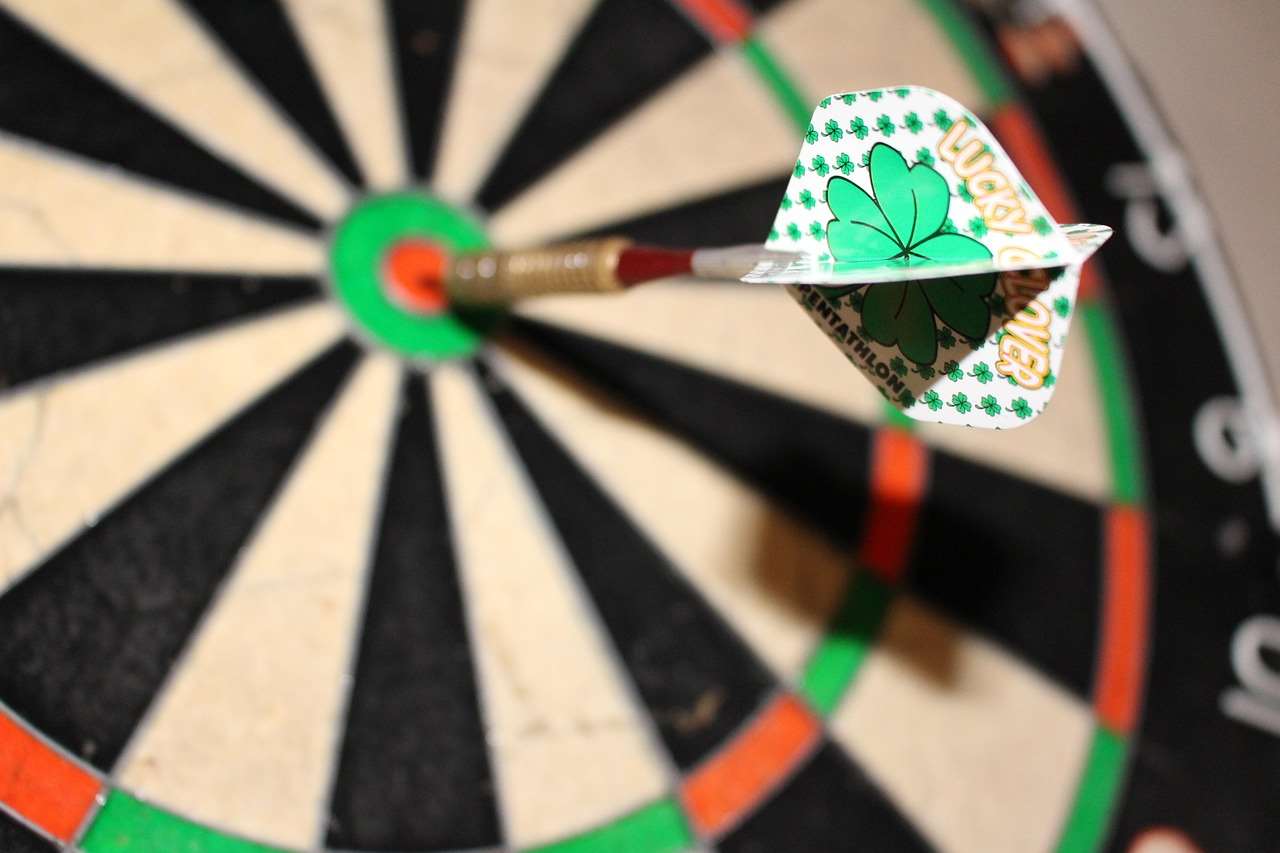
The color temperature of the lighting is also an important consideration. A neutral white light (around 4000-5000 Kelvin) is generally recommended, as it provides good color rendering and reduces eye strain. Avoid using excessively warm or cool lighting, as this can distort the colors of the dartboard and make it difficult to distinguish between the different segments.
Choosing the Right Lighting System
When selecting a dartboard lighting system, consider the following factors:
- Brightness: The lighting system should provide sufficient brightness to illuminate the entire dartboard evenly.
- Color Temperature: Opt for a neutral white light (around 4000-5000 Kelvin).
- Adjustability: Look for a lighting system that allows you to adjust the brightness and angle of the light to optimize visibility.
- Mounting Options: Choose a lighting system that can be easily mounted to your dartboard or surrounding wall.
- Energy Efficiency: Consider a lighting system that uses energy-efficient LED bulbs to save on electricity costs.
Investing in a high-quality dartboard lighting system can significantly enhance your playing experience and help you to achieve greater accuracy and consistency.
Beyond the Board: Other WDF Standards Related to Gameplay
While the focus is often on the physical Sisal Dartboard Standards WDF, it’s important to remember that the WDF also has rules and regulations that extend to other aspects of gameplay. These include guidelines on player conduct, tournament formats, and scoring procedures. Adhering to these standards ensures fair play and maintains the integrity of the sport.
The WDF has strict rules regarding player conduct, including guidelines on sportsmanship, etiquette, and anti-doping measures. Players are expected to conduct themselves in a respectful and professional manner at all times, both on and off the oche. Any violations of these rules can result in penalties, including fines, suspensions, or disqualification.
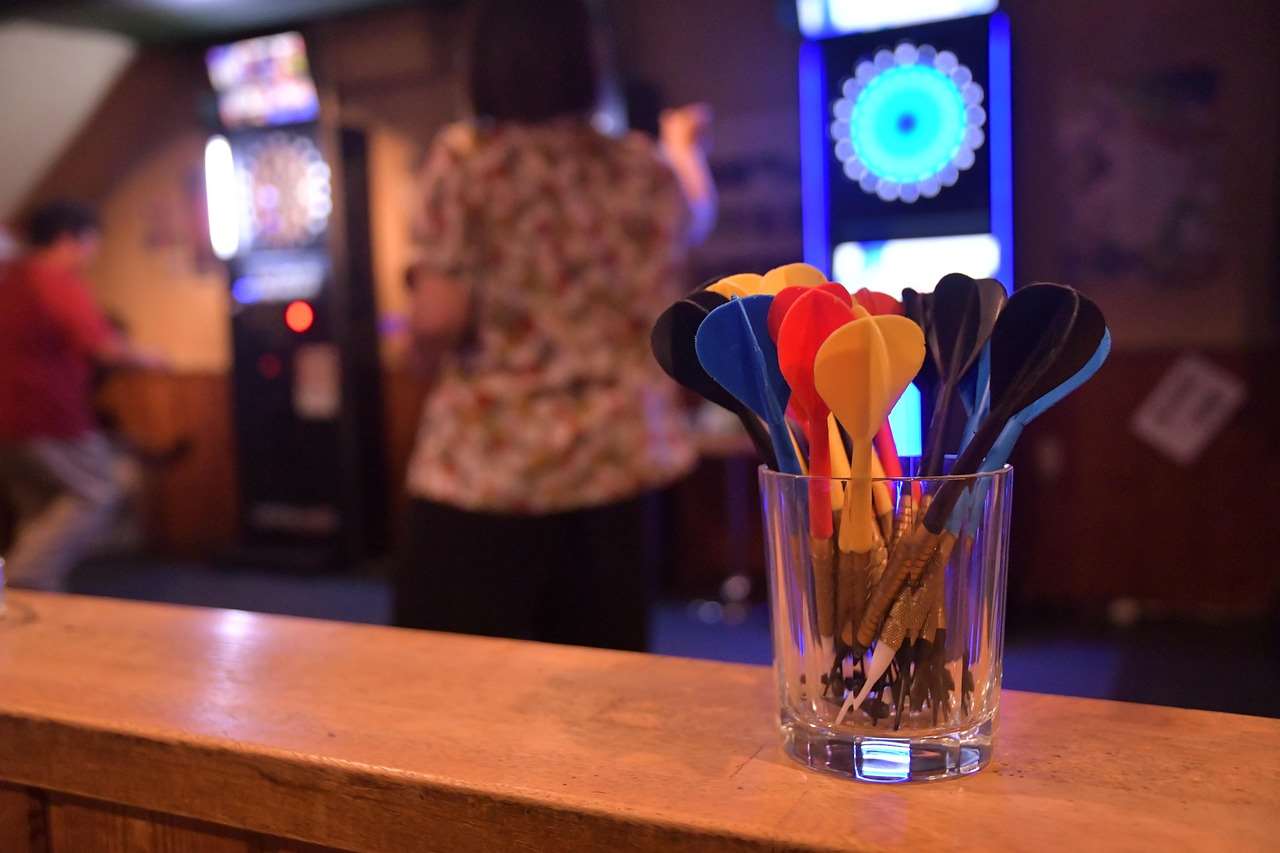
Tournament formats also adhere to WDF standards, ensuring consistency across different competitions. These formats typically involve a series of matches, with players progressing through rounds based on their performance. The scoring system used in WDF tournaments is also standardized, with points awarded based on the segment in which the dart lands.
Resources for Staying Updated
Staying informed about the latest WDF rules and regulations is essential for both players and tournament organizers. The WDF website is the primary source of information, providing access to official rulebooks, tournament schedules, and news updates. Additionally, many darts-related websites and forums offer valuable resources and discussions on WDF standards and gameplay.
By staying updated and adhering to these standards, you can contribute to the fairness and integrity of the sport of darts and ensure that all players have an equal opportunity to compete at their best.
Conclusion: Embracing Sisal Dartboard Standards WDF for Enhanced Gameplay
Understanding and adhering to Sisal Dartboard Standards WDF is essential for creating a fair, consistent, and enjoyable darts experience. From the specific type of sisal used in the board’s construction to the precise measurements that define the playing area, these standards ensure that all players compete on a level playing field. By investing in a high-quality sisal dartboard that meets WDF specifications, implementing proper maintenance practices, and adhering to the rules of gameplay, you can significantly enhance your performance and appreciation for the sport.
Ultimately, embracing Sisal Dartboard Standards WDF elevates the game for everyone involved, from casual players to seasoned professionals. So, take the time to familiarize yourself with these standards and make them an integral part of your darts experience. Ready to upgrade your setup? Explore certified sisal dartboards and improve your game today!

Hi, I’m Dieter, and I created Dartcounter (Dartcounterapp.com). My motivation wasn’t being a darts expert – quite the opposite! When I first started playing, I loved the game but found keeping accurate scores and tracking stats difficult and distracting.
I figured I couldn’t be the only one struggling with this. So, I decided to build a solution: an easy-to-use application that everyone, no matter their experience level, could use to manage scoring effortlessly.
My goal for Dartcounter was simple: let the app handle the numbers – the scoring, the averages, the stats, even checkout suggestions – so players could focus purely on their throw and enjoying the game. It began as a way to solve my own beginner’s problem, and I’m thrilled it has grown into a helpful tool for the wider darts community.