Understanding Sisal Dartboard Standards PDC is crucial for ensuring fair play and consistent scoring in professional darts. This article delves into the specific regulations and dimensions set by the Professional Darts Corporation (PDC) for sisal dartboards, providing a comprehensive guide for players, enthusiasts, and anyone looking to set up a regulation-compliant dartboard setup.
⚠️ Still Using Pen & Paper (or a Chalkboard)?! ⚠️
Step into the future! The Dart Counter App handles all the scoring, suggests checkouts, and tracks your stats automatically. It's easier than you think!
Try the Smart Dart Counter App FREE!Ready for an upgrade? Click above!
Understanding Sisal Dartboard Standards PDC
The Sisal Dartboard Standards PDC are a set of guidelines established by the Professional Darts Corporation (PDC) to ensure uniformity and fairness in professional darts competitions. These standards dictate the dimensions, materials, and construction of dartboards used in PDC events, influencing everything from the accuracy of throws to the overall competitive experience. A regulation dartboard is the foundation of a fair and enjoyable game.
Why PDC Standards Matter
Following PDC standards is vital for several reasons:
- Fairness: Ensures all players compete on the same playing field with identical equipment.
- Accuracy: Precise dimensions and materials promote consistent scoring.
- Professionalism: Adherence to standards reflects the professionalism of the sport.
- Competition: Allows for accurate comparison of performance across different events.
Key Dimensions and Specifications
The official dartboard size and dimensions are critical aspects of Sisal Dartboard Standards PDC. Understanding these measurements is essential for setting up a dartboard correctly.
Dartboard Diameter
The overall diameter of a regulation dartboard must be 17 3/4 inches (451 mm).
Bullseye Height
The center of the bullseye should be 5 feet 8 inches (1.73 meters) from the floor.
Throwing Distance (Oche)
The oche, or throwing line, must be 7 feet 9 1/4 inches (2.37 meters) from the face of the dartboard. Diagonally, from the bullseye to the oche it is 9 feet 7 3/8 inches (2.93 meters).
Dartboard Thickness
While not strictly regulated, dartboard thickness typically ranges from 1 1/2 to 2 inches.
Material Specifications: The Importance of Sisal
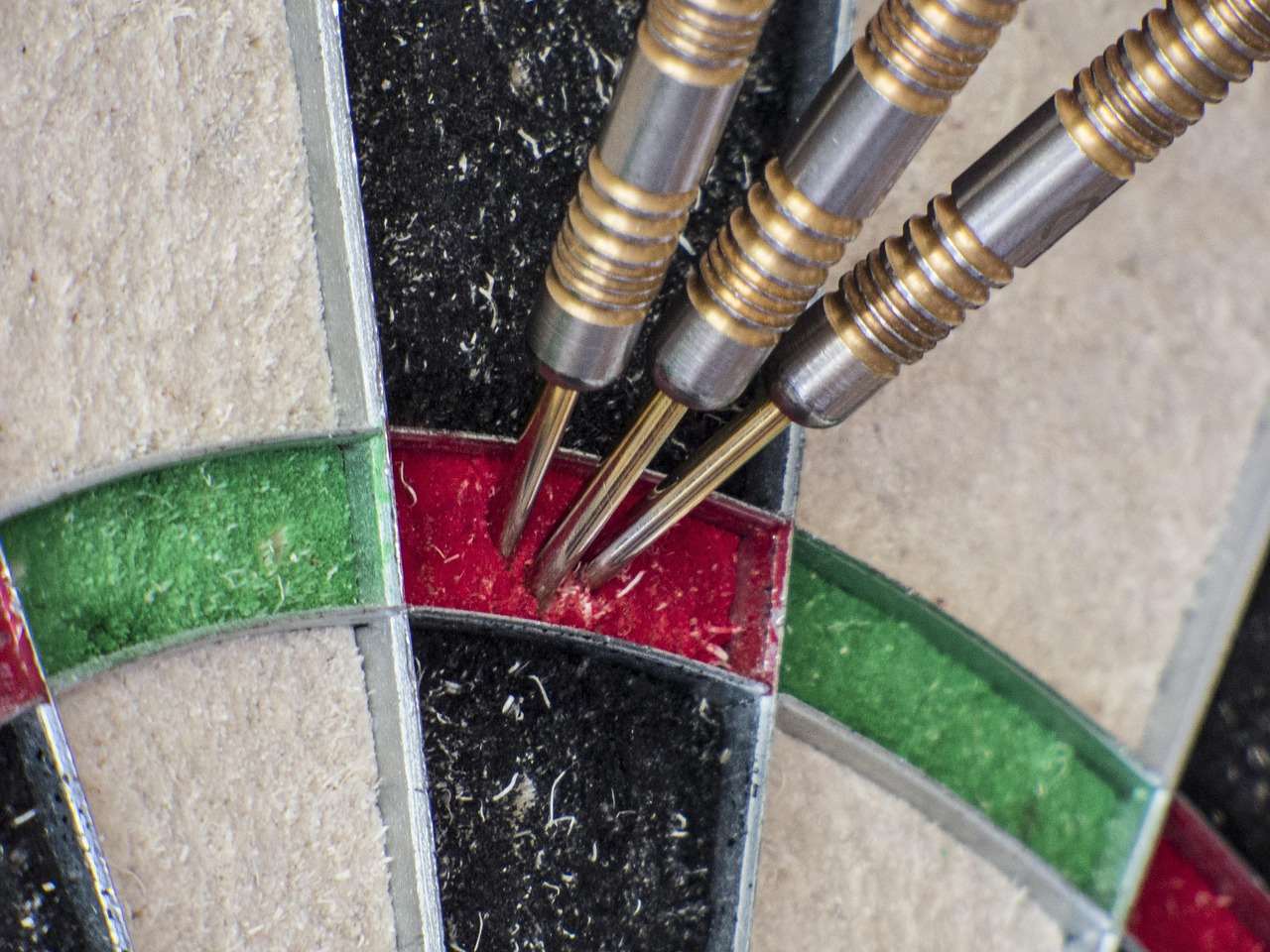
The material used in dartboard construction plays a significant role in its durability, playability, and adherence to Sisal Dartboard Standards PDC. Sisal fiber is the preferred material for professional dartboards.
Why Sisal?
Sisal is chosen for its unique properties:
- Self-Healing: Fibers naturally close up after dart removal, extending the dartboard’s lifespan.
- Durability: Withstands repeated impacts from darts.
- Density: Provides a consistent surface for dart penetration and scoring.
Cheaper dartboards may use materials like cork or paper, but these lack the durability and self-healing properties of sisal.
Proper dartboard lighting also significantly impacts the gameplay experience.
Dartboard Construction and Design
Beyond materials and dimensions, the construction and design of a dartboard are integral to meeting Sisal Dartboard Standards PDC. This includes the wiring and the number ring.
Wiring System
The wiring, or spider, that separates the scoring sections should be thin and designed to minimize bounce-outs. Modern dartboards often feature blade wiring or staple-free bullseyes to further reduce bounce-outs. Choosing best dart equipment, including the dartboard, improves gameplay.
Number Ring
The number ring must be securely attached and accurately reflect the correct scoring values for each section. It should be easily readable and resistant to wear and tear. Consider dartboard lighting systems to enhance visibility.
Maintaining Your Sisal Dartboard
To ensure your sisal dartboard lasts and performs optimally, proper maintenance is crucial. Here’s how to keep your dartboard in top condition and stay within Sisal Dartboard Standards PDC in terms of functionality:
Rotation
Regularly rotate the dartboard to distribute wear evenly across all sections. This prevents specific areas from becoming overly worn and extends the overall lifespan of the dartboard.
Moisture Control
Sisal is a natural fiber and can be affected by moisture. Avoid placing your dartboard in humid environments, as this can cause warping or swelling. Consider using a dehumidifier in damp locations.
Dart Care
Ensure your darts have sharp points to penetrate the sisal cleanly. Dull points can damage the fibers and reduce the dartboard’s self-healing properties.
The Role of the PDC in Setting Standards
The Professional Darts Corporation (PDC) plays a vital role in establishing and enforcing Sisal Dartboard Standards PDC. They regularly review and update these standards to maintain fairness and consistency in professional darts competitions. This ensures that every player competes under the same conditions, preserving the integrity of the sport.
PDC Oversight
The PDC has the authority to inspect dartboards used in their events to ensure compliance with the established standards. Any dartboard found to be non-compliant will be replaced to guarantee fair play. Remember to use LED dartboard lights benefits for better visuals.
Impact of Standards on Gameplay
Adhering to Sisal Dartboard Standards PDC directly impacts gameplay in several ways:
- Consistent Scoring: Ensures that darts land and stick in the board predictably, leading to accurate scoring.
- Reduced Bounce-Outs: Minimizes the frequency of darts bouncing out of the board, reducing frustration and maintaining the flow of the game.
- Fair Competition: Levels the playing field for all competitors, allowing skill to be the primary determinant of success.
Choosing the Right Dartboard for Your Needs
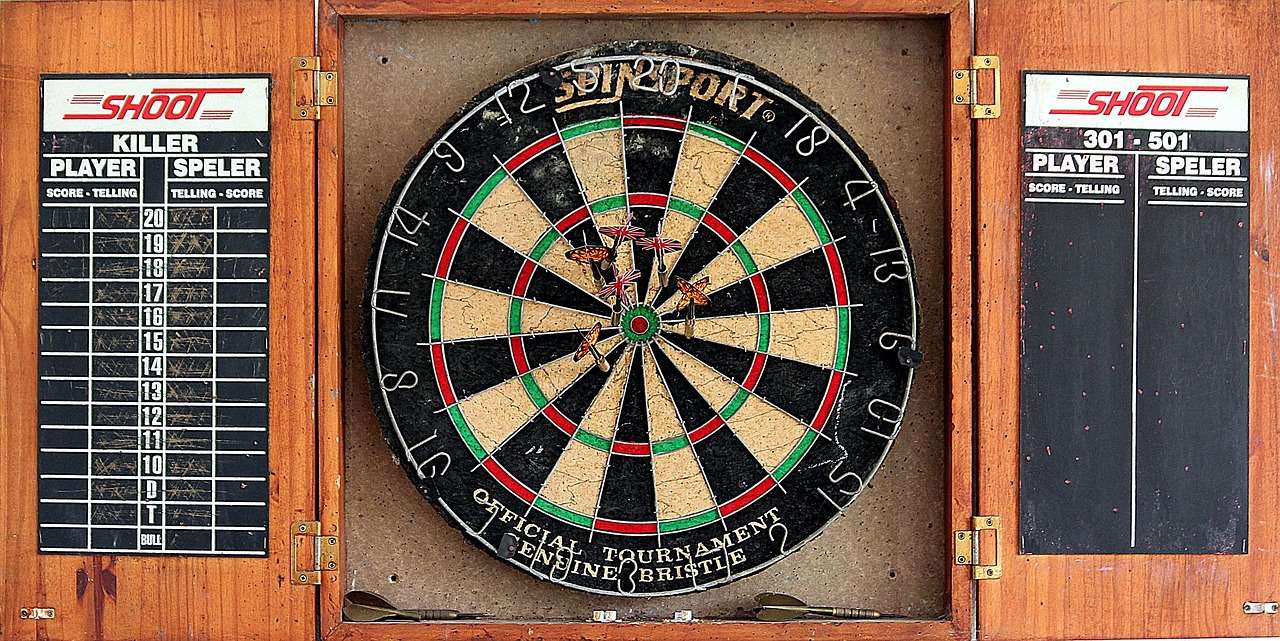
When selecting a sisal dartboard, consider the following factors to ensure it meets your needs and approximates Sisal Dartboard Standards PDC as closely as possible for practice and casual play:
Budget
Sisal dartboards vary in price depending on the quality of materials and construction. Set a budget and choose the best option within your price range. Choosing How To Light Your Dartboard is an important decision for improved gameplay.
Wiring Type
Opt for a dartboard with thin, blade wiring or a staple-free bullseye to minimize bounce-outs.
Brand Reputation
Research different dartboard brands and read reviews to get an idea of their quality and durability.
Conclusion
Understanding and adhering to Sisal Dartboard Standards PDC is essential for anyone serious about darts, whether you’re a casual player, a competitive amateur, or an aspiring professional. By ensuring that your dartboard setup meets these standards, you can create a fair, consistent, and enjoyable playing experience. Remember the key dimensions, the importance of sisal, and the need for regular maintenance. Now that you understand the Sisal Dartboard Standards PDC, ensure your equipment meets these guidelines. Are you ready to elevate your game? Research and purchase a PDC-compliant dartboard today!

Hi, I’m Dieter, and I created Dartcounter (Dartcounterapp.com). My motivation wasn’t being a darts expert – quite the opposite! When I first started playing, I loved the game but found keeping accurate scores and tracking stats difficult and distracting.
I figured I couldn’t be the only one struggling with this. So, I decided to build a solution: an easy-to-use application that everyone, no matter their experience level, could use to manage scoring effortlessly.
My goal for Dartcounter was simple: let the app handle the numbers – the scoring, the averages, the stats, even checkout suggestions – so players could focus purely on their throw and enjoying the game. It began as a way to solve my own beginner’s problem, and I’m thrilled it has grown into a helpful tool for the wider darts community.