The key to significantly reducing noise from your dartboard is understanding sisal dartboard sound absorption; sisal fibers naturally dampen impact sounds, but further measures can drastically improve soundproofing. This article explores how sisal dartboards function acoustically, and offers practical solutions for minimizing dartboard noise in your home.
⚠️ Still Using Pen & Paper (or a Chalkboard)?! ⚠️
Step into the future! The Dart Counter App handles all the scoring, suggests checkouts, and tracks your stats automatically. It's easier than you think!
Try the Smart Dart Counter App FREE!Ready for an upgrade? Click above!
Understanding Sisal Dartboard Sound Absorption
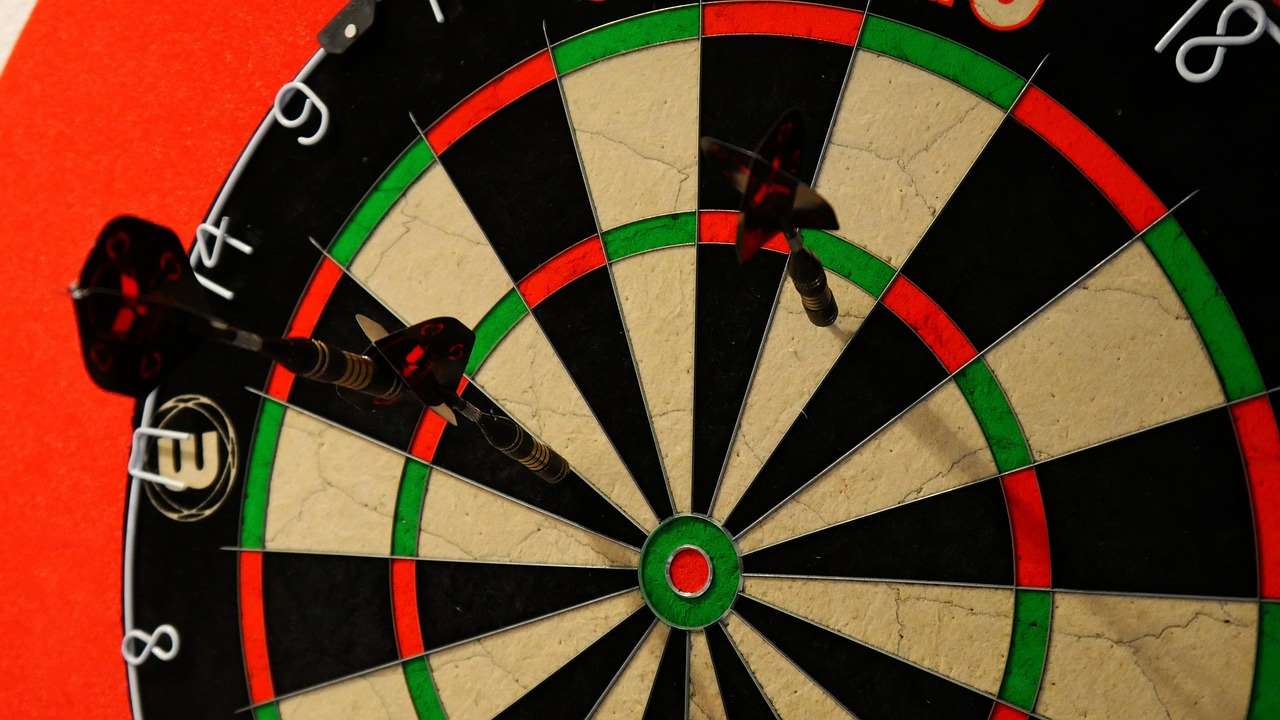
Sisal dartboards are the preferred choice for serious darts players due to their self-healing properties and durability. This material, derived from the sisal agave plant, offers a unique combination of density and fibrous structure that contributes to sisal dartboard sound absorption. However, even with these inherent qualities, the impact of darts can still generate considerable noise, especially in shared living spaces or apartments. Optimizing your setup and implementing additional soundproofing measures are crucial for minimizing noise disruption.
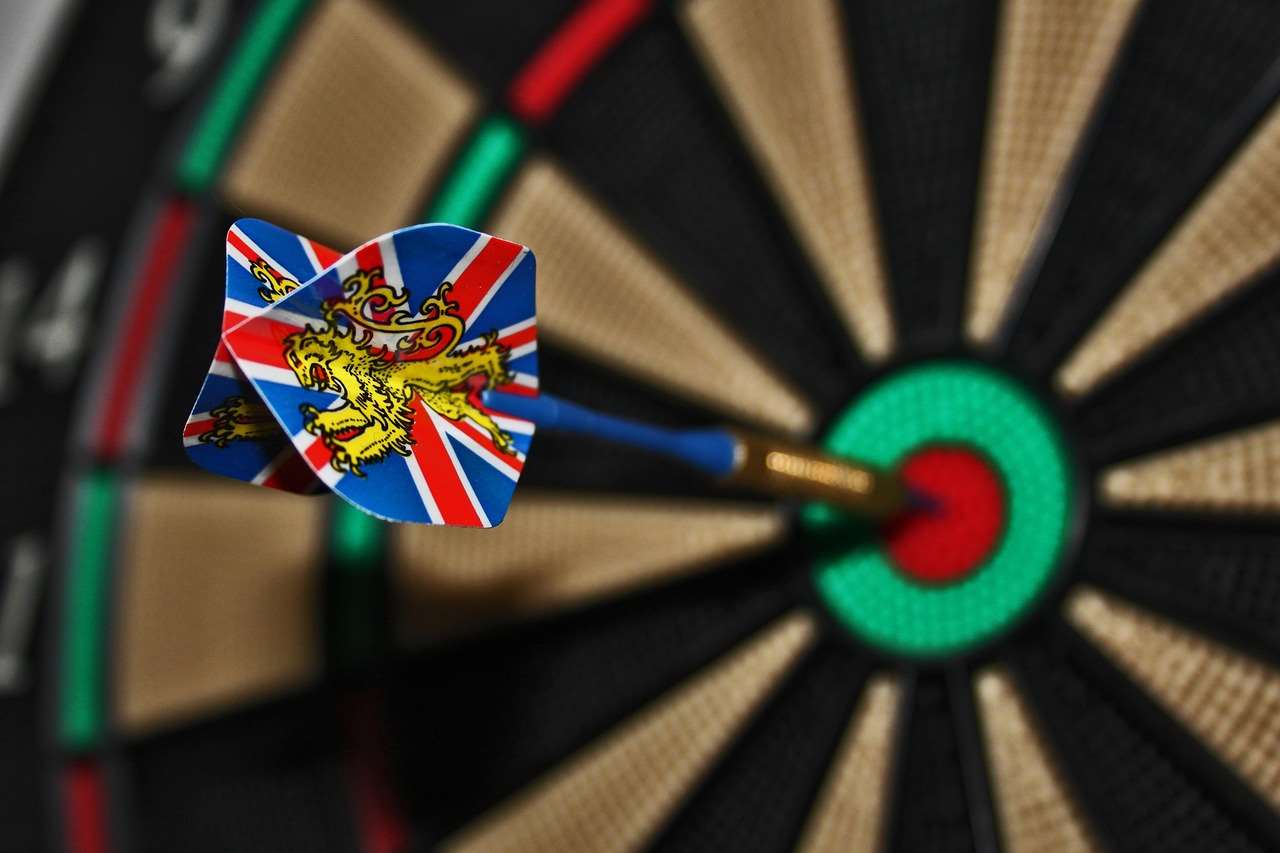
How Sisal Absorbs Sound
The dense, tightly packed fibers of a sisal dartboard absorb some of the kinetic energy from the dart’s impact. Instead of a hard, reflective surface, the sisal allows the dart to penetrate, converting some of the energy into heat and deformation of the fibers. This process reduces the amount of energy that is transferred into sound waves. However, the effectiveness of this sound absorption can vary depending on the dartboard’s quality, density, and the force of impact.
Furthermore, the way the dartboard is mounted also affects the overall noise level. A poorly mounted dartboard can vibrate against the wall, amplifying the sound. To Choose Best Dart Equipment also consider the mounting materials used. Using soft, compliant materials can further dampen vibrations and reduce noise transmission.
Factors Affecting Dartboard Noise Levels
Several factors can influence how loud your dartboard setup is. Understanding these factors is the first step in effectively minimizing noise:
- Dart Weight: Heavier darts generally produce more impact noise than lighter darts.
- Throwing Force: A more forceful throw will result in a louder impact.
- Wall Material: The type of wall the dartboard is mounted on (e.g., drywall, concrete) significantly affects sound transmission.
- Mounting Method: A securely mounted dartboard will vibrate less and produce less noise than a loosely mounted one.
- Dartboard Quality: The density and thickness of the sisal can influence sound absorption.
Effective Strategies for Improving Sisal Dartboard Sound Absorption
While sisal offers some inherent sound absorption, additional steps can significantly reduce the noise produced by your dartboard. Here are some effective strategies:
1. Soundproof the Wall Behind the Dartboard
One of the most effective methods is to add soundproofing material directly to the wall behind the dartboard. Consider these options:
- Acoustic Panels: These panels are designed to absorb sound waves and reduce reverberation. They are available in various sizes, shapes, and colors to complement your décor.
- Mass-Loaded Vinyl (MLV): MLV is a dense, flexible material that acts as a sound barrier. It is highly effective at blocking sound transmission through walls.
- Soundproof Blankets: These blankets can be hung behind the dartboard to absorb sound. They are a more affordable option than acoustic panels or MLV.
Applying these materials can dramatically improve the sisal dartboard sound absorption of your setup.
2. Use a Dartboard Surround
A dartboard surround not only protects the wall from stray darts but also provides an additional layer of sound dampening. Look for surrounds made of dense foam or other sound-absorbing materials.
Furthermore, consider a surround that fully encapsulates the dartboard, offering even greater protection and noise reduction.
3. Implement a Vibration-Dampening Mounting System
A robust and vibration-dampening mounting system is crucial. Avoid mounting the dartboard directly onto the wall. Instead, consider using:
- Rubber Washers: Place rubber washers between the dartboard and the wall to absorb vibrations.
- Foam Padding: Add a layer of foam padding behind the dartboard to further dampen vibrations.
- Acoustic Isolation Clips: These clips are designed to isolate the dartboard from the wall structure, minimizing sound transmission.
Proper mounting can significantly contribute to sisal dartboard sound absorption.
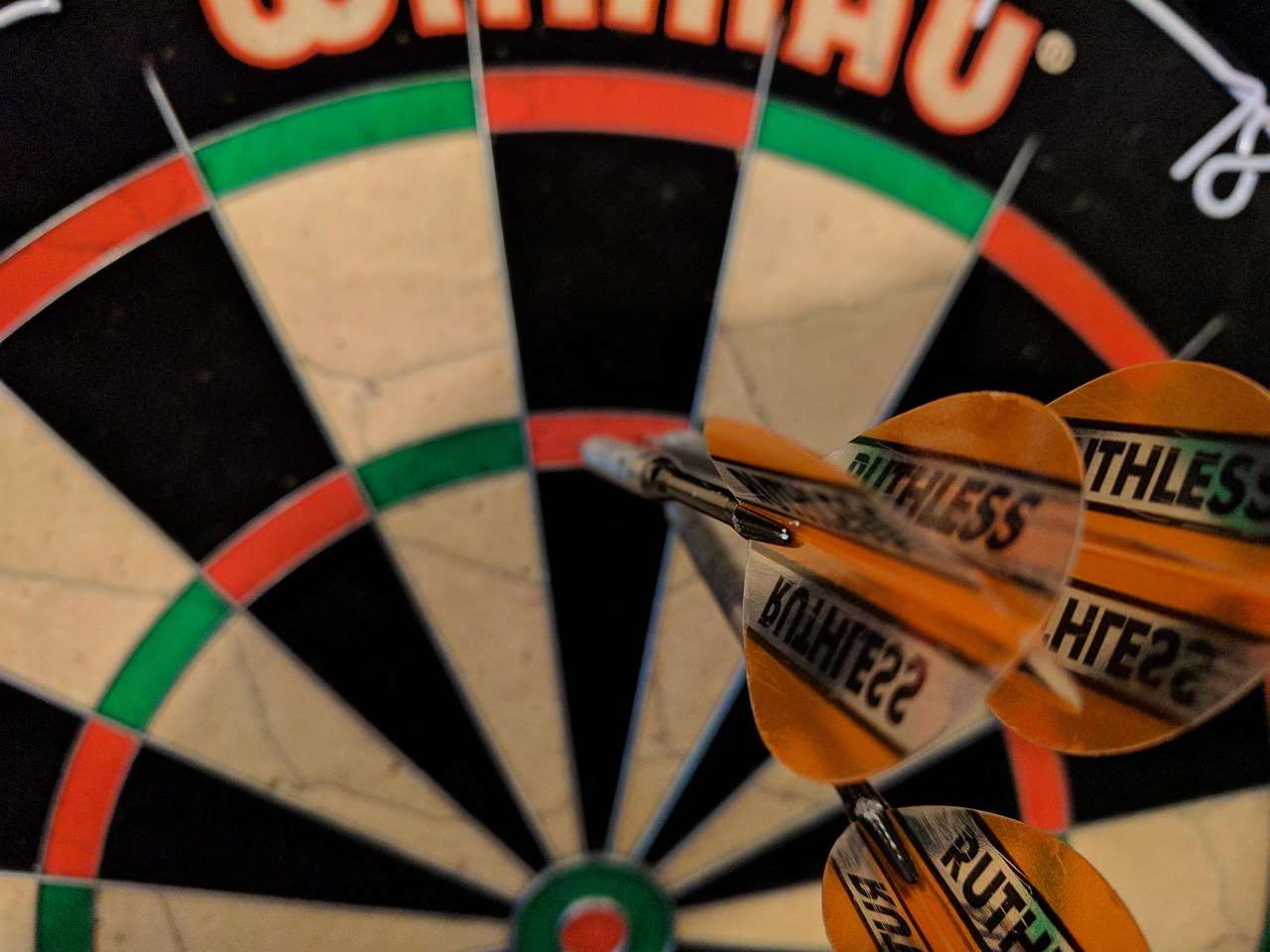
4. Consider Dartboard Cabinets
A dartboard cabinet can significantly reduce noise. The cabinet walls act as a barrier, absorbing and reflecting sound waves. Look for cabinets with added soundproofing features, such as foam padding or acoustic panels on the inside of the doors.
For enhanced effect, strategically use Cabinet Lighting For Dartboards that won’t further amplify any noise or vibration.
5. Experiment with Different Darts
As mentioned earlier, dart weight affects noise levels. Experiment with lighter darts to see if it makes a noticeable difference. Also, consider using darts with rubber o-rings to further reduce vibration upon impact.
Related Considerations: Room Acoustics
The acoustics of the room itself also play a role in how loud the dartboard sounds. Hard surfaces like concrete floors and bare walls reflect sound waves, amplifying the noise. To improve room acoustics, consider adding:
- Carpets or Rugs: These absorb sound and reduce reflections.
- Curtains: Heavy curtains can dampen sound and improve the overall acoustics of the room.
- Upholstered Furniture: Sofas, chairs, and other upholstered furniture absorb sound waves.
These additions will complement your efforts to improve sisal dartboard sound absorption at the source.
The Science Behind Sound Absorption Materials
Understanding how different materials absorb sound can help you make informed decisions when choosing soundproofing solutions. Sound absorption is the process by which a material converts sound energy into another form of energy, usually heat. The effectiveness of a material at absorbing sound depends on its:
- Porosity: Materials with high porosity have many small holes or voids that trap sound waves.
- Density: Denser materials are generally more effective at blocking sound transmission.
- Thickness: Thicker materials provide more mass and surface area for sound absorption.
By understanding these properties, you can select materials that are best suited for improving sisal dartboard sound absorption. And don’t forget to invest in Best Dartboard Lighting Systems, that don’t generate excessive heat or noise.
DIY Soundproofing Solutions
If you’re on a budget, there are several DIY soundproofing solutions you can try:
- Moving Blankets: These can be hung behind the dartboard or used to cover the walls.
- Egg Crates: While not as effective as professional acoustic panels, egg crates can provide some sound diffusion.
- Thick Fabric: Hanging thick fabric, such as old curtains or blankets, can help absorb sound.
While these solutions may not be as effective as professional soundproofing materials, they can still make a noticeable difference in reducing dartboard noise.
Maintaining Your Sisal Dartboard for Optimal Sound Absorption
Proper maintenance can also play a role in sisal dartboard sound absorption. Regularly rotating the dartboard helps to distribute wear evenly, preventing the sisal fibers from becoming overly compacted in certain areas. This maintains the board’s ability to absorb impact and reduce noise.
Additionally, removing stray fibers and debris from the board can help maintain its overall performance and longevity. It will also prevent damage to your Optimal Dartboard Lighting Solutions Guide, by reducing potential fire hazards.
Conclusion
Minimizing dartboard noise is essential for enjoying your game without disturbing others. By understanding the principles of sisal dartboard sound absorption and implementing the strategies outlined in this article, you can significantly reduce noise levels and create a more enjoyable playing environment. Remember to consider factors like wall material, mounting method, and dart weight. Experiment with different soundproofing solutions and find the combination that works best for your setup. Take action today and reclaim the peace and quiet in your home. Now that you have better insight, what’s your next step to reduce your dartboard noise?

Hi, I’m Dieter, and I created Dartcounter (Dartcounterapp.com). My motivation wasn’t being a darts expert – quite the opposite! When I first started playing, I loved the game but found keeping accurate scores and tracking stats difficult and distracting.
I figured I couldn’t be the only one struggling with this. So, I decided to build a solution: an easy-to-use application that everyone, no matter their experience level, could use to manage scoring effortlessly.
My goal for Dartcounter was simple: let the app handle the numbers – the scoring, the averages, the stats, even checkout suggestions – so players could focus purely on their throw and enjoying the game. It began as a way to solve my own beginner’s problem, and I’m thrilled it has grown into a helpful tool for the wider darts community.