For serious dart players, a **sisal dartboard for competition** is the only acceptable choice, offering superior durability, self-healing capabilities, and a professional playing experience. This article explores the features, benefits, and considerations for choosing the best sisal dartboard to elevate your competitive game and also guide you on where to Choose Best Dart Equipment. We’ll delve into what makes a dartboard competition-worthy, from construction to maintenance.
⚠️ Still Using Pen & Paper (or a Chalkboard)?! ⚠️
Step into the future! The Dart Counter App handles all the scoring, suggests checkouts, and tracks your stats automatically. It's easier than you think!
Try the Smart Dart Counter App FREE!Ready for an upgrade? Click above!
Why Choose a Sisal Dartboard For Competition?
The world of competitive darts demands precision and consistency. That’s why a **sisal dartboard** is the industry standard for tournaments and serious players. Unlike cheaper cork or paper dartboards, sisal offers a unique combination of benefits that are crucial for high-level play.
- Durability: Sisal fibers are incredibly strong and resilient. A well-maintained sisal dartboard can withstand thousands of throws without significant wear and tear.
- Self-Healing: This is perhaps the most important characteristic. When a dart is removed, the sisal fibers naturally close back together, minimizing visible holes and extending the life of the board.
- Consistent Play: The uniform density of sisal ensures consistent dart penetration and reduces bounce-outs, allowing for more accurate and predictable scores.
- Professional Feel: Playing on a sisal dartboard replicates the experience of professional tournaments, helping you develop the skills and confidence needed to compete at a higher level.
Choosing the right **sisal dartboard for competition** isn’t just about buying any board; it’s about investing in a piece of equipment that will enhance your game and provide years of reliable service. We will look at key elements in dartboard selection.
Key Features of a Competition-Grade Sisal Dartboard
Not all sisal dartboards are created equal. Several factors distinguish a competition-grade board from a recreational one. Paying attention to these details will ensure you choose a dartboard that meets the demands of serious play.
Sisal Quality and Density
The quality of the sisal fibers is paramount. Look for dartboards made from high-grade East African sisal, known for its strength and durability. The **density of the sisal** is also crucial. A denser board will offer better resistance to wear and tear and provide a more consistent playing surface.
To determine the density, examine the board closely. The tightly packed the fibers are the less likely they are to degrade over time and cause unwanted bounce outs. High density sisal will last longer.
Staple-Free Bullseye
A staple-free bullseye is a hallmark of a high-quality sisal dartboard. Staples can deflect darts, leading to inaccurate scores and frustration. A staple-free bullseye provides a smooth, uninterrupted surface for maximum scoring potential.
These are less common in cheaper models and represent a significant leap in overall dartboard construction.
Wire Construction and Configuration
The wiring system of a dartboard is another critical factor. Look for a board with thin, round wires that are embedded into the sisal, minimizing bounce-outs. Ideally, the board should feature a blade wiring system, where the wires are knife-edged to further reduce deflections. Consider different Types Optimal Dartboard Lighting, too.
- Thin Wires: Minimize dart deflection.
- Embedded Wires: Ensure the wires are securely fixed to the board.
- Blade Wiring: Provides a wider scoring area and reduces bounce-outs.
Board Thickness and Dimensions
A competition-standard dartboard should adhere to the official dimensions specified by governing bodies like the World Darts Federation (WDF). This typically means a diameter of 17 3/4 inches (451mm) and a thickness of around 1 1/2 inches (38mm). Also, be aware that a competition dartboard should be made of high-quality materials.
A thicker board generally indicates a higher density of sisal, contributing to its durability and longevity. While the rules might be the same, the dartboard itself will have a longer lifespan, potentially.
Setting Up Your Sisal Dartboard For Competition
Even the best **sisal dartboard for competition** won’t perform optimally if it’s not set up correctly. Proper installation is essential for fair play and preventing damage to your equipment. Understanding setup is key!
Mounting Height and Distance
The official mounting height for a dartboard is 5 feet 8 inches (1.73 meters) from the floor to the center of the bullseye. The throwing distance, measured from the front of the dartboard to the oche (throw line), is 7 feet 9 1/4 inches (2.37 meters).
Accurate measurements are crucial for replicating competition conditions. Use a level and measuring tape to ensure precise placement.
Dartboard Rotation
Regularly rotating your dartboard will help to distribute wear and tear evenly across the surface. This will prevent certain areas from becoming overly worn, extending the life of your board.
A simple rotation of a few sections every week or two can make a significant difference. Rotating helps prolong your dartboard from wear and tear. Lighting is another component to consider, such as Optimal Dartboard Lighting Solutions Guide.
Wall Protection
Protecting the wall behind your dartboard is essential, especially if you’re prone to errant throws. A dartboard surround or backboard will prevent damage to your walls and provide a professional-looking setup.
Surrounds come in various materials, including wood, foam, and rubber. Choose one that complements your décor and provides adequate protection.
Maintaining Your Sisal Dartboard For Competition
Proper maintenance is key to prolonging the life of your **sisal dartboard for competition** and ensuring consistent performance. With regular care, your dartboard can provide years of reliable service.
Removing Darts Correctly
Always remove darts with a twisting motion, rather than pulling them straight out. This will help to prevent damage to the sisal fibers and minimize the formation of holes. Use a dart tool or dart point sharpener.
Also, ensure your dart points are sharp, but not overly so. Dull points will require more force to penetrate the board, while overly sharp points can damage the sisal fibers.
Humidifying the Board
Sisal fibers can dry out and become brittle, especially in dry climates. Regularly humidifying your dartboard will help to keep the fibers supple and prevent cracking. Use dartboard humidifier or water.
You can humidify your board by spraying it lightly with water or using a humidifier in the room.
Cleaning the Board
Occasionally, you may need to clean your dartboard to remove dust and debris. Use a soft brush or vacuum cleaner with a brush attachment to gently clean the surface.
Avoid using harsh chemicals or solvents, as these can damage the sisal fibers.
Choosing the Right Darts for Your Sisal Dartboard For Competition
The darts you use are just as important as the dartboard itself. Choosing the right darts can significantly improve your accuracy and scoring potential. Furthermore, you may want to compare different Ring Light Dartboard Pros Cons.
Dart Weight and Material
Dart weight is a matter of personal preference. Experiment with different weights to find what feels most comfortable and provides the best control. Most darts range from 20 to 26 grams.
Darts are typically made from brass, nickel, or tungsten. Tungsten darts are more dense and allow for a slimmer barrel, which can improve grouping.
Dart Shafts and Flights
Dart shafts and flights also play a role in dart performance. Shorter shafts tend to provide more stability, while longer shafts can improve trajectory.
Flights come in various shapes and sizes. Larger flights provide more lift, while smaller flights offer more speed and accuracy.
Dart Point Sharpness
Maintaining proper dart point sharpness is crucial for preventing bounce-outs and ensuring consistent penetration. Use a dart point sharpener to keep your points in optimal condition.
However, avoid over-sharpening, as this can damage the sisal fibers.
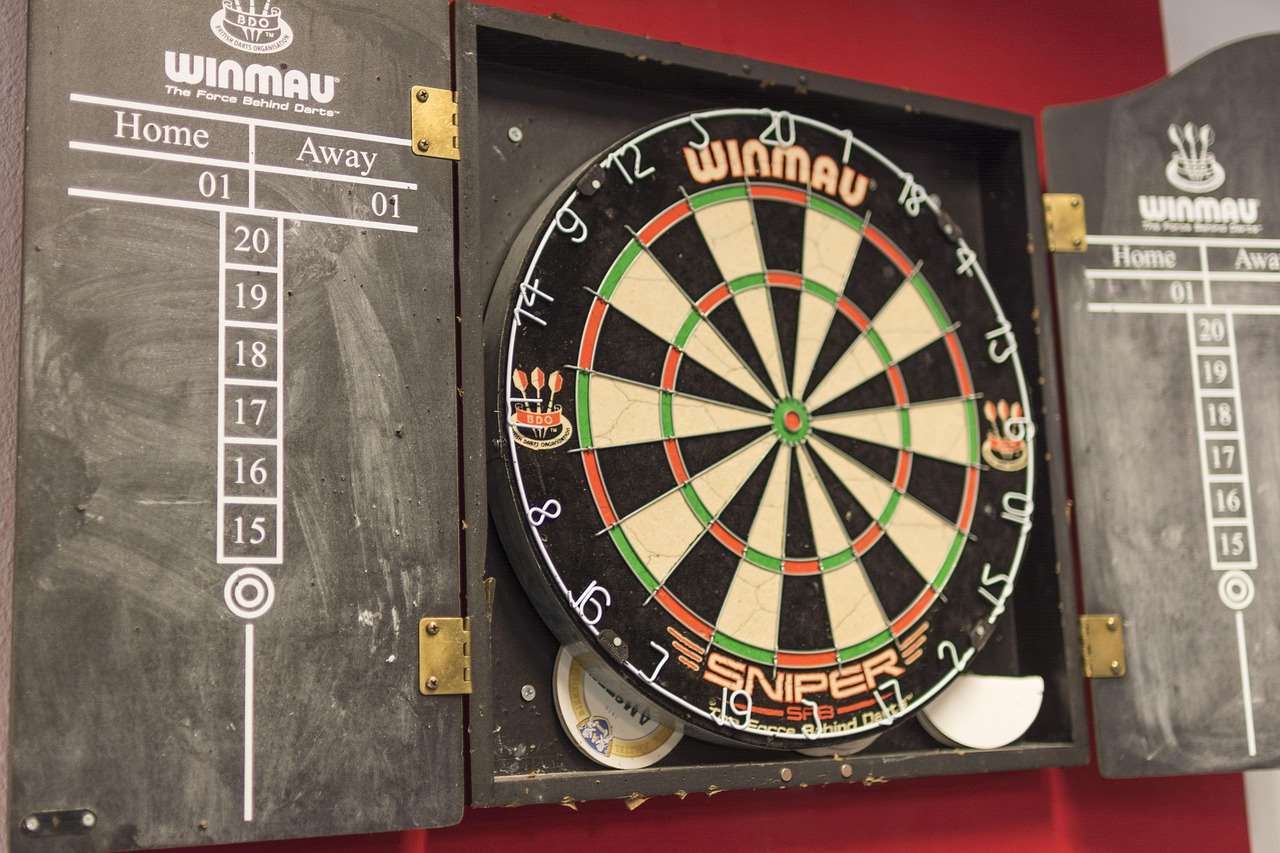
Where to Buy Your Sisal Dartboard For Competition
Many retailers offer **sisal dartboards for competition**. You can find them at sporting goods stores, online retailers, and specialty dart shops. Do some research before buying.
Online Retailers
Online retailers offer a wide selection of dartboards at competitive prices. Be sure to read reviews and compare prices before making a purchase. Also consider exploring the option of Cabinet Lighting For Dartboards as well.
Sporting Goods Stores
Sporting goods stores typically carry a variety of dartboards, including sisal dartboards. This allows you to see the board in person and assess its quality before buying.
Specialty Dart Shops
Specialty dart shops offer the most expertise and selection. The staff can provide valuable advice and help you choose the right dartboard for your needs.
Conclusion
Investing in a high-quality **sisal dartboard for competition** is a worthwhile investment for any serious dart player. By understanding the key features, proper setup, and maintenance techniques, you can ensure years of consistent performance and elevate your game to the next level. Remember to prioritize sisal quality, wiring, and staple-free bullseyes. Choosing the right darts and following proper maintenance practices will further enhance your experience. With the right equipment and dedication, you’ll be well on your way to achieving your competitive dart goals. Now go ahead and find the best dartboard for your needs!

Hi, I’m Dieter, and I created Dartcounter (Dartcounterapp.com). My motivation wasn’t being a darts expert – quite the opposite! When I first started playing, I loved the game but found keeping accurate scores and tracking stats difficult and distracting.
I figured I couldn’t be the only one struggling with this. So, I decided to build a solution: an easy-to-use application that everyone, no matter their experience level, could use to manage scoring effortlessly.
My goal for Dartcounter was simple: let the app handle the numbers – the scoring, the averages, the stats, even checkout suggestions – so players could focus purely on their throw and enjoying the game. It began as a way to solve my own beginner’s problem, and I’m thrilled it has grown into a helpful tool for the wider darts community.