Finding the perfect set of darts can significantly improve your game, and this Signature Darts Buying Guide Detailed breaks down everything you need to know to make an informed decision. We’ll cover dart weight, material, grip, flights, shafts, and even player-specific recommendations so you can choose the best darts tailored to your style and skill level.
⚠️ Still Using Pen & Paper (or a Chalkboard)?! ⚠️
Step into the future! The Dart Counter App handles all the scoring, suggests checkouts, and tracks your stats automatically. It's easier than you think!
Try the Smart Dart Counter App FREE!Ready for an upgrade? Click above!
Understanding Dart Weight and Its Impact
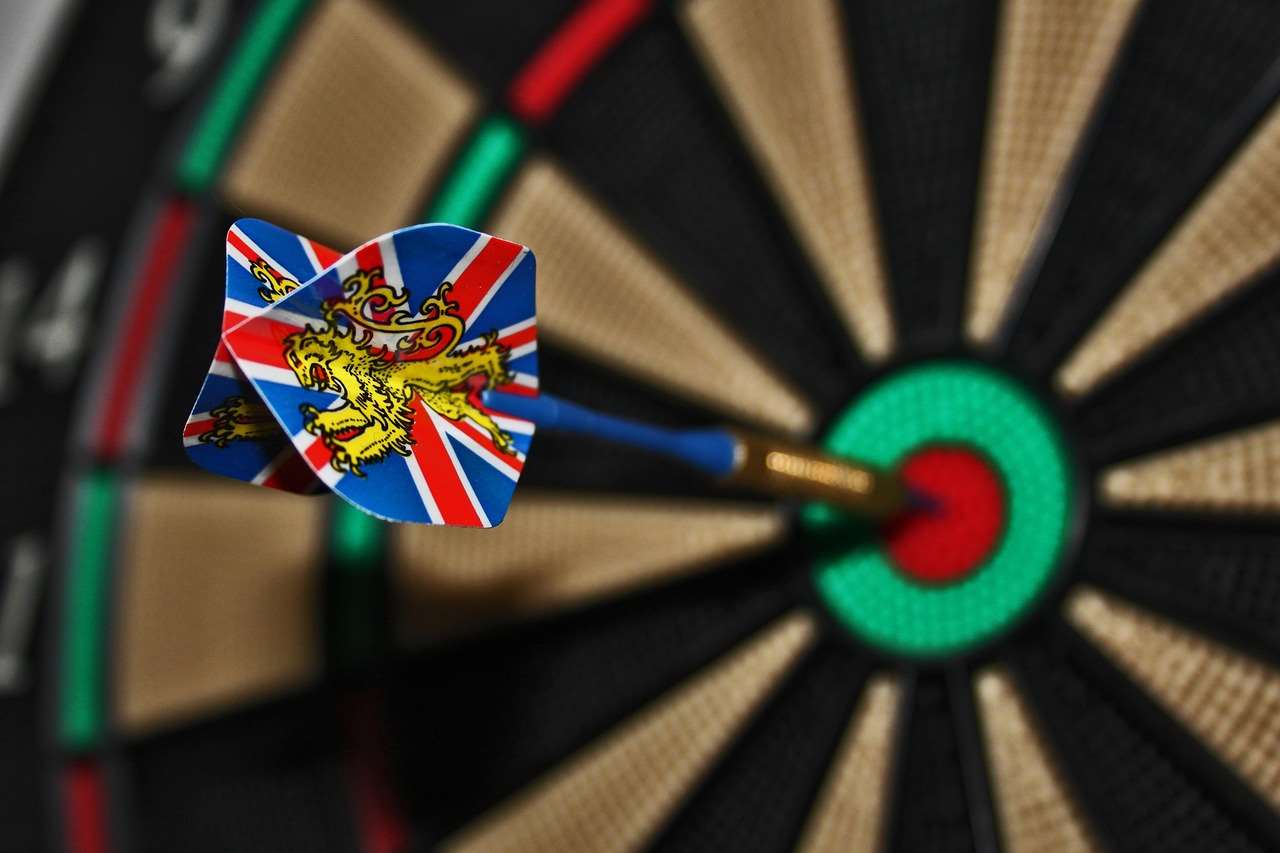
One of the most critical factors to consider when choosing darts is their weight. Dart weight is measured in grams and typically ranges from 16 to 30 grams, although regulations usually limit tournament darts to a maximum of 50 grams and minimum of 16 grams. The ideal weight for you depends on your personal throwing style and preferences. Heavier darts tend to fly straighter and are less affected by slight imperfections in your throw. Lighter darts, on the other hand, require a more precise and controlled throw but can be easier to manage for beginners. Experimentation is key; try different weights to see what feels most comfortable and gives you the best accuracy.
Finding Your Ideal Dart Weight
- Beginners: Often find darts in the 20-24 gram range to be a good starting point. This provides a balance between control and forgiveness.
- Experienced Players: Might prefer heavier or lighter darts depending on their specific technique. Some may favor heavier darts (25-28 grams) for a more forceful throw, while others might opt for lighter darts (18-22 grams) for finesse and accuracy.
Consider your throwing motion; if you tend to “push” the dart, a heavier dart might suit you better. If you have a quicker, snappier throw, a lighter dart could be more effective.
Choosing the Right Dart Material: Tungsten vs. Brass
The material of your darts significantly affects their durability, grip, and overall performance. The two most common materials are tungsten and brass. Each has its advantages and disadvantages, which we’ll explore in this section.
Tungsten Darts: The Professional Choice
Tungsten darts are denser than brass darts, meaning that a tungsten dart of the same weight as a brass dart will be significantly slimmer. This allows for tighter groupings on the dartboard and reduces the chances of bounce-outs. Tungsten darts are more expensive than brass, but their superior performance and longevity make them a worthwhile investment for serious players. When thinking about a better set of darts, remember to Choose Best Dart Equipment that fits your playing style.
- Pros:
- Slimmer profile for tighter groupings.
- Higher durability and longer lifespan.
- Better grip options due to the denser material.
- Cons:
- More expensive than brass darts.
Brass Darts: An Affordable Option
Brass darts are a more budget-friendly option, making them a good choice for beginners or casual players. However, they are bulkier than tungsten darts, which can lead to more bounce-outs and less consistent groupings. They also tend to wear down more quickly than tungsten darts.
- Pros:
- More affordable than tungsten darts.
- Suitable for beginners learning the game.
- Cons:
- Bulkier profile, leading to wider groupings.
- Less durable and prone to wear and tear.
- Fewer grip options compared to tungsten.
Exploring Different Dart Barrel Grips
The grip of your dart barrel is a crucial factor in achieving a consistent and comfortable throw. Different grip styles cater to different preferences and throwing techniques. Let’s examine some of the most common grip types.
Ringed Grips
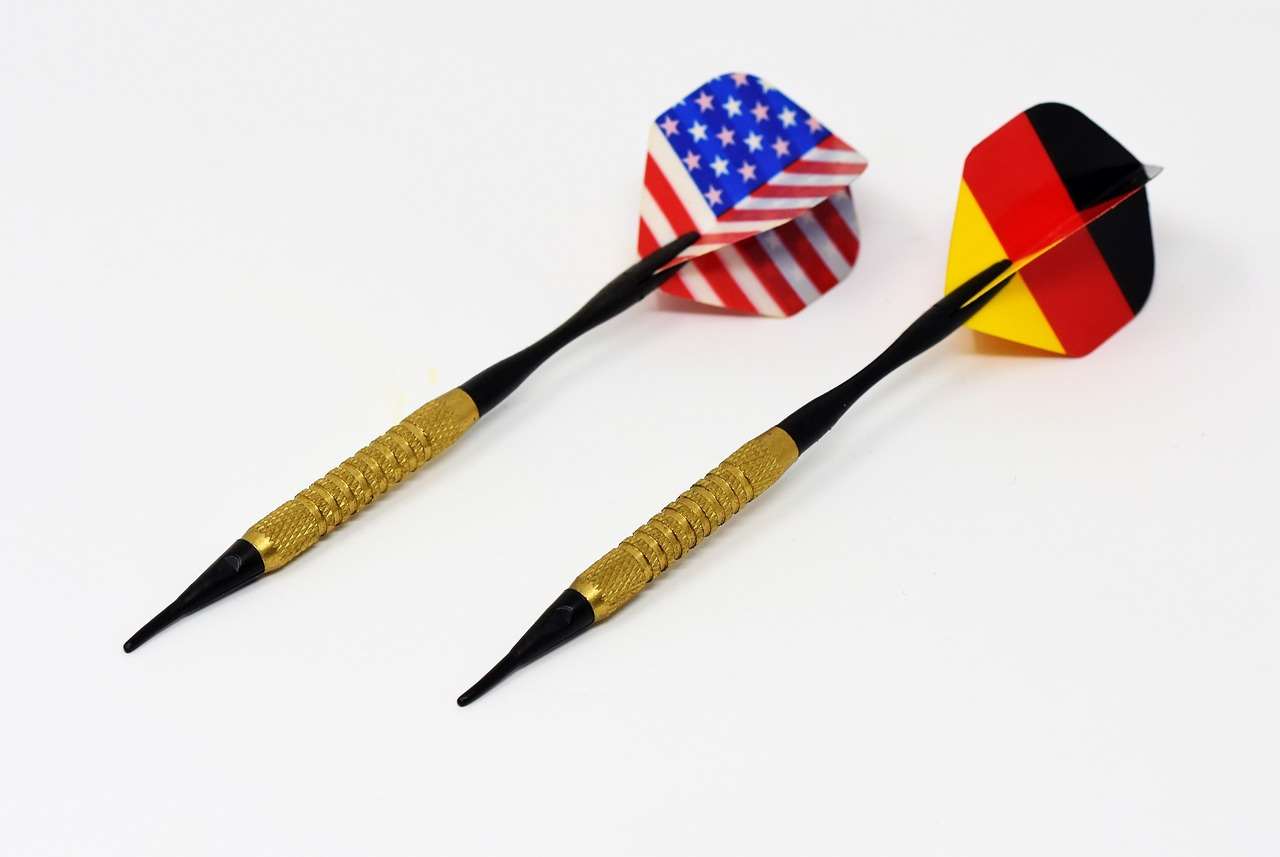
Ringed grips feature a series of raised rings along the barrel. These rings provide excellent tactile feedback and a secure grip, making them popular among players who prefer a firm hold on the dart. The spacing and depth of the rings can vary, allowing players to choose a grip that matches their specific needs.
Knurled Grips
Knurled grips have a textured surface created by small, diamond-shaped cuts. This type of grip offers a more subtle texture compared to ringed grips, providing a balance between grip and smoothness. Knurled grips are a good option for players who want a secure hold without feeling overly aggressive.
Smooth Grips
Smooth grips offer minimal texture and are preferred by players who want a very relaxed and natural feel. These darts rely more on the player’s technique and control rather than the grip of the barrel. While not suitable for everyone, some players find smooth grips to be the most comfortable and consistent.
Combination Grips
Many darts feature combination grips that incorporate elements of ringed, knurled, and smooth sections. These hybrid designs aim to provide the best of all worlds, allowing players to find a grip that perfectly matches their individual style.
Selecting the Right Dart Flights
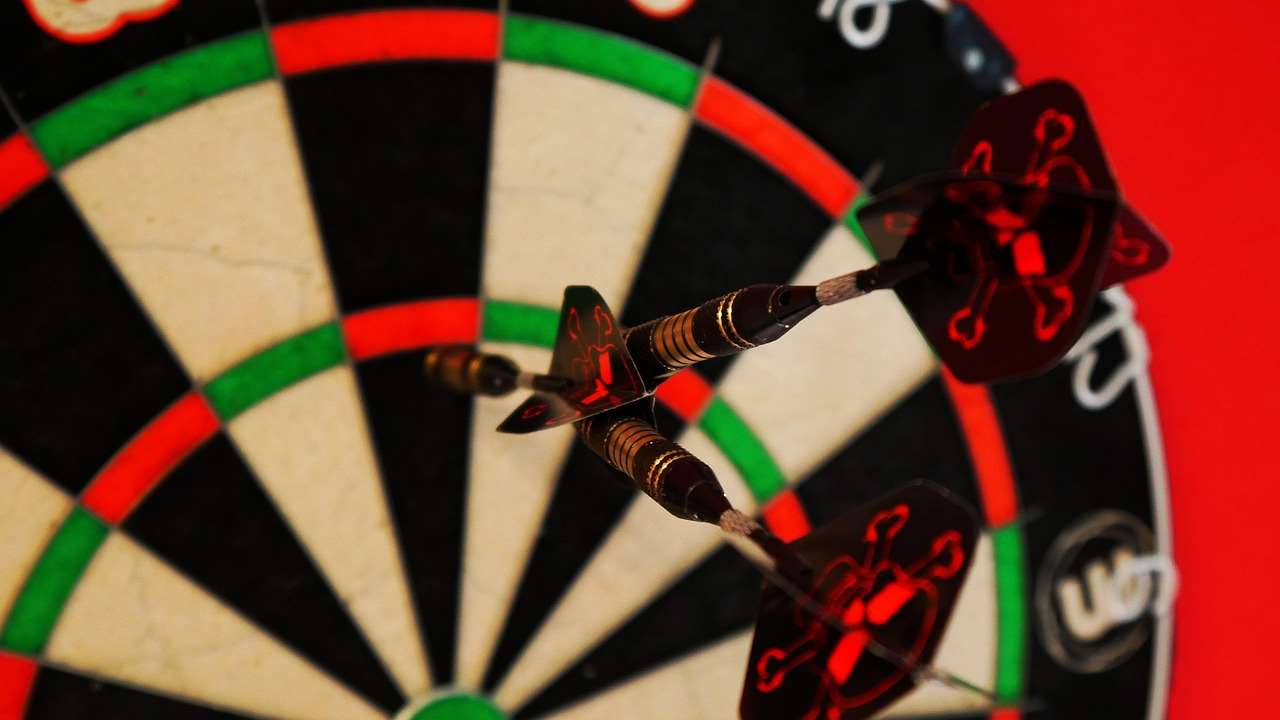
Dart flights play a vital role in stabilizing the dart during flight and influencing its trajectory. Flights come in various shapes, sizes, and materials, each affecting the dart’s aerodynamic properties. Choosing the right flights can significantly improve your accuracy and consistency. It’s good to consider some dartboard lighting options. Perhaps consider looking into Types Optimal Dartboard Lighting.
Flight Shapes and Their Impact
- Standard Flights: Provide maximum surface area for stability, making them suitable for players who need more control.
- Slim Flights: Offer less surface area, resulting in a faster and more direct flight path. These are ideal for players with a strong and consistent throw.
- Kite Flights: A hybrid shape that combines elements of standard and slim flights, offering a balance between stability and speed.
- Pear Flights: Similar to kite flights but slightly more rounded, providing a smoother and more forgiving flight path.
Flight Materials
- Polyester Flights: Are durable and affordable, making them a good choice for beginners.
- Nylon Flights: Offer increased durability and resistance to tearing, making them suitable for frequent players.
- Mylar Flights: Provide excellent stiffness and shape retention, resulting in a more consistent flight path.
Choosing Dart Shafts: Length and Material
Dart shafts connect the barrel to the flight and play a significant role in the dart’s overall balance and stability. The length and material of the shaft can impact the dart’s trajectory and grouping potential. Choosing the right shaft is crucial for achieving optimal performance. It also helps to consider a lighting option such as Cabinet Lighting For Dartboards.
Shaft Lengths
- Short Shafts: Move the center of gravity forward, resulting in a faster and more direct flight path. These are often preferred by players who want tighter groupings.
- Medium Shafts: Provide a balanced feel and are suitable for a wide range of throwing styles.
- Long Shafts: Move the center of gravity backward, resulting in a more stable and forgiving flight path. These are a good option for players who need more control.
Shaft Materials
- Aluminum Shafts: Are durable and lightweight, providing a good balance between performance and affordability.
- Nylon Shafts: Offer excellent durability and resistance to bending, making them suitable for frequent use.
- Carbon Fiber Shafts: Are extremely lightweight and strong, resulting in a more responsive and consistent feel.

Finding Signature Darts Based on Player Style
Beyond the technical aspects, consider your individual player style when choosing darts. Some players have a more aggressive, forceful throw, while others prefer a smoother, more controlled approach. Certain dart designs are better suited for different playing styles. Let’s explore a few examples.
Power Throwers
Players who generate a lot of power in their throw often benefit from heavier darts with a forward center of gravity. Darts with short shafts and slim flights can help to maintain a stable and direct flight path. Ringed grips can provide a secure hold, allowing for maximum control.
Finesse Throwers
Players who rely on finesse and accuracy might prefer lighter darts with a balanced or rearward center of gravity. Medium or long shafts and standard flights can provide added stability and control. Smooth or knurled grips can offer a comfortable and relaxed feel. Another great option is to think about Optimal Dartboard Lighting Solutions Guide.
All-Around Players
Many players fall somewhere in between power and finesse. These all-around players can benefit from a versatile dart setup that combines elements of both styles. Medium-weight darts with medium-length shafts and kite flights are a good starting point. Experiment with different grip types to find what feels most comfortable.
Signature Darts Buying Guide Detailed: Final Considerations
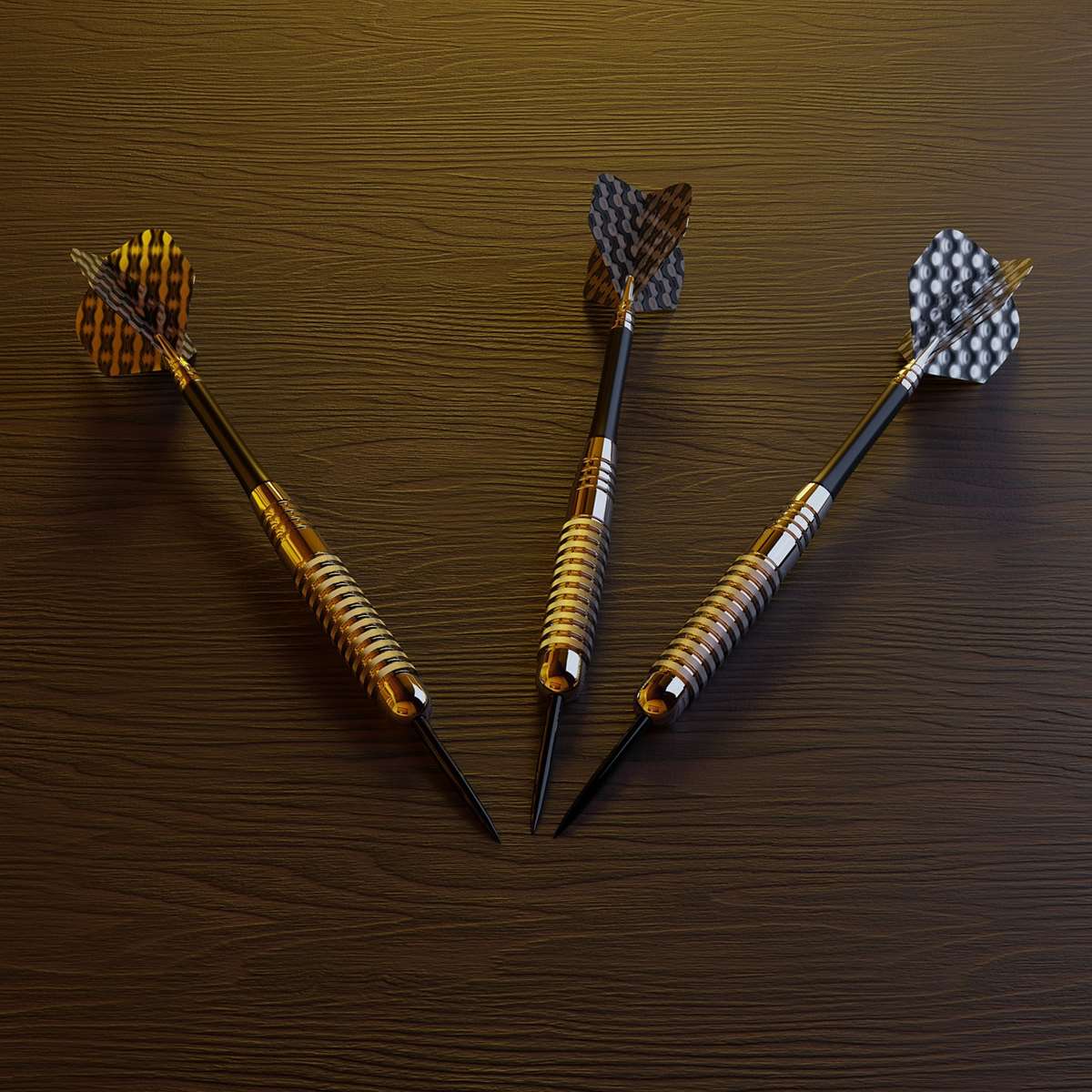
As you navigate the world of darts, remember that personal preference plays a significant role. What works for one player may not work for another. Don’t be afraid to try different combinations of weight, material, grip, flights, and shafts until you find the perfect setup for your individual style. Consider going to a local darts shop to try out different darts before making a purchase. A well-chosen set of darts can transform your game and bring you years of enjoyment. Remember to look into LED Dartboard Lights Benefits to help improve visibility while playing. Happy darting!
Taking Care of Your Darts for Long-Lasting Performance
Once you’ve invested in a set of high-quality signature darts, it’s crucial to maintain them properly to ensure long-lasting performance. Regular cleaning and proper storage can significantly extend the lifespan of your darts and keep them performing at their best.
Cleaning Your Darts Regularly
Over time, dirt, oil, and grime can accumulate on your dart barrels, affecting your grip and throwing accuracy. Cleaning your darts regularly can prevent this buildup and maintain a consistent feel. Use a soft cloth or brush to gently remove any dirt or debris. For stubborn stains, you can use a mild soap and water solution, but be sure to dry your darts thoroughly afterward to prevent corrosion. Avoid using harsh chemicals or abrasive cleaners, as these can damage the finish of your darts. If you want to play more, you can find out How To Light Your Dartboard.
Storing Your Darts Properly
Proper storage is essential for protecting your darts from damage and maintaining their shape. Avoid storing your darts in a loose bag or container where they can rub against each other and become scratched or bent. Instead, invest in a dedicated dart case or wallet that provides individual compartments for each dart. This will keep your darts organized and protected from impact. When storing your darts, be sure to remove the flights to prevent them from being crushed or damaged. Consider using flight protectors to maintain the shape of your flights and extend their lifespan.
By following these simple maintenance tips, you can keep your signature darts in top condition and enjoy years of consistent performance. Remember, a well-maintained set of darts is an investment in your game.
Conclusion
Choosing the right darts is a personal journey, influenced by your skill level, throwing style, and preferences. This Signature Darts Buying Guide Detailed has provided you with a comprehensive overview of the key factors to consider, from weight and material to grip, flights, and shafts. Remember to experiment with different combinations and find what feels most comfortable and performs best for you. Ultimately, the best darts are the ones that help you consistently hit your targets and enjoy the game. Now that you’re armed with this knowledge, it’s time to head to your local darts shop or browse online retailers to find your perfect set of darts. Take your game to the next level and experience the thrill of hitting that perfect 180!

Hi, I’m Dieter, and I created Dartcounter (Dartcounterapp.com). My motivation wasn’t being a darts expert – quite the opposite! When I first started playing, I loved the game but found keeping accurate scores and tracking stats difficult and distracting.
I figured I couldn’t be the only one struggling with this. So, I decided to build a solution: an easy-to-use application that everyone, no matter their experience level, could use to manage scoring effortlessly.
My goal for Dartcounter was simple: let the app handle the numbers – the scoring, the averages, the stats, even checkout suggestions – so players could focus purely on their throw and enjoying the game. It began as a way to solve my own beginner’s problem, and I’m thrilled it has grown into a helpful tool for the wider darts community.