Eliminate distracting shadows and glare with a proper side dartboard lighting setup, offering a consistent and clear view of the board for enhanced accuracy and enjoyment. This guide will walk you through the necessary steps and considerations for achieving optimal side lighting, along with exploring alternative options and troubleshooting common issues.
⚠️ Still Using Pen & Paper (or a Chalkboard)?! ⚠️
Step into the future! The Dart Counter App handles all the scoring, suggests checkouts, and tracks your stats automatically. It's easier than you think!
Try the Smart Dart Counter App FREE!Ready for an upgrade? Click above!
Why Choose a Side Dartboard Lighting Setup?
While ring lights are popular, a side dartboard lighting setup offers distinct advantages in certain scenarios. The primary benefit is the ability to minimize shadows created by your own body or darts. With the light source positioned to the side, shadows are cast away from the target area, leading to improved visibility and a more consistent throwing experience. The key is to position the light correctly.
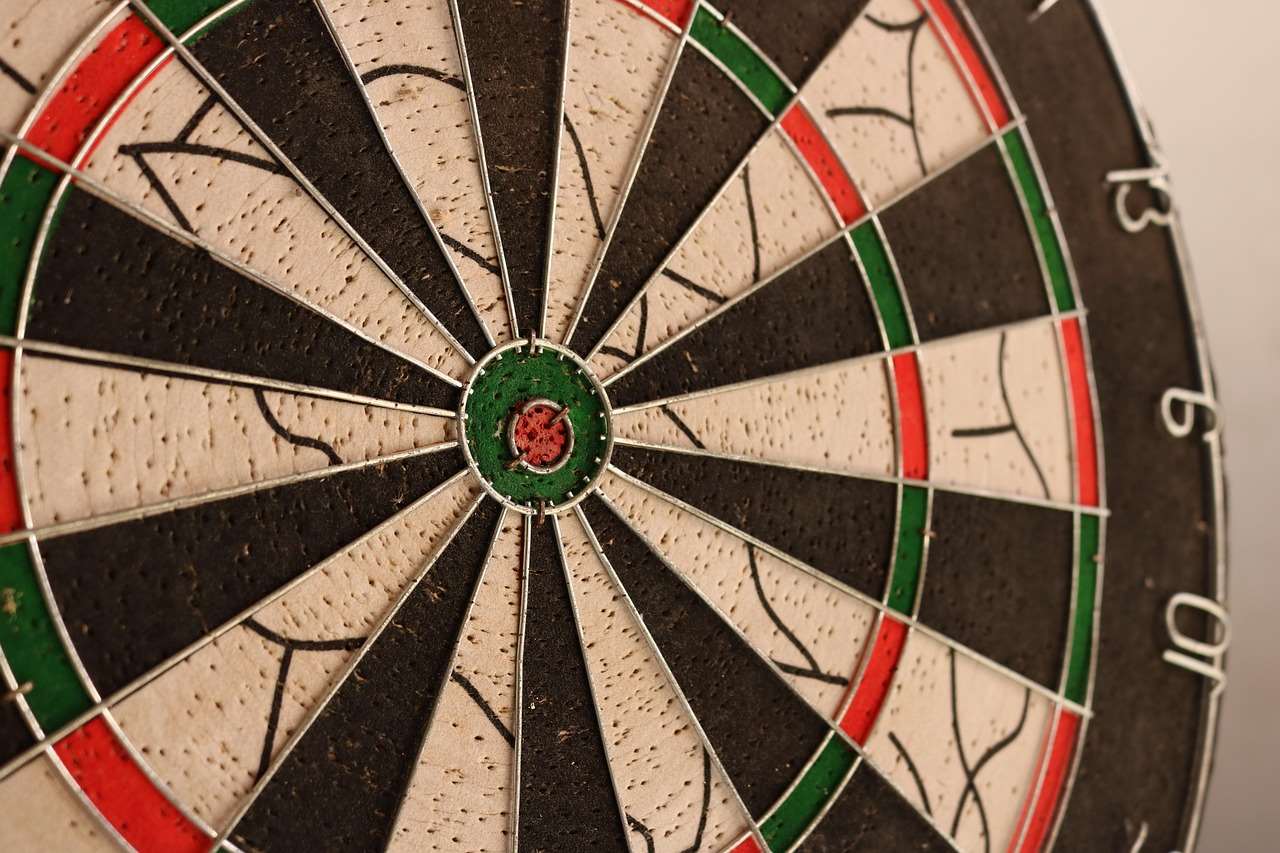
Another reason to opt for side dartboard lighting is personal preference. Some players find that ring lights can be too intense or cause unwanted reflections on their glasses. Side lighting offers a more diffused and subtle illumination, potentially reducing eye strain and improving overall comfort. It’s also a good option for those looking for a more custom look to their dart area. To explore the advantages and disadvantages of ring lights, check out Ring Light Dartboard Pros Cons.
Components of an Effective Side Dartboard Lighting Setup
A successful side dartboard lighting setup relies on a few key components:
- Light Source: LED spotlights or track lighting are common choices due to their brightness, energy efficiency, and directional control.
- Mounting Hardware: This could include wall mounts, tripods, or adjustable arms to position the lights at the desired height and angle.
- Diffusers (Optional): Diffusers soften the light and reduce glare, creating a more comfortable viewing experience.
- Power Source: Ensure you have access to a reliable power outlet and appropriate wiring.
Choosing the Right Bulbs
When selecting bulbs for your side dartboard lighting setup, consider the following factors:
- Brightness (Lumens): Aim for a combined lumen output that adequately illuminates the entire dartboard face without being overly bright.
- Color Temperature (Kelvin): A color temperature between 4000K and 5000K (cool white) is generally recommended for optimal visibility and contrast.
- Beam Angle: A narrower beam angle will provide more focused light, while a wider beam angle will offer more diffused illumination. Experiment to find what works best for you.
Step-by-Step Guide to Installing Your Side Lighting
Here’s a general guide for setting up your side dartboard lighting setup:
- Measure and Plan: Determine the optimal placement for your lights based on your dartboard’s location and your throwing stance.
- Mount the Lights: Securely attach the mounting hardware to the wall or other support structure.
- Position the Lights: Adjust the lights to the desired height and angle, ensuring that they are aimed at the dartboard face.
- Test and Adjust: Throw a few darts and observe the lighting. Adjust the position and angle of the lights as needed to minimize shadows and glare.
- Add Diffusers (Optional): If desired, attach diffusers to the lights to soften the illumination.
When considering other options for lighting your dartboard, you may want to investigate Types Optimal Dartboard Lighting.
Troubleshooting Common Issues with Side Dartboard Lighting
Even with careful planning, you may encounter some challenges when setting up your side dartboard lighting setup. Here are some common issues and how to address them:
- Shadows: If you’re still experiencing shadows, try adjusting the position of the lights or adding a third light source to fill in the gaps. You can also check out Reduce Dartboard Shadows Effectively.
- Glare: If the light is too bright or causing glare, try using diffusers or reducing the wattage of the bulbs.
- Uneven Illumination: If the dartboard is not evenly illuminated, try adjusting the beam angle or moving the lights closer or further away from the board.
Dealing with Uneven Lighting Distribution
One common issue with any dartboard lighting is ensuring the entire board is equally lit. With a side dartboard lighting setup, this can be tricky as the light source is not centralized. A good way to combat this is to use two lights angled in slightly from each side, rather than a single light source. This creates a more balanced distribution. Also, consider the reflective properties of your wall. Darker walls absorb more light, while lighter walls reflect more, impacting the overall brightness.
Alternatives to a Traditional Side Dartboard Lighting Setup
While a dedicated side dartboard lighting setup can be effective, there are alternative options to consider, depending on your budget and space constraints:
- Ring Lights: As mentioned earlier, ring lights are a popular choice that provide even illumination around the entire dartboard.
- Overhead Lighting: A well-placed overhead light fixture can also provide adequate illumination, although it may be more prone to creating shadows.
- Cabinet Lighting: For dartboards housed in cabinets, integrated lighting systems are available that provide a clean and professional look. Be sure to check out Cabinet Lighting For Dartboards before deciding.
Exploring all the options helps you Choose Best Dart Equipment that perfectly meets your needs.
The Importance of Color Rendering Index (CRI)
Beyond just brightness and color temperature, the **Color Rendering Index (CRI)** of your chosen bulbs plays a crucial role in visual accuracy. CRI measures how well a light source renders the colors of objects compared to natural sunlight. A higher CRI value (closer to 100) indicates more accurate color representation. For dartboards, accurate color rendering helps you distinguish between the different segments and improves overall visibility. Aim for bulbs with a CRI of 80 or higher for optimal performance.
Customization and Personalization of Your Lighting
Setting up a side dartboard lighting setup isn’t just about functionality; it’s also an opportunity to personalize your dart space. Consider adding features such as:
- Dimmers: Dimmers allow you to adjust the brightness of the lights to suit your preferences and the ambient lighting conditions.
- Smart Bulbs: Smart bulbs offer advanced control options, such as remote dimming, color temperature adjustments, and scheduling.
- Accent Lighting: Incorporate additional lighting elements, such as LED strip lights or spotlights, to highlight other features in your dart area.
Safety Considerations When Installing Dartboard Lighting
When installing any type of lighting, safety should always be a top priority. Here are some important safety considerations for your side dartboard lighting setup:
- Turn off the power: Before working with any electrical components, always turn off the power at the circuit breaker.
- Use appropriate wiring: Ensure that you are using wiring that is rated for the voltage and amperage of your lights.
- Secure connections: Make sure all electrical connections are secure and properly insulated.
- Follow manufacturer’s instructions: Always follow the manufacturer’s instructions for installing and operating your lights.
Maintaining Your Side Dartboard Lighting Setup
To ensure that your side dartboard lighting setup continues to provide optimal performance, it’s important to perform regular maintenance. This includes:
- Cleaning the lights: Dust and dirt can accumulate on the lights over time, reducing their brightness. Clean the lights regularly with a soft cloth.
- Replacing bulbs: When bulbs burn out, replace them with bulbs of the same wattage and color temperature.
- Checking connections: Periodically check the electrical connections to ensure that they are still secure.
For more information about efficient options, see LED Dartboard Lights Benefits.
Conclusion
A well-executed side dartboard lighting setup can significantly enhance your dart-playing experience by minimizing shadows, reducing glare, and improving overall visibility. By carefully considering the components, installation process, and troubleshooting tips outlined in this guide, you can create a custom lighting solution that meets your specific needs and preferences. Don’t be afraid to experiment with different light positions and intensities to find what works best for you. Optimize your setup today and elevate your dart game! Ready to take the next step? Start by reviewing Optimal Dartboard Lighting Solutions Guide to make an informed choice for your needs.

Hi, I’m Dieter, and I created Dartcounter (Dartcounterapp.com). My motivation wasn’t being a darts expert – quite the opposite! When I first started playing, I loved the game but found keeping accurate scores and tracking stats difficult and distracting.
I figured I couldn’t be the only one struggling with this. So, I decided to build a solution: an easy-to-use application that everyone, no matter their experience level, could use to manage scoring effortlessly.
My goal for Dartcounter was simple: let the app handle the numbers – the scoring, the averages, the stats, even checkout suggestions – so players could focus purely on their throw and enjoying the game. It began as a way to solve my own beginner’s problem, and I’m thrilled it has grown into a helpful tool for the wider darts community.