The best **shaft for heavy darts** is one that balances weight, length, and material to complement your throwing style, improving accuracy and reducing dart wobble. This article delves into the factors to consider when selecting the right shaft, exploring various materials, lengths, and how they impact your game, ultimately helping you optimize your dart setup for heavier projectiles.
⚠️ Still Using Pen & Paper (or a Chalkboard)?! ⚠️
Step into the future! The Dart Counter App handles all the scoring, suggests checkouts, and tracks your stats automatically. It's easier than you think!
Try the Smart Dart Counter App FREE!Ready for an upgrade? Click above!
Understanding the Importance of Dart Shafts For Heavy Darts
Dart shafts, sometimes called stems, are a critical component often overlooked by beginner dart players. They connect the flight to the barrel and significantly influence the dart’s trajectory and stability. When using **heavy darts**, the importance of selecting the correct shaft is amplified. A mismatched shaft can lead to inconsistent throws, increased bounce-outs, and a frustrating overall experience. The role of the **shaft for heavy darts** extends beyond simply holding the flight; it’s about achieving optimal balance and aerodynamics.
Consider this: a heavier dart already possesses more momentum. If the shaft is too light or too long, it can cause the dart to fishtail or wobble excessively, negating the benefits of the added weight. Conversely, a shaft that is too short might make the dart nosedive into the board. Therefore, careful consideration of length, material, and weight is paramount when setting up your **heavy darts**.
Materials Used in Dart Shafts
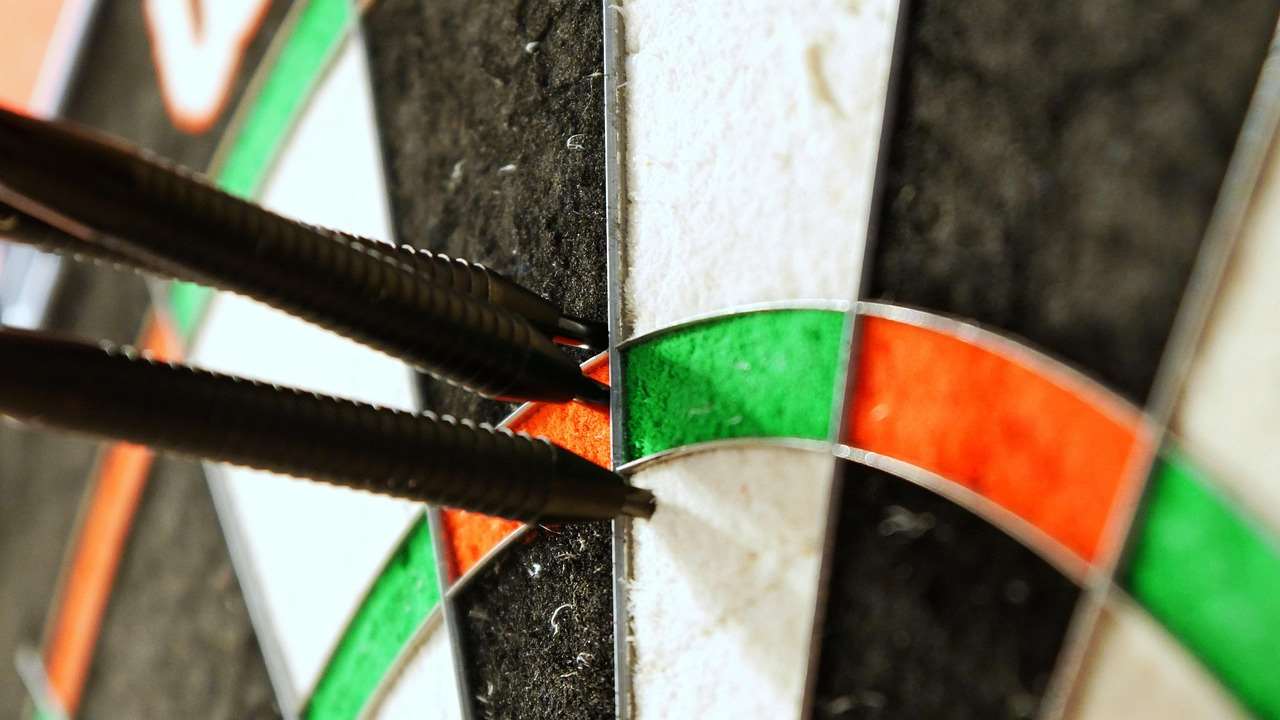
Dart shafts are commonly made from several materials, each offering unique characteristics and advantages. Understanding these materials is key to selecting the right **shaft for heavy darts** to suit your playing style.
- Nylon/Plastic Shafts: These are the most common and affordable type. They offer good durability and a wide range of colors and styles. However, they are more prone to bending or breaking upon impact with the board or another dart.
- Aluminum Shafts: Aluminum shafts are more robust than nylon, offering greater resistance to bending and breaking. They often feature grooves or knurling for improved grip. However, they can be heavier, which may affect the dart’s overall balance, especially if you are already using **heavy darts**.
- Carbon Fiber Shafts: Carbon fiber shafts are incredibly strong and lightweight. They offer excellent durability and minimal flex, leading to more consistent throws. However, they are generally more expensive than nylon or aluminum shafts.
- Rotating Shafts: Rotating shafts allow the flight to rotate upon impact, reducing deflections and bounce-outs. These are available in various materials but tend to be slightly bulkier.
The choice of material will depend on your budget, desired durability, and preferred feel. Experimenting with different materials is highly recommended to find what works best with your **heavy darts** and throwing style. Furthermore, don’t overlook the importance of dartboard lighting. See our guide to Types Optimal Dartboard Lighting.
The Impact of Material on Heavy Dart Performance
When pairing a **shaft for heavy darts**, the material plays a crucial role in the dart’s overall performance. A heavier dart requires a robust shaft to withstand the increased force and momentum generated during the throw. Lighter materials like nylon might be prone to bending or breaking, especially if the dart impacts the board at an angle. Aluminum and carbon fiber shafts offer superior durability and stability, ensuring consistent flight and minimizing the risk of damage.
Consider the weight distribution. If you’re using a particularly heavy dart, a lighter shaft material like carbon fiber could help to maintain a balanced feel, preventing the dart from feeling overly nose-heavy. Conversely, if you prefer a more front-loaded feel, an aluminum shaft could add a bit of weight to the front of the dart. The key is to experiment and find the combination that provides the most comfortable and consistent throw for you.
Dart Shaft Length and Its Effect on Dart Flight
The length of your **shaft for heavy darts** profoundly impacts the dart’s flight characteristics. Different lengths can alter the dart’s angle of attack, stability, and overall trajectory.
- Short Shafts: Short shafts tend to make the dart fly straighter but can be less forgiving of imperfections in your throwing technique. They are often preferred by players who have a very consistent and controlled release.
- Medium Shafts: Medium shafts are a good all-around choice, offering a balance of stability and forgiveness. They are suitable for a wide range of throwing styles and are a good starting point for beginners.
- Long Shafts: Long shafts generally provide more stability and can help to correct minor inconsistencies in your throw. They are often preferred by players who have a more loopy or arcing throw.
When using **heavy darts**, consider that longer shafts can amplify any wobble or fishtailing, while shorter shafts might make the dart feel too nose-heavy. Finding the right length involves experimentation and considering your individual throwing style and the overall weight distribution of your dart setup. Don’t forget that proper lighting can drastically improve your game; read about How To Light Your Dartboard.
Weight Distribution and the Shaft For Heavy Darts
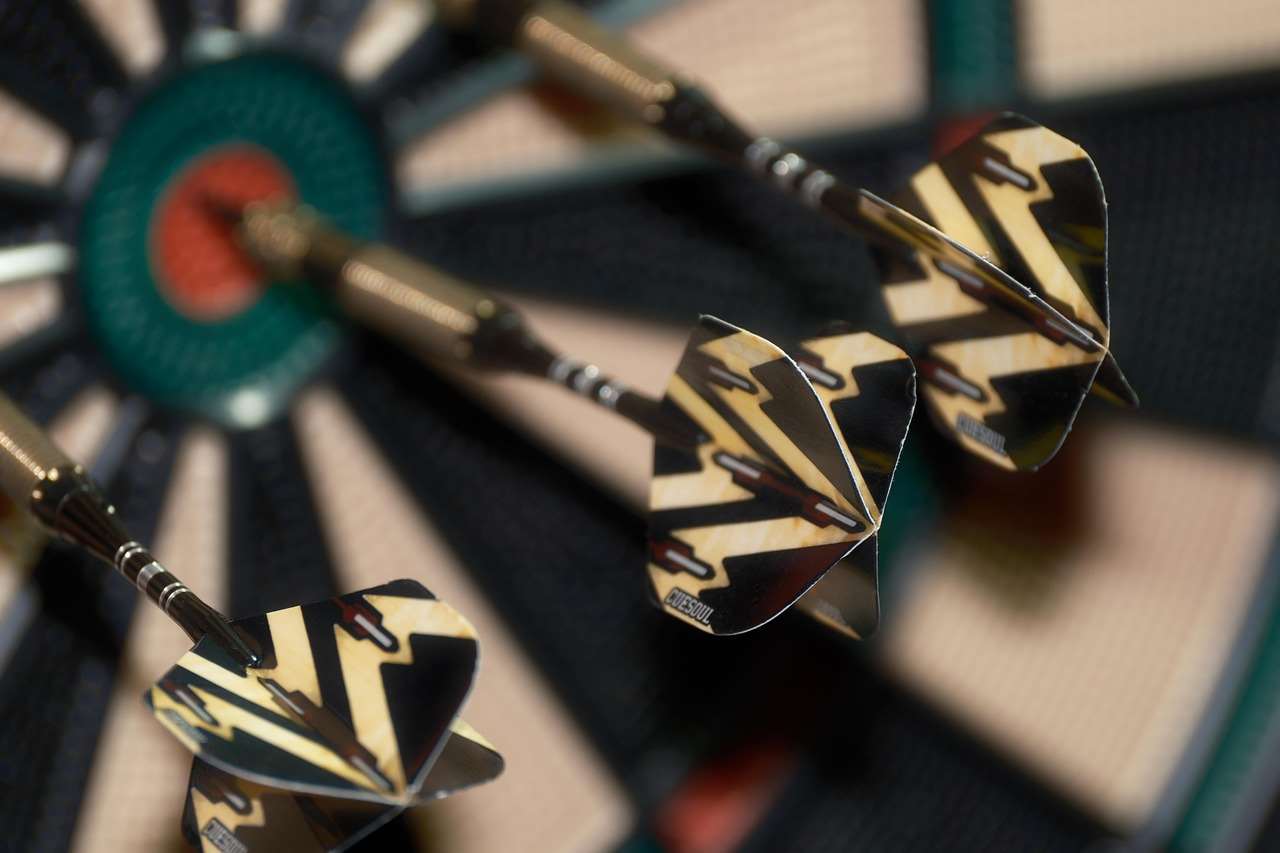
Weight distribution is a crucial concept when selecting the right **shaft for heavy darts**. The balance of the dart, determined by the barrel’s weight, the shaft’s weight, and the flight’s weight, significantly affects how the dart flies and feels in your hand.
Generally, **heavy darts** will benefit from a shaft that complements the weight distribution of the barrel. If you have a front-loaded barrel, a shorter shaft might provide better balance and prevent the dart from nosediving. Conversely, if you have a more balanced barrel, a medium or long shaft might offer better stability and reduce wobble.
Experimenting with different shaft lengths and materials can help you fine-tune the weight distribution of your dart to achieve the desired feel and flight characteristics. Consider the overall weight of the dart as well. Heavier darts naturally have more momentum, and adjusting the shaft can either enhance or mitigate that momentum, depending on your preference.
Flight Shape and Its Relationship to Dart Shafts
The shape of your dart flights also plays a role in determining the ideal **shaft for heavy darts**. Different flight shapes create different levels of drag and lift, which can affect the dart’s stability and trajectory.
- Standard Flights: Standard flights offer the most surface area and create the most drag, resulting in a slower, more stable flight. They are often paired with medium or long shafts to provide maximum stability, especially with **heavy darts**.
- Slim Flights: Slim flights offer less surface area and create less drag, resulting in a faster, more aerodynamic flight. They are often paired with shorter shafts to maintain balance and prevent the dart from feeling too unstable.
- Kite Flights: Kite flights offer a balance of surface area and drag, providing a good compromise between stability and speed. They are suitable for a wide range of shaft lengths and are a good option for experimenting.
When using **heavy darts**, the flight shape can help to fine-tune the dart’s trajectory and stability. If you’re experiencing excessive wobble or fishtailing, try using larger flights to increase drag and stabilize the dart. If you’re finding that the dart is dropping too quickly, try using smaller flights to reduce drag and increase its speed. Also, when choosing your dart equipment, remember you can Choose Best Dart Equipment that meets your needs.
Thread Types and Compatibility
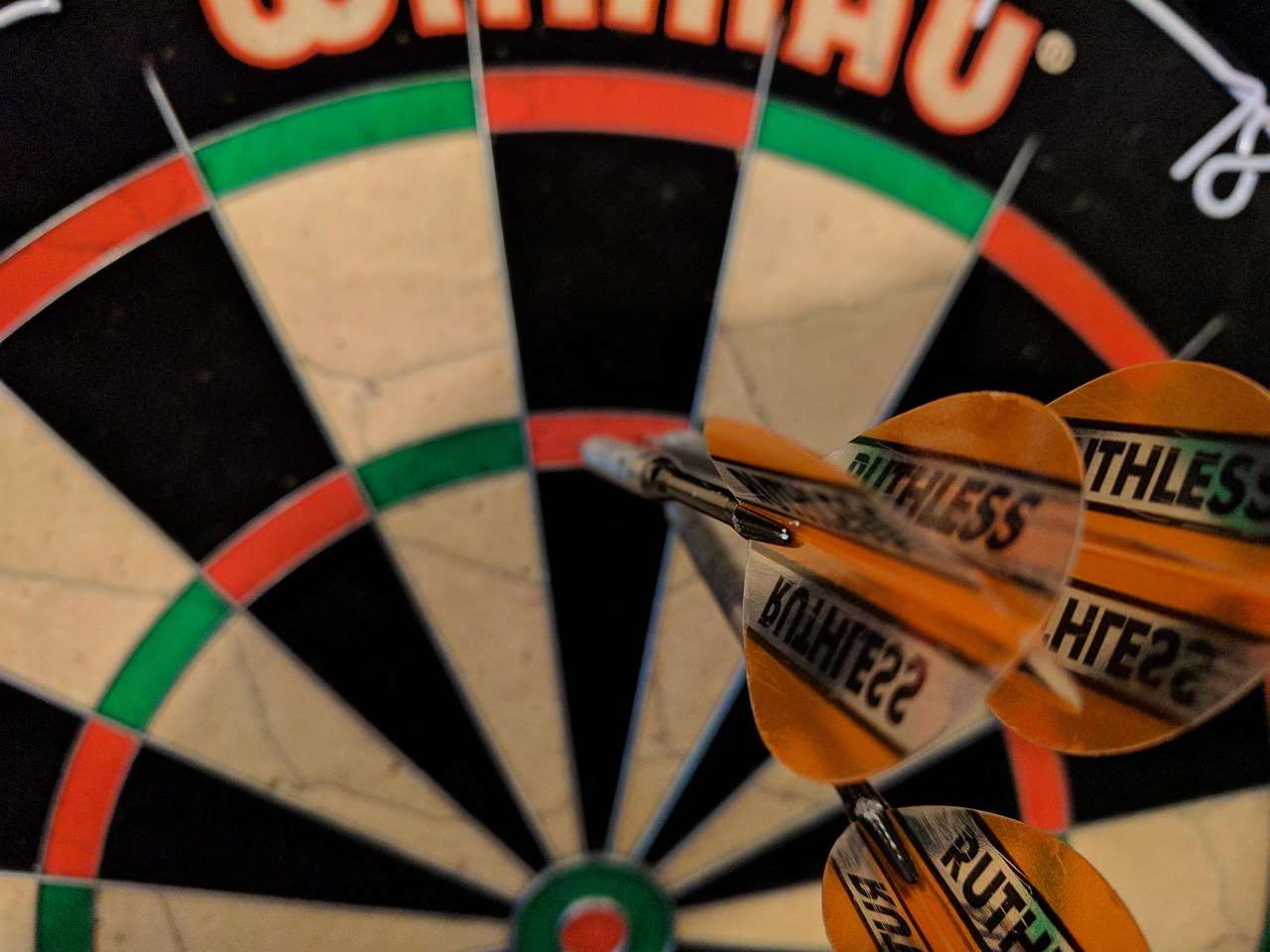
Dart shafts come in two primary thread types: 2BA and 1/4″. The 2BA thread is the most common and is used on most standard dart barrels. The 1/4″ thread is larger and is typically used on heavier or specialized dart barrels. Ensuring compatibility between your shaft and barrel is crucial for a secure and reliable connection.
Before purchasing a **shaft for heavy darts**, always check the thread type of your dart barrel to ensure compatibility. Using the wrong thread type can damage both the shaft and the barrel, leading to frustration and wasted money. Most dart retailers will clearly indicate the thread type of their shafts and barrels, but if you’re unsure, it’s always best to ask for clarification before making a purchase.
Maintenance and Durability of Dart Shafts
Proper maintenance can significantly extend the lifespan of your **shaft for heavy darts**. Regularly inspect your shafts for signs of wear and tear, such as cracks, bends, or stripped threads. Replace damaged shafts immediately to prevent them from breaking during a throw, which could damage your dartboard or even cause injury.
To clean your dart shafts, simply wipe them down with a damp cloth to remove any dirt or debris. Avoid using harsh chemicals or solvents, as these can damage the material. If you’re using aluminum or carbon fiber shafts, you can apply a small amount of lubricant to the threads to prevent them from seizing up. Consider rotating your shafts regularly to distribute wear evenly and prolong their lifespan.
Experimentation and Finding Your Ideal Setup
Ultimately, the best **shaft for heavy darts** is the one that feels most comfortable and allows you to throw consistently. There is no one-size-fits-all solution, and experimentation is key to finding your ideal setup. Try different shaft lengths, materials, and flight shapes to see how they affect your dart’s flight and your overall accuracy.
Don’t be afraid to deviate from conventional wisdom and try unconventional combinations. Some players find that a short carbon fiber shaft paired with large flights works best for them, while others prefer a long aluminum shaft with slim flights. The most important thing is to find what works for you and allows you to enjoy the game.
Troubleshooting Common Issues
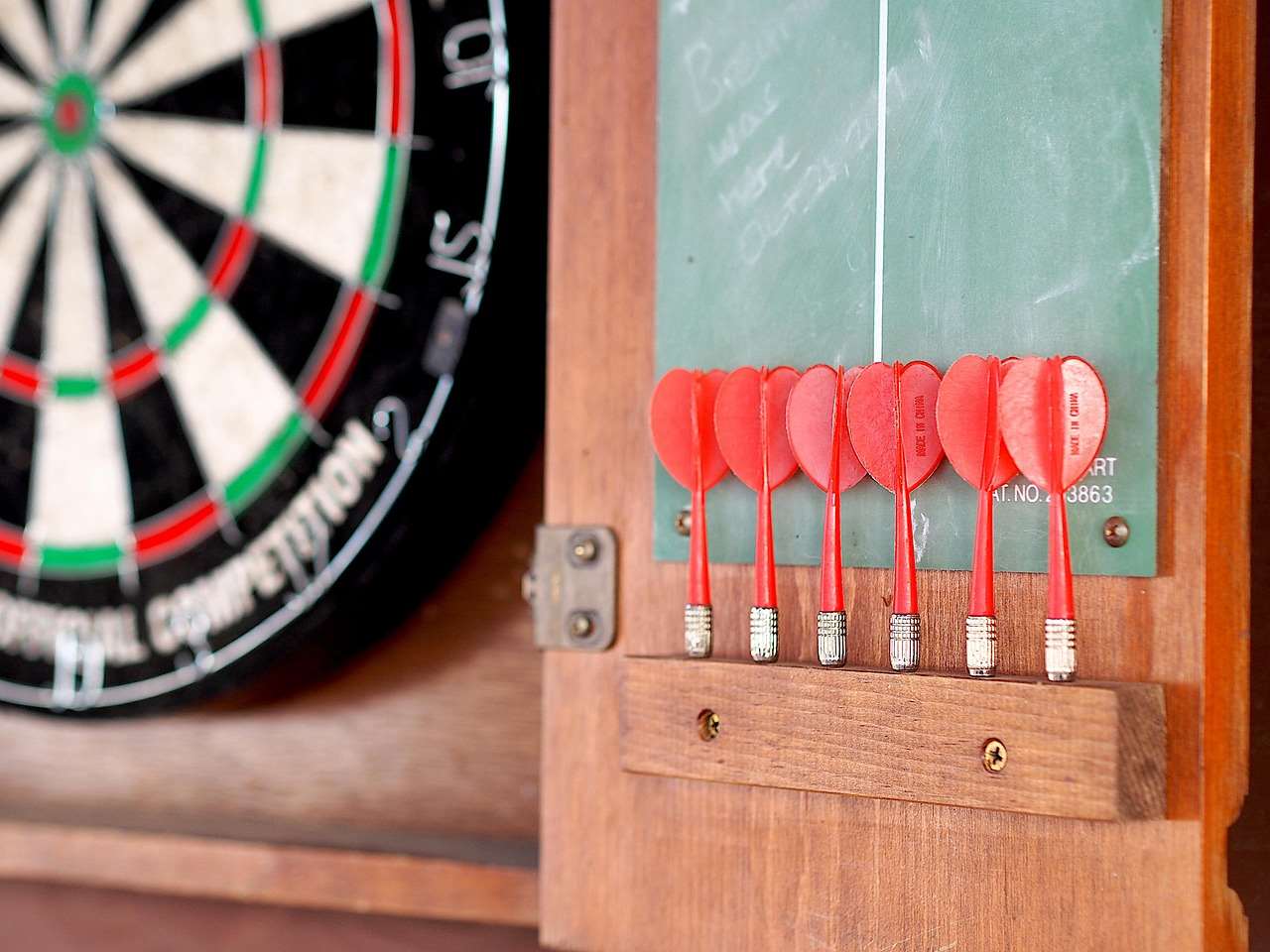
Even with the right **shaft for heavy darts**, you might still encounter some common issues. Here are a few troubleshooting tips:
- Dart Wobbling or Fishtailing: This can be caused by an improperly balanced dart, a faulty throwing technique, or incorrect flight size. Try experimenting with different shaft lengths and flight shapes to stabilize the dart.
- Bounce-Outs: Bounce-outs can be caused by dull dart points, a loose dartboard, or a dart that is entering the board at an incorrect angle. Ensure your dart points are sharp and your dartboard is securely mounted. Experimenting with rotating shafts can also reduce bounce-outs.
- Inconsistent Groupings: Inconsistent groupings can be caused by a variety of factors, including inconsistent throwing technique, a mismatched dart setup, or fatigue. Focus on refining your throwing technique and experimenting with different dart setups to improve your consistency. Remember to take breaks when you’re feeling tired.
If you are experiencing shadows on your dartboard then explore solutions to Reduce Dartboard Shadows Effectively.
Where to Buy Dart Shafts
Dart shafts are readily available from a wide range of retailers, both online and in brick-and-mortar stores. Specialized dart shops typically offer the widest selection and the most knowledgeable staff, but you can also find a decent selection at sporting goods stores and online retailers like Amazon.
When purchasing **shafts for heavy darts** online, be sure to read customer reviews and check the product specifications carefully to ensure you’re getting the right thread type and material. If possible, visit a local dart shop to try out different shafts in person before making a purchase. This will allow you to get a feel for the weight and balance of the shaft and ensure that it’s compatible with your dart barrel.
Conclusion
Choosing the right **shaft for heavy darts** is a critical aspect of optimizing your dart game. By considering the material, length, weight distribution, and flight shape, you can fine-tune your dart setup to achieve improved accuracy, stability, and overall performance. Remember that experimentation is key to finding the perfect combination that suits your individual throwing style and preferences. Don’t be afraid to try different options and deviate from conventional wisdom to discover what works best for you.
Ready to elevate your dart game? Explore different dart shafts and flights today and discover the perfect setup to maximize your potential! Also consider Optimal Dartboard Lighting Solutions Guide

Hi, I’m Dieter, and I created Dartcounter (Dartcounterapp.com). My motivation wasn’t being a darts expert – quite the opposite! When I first started playing, I loved the game but found keeping accurate scores and tracking stats difficult and distracting.
I figured I couldn’t be the only one struggling with this. So, I decided to build a solution: an easy-to-use application that everyone, no matter their experience level, could use to manage scoring effortlessly.
My goal for Dartcounter was simple: let the app handle the numbers – the scoring, the averages, the stats, even checkout suggestions – so players could focus purely on their throw and enjoying the game. It began as a way to solve my own beginner’s problem, and I’m thrilled it has grown into a helpful tool for the wider darts community.