Understanding how to navigate set legs darts is crucial for mastering the game and strategizing effectively. This article provides a comprehensive guide to the structure of sets and legs in darts, along with tips and strategies to improve your performance. We’ll explore scoring systems, tournament formats, and practical advice to help you win more games.
⚠️ Still Using Pen & Paper (or a Chalkboard)?! ⚠️
Step into the future! The Dart Counter App handles all the scoring, suggests checkouts, and tracks your stats automatically. It's easier than you think!
Try the Smart Dart Counter App FREE!Ready for an upgrade? Click above!
Decoding Set and Leg Formats in Darts
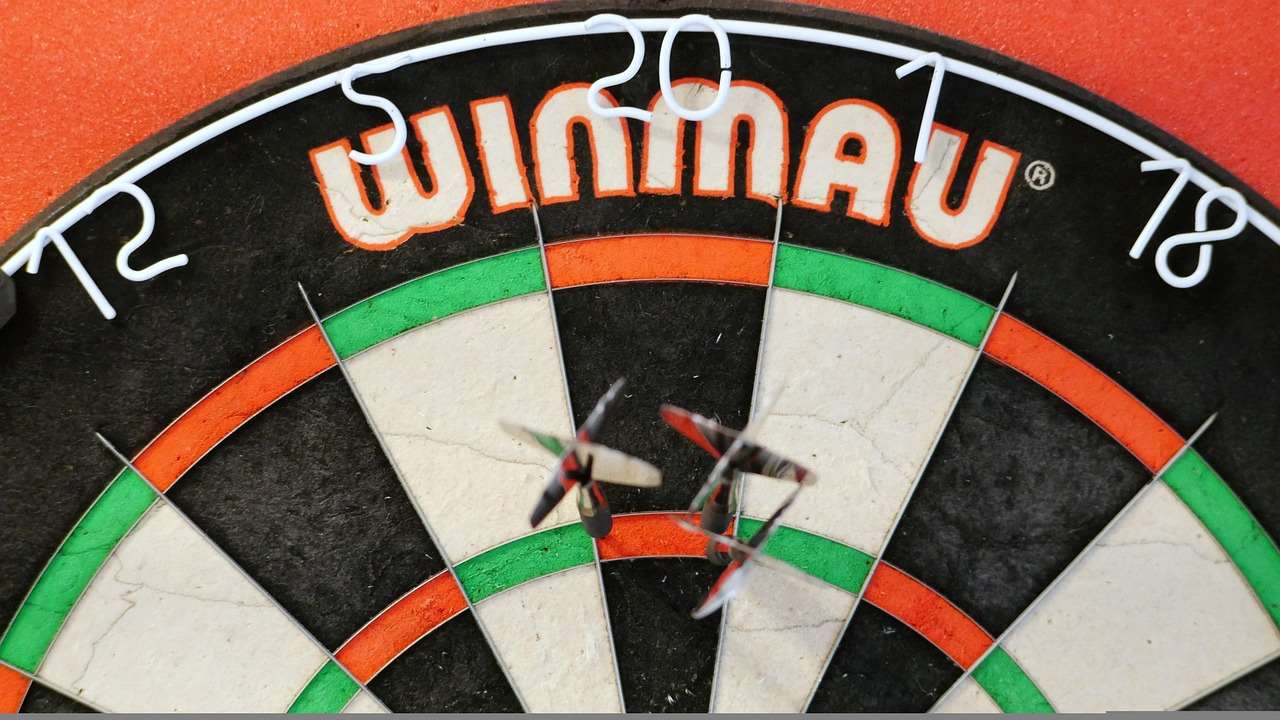
The terms set legs darts are fundamental to understanding how matches are structured, especially in professional tournaments. A ‘leg’ is essentially one game of darts, starting with both players at a score of 501 (or sometimes 301) and racing to be the first to reduce their score to zero, finishing with a double. A ‘set’ is then a predetermined number of legs. For example, a match might be best of five sets, where each set is the best of five legs. This means a player must win three sets to win the match, and within each set, they must win three legs to win that set. Understanding the difference is vital for both players and spectators alike.
The Importance of Winning the Leg
Winning individual legs provides crucial momentum. Consider the psychological impact of taking an early lead. Securing the first leg in a set legs darts match can instantly boost confidence and put pressure on your opponent. Conversely, losing the first leg can sometimes trigger a dip in performance due to increased stress. Strategic play in each leg involves calculated risk-taking and a focus on accuracy to maintain the advantage.
Beyond the mental aspect, winning more legs translates directly to winning more sets, and ultimately, winning the match. Consistent performance in each leg is therefore essential for any aspiring darts player.
Strategies for Success in Set Legs Darts
Success in set legs darts involves not just raw talent but also strategic planning and execution. Here, we’ll explore several key strategies that can significantly improve your chances of winning.
Practicing Your Doubles
Finishing on a double is a critical element of darts. Many players can consistently score high, but struggle to close out a leg because they haven’t honed their doubles. Dedicate a significant portion of your practice time to hitting doubles. Focus on specific doubles like double 16, double 20, and double 10, as these are commonly used in checkouts. Consider using a darts app to track your progress and identify areas for improvement. Repetitive practice builds muscle memory and enhances accuracy under pressure.
Developing Consistent Scoring
A consistent scoring strategy is essential for building up a lead and putting pressure on your opponent. Aim for the treble 20 whenever possible, as it yields the highest score. However, don’t be afraid to switch to other targets if you are not feeling confident or if a different strategy might be more advantageous. Analyze your own strengths and weaknesses to develop a personalized scoring plan. Effective scoring sets you up for easier checkouts and increases your overall chances in the set legs darts format.
Mental Toughness
Darts is as much a mental game as it is a physical one. Maintaining focus and composure under pressure is crucial. Learn to handle setbacks, such as missed doubles or high scores from your opponent. Develop coping mechanisms for dealing with nerves and anxiety. Visualizing success and practicing mindfulness can help improve your mental resilience. Remember that every leg and every set is a new opportunity to perform well, so staying positive and focused is vital.
Analyzing Your Opponent
Observing your opponent’s tendencies can provide valuable insights. Pay attention to their preferred targets, scoring patterns, and reactions to pressure. Use this information to adapt your own strategy and exploit their weaknesses. Understanding your opponent’s game is especially important in set legs darts matches, where small advantages can make a big difference. However, don’t become overly focused on your opponent to the detriment of your own game. Balance observation with maintaining your own rhythm and focus.
The Scoring System in Set Legs Darts
The standard scoring system in set legs darts starts at 501. Players take turns throwing three darts, subtracting the sum of their scores from their remaining total. The goal is to reach zero, but you must finish on a double. For example, if you have 32 remaining, you need to hit double 16 to win the leg. If you overshoot (go below zero) or fail to hit a double when required, the darts do not count, and your score reverts to the total you started the throw with.
Understanding Checkout Combinations
Knowing various checkout combinations is essential for finishing legs efficiently. Familiarize yourself with common checkouts, such as 170 (T20, T20, Bullseye), 167 (T20, T19, Bullseye), and 164 (T20, T20, D22). Having a repertoire of checkout options allows you to adapt to different situations and increase your chances of closing out a leg. Remember to prioritize checkouts that leave you with a double if you miss the first dart. Learning these combinations is a fundamental aspect of set legs darts strategy.
The Role of First to the Board
Determining who throws first in a leg often involves a ‘bull-off,’ where each player throws one dart at the bullseye. The player whose dart is closest to the bullseye throws first in the leg. Having the advantage of throwing first can be significant, especially in close legs, as it gives you the opportunity to set the pace and apply pressure. Aim to win the bull-off whenever possible to maximize your chances of success. Consider the dartboard position for optimal throwing.
Tournament Formats and Set Legs Darts
Various tournament formats utilize the set legs darts structure. Common examples include best-of-three sets, best-of-five sets, and best-of-seven sets. The number of legs per set also varies, typically ranging from best-of-three to best-of-seven. Understanding the specific format is crucial for adapting your strategy and pacing yourself throughout the match.
Professional Darts Corporation (PDC) Formats
The PDC, the leading professional darts organization, frequently uses set legs darts formats in its tournaments. For instance, the World Darts Championship often features matches with a best-of-seven sets format, with each set being the best-of-five legs. Understanding these formats allows players and fans to better appreciate the strategic depth and competitive intensity of the matches.
Other Tournament Variations
While the PDC format is prevalent, other variations exist in amateur and local tournaments. Some tournaments may use a straight legs format, where the first player to reach a certain number of legs wins the match. Others may employ a combination of sets and legs with different scoring systems. Always clarify the specific rules and format before participating in a tournament. Don’t forget that you can count up darts rules if it changes the format.
Practical Tips for Improving Your Set Legs Darts Game
Beyond understanding the rules and strategies, consistent practice and self-improvement are essential for excelling in set legs darts. Here are some practical tips to help you elevate your game.

Recording and Analyzing Your Performance
Keep track of your scores, averages, and checkout percentages. This data provides valuable insights into your strengths and weaknesses. Analyze your performance after each practice session or match to identify areas for improvement. Are you consistently missing doubles? Are you struggling to maintain your scoring pace? Use this information to tailor your practice routine and focus on specific areas.
Varying Your Practice Routine
Avoid practicing the same drills repeatedly, as this can lead to stagnation. Incorporate variety into your practice routine to challenge yourself and develop a well-rounded skillset. Practice different checkout combinations, experiment with different scoring strategies, and simulate match situations. Diversifying your practice routine keeps you engaged and enhances your adaptability.
Seeking Feedback from Others
Ask experienced players or coaches for feedback on your technique, strategy, and mental approach. An outside perspective can often reveal areas for improvement that you may not have noticed yourself. Be open to constructive criticism and use it to refine your game. Consider joining a local darts league or club to gain access to experienced players and coaching opportunities. You can purchase a darts flight bundle for practice and try new approaches.
Advanced Strategies for Set Legs Darts
For experienced players looking to further refine their set legs darts game, mastering advanced strategies can provide a competitive edge. These strategies often involve a deeper understanding of game theory, psychological warfare, and precise execution.
Strategic Switching
Strategic switching involves changing your target during a leg or set based on the situation. For example, if you consistently miss treble 20, you might switch to treble 19 to maintain a solid scoring pace. Or, if your opponent is closing in on a checkout, you might switch to a more defensive strategy, focusing on blocking their preferred targets. Strategic switching requires adaptability and a keen understanding of the game’s dynamics. It’s more than just replace dart points – it’s about smart decision-making.

Pace Control
Controlling the pace of the game can disrupt your opponent’s rhythm and create opportunities for yourself. Speeding up or slowing down your throws can unsettle your opponent and force them to adjust their own game. However, use pace control judiciously, as it can also backfire if it disrupts your own rhythm. Mastering pace control requires a high level of self-awareness and the ability to read your opponent’s reactions.
Psychological Warfare
Darts is not only about the darts itself; it includes psychological tactics. Maintain a confident demeanor, even when facing adversity. Avoid showing signs of frustration or weakness. Use subtle verbal cues or body language to put pressure on your opponent. However, be mindful of sportsmanship and avoid crossing the line into unethical behavior. Psychological warfare should be used sparingly and strategically to gain a subtle advantage.
Conclusion
Understanding the intricacies of set legs darts is vital for both casual players and aspiring professionals. By mastering the scoring system, adopting effective strategies, and consistently practicing, you can significantly improve your performance and increase your chances of winning. Remember the importance of doubles, consistent scoring, mental toughness, and analyzing your opponent. Explore different tournament formats and continuously seek ways to refine your game. Now, head to your local pub or set up your own dartboard and put these tips into practice! You can also try out the Digital dart score app (https://dartcounterapp.com/).

Hi, I’m Dieter, and I created Dartcounter (Dartcounterapp.com). My motivation wasn’t being a darts expert – quite the opposite! When I first started playing, I loved the game but found keeping accurate scores and tracking stats difficult and distracting.
I figured I couldn’t be the only one struggling with this. So, I decided to build a solution: an easy-to-use application that everyone, no matter their experience level, could use to manage scoring effortlessly.
My goal for Dartcounter was simple: let the app handle the numbers – the scoring, the averages, the stats, even checkout suggestions – so players could focus purely on their throw and enjoying the game. It began as a way to solve my own beginner’s problem, and I’m thrilled it has grown into a helpful tool for the wider darts community.